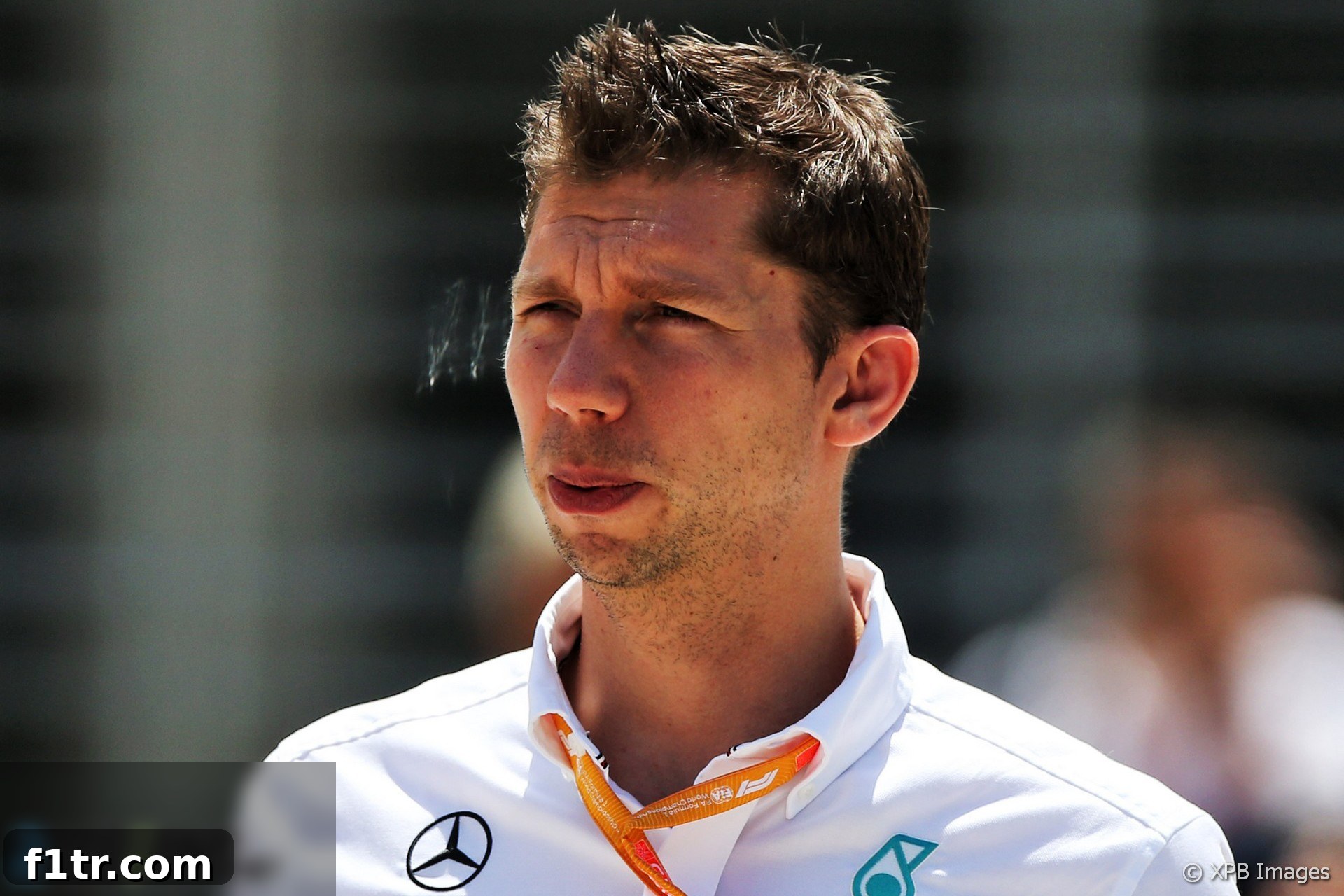
Williams Racing, one of Formula 1’s most storied and revered teams, embarks on a new chapter with the appointment of James Vowles as its Team Principal. Having spent over two decades at the forefront of Formula 1 with Mercedes-AMG Petronas F1 Team, Vowles brings a unique blend of championship-winning experience and a profound understanding of the sport’s most challenging periods. His tenure at Mercedes, which saw the team achieve unprecedented success, was also punctuated by earlier struggles during its guises as British American Racing, Honda, and Brawn GP. It is this comprehensive background, particularly his intimate knowledge of navigating and overcoming “failure,” that Vowles believes will be instrumental in transforming the fortunes of a Williams squad that has languished at the back of the grid, finishing last in the 2022 Constructors’ Championship for the fourth time in five seasons.
Advert | Become a Supporter & go ad-free
James Vowles: A Legacy Forged in Formula 1
Vowles’ journey through Formula 1 is a testament to perseverance and strategic acumen. His career began in the late 1990s, culminating in a pivotal role at the Brackley-based outfit that would eventually become the all-conquering Mercedes F1 team. Starting as an engineer, he rose through the ranks, becoming the Chief Strategist, a position he held with distinction under Team Principal Toto Wolff. In this role, Vowles was a key architect behind Mercedes’ eight consecutive Constructors’ Championships and numerous Drivers’ titles, making him one of the most respected figures in the paddock. His strategic calls from the pit wall were often crucial, demonstrating a sharp analytical mind and an ability to perform under immense pressure. This rich tapestry of experience, from the leaner years of BAR and Honda, through the miraculous Brawn GP championship, to Mercedes’ era of dominance, has equipped Vowles with an unparalleled perspective on what it takes to build, sustain, and reclaim success in the cutthroat world of Formula 1.
The Challenge at Grove: Understanding Williams’ Decline
Williams Grand Prix Engineering holds a legendary status in Formula 1, boasting nine Constructors’ Championships and seven Drivers’ titles, placing them among the sport’s elite. However, the recent past has seen the team fall far from its former glory. The 2022 season marked another difficult year, with the team finishing at the bottom of the standings, a stark contrast to its illustrious history. This persistent underperformance has not been due to a lack of effort but rather points to systemic issues that have plagued the Grove-based team for too long. Financial instability, a revolving door of leadership, and challenges in technical development have collectively contributed to a downward spiral, leaving a once-proud outfit struggling to compete even in the midfield. Fans and pundits alike have pondered what exactly has gone wrong, and how a team with such a formidable legacy could find itself in such a precarious position.
Vowles’ Vision: A Cultural Renaissance for Williams F1
While still in transition, James Vowles has already identified the core areas requiring immediate attention. Speaking to media including RaceFans after his appointment, Vowles pinpointed a fundamental need for a “change to the culture” within the Dorilton-owned squad. He acknowledged the difficulty in diagnosing specific technical or operational flaws without being fully embedded, yet emphasized that sustained underperformance invariably points to deeper, organizational issues. “What [would] definitely be wrong is when you’re hurting and when you’ve been punished, you’ve been pushed down as an organisation because you’re suffering, that doesn’t get any better year-on-year, unless you get a change to what’s going on – a change to the culture, a change to the methods and systems,” Vowles explained. This isn’t merely about individual mistakes but about the collective mindset, the operational frameworks, and the very fabric of how the team functions. A cultural shift, according to Vowles, is the bedrock upon which any future success must be built, moving away from a cycle of pain and frustration towards a positive, growth-oriented environment.
The Dorilton Capital Impact: Investment for Future Success
A crucial element in Williams’ potential resurgence, as highlighted by Vowles, is the renewed commitment from its owners, Dorilton Capital. “Dorilton really want and will invest the correct amount to make this a [performing] team,” he stated. This financial backing is a significant departure from the team’s often strained resources in previous years, which frequently hindered its ability to compete with richer, manufacturer-backed outfits. Vowles noted that the full impact of Dorilton’s investment might take time to materialize, but its significance cannot be overstated. Modern Formula 1 is an incredibly capital-intensive sport, and sufficient funding is essential for attracting top talent, developing cutting-edge technology, and providing the necessary infrastructure. With Dorilton’s long-term vision and willingness to inject capital, Vowles has a foundation upon which to rebuild, a luxury not always afforded to his predecessors. This robust financial platform allows Vowles to focus on strategic development rather than constant resource scarcity.
Advert | Become a RaceFans supporter andgo ad-free
Empowering the Team: Lessons from Past Failures
While a new Team Principal marks a significant change, Vowles is pragmatic about his individual impact. “I’m one change, but clearly one individual won’t make it,” he clarified. His strategy extends beyond a single leadership figure, focusing instead on a holistic strengthening of the entire organization. This includes a “re-strengthening of the technical team” – bringing in new expertise and talent – but critically, also “allowing those internally that are incredibly good to shine and prosper.” Vowles suspects that the previous environment at Williams may not have been conducive to nurturing internal talent, potentially stifling innovation and growth. His confidence stems from firsthand experience of adversity: “What I’m doing different is I’m fortunate enough to have known failure on levels that many of you unfortunately have publicly seen. Even prior to Mercedes, there were times where we were languishing in a very poor position – we didn’t score a point for 12 races.” This unique perspective, forged in the crucible of underperformance, teaches invaluable lessons about resilience, adaptation, and the collective effort required to climb back to the top. It instilled in him the belief that true progress comes from empowering every individual within the team.
The essence of Vowles’ philosophy for Williams is to foster a culture of empowerment and seamless collaboration. “The real gain that you get out of this is that you have to instil a culture into this that allows everyone to realise that you have to be empowered, you have to grow, you have to move forward as units together and it has to be one collaborative motion,” he stressed. He believes that years of underperformance can lead to a fragmented and less collaborative environment, where individuals may struggle to see the bigger picture or feel their contributions are valued. By breaking down silos and promoting a unified approach, Vowles aims to unlock the full potential of every team member. This involves not just verbal encouragement but implementing systems and processes that actively promote open communication, shared responsibility, and collective problem-solving. This shift from individual struggle to a cohesive, collective drive is what Vowles sees as the antidote to Williams’ recent woes, laying the groundwork for sustainable improvement.
A Seamless Transition: From Mercedes Strategist to Williams Leader
The discussions leading to Vowles’ departure from Mercedes and his arrival at Williams were handled with remarkable transparency and respect. The initial conversations with Williams began following the team’s December announcement of the departures of former Team Principal Jost Capito and Technical Director Francois-Xavier Demaison. Vowles clarified, “We all have a relationship in sports, so it wasn’t that it was a complete cold call. Both individuals were aware.” The opportunity presented an “incredible opportunity,” which Vowles felt he could significantly contribute to. As talks progressed, both Vowles and the Williams board concluded that there was a strong alignment in their vision. “After a number of meetings with the board, we actually found that our way of working, a way of thinking, a way of approaching things – culture, people, systems – was incredibly aligned,” Vowles recalled. It was at this crucial juncture that he brought Toto Wolff into the conversation, expressing his desire to take on the leadership role at Williams. Wolff’s reaction was “the best I could have hoped for,” accommodating the change with grace, despite the loss of a key strategist for Mercedes. This seamless transition, marked by mutual respect, underscores the professional relationships within the F1 paddock and positions Vowles to start his new role on the strongest possible footing.
Advert | Become a RaceFans supporter andgo ad-free
The Road Ahead: High Expectations for James Vowles and Williams
James Vowles’ appointment signals a new era for Williams Racing, one brimming with hope and the promise of a structured, data-driven approach to recovery. His extensive background, combining tactical brilliance with profound leadership experience from a championship-winning organization, positions him uniquely to address the multifaceted challenges at Grove. While the task of elevating Williams from the back of the grid to a competitive force will be arduous and require significant patience, Vowles’ emphasis on cultural change, empowerment, and strategic investment lays a solid foundation. The Formula 1 community will be keenly watching as Vowles applies the lessons learned from both success and failure to rekindle the flame of one of the sport’s most cherished teams. His ability to translate Mercedes’ high-performance culture into Williams’ environment, coupled with Dorilton Capital’s continued commitment, will define the trajectory of this iconic team in the years to come, offering a compelling narrative of resilience and potential resurgence in the pinnacle of motorsport.
Become a RaceFans Supporter
RaceFans is run thanks in part to the generous support of its readers. By contributing £1 per month or £12 per year (or the same in whichever currency you use) you can help cover the costs of creating, hosting and developing RaceFans today and in the future.
Become a RaceFans Supporter today and browse the site ad-free. Sign up or find out more via the links below:
- Become a RaceFans Supporter
- RaceFans Supporter FAQ
2023 F1 season
- FIA president cleared of alleged interference in two 2023 races
- First week viewing figures for new Drive to Survive season fall again
- Max who? Drive to Survive season six prefers its favourite faces
- RaceFans’ complete 2023 season review
- The F1 drivers who pulled off the 10 biggest charges through the field in 2023
Browse all 2023 F1 season articles