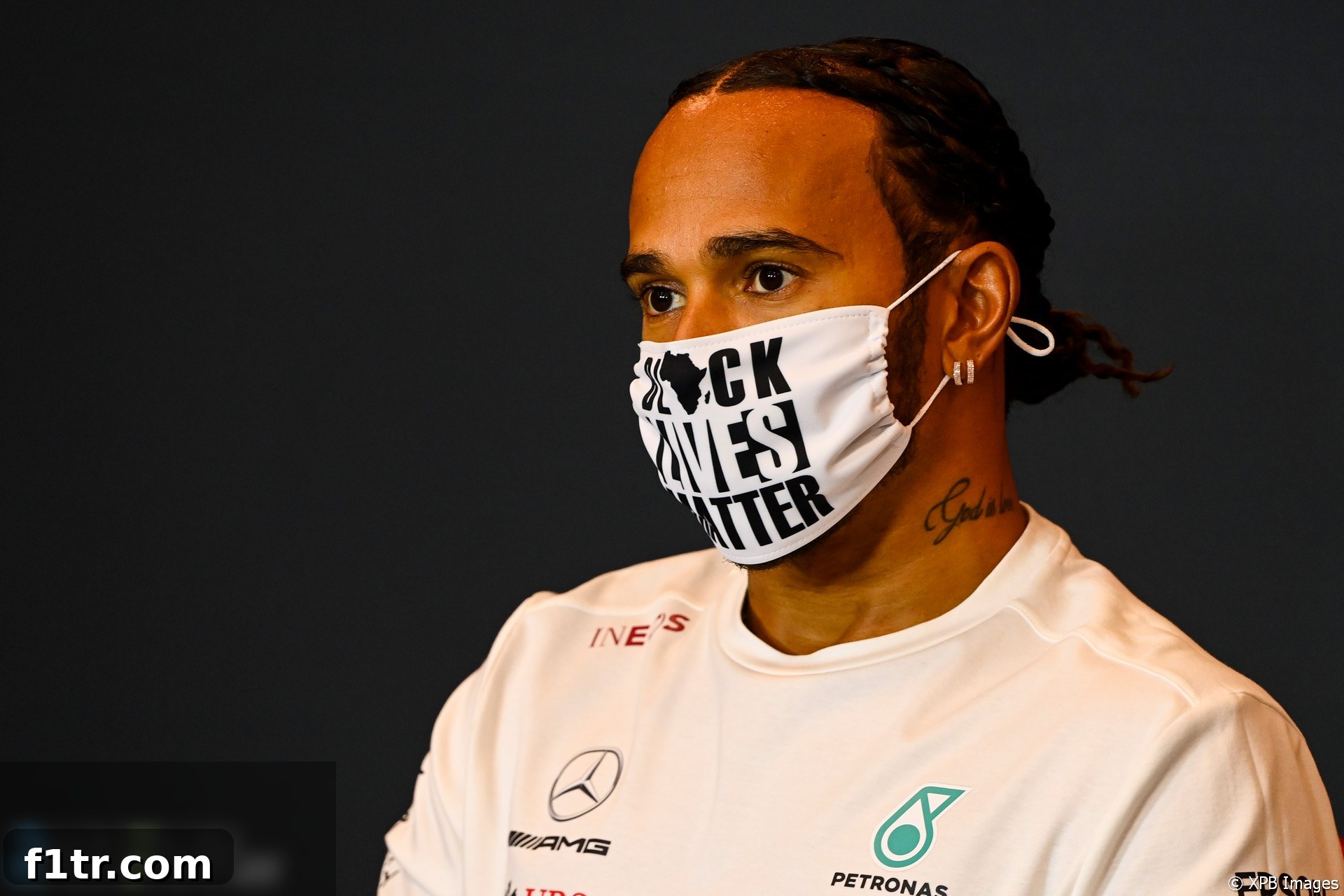
The exhilarating world of Formula 1, renowned for its cutting-edge technology, fierce competition, and astronomical figures, is once again at a crossroads. A topic that has recently ignited significant debate within the paddock and among fans alike is the potential introduction of a cap on driver salaries. Leading the charge in expressing driver concerns, seven-time world champion Lewis Hamilton has firmly stated that this crucial matter should be formally addressed by the Grand Prix Drivers Association (GPDA) directly with Formula 1 management.
Discussions surrounding the capping of F1 driver salaries were a prominent feature of a recent F1 Commission meeting. However, reports from various team principals following the Emilia-Romagna Grand Prix indicated that, while the idea had been floated, no concrete plans, definitive figures, or a firm timetable for implementation had been formally agreed upon. This ambiguity has left many in the sport, particularly the drivers, feeling sidelined from a decision that could profoundly impact their careers.
Lewis Hamilton, who at the time was on the cusp of clinching a record-equalling seventh world championship title, stands as Formula 1’s highest-paid driver. The proposed salary cap would restrict teams to spending a maximum of $30 million annually across both their drivers’ salaries. To put this into perspective, this figure is less than what Hamilton alone earns in a single season. Any expenditure exceeding this proposed cap would reportedly be deducted from the new overarching budget cap, which is scheduled to come into force from the next season onwards, further tightening the financial reins on teams.
The Mercedes driver candidly admitted his surprise upon hearing reports that a driver salary cap could be introduced as early as 2023. “I didn’t even know that that was being discussed,” he remarked, highlighting a perceived lack of communication with the sport’s key protagonists. “I think from the driver’s point of view it’s a surprise for us.” He further elaborated that while the concept of a salary cap had surfaced in the past, specifically mentioning an instance in France the previous year, drivers had been excluded from these more recent, pivotal discussions. “We obviously heard of the idea a while ago, I think it was last year in France, but it’s the first that we heard of it this week.”
The Imperative of Driver Representation and Dialogue
Hamilton strongly advocated for the inclusion of drivers in these critical discussions, identifying the GPDA as the natural representative body to champion their interests before Formula 1 Management. “It’s something that we think is important, that the GPDA work closely with Formula 1 to discuss and get into discussions of how they move forwards,” he stressed. This sentiment underscores a broader desire for greater transparency and collaborative decision-making within the sport, especially on matters directly affecting those who put their lives on the line every race weekend.
The timing of these discussions is particularly poignant for Hamilton himself. With less than two months remaining in the year, he had not yet formally agreed upon a contract to continue driving in Formula 1 for the upcoming season. While speculation was rife, Hamilton had hinted at the possibility of not continuing, publicly stating he was reconsidering his priorities both within and outside the demanding world of motorsport. However, his long-standing Mercedes team principal, Toto Wolff, expressed confidence and believed Hamilton was not yet ready to retire, signaling ongoing negotiations and a mutual desire to continue their record-breaking partnership.
Team Principals Weigh In: Sustaining Talent and Profitability
Toto Wolff, a prominent voice within the F1 paddock, articulated a nuanced perspective on the salary cap debate. He emphasized the dual responsibility of F1: ensuring teams maintain financial sustainability and attracting, as well as retaining, top-tier talent in their cars through competitive salaries. “I think the discussion around this topic is a very emotional thing,” Wolff stated, acknowledging the sensitive nature of the subject.
“Formula 1 teams, in order to be sustainable long term and attractive as sport franchises, need to show profitability, like any other company out there and I think we all need to achieve that,” Wolff explained, outlining the economic realities facing the sport. This drive for profitability and cost efficiency has been a major catalyst behind the introduction of the overall budget cap and is clearly influencing discussions around driver remuneration.
However, Wolff was quick to balance this perspective with the undeniable value of the drivers themselves. “On the other side, it’s clear that drivers, the ones that are in Formula 1, are the best in the world, should earn high salaries like all the other top stars in sport.” He argued that the unique nature of F1 places greater limitations on drivers compared to athletes in other global sports when it comes to securing independent brand partnerships and endorsement deals. This constraint makes their team salaries a far more significant component of their overall earnings, a factor that must be carefully considered when imposing caps.
“Those salaries are limited to what they are getting from the team, because the scope of promoting the brand, endorsement deals, et cetera, and their rights are very limited,” Wolff elaborated. This crucial distinction highlights why a direct comparison to salary caps in leagues like the NBA or NFL, where players often have vast opportunities for personal brand monetization, might be misleading. Wolff advocated for a collaborative approach: “That’s why it will be interesting to sit at a table with representatives of the drivers and the drivers themselves to see how can we align ourselves, long term, so that everybody’s benefiting from a growth in Formula 1 and, like American sports have done, without really harming future earnings for the drivers.”
The Broader Financial Landscape of Formula 1
The proposed driver salary cap is not an isolated initiative but rather a component of a larger strategy by Formula 1 to ensure financial stability, promote competitive balance, and secure the sport’s long-term future. The overarching budget cap, set at $145 million for 2021, aims to rein in excessive spending by top teams, theoretically allowing smaller teams to compete on a more level playing field. The driver salary cap is designed to prevent teams from simply reallocating funds to driver contracts once other spending avenues are curtailed.
This period of financial restructuring has seen numerous other rule changes and discussions. Alongside the driver salary cap, topics such as an engine freeze, designed to halt escalating development costs, and even a ban on the extensive use of wind tunnels were among the possible rules changes debated by the F1 Commission. These measures collectively underscore a concerted effort to create a more sustainable, equitable, and ultimately, more thrilling spectacle for fans.
The implications of a driver salary cap are far-reaching. While proponents argue it could prevent an arms race for top talent and ensure resources are spread more evenly, critics fear it could devalue the sport’s biggest stars, potentially driving them to other racing series or discouraging the next generation of talent. The challenge for Formula 1 management is to strike a delicate balance: fostering an environment where financial prudence is paramount without stifling the ambition and earning potential of the very individuals who define the sport’s appeal. Open dialogue, as advocated by Lewis Hamilton and Toto Wolff, remains the most viable path to navigating this complex financial terrain and safeguarding the future of Formula 1.
2020 F1 Season: Related Developments
- Grosjean to make F1 test return tomorrow for first time since Bahrain horror crash
- Pictures: Wrecked chassis from Grosjean’s Bahrain fireball crash to go on display
- Bottas vs Rosberg: Hamilton’s Mercedes team mates compared after 78 races each
- F1 revenues fell by $877 million in Covid-struck 2020 season
- Hamilton and Mercedes finally announce new deal for 2021 season
Browse all 2020 F1 season articles