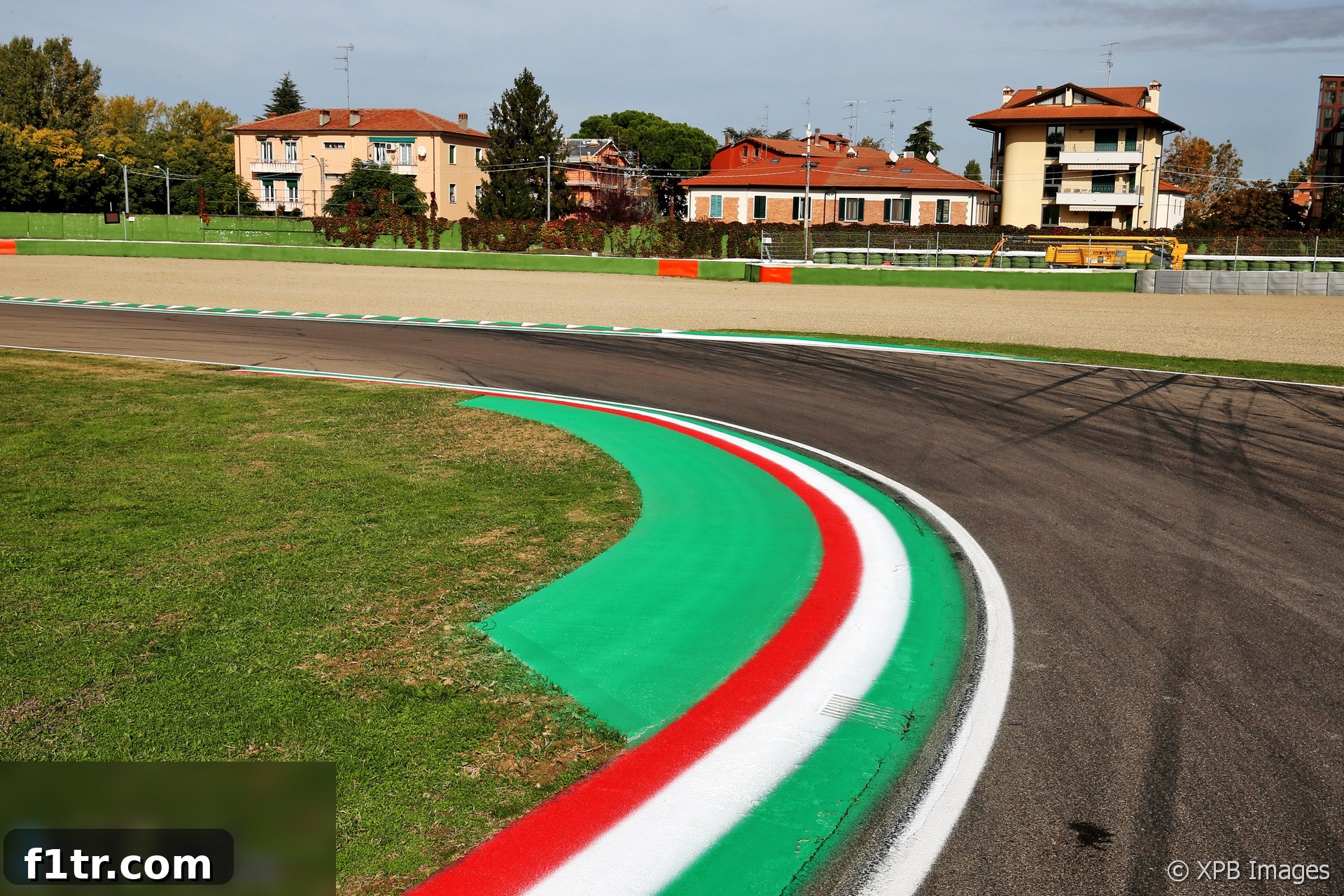
The hallowed grounds of the Autodromo Internazionale Enzo e Dino Ferrari, more famously known as Imola, once again resonated with the thrilling symphony of Formula 1 engines for the Emilia Romagna Grand Prix. This momentous return marked the end of a long 14-year hiatus, bringing the pinnacle of motorsport back to its picturesque parkland setting. For fans and teams alike, Imola’s comeback was more than just another race; it was a journey through time, rekindling memories of legendary battles, profound tragedy, and the enduring spirit of Formula 1.
Imola holds a unique and indelible place in the annals of Formula 1 history. Nestled near the Apennine mountains in the Emilia-Romagna region of Italy, it has long been celebrated for its challenging layout and its passionate tifosi. Though located in Italy, the circuit famously hosted the San Marino Grand Prix for many years, a testament to its distinct identity and its proximity to the independent republic of San Marino. Its challenging nature, with a blend of high-speed sections and intricate technical corners, demanded immense skill and bravery from drivers.
The circuit, which first hosted a non-championship F1 race in 1963 and became a regular fixture on the calendar in 1980 (initially as the Italian Grand Prix before becoming the San Marino Grand Prix in 1981), quickly earned a reputation as one of the sport’s most demanding venues. Legendary figures like Ayrton Senna, Alain Prost, and Michael Schumacher carved out some of their most memorable victories here, contributing to Imola’s rich tapestry of racing lore. The circuit’s fast, flowing character, set against a stunning backdrop, created a spectacle unlike any other.
A Legacy of Speed, Passion, and Unforgettable Moments
Before its temporary departure from the F1 calendar, Imola was synonymous with some of the most iconic moments in the sport. It was a track that separated the men from the boys, a true driver’s circuit where precision, courage, and strategic thinking were paramount. The infamous Tamburello curve, a blisteringly fast left-hand kink, became a symbol of the circuit’s raw speed and inherent danger, pushing the limits of both machinery and human endurance. The sequence of corners like Tosa, Acque Minerali, and Rivazza tested a car’s balance and a driver’s ability to maintain momentum through complex changes in elevation.
The atmosphere at Imola during a Grand Prix weekend was legendary. Italian fans, with their unwavering devotion to Ferrari and the sport as a whole, created an electrifying ambiance. The roar of the crowd, the sea of red flags, and the palpable tension in the air made Imola an essential stop for any F1 enthusiast. It wasn’t just a race; it was a festival, a celebration of speed and engineering prowess deeply embedded in Italian culture.
The Shadow of 1994: A Turning Point for F1 Safety
However, Imola’s story is also inextricably linked to one of Formula 1’s darkest weekends. The 1994 San Marino Grand Prix stands as a somber reminder of the sport’s inherent risks and served as a profound catalyst for change. Tragically, during that weekend, the lives of two talented drivers were lost: Roland Ratzenberger during Saturday qualifying and the legendary triple world champion Ayrton Senna during the race on Sunday. These devastating events sent shockwaves through the entire motorsport community, prompting an immediate and extensive re-evaluation of safety standards across Formula 1.
The aftermath of 1994 saw unprecedented changes implemented both at Imola and throughout the sport. The previously fearsome Tamburello curve was dramatically reconfigured into a slower, multi-apex chicane, designed to reduce speeds and increase runoff area. The Villeneuve corner, another high-speed section, also underwent modifications. These track alterations, alongside significant advancements in car design, crash structures, and driver safety equipment (like improved helmets and HANS devices), collectively transformed Formula 1 into the far safer sport it is today. The tributes to Senna and Ratzenberger at the circuit, including the poignant statue of Senna, continue to serve as powerful reminders of their legacy and the sacrifices made in the pursuit of speed.
Evolution of the Circuit and Its Return
Following the significant safety overhauls in 1995, and subsequent improvements, Imola continued to host the San Marino Grand Prix until 2006. The circuit’s character, while safer, remained a challenging and beloved fixture. Michael Schumacher, a driver synonymous with the Ferrari era of dominance, secured his final victory at Imola in 2006, further cementing his legendary status at a track where he had enjoyed immense success. His battles with Fernando Alonso in the mid-2000s at Imola are particularly etched in the memories of F1 fans, showcasing the circuit’s ability to produce thrilling wheel-to-wheel action.
After 2006, Formula 1 moved away from Imola, as the sport sought new horizons and circuits with more modern facilities and commercial appeal. The absence was deeply felt by many who cherished the circuit’s history and unique charm. During its hiatus from F1, the Autodromo Internazionale Enzo e Dino Ferrari continued to host various national and international racing series, maintaining its status as a premier motorsport venue. Significant upgrades were also undertaken to modernize its pit and paddock facilities, ensuring it remained a cutting-edge racing destination.
The return in 2020 for the Emilia Romagna Grand Prix was largely a consequence of the global pandemic, which forced a dramatic restructuring of the F1 calendar. With many traditional races cancelled, Imola, with its updated infrastructure and rich history, became a natural and welcomed choice to fill a slot. The designation as the “Emilia Romagna Grand Prix” highlighted its location within the Italian region, marking a fresh chapter for the circuit on the world stage. This unexpected comeback was met with overwhelming enthusiasm, offering a nostalgic embrace for long-time fans and an exciting new discovery for a younger generation.
Imola Today: A Blend of History and Modern Challenge
The modern Imola circuit, while retaining its parkland charm and fundamental layout, presents a unique challenge to contemporary Formula 1 machinery and drivers. The track length is 4.909 km (3.050 miles), featuring 19 turns that blend historical significance with the demands of modern racing. The current configuration is still demanding, requiring a high level of precision and commitment. The absence of extensive runoff areas in some sections, due to its historic nature and parkland setting, means that mistakes are often punished severely, adding to the drama and excitement.
Key sections of the track that continue to capture the imagination include:
- Tamburello Chicane: Once a flat-out corner, now a challenging left-right-left chicane that requires precise braking and corner entry. It’s a constant reminder of the past and a test of modern car dynamics.
- Villeneuve Chicane: Another section redesigned for safety, this right-left chicane still demands excellent car control and a strong exit onto the subsequent straight.
- Tosa: A tight left-hander after a downhill run from Tamburello, often a key overtaking spot, requiring a late apex and strong traction.
- Piratella: A fast, sweeping left-hand bend that leads into a rapid downhill section.
- Acque Minerali: A complex sequence of two right-hand corners, offering another potential overtaking zone and requiring a delicate balance of speed and grip. The climb out of Acque Minerali is particularly iconic, showcasing the circuit’s elevation changes.
- Rivazza: The penultimate corner complex, two challenging left-handers that lead onto the main start-finish straight. Getting these right is crucial for a good lap time.
The return of Formula 1 to Imola underscores the timeless appeal of classic circuits. It offers a tangible link to the sport’s rich past while providing a thrilling contemporary racing experience. The combination of its demanding layout, its historical resonance, and the passion of its fans ensures that Imola will continue to hold a special place in the hearts of motorsport enthusiasts for years to come.
F1 pictures
- 2026 Japanese Grand Prix in pictures
- 2026 Japanese Grand Prix qualifying day in pictures
- 2026 Japanese Grand Prix practice in pictures
- 2026 Chinese Grand Prix in pictures
- 2026 Chinese Grand Prix qualifying and sprint race day in pictures
View more F1 pictures