Welcome to our comprehensive motorsport round-up, bringing you the crucial developments and latest news from across the racing world. This week, we focus heavily on the upcoming Imola Grand Prix, where teams like Alpine are set to introduce pivotal upgrades. We’ll delve into driver perspectives, significant industry initiatives, and a broader look at the challenges and triumphs shaping the sport. From strategic technical improvements to groundbreaking diversity efforts, this update covers all the essential talking points.
Alpine’s Strategic Push for Performance at Imola
Advert | Become a Supporter & go ad-free
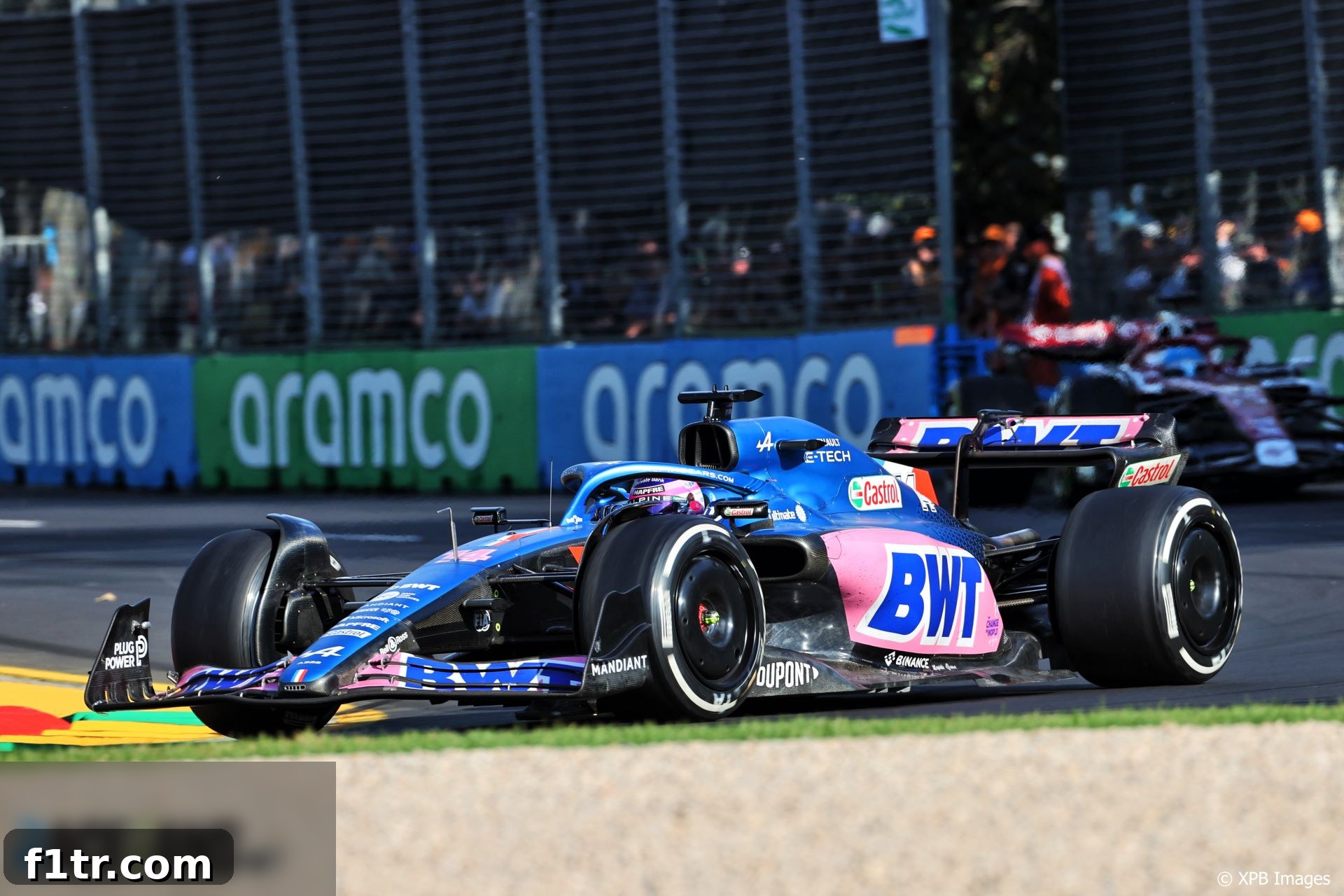
Alpine F1 is set to introduce critical development parts at the upcoming Imola Grand Prix, with a strong focus on enhancing their race pace. The team’s chief technical officer, Pat Fry, emphasized the urgent need to elevate their Sunday performance to match their competitive qualifying form. This strategic move is vital as the team aims to consistently convert their strong grid positions into significant championship points.
Bridging the Gap: Qualifying Prowess vs. Race Pace Challenges
Alpine has demonstrated commendable qualifying speed, regularly placing both cars into Q3, the final segment of qualifying. As Fry noted, “Clearly our qualifying performance is relatively competitive since we’ve had both cars regularly in Q3. Had we got things right in Melbourne, we could have been as high as the second row.” This suggests the A522 chassis possesses inherent speed over a single lap, capable of challenging the front-runners under optimal conditions.
However, the transition from blistering qualifying laps to sustained race performance presents a distinct challenge. Balancing a car’s setup for maximum low-fuel, peak-performance qualifying pace versus a high-fuel, tire-preserving race setup is a perennial dilemma in Formula 1. Teams must find a delicate compromise that allows drivers to extract performance without excessively degrading tires or compromising long-run stability. Alpine’s current objective is to fine-tune this balance, ensuring the car remains “comfortable… on low and high fuel” throughout a Grand Prix distance.
Introducing the New Floor Upgrade and Weight-Saving Initiatives
For the fourth race of the season at Imola, Alpine will roll out a significant upgrade package, highlighted by a new floor design for their A522 chassis. In the current ground-effect era of Formula 1, the floor is arguably the most critical aerodynamic component, responsible for generating a substantial portion of the car’s downforce. A well-designed floor can unlock significant performance gains, improving grip, stability, and overall lap time. This upgrade represents a “step in the right direction” for the team, indicating their continuous development efforts.
Beyond aerodynamics, Alpine is also aggressively pursuing weight-saving initiatives. With teams constantly battling to meet or exceed the minimum weight regulations, shedding even a few kilograms can yield tangible performance benefits, impacting acceleration, tire wear, and agility. These weight-saving items, coupled with the new floor, are part of a broader strategy to enhance the A522’s overall competitiveness.
The Imola weekend, being a sprint race format, offers a unique challenge and opportunity for testing new components. With only a single hour of practice before qualifying, teams have limited time to gather data and validate upgrades. Despite this constraint, Alpine is committed to testing the new floor, eager to “see how that fares in the sole Friday practice session” and assess its on-track performance immediately. This proactive approach underscores Alpine’s determination to climb the constructor standings and challenge for podium finishes.
Yuki Tsunoda’s Evolving Confidence in F1 Sprint Weekends
Yuki Tsunoda, entering his second season as a Formula 1 driver, expresses markedly increased confidence in tackling the demanding sprint qualifying weekends. His growth and adaptation highlight the steep learning curve faced by young drivers in the pinnacle of motorsport.
Overcoming Rookie Hurdles: The Sprint Race Learning Curve
The sprint qualifying format, introduced to Formula 1 in recent years, significantly alters the traditional Grand Prix weekend structure. It reduces free practice sessions to just one, followed immediately by qualifying for Sunday’s main race. A shorter sprint race is then held on Saturday, which sets the grid for the main event and awards points. For rookie drivers, this compressed schedule presents immense challenges, offering minimal track time to familiarize themselves with the circuit, understand tire behavior, and dial in car setups. Tsunoda openly admitted, “Last year, I was worried about the sprint qualifying with only having one practice session before qualifying.” This sentiment is common among newcomers, as they grapple with the high-pressure environment and limited preparation.
Home Advantage and Strategic Approach at Imola
Now in his second year, Tsunoda feels far more prepared. A key factor contributing to his newfound confidence for Imola is his intimate knowledge of the circuit. “Imola is a track I know well as I have driven a lot of laps there,” he stated. This familiarity provides a distinct advantage, allowing him to quickly get up to speed and focus on fine-tuning rather than learning the track layout. Furthermore, his experience from the previous season has equipped him with a better understanding of “how to approach the sprint weekends.” This strategic insight includes optimizing practice time, making efficient setup decisions, and managing expectations for both the sprint and main races. His renewed self-belief fuels his optimism, as he hopes “it will end in points for us,” signaling AlphaTauri’s ambition for a strong showing.
Sebastian Vettel Embraces Imola’s Ground Effect Revival
Four-time world champion Sebastian Vettel finds particular joy in driving Formula 1’s new ground effect era cars, especially on circuits like Imola. For Vettel, who possesses a deep appreciation for the sport’s rich history, this modern iteration of ground effect technology feels like a compelling “eighties throwback,” blending historical reverence with contemporary engineering.
The Allure of Ground Effect: Connecting Past and Present
The return of ground effect aerodynamics to Formula 1 for the 2022 season marked a significant shift in car design. Unlike previous eras that relied heavily on complex front and rear wings for downforce, ground effect cars generate a substantial amount of their aerodynamic grip from carefully sculpted underfloors that create a low-pressure area, essentially sucking the car to the track. This concept was prominent in F1 during the late 1970s and early 1980s before it was largely banned due to safety concerns and its unpredictable nature.
For a driver like Vettel, who has often expressed nostalgia for F1’s golden eras, driving these ground effect machines is a unique experience. He sees a direct link to a period when raw mechanical grip and intricate aerodynamic principles dictated performance, echoing the spirit of legendary drivers and constructors. This connection to the past, combined with the cutting-edge technology of today, is what makes it “really something special, and a bit of a throwback to the 1980s, which is cool.”
Imola: A Circuit Steeped in History and Challenge
Vettel’s appreciation is amplified by the choice of circuit. Imola, officially the Autodromo Internazionale Enzo e Dino Ferrari, is a classic European track renowned for its challenging layout, narrow confines, and rich, albeit sometimes tragic, history. It demands precision, bravery, and absolute commitment from drivers, making it a true benchmark for both man and machine. “Imola is a real test of driver and machine, and that’s what every F1 circuit should be,” the Aston Martin driver asserted. Its high-speed sections, technical corners, and undulating nature test every aspect of a modern Formula 1 car and the skill of its pilot.
The combination of ground effect cars and a historic, challenging circuit like Imola creates a thrilling spectacle. It’s a blend that appeals to purists and offers a visceral experience reminiscent of a bygone era, while simultaneously showcasing the pinnacle of modern motorsport engineering. This unique synergy is undoubtedly a highlight for drivers and fans alike, forging a powerful link between F1’s storied past and its dynamic present.
Empowering the Future: Launch of Women in Motorsport North America
A groundbreaking initiative, Women in Motorsport North America (WIMNA), has been officially launched by prominent figures Beth Paretta and Lyn St James. This organization is set to become a vital resource for women aspiring to or already working within the motorsport industry, providing essential information, mentorship, and career guidance across all capacities.
A Unified Vision for Diversity and Opportunity
Beth Paretta, widely recognized for her leadership as a former Le Mans Dodge Viper project leader and current owner of the IndyCar team Paretta Autosport, joins forces with Lyn St James, an accomplished former IndyCar driver and a trailblazer for women in racing. Their combined experience and dedication underscore the serious commitment behind WIMNA. The initiative’s primary goal is to act as a centralized hub, offering support for any woman seeking to navigate or advance her career in motorsport.
Paretta highlighted the strength of WIMNA’s foundation, stating, “We are proud to have such a strong, varied working group of professional women and men who have helped shape our purpose and strategy. Our strength is in our members and the breadth of their perspectives across many disciplines including engineers, drivers, team management, PR, marketing, track operations, sponsor relations, and event promotions.” This inclusive approach ensures that WIMNA addresses the multifaceted nature of motorsport careers, drawing on a wide array of expertise to provide comprehensive support.
WIMNA’s Mission: Mentorship, Training, and Talent Pipeline
The core mission of WIMNA is to actively increase opportunities for women within motorsport. Paretta articulated this vision, continuing, “As we strive to increase opportunities for women to work in motorsports, WIMNA will be a resource for people considering or advancing their careers.” This focus extends beyond mere encouragement, aiming to provide tangible pathways for professional growth.
The organization plans to achieve its objectives through several key areas:
- Information Provision: Offering detailed insights into various motorsport roles and career paths.
- Mentorship Programs: Connecting aspiring professionals with experienced individuals for guidance and advice.
- Training and Development: Identifying skill gaps and facilitating access to relevant training.
- Talent Support: Actively identifying and supporting new talent to foster a robust “pipeline of future experts” in the sport.
WIMNA’s launch signifies a pivotal moment for gender equality and diversity in motorsport across North America. By unifying efforts and creating a structured support system, the organization aims to break down barriers, empower women, and ultimately enrich the entire motorsport community with diverse perspectives and talents. This commitment to fostering a more inclusive environment promises to bring fresh ideas and new levels of excellence to the sport.
Advert | Become a RaceFans supporter andgo ad-free
Beyond the Track: Motorsport’s Vibrant Social Media Pulse
Social media platforms serve as dynamic hubs for real-time updates, behind-the-scenes glimpses, and direct engagement with teams, drivers, and fans. Here’s a snapshot of notable posts from Twitter and Instagram, capturing the excitement across various racing series:
Capturing Moments: IndyCar’s Buzz and Driver Updates
🟢🟢🟢 for the installation run and @lundgaardoff’s first time on the @IMS oval.
🏎 @DigitalAllyInc @_PeopleReady #isitMayyet | @IndyCar pic.twitter.com/NrByzrm7d6
— Rahal Letterman Lanigan Racing (@RLLracing) April 20, 2022
Rahal Letterman Lanigan Racing shared an exciting update on Christian Lundgaard’s first installation run on the iconic Indianapolis Motor Speedway oval. This moment is particularly significant for drivers new to oval racing, marking an important step in their preparation for the IndyCar season. The hashtag #isitMayyet perfectly encapsulates the anticipation building around the legendary Indy 500.
Eyes forward. @TonyKanaan is back behind the wheel where he belongs.
The 2013 #Indy500 champ will be in the No. 1 #BeTheOne @AmericanLegion livery for the 106th Running of the Indianapolis 500 pres. by @GainbridgeLife.#INDYCAR // @CGRTeams pic.twitter.com/M9VlQf1zaI
— NTT INDYCAR SERIES (@IndyCar) April 20, 2022
The NTT IndyCar Series officially announced the return of 2013 Indy 500 champion Tony Kanaan, who will once again compete in the prestigious event. Kanaan, a fan favorite, will pilot the No. 1 American Legion livery, driving for Chip Ganassi Racing. Such announcements generate immense excitement among fans, solidifying the buzz leading up to one of motorsport’s greatest spectacles.
Engaging the Community: From Tweets to Directories
- For those looking to deepen their engagement with Formula 1, our F1 Twitter Directory provides a curated list of official accounts, ensuring fans can stay connected with every facet of the sport. Social media continues to be an indispensable tool for teams, drivers, and enthusiasts worldwide, offering unprecedented access and fostering a global community.
Essential Motorsport Links: Diving Deeper into Key Headlines
Here’s a curated selection of significant news and developments from across the motorsport landscape, providing deeper insights into current events and industry trends:
Legal Battles and Environmental Concerns: Miami F1 and Indy 500
Miami-Dade judge won’t block upcoming Formula One race at Hard Rock Stadium (Miami Herald)
A Miami-Dade judge has ruled against local residents seeking to block the inaugural Formula 1 Miami Grand Prix, despite concerns over noise levels. The ruling stated that any potential harm to residents, such as noise disturbance, could be mitigated (e.g., by wearing earplugs or staying indoors) and deemed the presented evidence on noise levels “highly speculative.” This decision paves the way for the highly anticipated race but highlights the ongoing tension between large-scale sporting events and local community impact, a common challenge for urban circuits worldwide.
IMS: Indy 500 balloon release paused ‘indefinitely’ (Fox 59)
The iconic Indianapolis 500 balloon release, a long-standing tradition at the event, has been paused indefinitely. The decision, confirmed by IMS president Doug Boles and representative Alex Damron, reflects a growing environmental consciousness within motorsport. Balloon releases, while visually spectacular, contribute to plastic pollution and pose risks to wildlife. This move aligns with broader efforts across various sports and industries to adopt more sustainable practices and reduce environmental impact.
Driver Futures and Technical Developments: O’Ward, Indy Lights, and Aston Martin
McLaren planning for a future that includes Pato O’Ward (AP)
McLaren is actively planning for a future that includes its talented IndyCar driver, Pato O’Ward. Despite McLaren’s efforts to secure O’Ward with a reworked deal, the driver has yet to accept, signaling a desire for a more favorable contract and potentially a path to Formula 1. O’Ward, who turns 23 next month, reportedly declined an identical F1 testing contract to the one signed by Colton Herta, indicating his ambition for a significant pay raise that aligns him with top IndyCar drivers and a clearer trajectory towards an F1 seat. This situation underscores the complex world of driver contracts and the intense competition for coveted F1 opportunities.
Private test points to potential new Indy Lights tyre (Racer)
A recent private test at the 1.25-mile World Wide Technology Raceway oval in Madison, Illinois, strongly suggests a potential new tire supplier for the Indy Lights series. The Roger Penske-owned series sampled tires manufactured by Firestone, its partner in the IndyCar series. This development could indicate a move towards greater synergy between Indy Lights and IndyCar regarding tire suppliers, potentially aiding driver progression and familiarity with Firestone’s compounds earlier in their careers. Tire development is a crucial aspect of motorsport, impacting performance, strategy, and safety across all categories.
Aston Martin F1 Team New Factory Update (Aston Martin via YouTube)
Aston Martin F1 Team has released an update on their impressive new factory build. This significant investment signifies the team’s long-term commitment to Formula 1 and its ambition to compete at the very top. A state-of-the-art facility is crucial for modern F1 teams, housing advanced manufacturing capabilities, research and development departments, and cutting-edge simulators. This factory update offers a glimpse into “The Next Step” for Aston Martin, illustrating their dedication to becoming a front-running constructor.
Remembering Legends: A Tribute to Marcel Albers
Remembering Marcel Albers, the Netherlands’ lost champion (Formula Scout)
Thirty years ago, motorsport tragically lost Marcel Albers, a young Dutch driver on the cusp of significant success. Albers, then 24 and driving for Alan Docking Racing (ADR), was a formidable talent in the 1992 British Formula 3 season. He was trailing title rival Gil de Ferran by just four points, having taken a win apiece in the first two races. His promising career was cut short, serving as a poignant reminder of the inherent dangers and immense talent that can be lost in the high-stakes world of racing. Remembering figures like Albers honors their legacy and contributes to the collective memory of motorsport’s heroes, both celebrated and unsung.
We always endeavour to credit original sources. If you have a tip for a link relating to single-seater motorsport to feature in the next RaceFans round-up please send it in via the contact form.
Advert | Become a RaceFans supporter andgo ad-free
Community Spotlight: Reflecting on Motorsport’s Impact
Our “Comment of the Day” section provides a platform for readers to share their insights, memories, and perspectives on the world of motorsport. Today, Ozzmosis offers a poignant reflection on the human cost of racing and a vivid personal account of attending a Grand Prix.
Honoring the Unsung Heroes: Marshal Safety in Motorsport
Often overlooked is the death of a number of F1 marshals in modern times. The 2000 Italian, 2001 Australian and 2013 Canadian grands prix all overshadowed by marshal fatalities.
The article echoes my memory of attending my first grand prix in Melbourne in 1996 – sort of. I was too young to buy a ticket but travelled to the Albert Park circuit by train on race day, riding my mountain bike around the circuit perimeter during the race. I was able to catch a glimpse of the cars from the run-off at the northern end of Lakeside Drive. The sound was incredible, and the speed hard to believe. Though compared to modern F1 cars, the 1996 cars were slow!
I had no idea who won the race until I got home.
Ozzmosis
Ozzmosis rightly highlights the solemn truth that the ultimate sacrifice in motorsport is not solely made by drivers. The dedication and bravery of marshals, who volunteer their time to ensure driver safety and manage incidents trackside, often go unacknowledged in the public consciousness, especially when fatal accidents occur. Recalling marshal fatalities at the 2000 Italian, 2001 Australian, and 2013 Canadian Grands Prix serves as a powerful reminder of the inherent dangers faced by all personnel involved in racing. Their selfless commitment is fundamental to the sport’s operation, and their safety must always be paramount.
A Personal Journey: The Enduring Magic of a First Grand Prix
The second part of Ozzmosis’s comment offers a beautiful, relatable account of a first Grand Prix experience. The imagery of a young fan, unable to afford a ticket, ingeniously finding a way to witness the spectacle from the circuit perimeter perfectly captures the raw passion motorsport evokes. His memory of riding a mountain bike around Albert Park, catching glimpses of the cars from the run-off, and being overwhelmed by the “incredible” sound and “hard to believe” speed, speaks to the visceral impact of Formula 1. It’s a testament to how deeply the sport can resonate, even from a distance.
His observation that the 1996 cars felt incredibly fast at the time, but now seem “slow” compared to modern F1 machines, underscores the relentless evolution of engineering and performance in the sport. It’s a fascinating perspective on how our perception of speed and technology changes over time. Ultimately, this comment reminds us that beyond the statistics and technicalities, motorsport creates profound, lasting memories and fosters a deep connection with its global fanbase, regardless of how one experiences it.
Celebrating Motorsport Milestones
Happy Birthday to Our Motorsport Community Members!
A very happy birthday to Vincent, The Kef, Cyberaxiom, and Dylan Mota! We hope you have a fantastic day filled with celebration and all things motorsport.
On This Day in Motorsport History
- Ten Years Ago: Sebastian Vettel Dominates Bahrain Qualifying
- On this day a decade ago, Sebastian Vettel asserted his dominance by securing pole position for the Bahrain Grand Prix. This pole was a crucial moment in his illustrious career and highlighted his formidable pace with Red Bull Racing. Vettel, then a reigning champion, went on to achieve significant success, and this particular qualifying performance exemplified his ability to extract maximum speed from his machinery. Such historical markers remind us of the incredible talent and enduring legacy of Formula 1’s champions.