Formula 1’s Evolving Landscape: Key Decisions on Sprints, Regulations, and Sustainability
Formula 1 is charting a dynamic course for its future, with a series of significant agreements and ongoing discussions shaping the sport’s competitive and technical landscape. At a recent F1 Commission meeting in London, teams overwhelmingly supported doubling the number of sprint races for the upcoming season, while the sport’s governing body, the FIA, continues to assess the operational implications of such an expansion. Beyond immediate calendar changes, the meeting also delved into the long-term vision for Formula 1, including the crucial power unit regulations for 2026, critical sustainability initiatives, and adjustments to improve both fan experience and operational efficiency.
The Future of Sprint Races: Doubling Down on a Divisive Format
The concept of Formula 1 sprint races, first introduced as an experimental format, appears set for a significant expansion. F1 teams have reached a consensus to increase the number of sprint events from three to six on the 2023 calendar. This move reflects a strong desire from the teams and commercial rights holder to enhance the racing spectacle and provide more competitive action throughout a Grand Prix weekend.
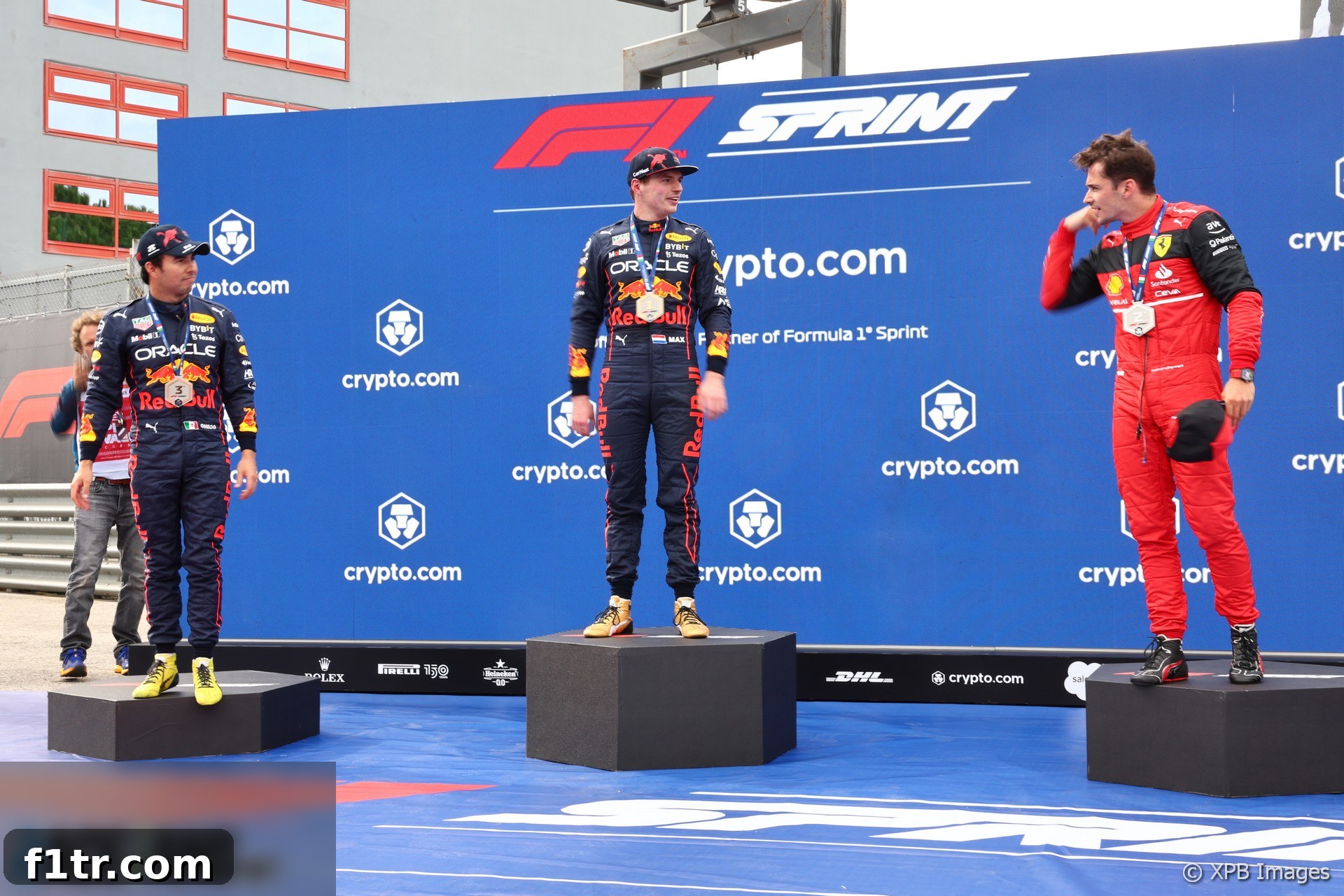
The sprint format, which modifies the traditional weekend structure by holding a shorter race on Saturday to determine the grid for Sunday’s main Grand Prix, was trialled at three rounds in 2021. Following its initial reception, it was scheduled for three more events in the 2022 season, with the first of these taking place recently at Imola. The proposal to expand to six sprints for 2023 indicates a growing confidence in the format’s ability to engage fans and add an extra layer of strategic complexity to the championship battle. The agreement specifies that the expanded sprint schedule will run with the same format as in 2022, where Friday’s qualifying session sets the grid for Saturday’s sprint race, and the sprint race result then determines the starting order for Sunday’s Grand Prix. Crucially, points are awarded for the top finishers in the sprint, adding extra incentive for drivers and teams.
However, while Formula 1 and its participating teams are clearly aligned on the commercial and sporting benefits of more sprint races, the FIA, as the sport’s regulatory body, is exercising caution. The FIA stated, “While supporting the principle of an increased number of sprint events, the FIA is still evaluating the impact of this proposal on its trackside operations and personnel, and will provide its feedback to the Commission.” This evaluation is vital, as doubling the sprint calendar places significant additional demands on trackside marshals, medical staff, safety car personnel, and other operational teams. Ensuring sufficient staffing, resources, and safety protocols for an increased number of high-intensity racing sessions is a complex logistical challenge that the FIA takes very seriously. Their feedback will be crucial in finalizing the 2023 calendar and ensuring the safety and operational integrity of every event.
The journey to this agreement hasn’t been without its hurdles. F1 had initially hoped to expand to six sprint events in 2022, but this proposal faced significant resistance from some teams, primarily on cost grounds. The financial implications of potentially more car damage, increased component wear, and the general operational overhead associated with extra competitive sessions were a major concern, particularly under the newly introduced budget cap. The current agreement for 2023 suggests that a resolution to these cost concerns, perhaps through adjustments to the budget cap or specific allowances for sprint-related expenses, has been found or is actively being pursued.
Paving the Way for 2026: New Power Unit Regulations Take Shape
Beyond the immediate calendar adjustments, the F1 Commission also dedicated significant discussion to the long-term future of the sport, particularly focusing on the next generation of power unit regulations set for introduction in 2026. This overhaul is designed to align Formula 1 with global automotive trends, promote sustainability, attract new manufacturers, and enhance the racing spectacle.
A key talking point was the anticipated “knock-on effect” of a potential reduction in power output from these new units. While the exact details are still being finalized, the emphasis on greater electrical power and the use of sustainable fuels might lead to a different performance profile. To counteract any potential decrease in overall speed or performance, discussions centered on ensuring that the accompanying chassis regulations lead to a significant reduction in aerodynamic drag. This integrated approach means that the power unit and chassis rules will work in tandem to maintain or even improve lap times, ensuring the cars remain the pinnacle of motorsport engineering.
The FIA has outlined six preliminary, ambitious targets for these transformative 2026 regulations:
- Significantly Reducing Drag: This aims to improve fuel efficiency and, crucially, facilitate closer racing by reducing the impact of “dirty air” behind cars, making overtakes more feasible and exciting.
- Further Improving How Closely Cars Can Follow Each Other: A perennial goal for Formula 1, this involves meticulous aerodynamic design to minimize disruptive turbulence for trailing cars, promoting wheel-to-wheel action.
- Reducing the Physical Dimensions of the Cars: Current F1 cars are among the largest and heaviest in history. A reduction in size could improve agility on tighter tracks and address concerns about track suitability and driver visibility.
- Cutting or Maintaining Current Weight Levels: Linked to the dimensions, managing weight is critical for performance, safety, and energy efficiency. The challenge lies in reducing overall weight while incorporating complex hybrid systems and enhanced safety features.
- Increasing the Use of Standardized and Sustainable Components: This objective targets both cost control and environmental responsibility. By standardizing certain parts and increasing the use of sustainably sourced materials, F1 aims to reduce overall costs for teams and minimize its ecological footprint.
- Further Improving Car Safety: An unwavering commitment in Formula 1, ongoing advancements in chassis design, impact protection, and driver safety systems remain a top priority for future regulations.
These targets underscore F1’s commitment to innovation, sustainability, and maintaining its position as the ultimate motorsport challenge while evolving to meet modern environmental and economic realities. The 2026 regulations are not just about new engines; they represent a holistic vision for the future of the sport.
Enhancing the Spectacle: Mandatory Helmet Cameras
In a move set to further immerse fans in the heart of the action, the F1 Commission confirmed that the recently introduced specification of helmet cameras will become mandatory for all drivers from the 2023 season. These miniature, high-definition cameras, seamlessly integrated into the drivers’ helmets, offer a unique, first-person perspective of the racing experience. Since their trial introduction, they have proven immensely popular, providing breathtaking views of overtakes, strategic maneuvers, and the sheer G-force experienced by the drivers.
Making them mandatory ensures a consistent and thrilling fan experience across the grid. This decision highlights Formula 1’s ongoing efforts to leverage technology not just for performance, but also for enhancing viewer engagement and bringing the audience closer to the raw emotion and skill involved in Grand Prix racing.
Towards a Sustainable Future: Tyre Allocation Trial
Another significant change confirmed for the near future is a trial reduction in drivers’ tyre allocations. From a standard 13 sets of tyres per weekend, drivers will now receive 11 sets, commencing with a trial period. The FIA explicitly stated the rationale behind this decision: “to evaluate the impact of the reduction in tyre allocation on track-running, with the overall intention to move to more sustainable use of tyres in the future.”
This reduction has multi-faceted implications. For teams and drivers, it will necessitate a more cautious and strategic approach to practice sessions, potentially limiting unnecessary running and placing greater emphasis on extracting performance quickly. Tyre management, already a critical aspect of F1 strategy, will become even more crucial throughout the weekend. From a sustainability standpoint, fewer tyres mean reduced manufacturing, transport emissions, and waste, aligning with Formula 1’s broader environmental goals. This trial is a proactive step towards a more eco-conscious sport, exploring how operational changes can contribute to a greener future without compromising the competitive essence of F1.
Navigating Economic Headwinds: Inflation and the Budget Cap
The F1 Commission also grappled with the pressing issue of rising global inflation and its tangible impact on teams operating under a stringent budget cap. For the 2022 season, teams are bound to a budget cap of $140 million (approximately £111 million), with a few specific exceptions. This cap was introduced to create a more level playing field, curb excessive spending, and ensure the long-term financial viability of all teams on the grid.
However, unexpected inflationary pressures have significantly increased the cost of components, logistics, energy, and personnel, making it increasingly challenging for teams to stay within the prescribed financial limits. The financial working group within Formula 1 is actively tasked with producing proposals on how to alleviate the pressure created by these economic conditions. Potential solutions could include adjustments to the cap’s indexing, specific allowances for unforeseen inflationary costs, or other mechanisms designed to provide relief without undermining the core principle of cost control. This ongoing dialogue underscores the delicate balance between financial prudence and operational realities in a highly competitive, global sport.
The Unresolved Calendar Slot: Russian Grand Prix Replacement
Finally, a pressing calendar matter remains unresolved. No decision has yet been communicated regarding how Formula 1 intends to address the loss of the Russian Grand Prix. The race was originally scheduled to take place on September 25th but was cancelled following Russia’s invasion of Ukraine in February. This cancellation left a significant gap in the 2022 calendar, potentially reducing the season to 22 races instead of the planned 23.
Finding a suitable replacement race is a complex task, requiring consideration of logistics, commercial agreements, and track availability within an already packed schedule. The F1 hierarchy will need to decide whether to reintroduce another European venue, perhaps one that has hosted races recently, or explore other options to maintain a full 23-race calendar. The situation reflects the broader geopolitical context impacting global sports events and highlights the continuous challenge of managing Formula 1’s expansive international calendar.
As Formula 1 progresses through this era of significant change, these decisions from the F1 Commission underscore a proactive approach to refining the sport for its global audience, addressing critical environmental concerns, and ensuring its long-term viability and competitive integrity. The discussions pave the way for an exciting and dynamically evolving future for Grand Prix racing.
Related F1 News & Updates
- Mercedes told me “you’re wrong” about 2022 car’s problems – Hamilton
- FIA confirms all 10 F1 teams complied with 2022 cost cap
- Steiner “not ashamed” of panning “slow” Schumacher in Drive to Survive
- Albon believes year out of F1 improved him as a driver
- Hamilton sees diversity gains in F1 years on from his ‘traumatising’ experience of racism
Browse all 2022 F1 season articles