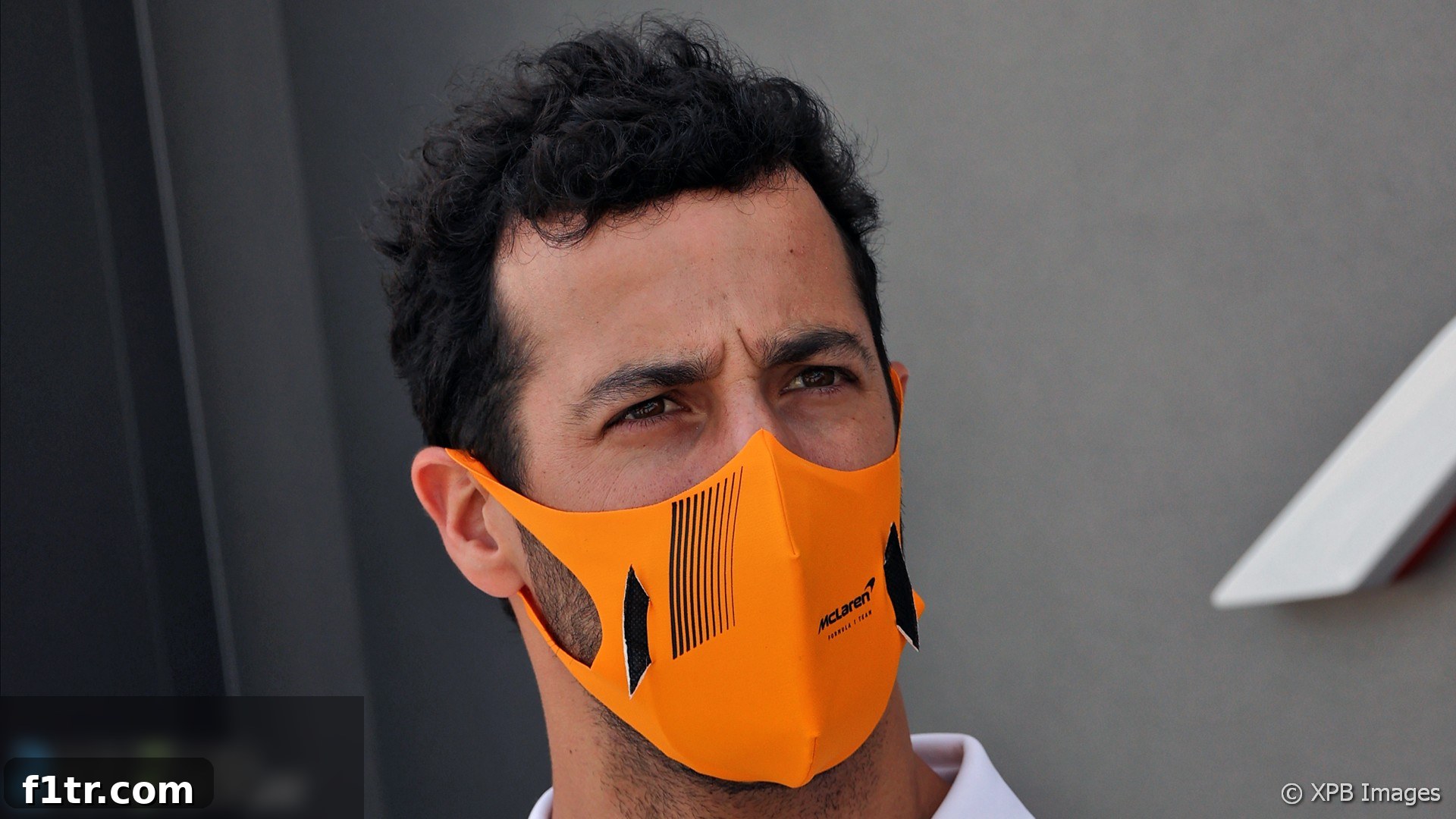
Daniel Ricciardo Renews Criticism of F1’s Crash Footage Obsession and Drive to Survive’s Dramatization
Formula 1, a sport synonymous with speed, skill, and high-octane drama, has witnessed an unprecedented surge in global popularity in recent years. This growth, significantly bolstered by innovative broadcasting and strategic social media engagement, also brings heightened scrutiny. Amidst this evolving landscape, McLaren driver Daniel Ricciardo has once again voiced strong criticisms regarding the championship’s content strategy, specifically its perceived overemphasis on crash footage and the dramatization of rivalries in the popular Netflix series, Drive to Survive.
Ricciardo’s candid remarks underscore an ongoing debate within the sport about balancing raw entertainment with responsible storytelling. His concerns highlight a tension between attracting new audiences through sensationalism and maintaining the integrity and respect inherent to top-tier motorsport.
The Perilous Pursuit of Virality: F1’s Social Media Strategy Under Fire
The Australian driver’s most pointed critiques target Formula 1’s official social media channels. His discontent first came to public attention following the harrowing crash involving Romain Grosjean at the 2020 Bahrain Grand Prix. The incident, where Grosjean’s car pierced a barrier and erupted in flames, was undoubtedly shocking. While initial replays were crucial for understanding the accident and reassuring viewers of Grosjean’s miraculous escape, Ricciardo was “disgusted and disappointed” by the championship’s decision to repeatedly broadcast replays of the fiery impact.
The Grosjean Incident: A Catalyst for Concern
The terrifying scenes from Bahrain served as a stark reminder of the inherent dangers in Formula 1. For many, including Ricciardo, the immediate aftermath felt exploitative. He argued that the continuous replaying of such a traumatic event bordered on sensationalism, disrespecting not only Grosjean but also the emotional toll on fellow drivers, team members, and fans. The ethical implications of repeatedly showing life-threatening moments, even when the outcome is positive, raise serious questions about media responsibility in sports broadcasting. Sebastian Vettel, a four-time world champion, echoed Ricciardo’s sentiments at the time, stating, “I disagree with the fact that you have to show the images over and over again. We are human beings, not objects.” This collective concern from experienced drivers highlighted a shared discomfort with the approach taken by the sport’s broadcasters and social media teams.
“Top 10 Moments”: A Glimpse into F1’s Content Priorities
Ricciardo’s criticism extends beyond single incidents to what he perceives as a pattern in F1’s content creation. He cited a specific example from last year: “I think last year, F1 put on their social channels, like, ‘top 10 moments of the year’ or something, and eight of the 10 were crashes.” This observation was the catalyst for his blunt assessment: “I was just like, you guys are fucking idiots.”
His frustration stems from the belief that F1, as a pinnacle of motorsport, should showcase the incredible skill, strategic brilliance, and intense competition that define it, rather than solely focusing on its most dangerous aspects. While crashes are undeniably part of the sport’s spectacle, elevating them as the primary highlight reel suggests a misdirected focus. Ricciardo humorously, yet pointedly, added, “Maybe 12-year-old kids want to see that kind of content, and that’s cool because they don’t know any better, but we’re not kids. Just do better, guys. Do better than that.” His remark highlights a desire for content that respects the intelligence and maturity of a diverse fanbase, urging the sport to move beyond basic shock value to deliver more nuanced and sophisticated storytelling.
Beyond Sensationalism: The Call for a More Balanced Approach
Ricciardo’s comments serve as a crucial reminder to Formula 1 that its digital content strategy needs careful consideration. While viral moments can boost engagement, relying heavily on crashes risks desensitizing audiences to the real dangers drivers face, and potentially overshadowing the sport’s genuine artistry. A more balanced approach could involve showcasing the intricate strategies, the relentless pursuit of perfection by engineers and mechanics, the nail-biting overtakes that don’t end in disaster, and the compelling human stories of triumph and perseverance. Formula 1 has a wealth of compelling narratives beyond just accidents, from underdog victories to long-standing rivalries built on mutual respect and fierce competition. By diversifying its social media output, F1 can cultivate a deeper appreciation for the sport’s complexities and ensure its content resonates with a broader, more mature audience, thereby solidifying its image as a premier global sport.
The Netflix Effect: Reality vs. Reality TV in Drive to Survive
Beyond F1’s internal content strategies, Ricciardo also touched upon the portrayal of drivers and rivalries in Netflix’s massively successful docuseries, Drive to Survive. The show has been instrumental in attracting millions of new fans to Formula 1, particularly in key markets like the United States. However, its narrative-driven approach has often led to accusations of dramatization and exaggeration, a point Ricciardo readily corroborates.
Crafting Narratives: The Sainz-Ricciardo “Rivalry”
Ricciardo specifically critiqued the second season of Drive to Survive for its depiction of his relationship with Carlos Sainz Jnr. “In the second season, there were some episodes or parts where I feel they forced it a little bit,” he explained. “They tried to create a bit of a rivalry between me and Sainz and it wasn’t really there.” This exaggeration, according to Ricciardo, stemmed from the show’s desire to craft compelling storylines, even if they didn’t fully align with reality. His good-natured relationship with Sainz, whom he replaced at McLaren, was portrayed as more contentious than it actually was. “Like, he’s no more a rival than anyone else. There wasn’t any personal grudge with him, but I think [Netflix] wanted something, so a lot of questions led with asking about Carlos.”
Ricciardo’s candid remarks provide a valuable behind-the-scenes look at how reality is shaped for entertainment. While he acknowledged the need for engaging content, he maintained that the manufactured rivalry felt inauthentic. He even playfully jabbed at Sainz, saying, “Maybe no one noticed, but for me, I was like, he’s fine. I’ve probably got other guys that I dislike, you know, as opposed to Carlos… I mean, he dresses like a 60-year-old, but otherwise he’s alright.” This lighthearted jab further emphasizes that any on-track competition didn’t translate into personal animosity, underscoring the gap between the show’s narrative and the drivers’ actual relationships.
The Broader Impact of Drive to Survive on Formula 1
Drive to Survive has undeniably been a game-changer for Formula 1, introducing the sport to a wider, younger demographic. Its success lies in humanizing the drivers and team principals, offering a glimpse into the pressures, personalities, and politics that fuel the paddock. However, Ricciardo’s comments, along with similar sentiments from other drivers like Max Verstappen who chose to distance himself from the series for a period due to its perceived dramatization, highlight the double-edged sword of reality television. While it creates compelling narratives, it also risks alienating purist fans who seek unvarnished authenticity and presenting a potentially skewed view of the sport. The challenge for F1 and Netflix is to maintain the show’s engaging format while ensuring it remains true to the essence of racing, without resorting to fabricated rivalries or exaggerated tensions.
Finding the Right Balance: The Future of F1’s Storytelling
Daniel Ricciardo’s criticisms, both of F1’s social media and Drive to Survive, reflect a broader conversation about how modern sports leagues present themselves in an increasingly digital and entertainment-driven world. The quest for engagement and new audiences often clashes with the desire for authenticity and respect for the sport’s core values.
Driver Authenticity and Fan Engagement
The feedback from drivers like Ricciardo is invaluable. They are the protagonists of the F1 story, and their discomfort with how that story is told should prompt introspection from the sport’s governing bodies and content creators. Genuine narratives—the sheer talent required to tame an F1 car, the strategic chess match unfolding on track, the personal sacrifices made to reach the pinnacle of motorsport—are arguably more enduring and impactful than manufactured drama or repeated replays of accidents. Fans connect with real emotions, real struggles, and real triumphs. Investing in showcasing these genuine aspects could lead to deeper, more loyal fan engagement.
A Maturing Audience: Moving Beyond Spectacle
As Formula 1 continues to grow, its audience also matures and diversifies. While spectacular crashes and dramatic rivalries might initially hook viewers, a lasting connection to the sport often comes from an appreciation of its intricate details, its history, and the extraordinary human endeavor at its heart. Ricciardo’s call for F1 to “do better” is an appeal to recognize this evolving audience and to elevate the sport’s storytelling beyond mere spectacle. It’s an opportunity for Formula 1 to demonstrate that it can be both immensely entertaining and profoundly respectful of its participants and its rich heritage.
Conclusion
Daniel Ricciardo’s renewed criticisms serve as a potent reminder for Formula 1 to carefully consider its content strategy across all platforms. His discomfort with the sensationalization of crashes and the dramatization of driver relationships in Drive to Survive highlights a crucial tension between entertainment value and authentic representation. As F1 continues its global expansion, the challenge will be to find a harmonious balance: leveraging the power of modern media to attract new fans, while simultaneously upholding the integrity, respect, and deep-seated passion that truly define the pinnacle of motorsport. Ultimately, Ricciardo’s voice, alongside those of other drivers, offers a valuable perspective on how the sport can evolve its storytelling to resonate more authentically with its ever-growing and increasingly sophisticated fanbase.
Related Articles: The 2021 F1 Season
- Masi ‘basically gifted the championship’ to Verstappen says 2021 FIA steward Sullivan
- Las Vegas race backers looking to extend F1 deal beyond 2025
- Why Mercedes put ‘a reminder of joy and pain’ on display in their factory lobby
- Verdict on error in GT race suggests Mercedes would have lost 2021 Abu Dhabi GP appeal
- Title ‘stolen’ from Mercedes made us ‘underdogs people cheer for’ – Wolff
Browse all 2021 F1 season articles