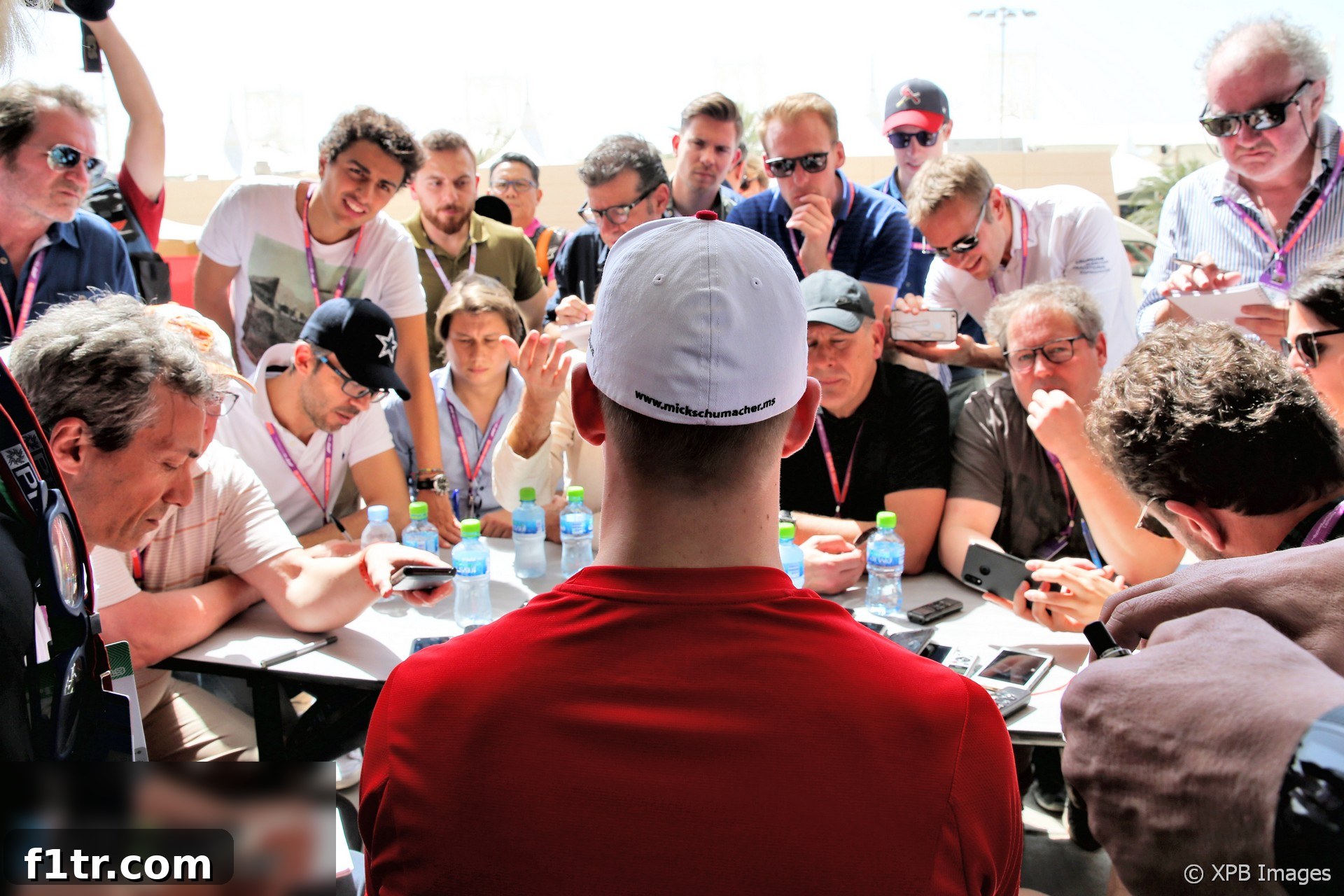
In the vibrant, fast-paced world of Formula 1, the stories told off-track are often as compelling as the action on it. Recently, in his popular Paddock Diary, @DieterRencken highlighted the fascinating dynamics of cooperation among F1 media professionals, even when competitive interests might suggest otherwise. This candid observation sparked an insightful query from Tristan, prompting a deeper dive into the intricate relationships that define modern F1 journalism.
Advert | Become a Supporter & go ad-free
Advertisement
I was surprised to hear you mention recently that you share stories with other language publications or more to the point that there is no conflict in being able to do so. What is the nature of the conflict between English publications? Is it purely from a page-view/reader/subscriber point of view? Or is there any value at all in being able to push narrative?
As an aside how do you feel the relationship is between the media and the current owners/management group of Formula 1? In the past there has been a general air of it being a bit of a ‘boys club’, do you feel this has changed much? From a complete outsiders’ perspective it feels as though there are more independent publications doing YouTube videos and the like that are making their own opportunities to report on F1, whether sanctioned or not.
Tristan
Navigating the Formula 1 Media Landscape: Cooperation and Competition
Tristan, your questions strike at the heart of the challenges and ethical considerations faced by those reporting on Formula 1. The F1 paddock is a unique ecosystem, where journalistic integrity, competitive pressures, and logistical hurdles constantly intertwine. Let me provide my perspective, emphasizing that these are my personal opinions shaped by years of experience on the ground.
The Paddock’s Demands: Why Collaboration is Essential
Every journalist covering Formula 1 strives to deliver the most comprehensive and insightful reports possible. This often means attending numerous media sessions with drivers, team principals, and key personnel throughout a race weekend. However, the reality of the F1 schedule, particularly with recent format changes introducing later session start times, often creates unavoidable clashes. Multiple crucial interviews can occur simultaneously, and with team personnel and drivers typically having evening commitments, opportunities for follow-up are severely limited. The proposed three-day race weekend format, if implemented, would only exacerbate these time constraints, further squeezing the media’s ability to engage deeply.
For large media networks, deploying a sizable team of journalists to each race can mitigate this issue, allowing them to cover multiple sessions concurrently. However, for smaller, independent outlets like ours, resources are finite. To provide our readers with thorough, comprehensive coverage that encompasses all significant interviews and developments, we strategically rely on reciprocal arrangements with non-competitor publications – specifically, those not publishing in English. This invaluable cooperation ensures that we “tick all boxes” without compromising our journalistic independence or competitive edge. Such agreements also provide a critical safety net, offering cover in scenarios like unforeseen travel delays, illness, or technical issues, safeguarding the continuity of our reporting.
The Line Between Cooperation and Competition in F1 Journalism
While collaboration thrives across language barriers, the dynamic within the English-speaking F1 media is distinctly different. Here, the pursuit of exclusivity and being the first to break significant news or offer a unique perspective is paramount. Our philosophy, and that of many direct competitors, is to lead with important breaking news, rather than relying on others who are vying for the same audience. This competitive drive, fueled by the desire for page views, reader engagement, and subscriber growth, inherently creates a conflict that precludes direct content sharing among English-language publications. We believe that relying on direct competitors for core content would dilute our unique voice and the value we offer to our dedicated readership.
The alternative to such independent, competitive yet strategically cooperative journalism would be a media landscape dominated by a single outlet, or worse, solely by F1’s official channels. From a fan’s perspective, this would severely limit the diversity of opinion, critical analysis, and depth of information available. A vibrant, independent media environment ensures a plurality of voices and perspectives, which is crucial for a healthy sport. This commitment to diverse and independent reporting is precisely why I chose to join this platform at the beginning of last year, having previously been part of an increasingly dominant network that I felt was losing some of its independent spirit.
Advert | Become a RaceFans supporter andgo ad-free
Advertisement
Liberty Media’s Era: A New Dynamic for F1 Journalism
Your second question, Tristan, regarding the relationship between the media and Formula 1’s current owners, Liberty Media, is particularly pertinent. I assure you that throughout my career, I was never part of any exclusive ‘boys’ club’. Indeed, under previous regimes, my press pass was “felt” – meaning challenged or scrutinized – more often than not, precisely because I often pursued stories that perhaps didn’t align with the preferred narrative. This experience underscores the long-standing tension between independent journalism and F1’s centralized control.
The Shifting Sands of Control
With Liberty Media at the helm, it’s still somewhat early to definitively judge the long-term positioning of independent media. However, I’ve observed with growing interest that an increasing number of contributors from our competitor publications are now also having their work published by the official F1 website. While this might appear to be a progressive step towards collaboration, it raises questions about the ultimate goal: is it genuine collaboration, or a subtle form of co-option that centralizes control over the narrative? Each individual can draw their own conclusions, but it certainly signals a changing landscape.
It’s crucial to consider Liberty Media’s foundational business model. Their website explicitly states that the company “owns interests in a broad range of media, communications and entertainment businesses,” followed by references to “tracking stocks.” This makes their intent crystal clear: Liberty aims to generate substantial revenue from F1 by leveraging its status as a premier entertainment property through its various media ventures. This strategic focus inevitably shapes their approach to information dissemination and media relations.
It is this perspective that leads me to wonder how long it will be before Liberty Media begins to view genuinely independent F1 news outlets as direct competition to its core business objectives, especially if these outlets publish uncomfortable truths or deviate from the “official message.” A striking example of this divergence was evident in the coverage of a particular Ferrari livery story. We firmly believe that our detailed write-up provided readers with a significantly more complete explanation of the underlying reasons and broader implications compared to the officially sanctioned coverage. In stark contrast, key details and critical context were noticeably absent from the official F1 website’s article. This incident serves as a clear illustration of why maintaining journalistic independence is not just preferable, but absolutely vital for us and, more importantly, for the fans.
The Future of Independent F1 Reporting
Under Bernie Ecclestone’s reign, the media was largely seen as a network of ‘free’ PR agents, promoting his product without direct financial obligation. While access could be challenging, the core tension was often less about narrative control and more about personality. However, my growing concern under Liberty Media is that independent outlets are increasingly perceived as a potential threat – not only to their overarching control of Formula 1’s narrative but also to their associated revenue streams. My fear, for the sake of the fans and the integrity of the sport’s discourse, is that Liberty’s ultimate strategy might involve the marginalization, if not the outright elimination, of truly independent media voices. This could manifest as progressively restricted access, pressure on funding models, or a pervasive encouragement to align with the official viewpoint.
This potential shift underscores a crucial responsibility for all F1 enthusiasts: to exercise critical discernment. Be vigilant about the information you consume, question the source, and consider the potential motivations behind the stories presented. The rise of independent YouTube channels and other digital platforms, as Tristan noted, does offer new avenues for reporting, whether officially sanctioned or not. These emerging voices are vital, but their sustainability and ability to remain truly independent in the face of evolving media strategies will be a defining challenge for the future of Formula 1 journalism. All I will say is: Be careful what you accept as ‘fact’ and always seek out diverse perspectives to form your own informed opinions.
Advert | Become a RaceFans supporter andgo ad-free
Advertisement
This discussion is just one of many important topics covered in my regular Dieter’s Inbox column, where I address reader questions and delve into the intricate world of Formula 1 behind the scenes. Your engagement and support are crucial in fostering a robust, independent media landscape for the sport we all love.
Go ad-free for just £1 per month>> Find out more and sign up
More from Dieter’s Inbox
Delve deeper into the complex issues and insider perspectives of Formula 1. Explore a wide range of questions and insights straight from the paddock.
Browse all Dieter’s Inbox articles