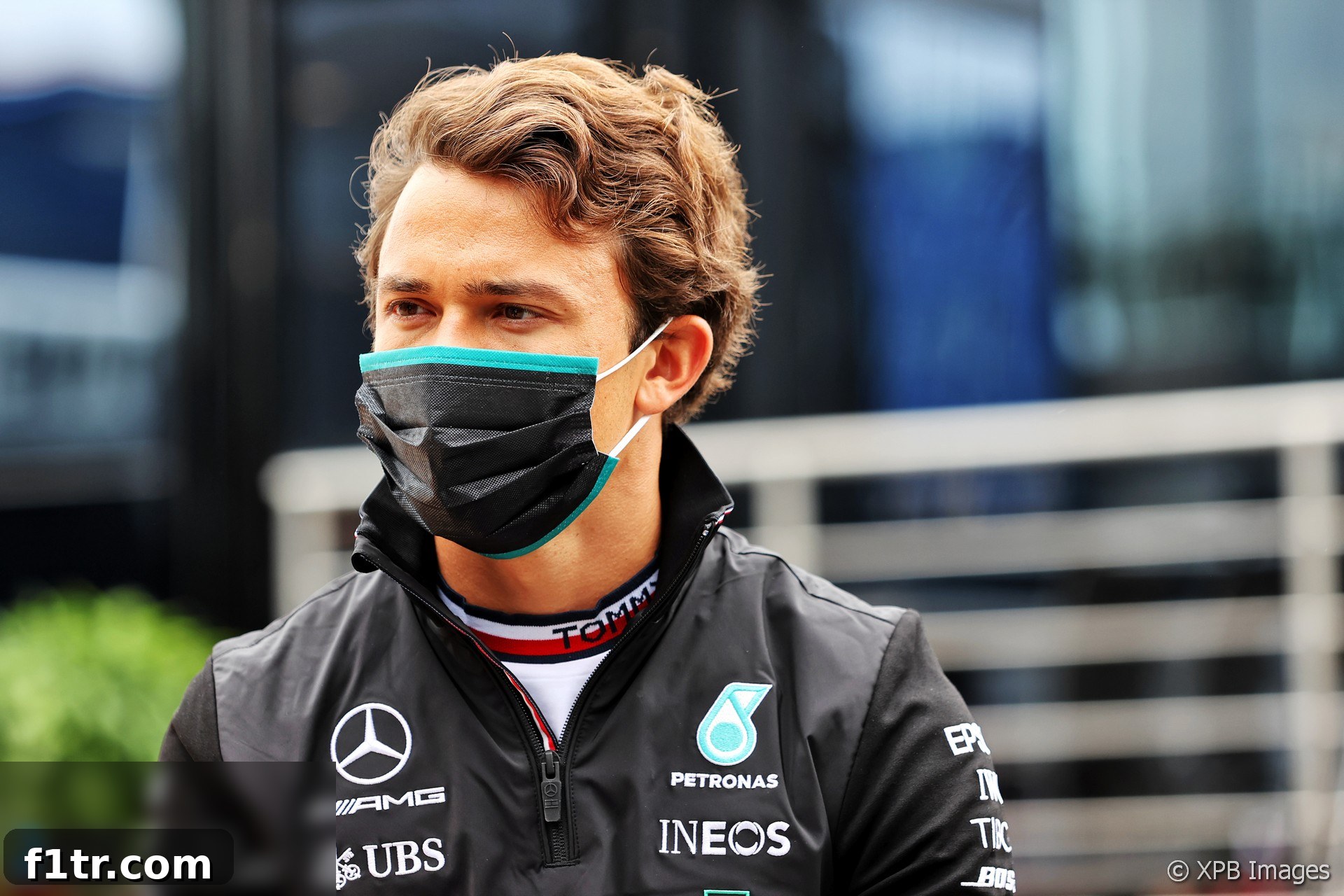
The highly competitive landscape of Formula 1 presents a relentless challenge for aspiring drivers, where talent alone often isn’t enough to secure a coveted seat. For Nyck de Vries, the reigning Formula E World Champion, his formidable credentials and undeniable skill are currently overshadowed by a significant hurdle: his strong ties to Mercedes, making his path to the pinnacle of motorsport unexpectedly complicated.
De Vries, a Dutch talent with a stellar junior career culminating in the 2019 FIA Formula 2 Championship and the 2021 Formula E title, has long been on the radar of F1 teams. His consistent performance and adaptability across different racing disciplines mark him as a prime candidate for an F1 debut. Mercedes team principal Toto Wolff has been a vocal supporter, publicly expressing his desire to see De Vries on the Formula 1 grid, especially after his protégé George Russell’s promotion to the Mercedes-AMG Petronas F1 Team.
The Closing Doors: Williams’ Strategic Shift
Initially, one of the most promising avenues for De Vries appeared to be a seat at Williams Racing, a team with historical ties to Mercedes power units. However, this door decisively closed with Williams’ recent announcement. The team confirmed that Red Bull-backed driver Alexander Albon would fill the vacant seat alongside Nicholas Latifi for the upcoming season. This move signified a strategic pivot for Williams, aligning more closely with Red Bull in their driver development programs and reinforcing the team’s independent trajectory under new ownership.
The confirmation of Albon at Williams not only eliminated a potential F1 landing spot for De Vries but also underscored the intricate political and commercial dynamics at play in the F1 driver market. Teams frequently prioritize drivers with strong affiliations to their engine suppliers, commercial partners, or owner groups. For De Vries, Williams’ choice represented a clear setback, highlighting how factors beyond pure racing ability can dictate a driver’s fate in Formula 1.
Alfa Romeo: A Seat, A Challenge, A Ferrari Connection
With the Williams option off the table, the only remaining realistic avenue for De Vries to enter Formula 1 for the next season is at Alfa Romeo Racing. The Swiss-Italian outfit, operated by Sauber, has already secured the services of veteran driver Valtteri Bottas, who will occupy one of its two seats following his departure from Mercedes. Bottas’s arrival brings invaluable experience and a fresh perspective to the team, but it leaves just one highly sought-after position open.
However, securing that second Alfa Romeo seat is fraught with complications for De Vries, primarily due to Alfa Romeo’s deep-rooted and long-standing relationship with Ferrari. Frederic Vasseur, Alfa Romeo’s team principal, articulated this dilemma clearly to RaceFans, emphasizing the significant political and operational challenges involved in hiring a Mercedes-backed driver for a Ferrari customer team. “De Vries looks complicated for me because he is strongly linked to Mercedes,” Vasseur stated. “It’s much easier for us to deal with someone who is under contract with Ferrari than with someone who is under contract with Mercedes.”
The Intricacies of Engine Supplier Relationships
Vasseur’s comments reveal a fundamental aspect of Formula 1 team operations: the profound influence of engine suppliers. Ferrari not only provides power units to Alfa Romeo but also often plays a role in driver placements, particularly concerning their junior program graduates. Introducing a driver with strong ties to a direct rival like Mercedes into a Ferrari-powered environment raises several concerns:
- Intellectual Property & Data Sharing: There’s an inherent risk regarding the transfer of sensitive technical information or insights. While protocols are in place, the presence of a rival-affiliated driver can create an uncomfortable dynamic around engine data, performance analysis, and future development plans.
- Commercial & Political Alignment: F1 is a fiercely competitive business. For Ferrari, their relationship with Alfa Romeo extends beyond engine supply to include commercial branding and strategic alliances. Placing a Mercedes-affiliated driver could be perceived as undermining this partnership or creating an awkward political situation within the paddock.
- Loyalty & Development: Ferrari invests heavily in its driver academy. When a customer team selects a driver not from Ferrari’s pipeline, it potentially takes away an opportunity for their own junior talent, which could strain the supplier-customer relationship over time. Alfa Romeo effectively serves as a stepping stone or proving ground for Ferrari’s future stars.
These factors collectively make a move for De Vries a complex negotiation, requiring delicate diplomacy and potentially significant concessions that Alfa Romeo or Ferrari might not be willing to make.
Antonio Giovinazzi and the Ferrari Link
In contrast to De Vries’s predicament, incumbent driver Antonio Giovinazzi benefits from a clear and direct connection to Ferrari. As a former Ferrari junior driver, Giovinazzi has been nurtured through their system and has occupied a seat at Alfa Romeo for three seasons. Vasseur confirmed that Giovinazzi remains a strong contender for a fourth season, underscoring the value of his existing relationship with the Italian marque.
“He was part of the deal in the past and he will be part of the discussion with Ferrari,” Vasseur explained, highlighting the integrated nature of driver decisions between Alfa Romeo and its engine supplier. “We have a very strong link and very open discussions and it will never be an issue to deal with Antonio and Ferrari.” This symbiotic relationship ensures a smoother process for Giovinazzi, as his continued presence aligns perfectly with Ferrari’s strategic interests and Alfa Romeo’s operational structure.
The Rise of Junior Talent: A Glimpse into Formula 2
While the internal dynamics with Ferrari strongly favor Giovinazzi, Alfa Romeo is also actively evaluating the next generation of talent emerging from Formula 2. The F1 driver market is constantly refreshed by promising young drivers, and Alfa Romeo is keen to ensure they are not missing out on a future star. Vasseur openly admitted that the team is considering a move for one of the front-running drivers in the junior series, signaling a balance between loyalty and the pursuit of raw, untapped potential.
Among the top contenders are drivers from rival academies. Alpine, for instance, is known to be eager to find a suitable berth for its highly-rated junior driver Guanyu Zhou, who has impressed in Formula 2. Zhou currently trails another of Alpine’s standout juniors, reigning Formula 3 champion Oscar Piastri, at the top of the F2 standings. Both Zhou and Piastri represent compelling prospects, backed by a major F1 manufacturer and demonstrating championship-winning capabilities.
Closer to home, Sauber, which operates the Alfa Romeo F1 team, boasts its own exceptional talent in 18-year-old Theo Pourchaire. Pourchaire is part of Sauber’s junior driver scheme and is widely regarded as a future F1 star. His rapid ascent through the junior categories makes him a natural long-term candidate for a seat within the Sauber family. The decision for Alfa Romeo thus involves weighing the immediate benefits of an experienced driver or a Ferrari-aligned talent against the long-term potential of developing their own or a rival team’s junior prospect.
The F2 Crucible: Monza and Sochi as Deciding Factors
With multiple strong candidates vying for the single remaining seat, the upcoming Formula 2 rounds are set to become a critical proving ground. Frederic Vasseur has indicated that he intends to meticulously observe how these crucial races play out before making a definitive decision. The high-stakes nature of Monza and Sochi, known for their challenging circuits and intense racing, will offer invaluable insights into the drivers’ capabilities under pressure.
“By the end of September we’ll have a good picture of the junior series,” Vasseur stated, underscoring the importance of performance in these final rounds. Teams look not just at raw speed but also at consistency, race craft, ability to manage tires, and mental fortitude—qualities that become acutely evident in championship-deciding races. For drivers like Zhou, Piastri, and Pourchaire, these events represent their final auditions to impress F1 team principals and secure their future.
Strategic Patience: Alfa Romeo’s Decision-Making Process
Despite the intense speculation and the clear talent pool available, Vasseur emphasized that Alfa Romeo is not in a rush to make its final decision. This strategic patience allows the team to gather all necessary data, assess the evolving landscape of the driver market, and ensure a well-informed choice. “Antonio is part of the family, he did some good steps. I think we are not in a rush to take a decision if you have a look on the global picture,” Vasseur commented, acknowledging Giovinazzi’s development while keeping all options open.
The team principal’s approach reflects a comprehensive evaluation process that considers more than just recent results. It includes long-term potential, commercial viability, team chemistry, and, crucially, the complex political relationships within the F1 paddock. “I want to be focused on what we are doing, to give them time to show what they can do, all of them, and we will take a decision probably in the beginning of October,” he concluded. This timeline suggests that Alfa Romeo is committed to thorough due diligence, ensuring their final driver selection aligns perfectly with their strategic objectives for the upcoming Formula 1 season and beyond.
Conclusion: Nyck de Vries’ F1 Dream Hangs in the Balance
Nyck de Vries’ journey to Formula 1 encapsulates the harsh realities of the sport’s driver market. Despite being a highly decorated champion in other categories and having the backing of a powerhouse like Mercedes, his path is currently blocked by complex geopolitical and commercial factors rather than a lack of talent. The closing of the Williams door and the formidable “Mercedes link” barrier at Ferrari-customer Alfa Romeo underscore how deeply intertwined sporting achievement is with broader F1 politics.
As the decision looms for Alfa Romeo, De Vries finds himself in a precarious position. The ultimate choice will not only impact his F1 aspirations but also send a clear message about the priorities of teams navigating the intricate web of engine suppliers, junior academies, and commercial interests. For now, the Formula E champion can only watch as the final pieces of the F1 driver puzzle fall into place, hoping that a window of opportunity, however narrow, might still open for his long-awaited Formula 1 debut.
2021 F1 season
- Masi ‘basically gifted the championship’ to Verstappen says 2021 FIA steward Sullivan
- Las Vegas race backers looking to extend F1 deal beyond 2025
- Why Mercedes put ‘a reminder of joy and pain’ on display in their factory lobby
- Verdict on error in GT race suggests Mercedes would have lost 2021 Abu Dhabi GP appeal
- Title ‘stolen’ from Mercedes made us ‘underdogs people cheer for’ – Wolff
Browse all 2021 F1 season articles