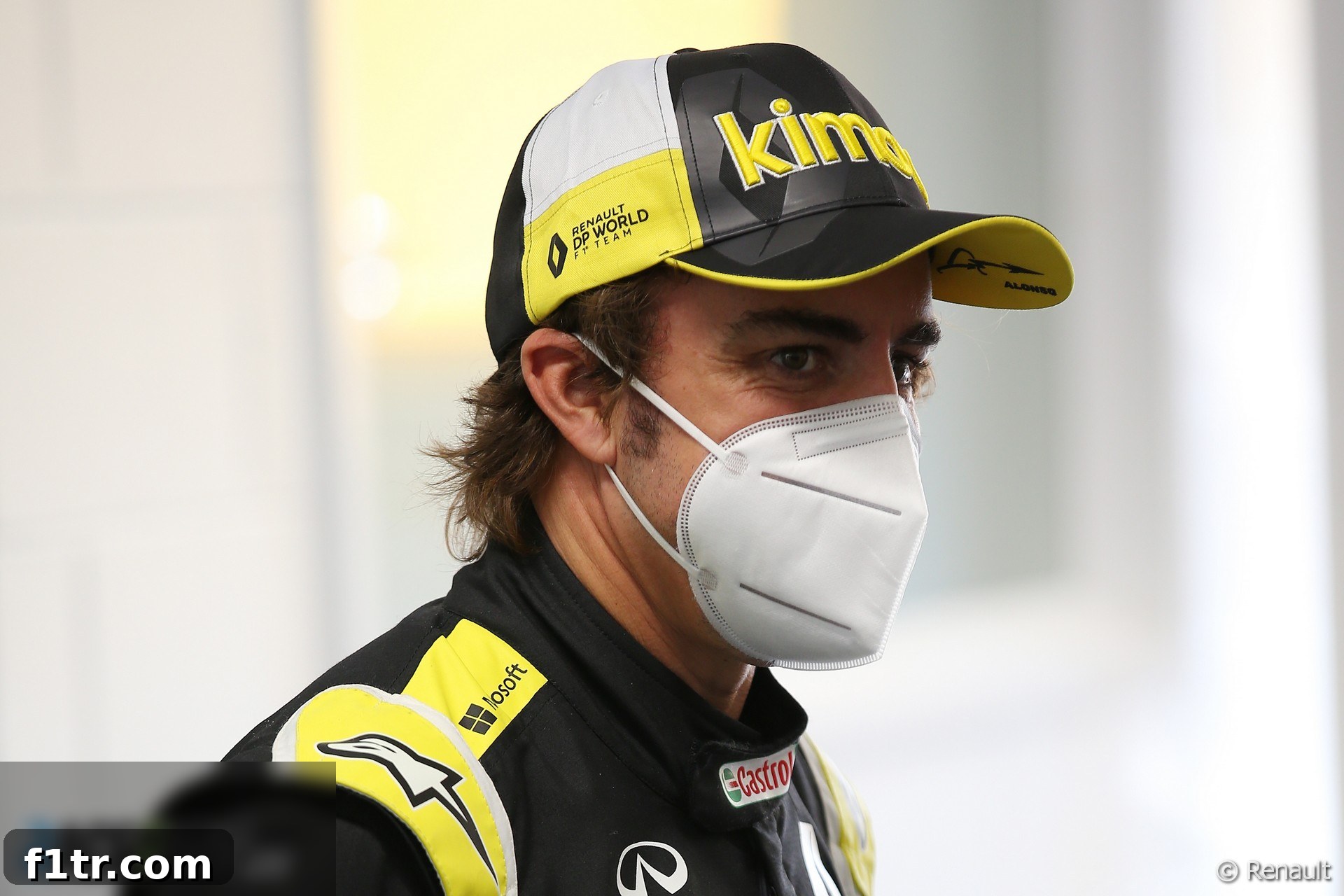
Fernando Alonso Prepares for Grand Return with Renault F1 Test in Barcelona
Two-time Formula 1 World Champion Fernando Alonso is intensifying his preparations for a highly anticipated return to the pinnacle of motorsport next year, taking to the track today for a crucial test in a Renault F1 car at the iconic Circuit de Catalunya in Barcelona. This pivotal session serves as a significant milestone in his journey back to the sport, building excitement for the 2021 season.
Alonso, a revered figure in Formula 1 history, famously secured both of his world championship titles with Renault during the mid-2000s, etching his name into the team’s legacy. His presence back behind the wheel of their current RS20 chassis for a filming day holds deep symbolic and practical importance. Under the stringent regulations governing Formula 1 testing and promotional events, the Spanish ace will be limited to a maximum of 100 kilometres of running – translating to approximately 21 laps around his home circuit, a venue steeped in his personal racing history.
The Significance of the RS20 Test and Renault’s Recent Form
This test comes at a particularly opportune moment for Renault. The French constructor has demonstrated remarkable progress with its 2020 car in recent races, showcasing improved performance and a genuine climb up the competitive order. Just days before Alonso’s return to the cockpit, on Sunday, Daniel Ricciardo – the very driver Alonso will replace at the team for the upcoming season – delivered a stellar performance, securing the team’s first podium finish since its full return to Formula 1 as a factory constructor four years ago. This recent success injects a fresh wave of optimism into the team, suggesting that Alonso will be stepping into an environment with genuine momentum and a competitive foundation.
The rumour mill surrounding Alonso’s test gained significant traction during the Eifel Grand Prix weekend, generating considerable buzz among fans and media alike. However, despite the growing speculation, Renault maintained a tight lip, only confirming the test would go ahead very recently. This session marks Alonso’s first time driving a contemporary Formula 1 car since he participated in a test for McLaren back in April 2019. More strikingly, it is the first occasion he has piloted a Renault F1 machine since he departed the team to join Ferrari at the close of the 2009 season, bridging over a decade since his last official outing with the Enstone-based outfit.
Alonso’s Emotional Return and Preparatory Challenges
Speaking ahead of his highly anticipated run, Alonso expressed profound enthusiasm for the moment. “Returning behind the wheel is going to be an amazing feeling,” he commented, encapsulating the sentiment of a driver eager to rekindle his connection with the sport. The emotional resonance of the test is further heightened by the team’s upcoming transformation; Renault is set to be rebranded as Alpine ahead of Alonso’s official race return next year, making this test one of the final opportunities to drive a car bearing the iconic Renault diamond emblem.
The Circuit de Catalunya itself holds a special place in Alonso’s heart and career trajectory. “It’s very special to be back in Barcelona,” he remarked, reflecting on a career that has spanned decades. “I remember my first test with Benetton was in the year 2000. It’s going to be the same circuit, 20 years after that first test.” This poignant reflection underscores the incredible longevity and dedication of the Spanish driver, highlighting a full circle moment for a career that has seen him achieve unparalleled success and become a global motorsport icon. His acknowledgement that this is “going to be one of the last opportunities with a car named in the Renault brand because next year it’s going to change” adds a layer of historical significance to the event.
Alonso also shed light on the unique challenges encountered during his preparation for this return, particularly amidst the global health crisis. “Preparing for the test was not easy,” he admitted. “With the Covid restrictions it was not the normal preparations. Not many days in the simulator. But nevertheless I think we are ready.” His comments reveal the unseen difficulties faced by athletes in adapting to new protocols and limited resources, emphasizing the sheer determination required to maintain peak performance and readiness in unprecedented times. Despite these hurdles, Alonso’s confident declaration signals his unwavering commitment and belief in his capabilities.
Alonso’s Storied Comeback: A Deeper Look
Fernando Alonso’s decision to return to Formula 1 after a two-year hiatus is a testament to his enduring passion for racing and his insatiable competitive spirit. During his time away from F1, Alonso engaged in a diverse array of motorsport disciplines, including the World Endurance Championship, where he secured two consecutive Le Mans 24 Hours victories and a world championship title. He also competed in the iconic Indianapolis 500 multiple times and even tackled the Dakar Rally, showcasing his versatility and hunger for extreme challenges. This broad experience, while invaluable, also means a period of readjustment to the specific demands of Formula 1, which have evolved considerably even in a short span.
His reunion with the Enstone-based team, albeit under the new Alpine banner, is particularly resonant. Alonso’s two world championships in 2005 and 2006 were pivotal moments for both driver and team, challenging the dominance of Ferrari and Michael Schumacher. His return is not merely a nostalgic gesture; it signifies a belief in the team’s long-term vision and their potential to climb back to the top. As Alpine F1, the team aims to harness the strategic and technical expertise of the broader Renault Group, positioning themselves for sustained success. Alonso’s role will be crucial, not just as a driver but as a leader and a development catalyst, bringing his vast experience to shape the team’s future.
The Road Ahead: Expectations and Challenges for 2021
While today’s limited test offers a taste of what’s to come, it’s just the beginning of Alonso’s journey back to full F1 readiness. Further simulator work, potentially more private tests (within regulations), and an intense physical training regimen will undoubtedly follow. The 2021 season promises to be a fiercely competitive one, with a stable set of regulations before the major overhaul in 2022. Alonso will need to rapidly adapt to the intricacies of modern F1 cars, including advanced hybrid power units, complex aerodynamic packages, and the demanding Pirelli tyres.
His pairing with Esteban Ocon at Alpine will also be a fascinating dynamic. Ocon, a talented young driver, will undoubtedly benefit from Alonso’s immense experience, while also pushing the veteran to perform at his absolute best. The ‘Alonso effect’ is also expected to boost Formula 1’s global appeal, drawing in legions of fans eager to witness one of the sport’s greatest gladiators return to battle. The prospect of Alonso competing against a new generation of F1 stars, as well as his old rivals, adds an exciting dimension to the championship.
The question remains: Is Renault’s F1 return finally starting to deliver on its promise? Many analysts believe that with a driver of Alonso’s calibre and recent technical advancements, the team is poised for a significant step forward. Don’t miss Dieter Rencken’s insightful analysis in Wednesday’s new RacingLines column on RaceFans for a deeper dive into the team’s trajectory and Alonso’s potential impact.
2020 F1 Season: Related Articles
- Grosjean to make F1 test return tomorrow for first time since Bahrain horror crash
- Pictures: Wrecked chassis from Grosjean’s Bahrain fireball crash to go on display
- Bottas vs Rosberg: Hamilton’s Mercedes team mates compared after 78 races each
- F1 revenues fell by $877 million in Covid-struck 2020 season
- Hamilton and Mercedes finally announce new deal for 2021 season
Browse all 2020 F1 season articles