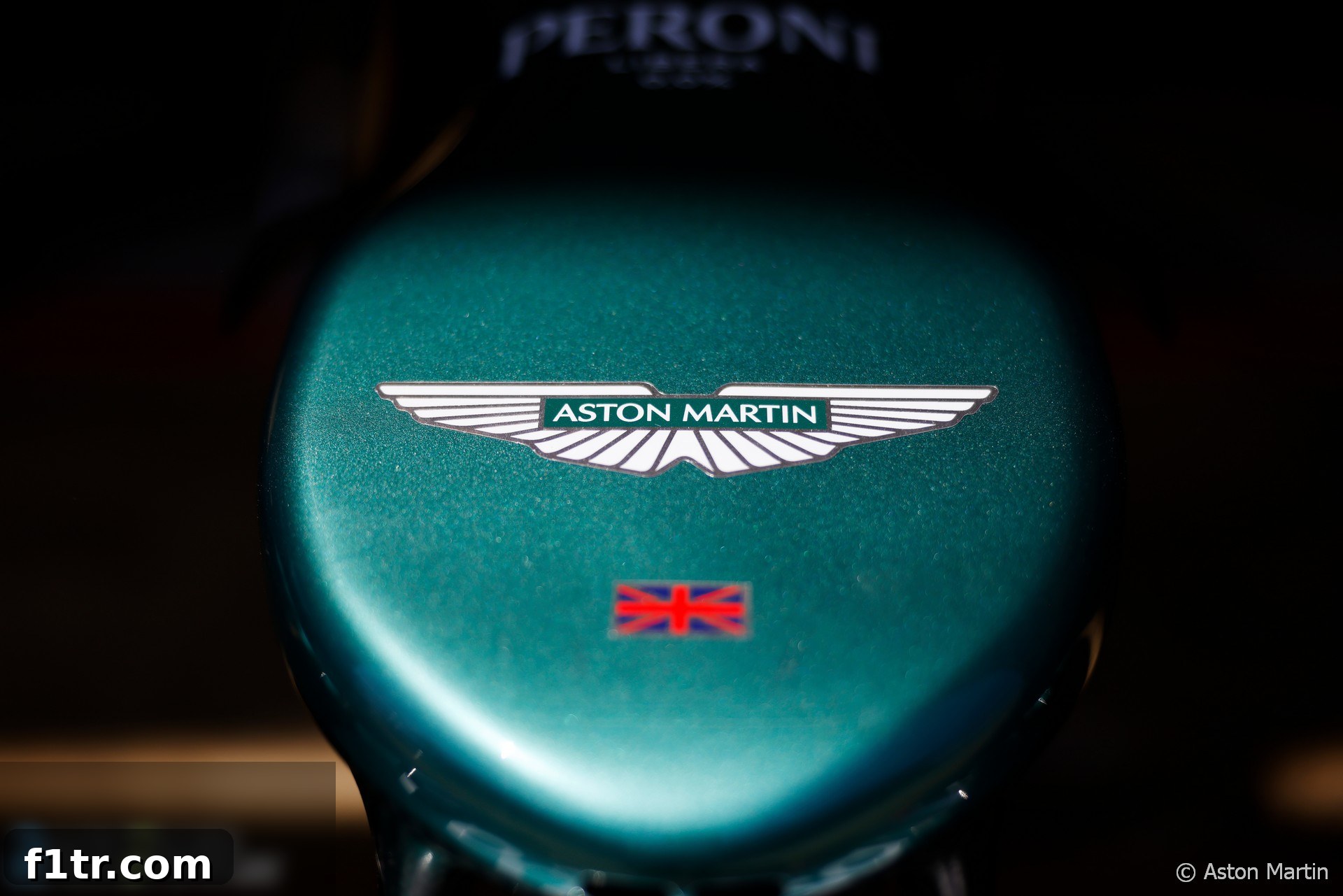
The dawn of a new era in Formula 1 is upon us, marked by the most radical overhaul of technical regulations in decades. As teams gear up for the highly anticipated 2022 season, the annual car launch spectacle has taken on an unprecedented level of intrigue and strategic maneuvering. Amidst the flurry of digital reveals and cryptic teasers, Aston Martin has emerged as a trailblazer, poised to make history by being the first Formula 1 team to unveil a truly genuine 2022 contender, the AMR22, at its official launch event.
Advert | Become a Supporter & go ad-free
The lead-up to the 2022 season has been shrouded in a veil of secrecy, a testament to the seismic shifts introduced by the new technical rules. Designed to promote closer racing, increase overtaking opportunities, and create a more level playing field, these regulations mandate significant changes to aerodynamic concepts, tire specifications, and overall car design. The reintroduction of ground effect aerodynamics, simplified front and rear wings, and the adoption of 18-inch wheels are just a few of the core tenets that have forced teams back to the drawing board, prompting a complete rethink of their car philosophies.
Given the monumental task of adapting to these new rules, and the potential for a performance advantage that could shape the championship, teams have been exceptionally guarded about their new designs. This inherent competitiveness has traditionally led to a game of ‘cat and mouse’ during the pre-season period, where rivals scrutinize every detail for clues or innovative solutions. However, for 2022, this strategic concealment has reached new heights, with several teams opting for highly abstract or misleading presentations during their initial launches.
Prior to Aston Martin’s reveal, both Haas and Red Bull had already held their much-anticipated 2022 season launches. Yet, neither offered a glimpse of their actual race car. Haas presented sophisticated renderings of an earlier iteration of their VF-22, providing a conceptual look rather than a definitive one. Red Bull, the reigning constructors’ champions, took a similar approach, unveiling a show car adorned with their new livery. Crucially, they openly admitted that the car they would ultimately race at the season-opener would “not going to look very much like this.” This candid admission underscored the pervasive strategy of discretion, highlighting the significant differences that often exist between a public-facing launch car and the highly engineered machine that will hit the track.
It is against this backdrop of cautious disclosure that Aston Martin’s decision stands out. The team’s head of communications, Matt Bishop, explicitly confirmed on social media that they would be “launching and unveiling our real race car.” This commitment to transparency marks a refreshing break from the norm and signals a bold declaration of intent from the Silverstone-based squad. By presenting the AMR22 in its genuine form, Aston Martin not only offers fans and media an authentic first look at a 2022 challenger but also demonstrates a degree of confidence in their design, or perhaps a strategic willingness to be the first to show their hand.
The reluctance of F1 teams to reveal much of their new machines is deeply rooted in the competitive nature of the sport. With the first crucial pre-season test session less than two weeks away, every minute detail, every aerodynamic surface, and every unique design choice could provide invaluable clues to rivals. A groundbreaking solution revealed too early could be copied or countered, potentially eroding a hard-won competitive edge. This intense focus on secrecy is amplified in a year of such significant regulatory change, where innovative interpretations of the rules could unlock substantial performance gains.
The new regulations are designed to reduce the reliance on “dirty air” effects, allowing cars to follow each other more closely and thus encouraging more exciting wheel-to-wheel battles. This fundamental shift in aerodynamic philosophy means that teams are exploring entirely new design avenues, making early insights even more precious. Concepts such as simplified wings, sophisticated underfloor tunnels exploiting ground effect, and the integration of larger 18-inch Pirelli tires all require unique engineering solutions. Revealing these solutions prematurely carries the risk of intellectual property compromise and could force a team back to development if a rival swiftly adapts or improves upon their idea.
Following Aston Martin’s groundbreaking launch, the spotlight will soon shift to other teams. McLaren, another prominent competitor, is scheduled to present its 2022 challenger next, continuing the fascinating cascade of reveals. However, not all teams are conforming to a pre-test launch schedule. Alfa Romeo, for instance, has strategically chosen to delay its official car launch until after the opening three-day test session at the Circuit de Catalunya in Barcelona. This approach allows them more time for development and refinement, potentially incorporating data and lessons learned from the initial track running before publicizing their final design. It’s a calculated risk, trading early media exposure for potential performance optimization.
Get all the 2022 F1 race weekend session details plus test and launch dates on your mobile device using the RaceFans F1 Calendar
Advert | Become a RaceFans supporter andgo ad-free
The pre-season testing sessions are pivotal events, offering the first real glimpse of how these new machines perform on track. Barcelona’s Circuit de Catalunya will host the initial shakedown, followed by a second, more intensive test in Bahrain. These sessions are not just about setting fast lap times; they are critical for teams to understand their new cars, collect vast amounts of data, and identify any initial weaknesses or areas for improvement. Every kilometer driven, every sensor reading, and every engineer’s observation will be meticulously analyzed to optimize performance before the season-opening Bahrain Grand Prix.
The strategy behind car launches in Formula 1 is a complex blend of marketing, competitive secrecy, and team morale. For fans, these events are a crucial part of the build-up to the season, offering a tantalizing taste of what’s to come. The excitement generated by each new livery, each innovative design feature, and each team’s aspirations for the year fuels the passion of the sport’s global following. Aston Martin’s decision to reveal a genuine 2022 car adds an extra layer of authenticity to this spectacle, setting a new benchmark for transparency in an otherwise clandestine phase of the F1 calendar.
As the countdown to the 2022 Formula 1 season intensifies, all eyes will be on the various car launches and the subsequent pre-season tests. Aston Martin’s bold move with the AMR22 has not only captured headlines but has also offered a genuine insight into the brave new world of Formula 1. This season promises to be one of the most unpredictable and thrilling in recent memory, with new regulations potentially shuffling the established order and offering every team a chance to stamp their authority on the sport’s next chapter. The anticipation is palpable, and the journey to uncover the ultimate pecking order has truly begun.
2022 F1 season
- Mercedes told me “you’re wrong” about 2022 car’s problems – Hamilton
- FIA confirms all 10 F1 teams complied with 2022 cost cap
- Steiner “not ashamed” of panning “slow” Schumacher in Drive to Survive
- Albon believes year out of F1 improved him as a driver
- Hamilton sees diversity gains in F1 years on from his ‘traumatising’ experience of racism
Browse all 2022 F1 season articles