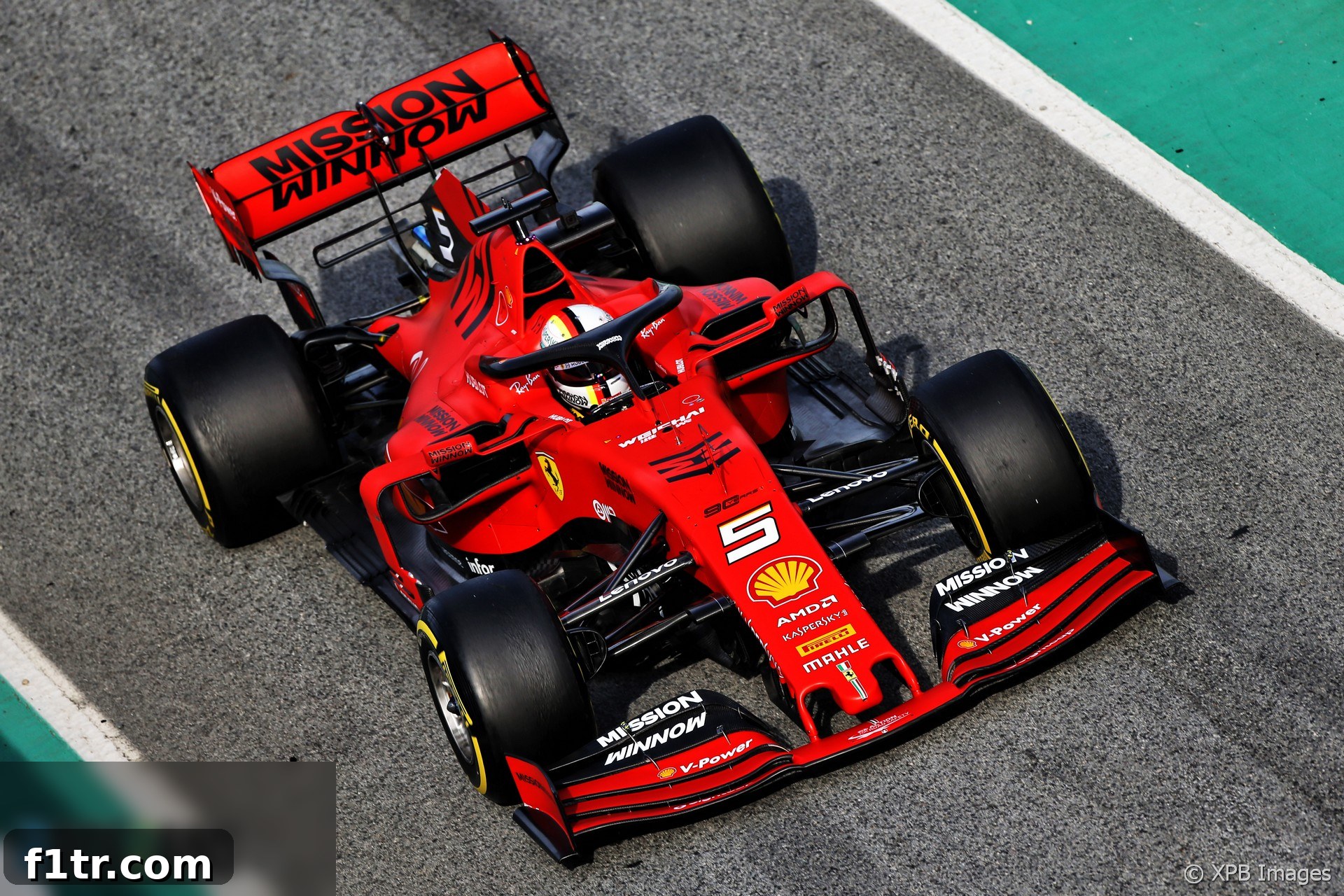
Ferrari Reinstates Mission Winnow Branding for 2019 F1 Season
Scuderia Ferrari is set to bring back its prominent Mission Winnow branding for the second race of the 2019 F1 season, following its temporary absence from the cars during the opening Australian Grand Prix. This decision marks a significant development in a sponsorship saga that captured considerable attention across the Formula 1 paddock and beyond, highlighting the complex interplay between sports, corporate branding, and evolving advertising regulations worldwide.
The Mission Winnow logos, representing a program by tobacco giant Philip Morris International (PMI), were conspicuously absent from Ferrari’s SF90 cars in Melbourne. This move was not unexpected, as Ferrari had previously announced its intention to remove the branding for the season-opening event. Furthermore, the Mission Winnow name had been quietly removed from the team’s official designation on the FIA entry list, fueling speculation about the long-term viability of the partnership.
The Temporary Removal: Australian Grand Prix Controversy
The decision to temporarily remove the Mission Winnow branding stemmed directly from intense scrutiny and legal challenges in Australia. Authorities in the State of Victoria, where the Grand Prix was held, initiated investigations into the program, raising concerns that Mission Winnow could potentially contravene strict local laws prohibiting tobacco advertising. Despite its claims of being an initiative separate from tobacco promotion, the close association with Philip Morris International, the maker of Marlboro cigarettes, placed it under a magnifying glass.
Philip Morris International’s director of global communications, Tommaso Di Giovanni, addressed the situation, confirming that the change was a one-off for the Australian race. “Mission Winnow will remain the title sponsor of Scuderia Ferrari in 2019,” Di Giovanni stated, emphasizing the program’s continuity despite the temporary adjustment in Australia. He further clarified that their activation strategy would differ from country to country, with additional details to be revealed closer to specific race weekends.
Understanding Mission Winnow and PMI’s Stance
Mission Winnow was launched by Philip Morris International in October 2018 as an initiative designed to “drive change” by “rethinking the way the world sees innovation.” PMI describes Mission Winnow as a platform dedicated to fostering scientific research, innovation, and technological advancement, rather than promoting tobacco products. The program’s core message revolves around the idea of constant improvement and striving for better solutions, mirroring the competitive spirit of Formula 1.
Di Giovanni consistently maintained that Mission Winnow fully complies with all relevant laws regarding advertising and promotion globally. “Mission Winnow does not and will not advertise or promote any PMI-branded tobacco or e-cigarette products,” he asserted. This strong denial is central to PMI’s defense against accusations of circumventing tobacco advertising bans, positioning the initiative as part of its broader commitment to a “smoke-free future” and the development of alternative products.
Reinstatement and Future Implications for Ferrari
With the Australian hurdle overcome, Ferrari is poised to restore the Mission Winnow brand, potentially even to its official team name, given that the FIA requires only seven days’ notice for such administrative changes. The return of the branding for subsequent races, starting with the Bahrain Grand Prix, underscores PMI’s commitment to the sponsorship and Ferrari’s belief in its legality and value.
The controversy, however, has shone a spotlight on the delicate balance F1 teams maintain with sponsors, particularly those from industries with strict advertising regulations. While tobacco sponsorship has been largely banned from direct advertising in many countries since the early 2000s, companies like PMI and British American Tobacco (BAT) have found ways to remain associated with the sport through corporate initiatives and “harm reduction” campaigns, operating in what is often described as a “grey area” of advertising.
The Broader Landscape of Tobacco-Linked Sponsorships in F1
Ferrari is not alone in navigating these complex waters. McLaren, another iconic F1 team, also has a sponsorship deal with a tobacco firm, British American Tobacco (BAT). Their cars feature the slogan ‘A Better Tomorrow,’ an initiative similarly positioned as promoting innovation and a “smoke-free world” through BAT’s non-combustible products. McLaren had indicated they would confirm their branding arrangements for the opening race in due course, suggesting similar considerations were at play.
The resurgence of tobacco company involvement, albeit through non-tobacco product branding or corporate initiatives, raises questions about the long-term direction of F1 sponsorships. Critics argue that these programs, regardless of their stated intent, serve to normalize and associate tobacco companies with a glamorous, high-performance sport, potentially influencing younger audiences. On the other hand, proponents argue that as long as the initiatives comply with local laws and focus on non-tobacco products or corporate responsibility, they represent legitimate commercial partnerships.
The scrutiny faced by Mission Winnow in Australia serves as a powerful precedent, indicating that regulatory bodies and public health advocates will continue to monitor these sponsorships closely. It forces F1 teams and their partners to be exceptionally transparent and innovative in how they present their branding, particularly when linked to historically controversial industries. The need for clear differentiation between corporate initiatives and direct product advertising will only intensify as global advertising laws continue to evolve and diversify.
For Ferrari, the reinstatement of Mission Winnow is a clear signal of confidence in their interpretation of the rules and their partnership with PMI. It also highlights the significant financial backing that these long-standing relationships provide to the sport’s most prestigious teams. The coming races will undoubtedly continue to test the boundaries of what is permissible in sports marketing, with all eyes on how these innovative, yet scrutinized, branding initiatives adapt to a globally diverse regulatory environment.
Video: Why Ferrari Temporarily Removed Mission Winnow from its Car
Stay Connected with F1 News
For the latest updates and in-depth analysis on Formula 1, follow us on social media:
- Join RaceFans on Facebook
- Follow RaceFans on Twitter
- Get daily email updates from RaceFans
2019 Bahrain Grand Prix Coverage
Explore more articles related to the upcoming race:
- Browse all Bahrain Grand Prix articles