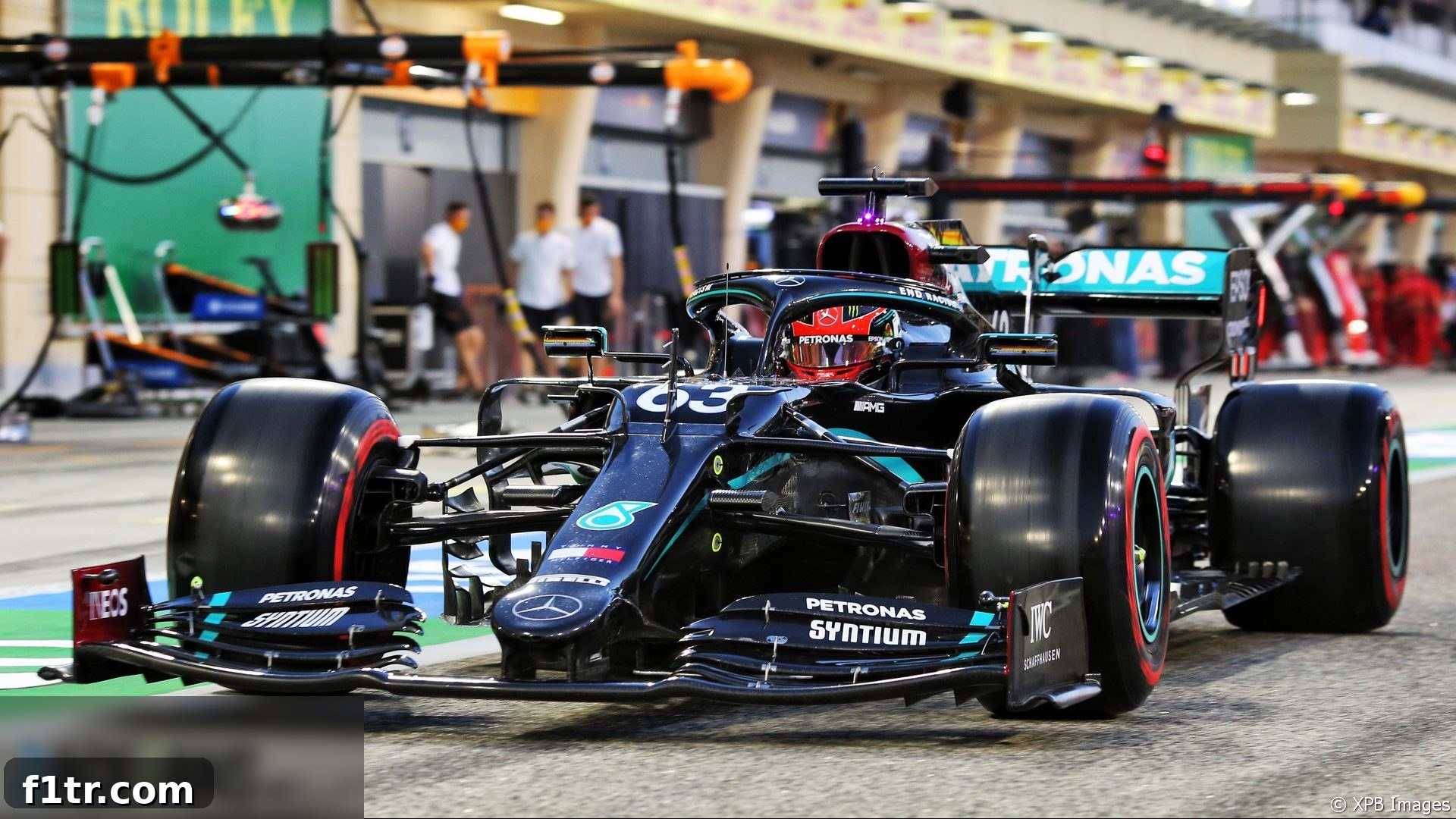
Mercedes Dismisses “Shoot-Out” Speculation: Wolff Addresses Russell vs. Bottas for 2022 F1 Seat
In the high-stakes environment of Formula 1, driver lineups are always a hot topic, especially concerning top teams like Mercedes-AMG Petronas. Amid swirling speculation regarding the team’s 2022 driver pairing, Team Principal Toto Wolff has definitively refuted claims of a “shoot-out” between rising star George Russell and current driver Valtteri Bottas. This comes as Russell delivered a standout performance deputizing for seven-time world champion Lewis Hamilton, who was sidelined due to Covid-19. The situation has ignited fervent debate among fans and pundits, but Mercedes’ leadership insists on a different narrative.
The Unforeseen Opportunity: Russell’s Call-Up and Instant Impact
The 2020 Sakhir Grand Prix presented an unexpected, yet monumental, opportunity for George Russell. As a junior driver within the Mercedes program and racing for Williams, Russell was thrust into the spotlight, stepping into Lewis Hamilton’s championship-winning W11. This was no ordinary substitution; it was a chance for Russell to showcase his talent in a car capable of challenging for victories, a stark contrast to his usual machinery at the back of the grid.
From the moment he hit the track, Russell impressed. He quickly adapted to the more powerful and complex Mercedes car, demonstrating exceptional pace and control. His immediate performance, including topping the timing sheets in his first practice session with the team, not only validated the faith Mercedes had placed in him but also fueled intense speculation about his long-term prospects. Many immediately began to question if this was a prelude to a permanent move to Mercedes, potentially replacing Valtteri Bottas for the 2022 season.
Russell’s seamless transition and raw speed put significant pressure on all parties involved. For Mercedes, it highlighted the depth of their talent pool. For Russell, it was a career-defining moment. And for Bottas, it inadvertently created a direct comparison point, setting the stage for discussions about the team’s future strategy.
Toto Wolff’s Resolute Denial: Loyalty and Long-Term Vision
Despite the palpable excitement and media narrative framing the Sakhir Grand Prix as a direct audition, Toto Wolff remained steadfast in his public statements. He categorically dismissed the idea of a “shoot-out” between Russell and Bottas, emphasizing that such a short period of competition cannot provide meaningful data for crucial long-term decisions.
“Not at all,” Wolff stated firmly. “I’ve heard this rumour. Obviously, you can’t call it a ‘shoot-out’ when it’s about one or two races. That doesn’t give you any meaningful data whatsoever.” His words sought to dampen the speculative fervor, underscoring the team’s methodical approach to driver selection and contractual commitments.
Wolff reiterated Mercedes’ unwavering trust and loyalty towards Valtteri Bottas. “We have total trust in Valtteri and loyalty as we’ve always had and that is our position,” he affirmed. This statement is crucial, as Mercedes has historically valued stability and loyalty within its driver lineup, a strategy that has contributed significantly to their unprecedented success in the hybrid era. Bottas has been a key component of their championship victories, providing consistent points and playing a vital team role alongside Hamilton.
The Mercedes boss also highlighted the team’s existing plans for the immediate future. “We know that we will race next year with Lewis and Valtteri,” he confirmed, referencing the 2021 season. This reinforces the contractual obligations and the team’s commitment to their current pairing. Decisions for the 2022 season, Wolff explained, would be based on a much broader range of factors, not solely on a few standout performances from a stand-in driver. “Where we are in 2022 is all going to depend on where our own season in ’22 is going to go and not by George’s performance on an oval in Bahrain and in a season final in Abu Dhabi.”
While acknowledging Russell’s talent, Wolff positioned his performance as an indicator of future potential rather than an immediate claim to a seat. “If George does well it’s an indication that one day he’s going to be in a good car and hopefully race for victories and championships. But that is far away. He knows that. He just needs to deliver a solid job and not make any mistakes.” This perspective suggests a carefully managed development path for Russell, rather than a rushed promotion, aligning with Mercedes’ long-term strategy of nurturing young talent within its junior program.
Valtteri Bottas: Navigating the Pressure Cooker
While Toto Wolff was keen to downplay the “shoot-out” narrative, the reality on the ground, particularly for Valtteri Bottas, was undeniably intense. His teammate for the weekend, a driver from a less competitive team, suddenly became a direct benchmark in identical machinery. This scenario created an immense psychological burden, with Bottas himself admitting the gravity of the situation.
Speaking to the media, Bottas was candid about the pressure. “If he beats me, for sure it wouldn’t look so good on me if I have a normal race and if he beats me fair and square,” he conceded in response to a direct question from RaceFans. This acknowledgement underscores the inherent competitive nature of Formula 1 and the constant evaluation drivers face.
Despite the external and internal pressures, Bottas articulated a resilient mindset. “Obviously I’ll try to avoid that. But I’m not a person who thinks things on that side of things. I try to turn things into a motivation and do positive thinking. And that’s my mind set for this weekend.” His approach highlights the mental fortitude required to compete at the pinnacle of motorsport, where every session and every race is scrutinized. For Bottas, the challenge was to channel any potential negative thoughts into a driving force for a strong performance, reaffirming his capabilities and his place within the team.
The Broader Implications for Mercedes’ Driver Strategy
The unexpected turn of events at Sakhir offers a fascinating glimpse into Mercedes’ long-term driver strategy. While loyalty and stability are core tenets, the team is also known for making bold, strategic decisions when necessary. The Hamilton-Bottas partnership has been incredibly successful, securing multiple constructors’ championships, but both drivers are at different stages of their careers.
Lewis Hamilton, a seven-time world champion, is widely expected to extend his contract, securing his place for the foreseeable future. However, his eventual retirement will leave a colossal void. Nurturing a talent like George Russell, who has been part of the Mercedes junior program since 2017, positions him as a strong candidate for that future leadership role. His performances, even in limited outings, provide critical “data points” for Mercedes to assess his readiness for a top-tier seat.
Valtteri Bottas, having consistently signed one-year deals with Mercedes, operates under constant scrutiny. While he has proven to be a reliable and fast driver, the emergence of younger, highly-rated talents like Russell inevitably intensifies the competition for coveted seats. The 2022 season also marks a significant shift in technical regulations for Formula 1, which could prompt teams to re-evaluate their entire structure, including driver pairings, to maximize performance under the new rules.
Mercedes faces the delicate task of balancing proven performance with future potential, loyalty with strategic long-term planning. While Toto Wolff’s statements effectively diffused immediate speculation, the underlying dynamics of the driver market and the impressive display from Russell ensure that the discussion about Mercedes’ 2022 lineup, while perhaps not a “shoot-out” in Wolff’s words, remains one of the most compelling narratives in Formula 1.
Beyond the Headlines: The True Test of F1 Talent
The scenario surrounding Russell and Bottas goes beyond mere contractual details; it highlights the relentless pressure and constant evaluation inherent in Formula 1. Every driver, regardless of their standing, is perpetually measured against their teammates, rivals, and even against the ghost of past performances. Russell’s exceptional showing in the Mercedes car confirmed what many already suspected – his talent is undeniable and worthy of a top seat. However, translating one-off brilliance into sustained championship contention requires more than just raw speed; it demands consistency, mental resilience, and the ability to operate within a complex team structure over an entire season.
For Valtteri Bottas, the challenge is to consistently perform at his peak, demonstrating that his experience and proven ability are invaluable assets. His role as a team player, a reliable points scorer, and a crucial component in Mercedes’ constructors’ championship bids cannot be understated. The team’s continued success relies on both drivers delivering. Therefore, while the media loves a dramatic narrative, Mercedes’ approach to their driver lineup will likely be a calculated decision, weighing all factors from performance and chemistry to long-term strategic goals, rather than a sudden, impulsive reaction to a temporary substitution.