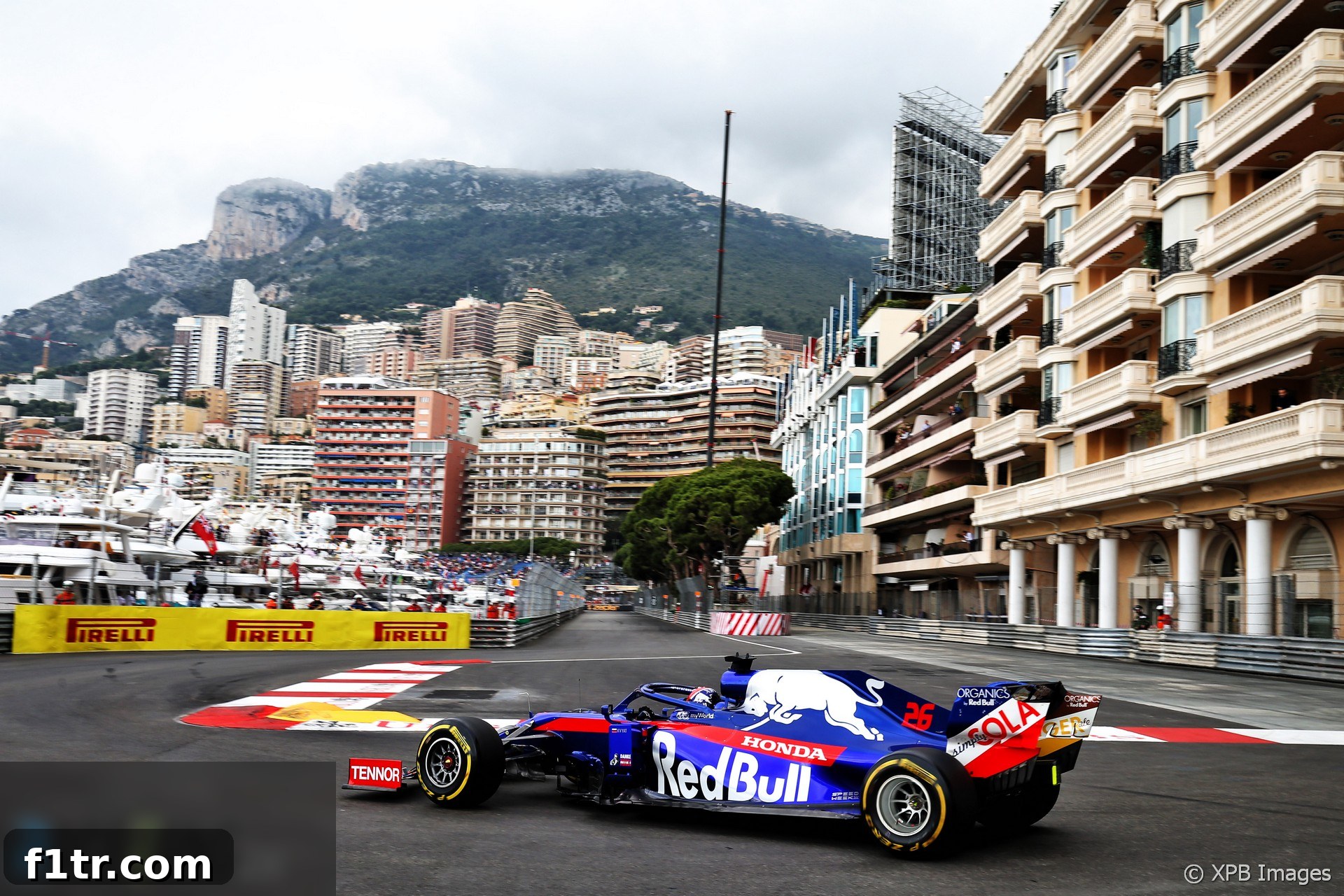
Navigating the Limits: F1’s Tightened Track Rules at Monaco’s Nouvelle Chicane
The legendary Monaco Grand Prix, a jewel in the Formula 1 calendar, is renowned for its unparalleled glamour, historical significance, and the formidable challenge it presents to the world’s elite drivers. Ahead of this year’s highly anticipated event, Formula 1 has implemented stricter track limit regulations specifically targeting the critical Nouvelle Chicane. This move underscores the continuous effort to uphold fairness and safety on a circuit where every millimeter counts and an unusual, yet crucial, traffic lights system will once again be in operation to manage re-entries from the escape road.
Advert | Become a Supporter & go ad-free
The Nouvelle Chicane: A Strategic Hotspot on the Riviera
Constructed in 1986, the ‘new’ chicane, officially known as Turn 10 and 11, has long been a focal point of discussion and driver contention. Situated immediately after the iconic tunnel section, it offers one of the few realistic, albeit brief, opportunities for overtaking on the notoriously tight and twisty Monaco street circuit. Its design, featuring low kerbs, also presents drivers with the temptation to cut across, gaining a marginal yet potentially decisive advantage. This constant tug-of-war between pushing the boundaries and adhering to the rules makes precise track limit enforcement here absolutely essential for maintaining the integrity of the race.
The unique nature of the Monaco track, with its close proximity to barriers and unforgiving walls, amplifies the importance of these regulations. Unlike many modern circuits with vast run-off areas, Monaco offers no such luxuries. Gaining an unfair advantage, even by a few inches, can significantly impact lap times and race positions in an environment where even fractions of a second are critical.
Defining Track Limits: Scrutiny in Practice Sessions
In alignment with the rigorous approach adopted at other circuits this season, Formula 1 drivers competing in Monaco have received explicit instructions regarding track limits at the Nouvelle Chicane. During practice and qualifying sessions, any driver found to be “leaving the track and failing to negotiate Turn 10 by using the track” will have their respective lap time cancelled. This stringent rule is designed to ensure that all drivers adhere strictly to the circuit’s confines, preventing any attempts to gain an unfair advantage by running wide or cutting the corner. The precision required means drivers must keep at least one part of their car in contact with the white lines defining the track edge. Any deviation, however slight, that is deemed to shortcut the corner will result in immediate invalidation of the lap.
This directive is crucial for fair competition, as even a minor cut can shave precious hundredths of a second off a lap time. In qualifying, where grid positions are often decided by the smallest margins, such an advantage could be the difference between a pole position and a mid-pack start. The message from the stewards is clear: while drivers are expected to push their cars to the absolute limit, that limit must remain within the defined boundaries of the track.
Race Day Enforcement: Maintaining Fair Play and Penalties
During the intense crucible of the race itself, the enforcement of track limits at the Nouvelle Chicane shifts to a slightly different, but equally strict, protocol. Drivers who repeatedly cut the corner will face escalating consequences. The first significant transgression that does not result in an immediate safety issue or a clear, lasting advantage will typically trigger a warning from race control. Should a driver commit a second such violation, they will be shown the black-and-white flag. This flag serves as a formal warning, indicating unsportsmanlike behavior or repeated minor infringements, and signals that any further breaches will be reported directly to the stewards for potential penalty.
Subsequent violations after the black-and-white flag has been issued will almost certainly result in penalties, which can range from a five-second time penalty added to the driver’s race time, to a ten-second penalty, or even more severe sanctions depending on the severity and frequency of the infringement. However, there is a crucial exception to this rule: drivers will escape any sanction if they are deemed to have been forced off the track by a rival competitor. This provision recognizes the dynamic nature of wheel-to-wheel racing and aims to prevent drivers from being unfairly penalized for incidents beyond their control, ensuring that penalties are only applied when a driver is genuinely at fault for gaining an advantage.
Historical Precedent and The Need for Clarity
The tightening of these regulations comes partly in response to incidents from previous races, highlighting the ongoing challenge of consistent enforcement. While specific detailed arrangements weren’t always explicitly communicated ahead of past Monaco events, the underlying principles of track limits have always applied. In the last Monaco Grand Prix, two notable incidents involving the Nouvelle Chicane resulted in penalties, underscoring the complexities and the need for clear guidelines. Lance Stroll was found to have bypassed a section of the corner and subsequently received a five-second time penalty, a decision that impacted his finishing position. Similarly, Kevin Magnussen incurred the same five-second penalty for missing part of the chicane while embroiled in a fierce battle for position with Sergio Perez. These instances, often determined post-race through extensive video analysis, illustrate the fine margins involved and the rigorous scrutiny applied by race stewards.
Such penalties, even for seemingly minor infringements, can drastically alter the outcome of a race, making the clarity of rules paramount. The pre-race detailing of these regulations for the 2024 Monaco Grand Prix aims to leave no room for ambiguity, ensuring that drivers, teams, and fans alike understand the precise boundaries within which competition must take place. This proactive approach helps to preempt controversies and ensures that the focus remains on the pure skill and talent required to master the unique demands of Monaco.
The Critical Role of the Escape Road and Traffic Light System
Beyond the immediate track limits, Formula 1 has also reinforced the protocol for drivers who, for whatever reason, end up in the Nouvelle Chicane’s escape road. Given the confined nature of the Monaco circuit and the high speeds involved, rejoining the track after using an escape road presents a significant safety challenge. To mitigate this risk, any driver who makes it as far as this corner’s escape road this year will only be permitted to rejoin the main track once they have received explicit permission to do so from the marshals. This critical instruction ensures that a returning car does not impede or create a dangerous situation for oncoming traffic.
As has been the established practice in previous events, this permission will be communicated to the driver via a specialized traffic light system, meticulously operated by a dedicated corner worker. These marshals, positioned strategically around the circuit, play an indispensable role in ensuring driver safety and the smooth running of the Grand Prix. The traffic light system provides a clear, unmistakable signal, eliminating any potential for miscommunication in a high-pressure environment. A red light means hold, while a green light signals it’s safe to proceed. This system is a testament to the meticulous planning and emphasis on safety that defines the Monaco Grand Prix, ensuring that even in the event of an excursion, the risk to drivers and marshals is minimized.
Conclusion: Upholding Integrity on the Streets of Monaco
The tightened track limit regulations at Monaco’s Nouvelle Chicane, alongside the refined escape road management system, reflect Formula 1’s unwavering commitment to fair play, driver safety, and the integrity of competition. As drivers navigate the treacherous streets of Monte Carlo, these rules will ensure that skill, precision, and adherence to the sporting code dictate success, rather than marginal gains from exceeding track boundaries. The iconic Monaco Grand Prix continues to evolve, adapting its regulations to the demands of modern F1 while preserving the legendary challenge that makes it one of the most celebrated races in motorsport.
Stay Connected with RaceFans
Don’t miss anything new from RaceFans. Follow us on social media for the latest updates and discussions:
- Join RaceFans on Facebook
- Follow RaceFans on Twitter
- Get daily email updates from RaceFans
Further Reading: 2021 Monaco Grand Prix Insights
Explore more articles and analyses from the 2021 Monaco Grand Prix:
- ‘I need that point, we’ve lost a ton’: Hamilton team radio transcript analysis
- Perez sees Austrian double-header as valuable chance to master his RB16B
- No fun to be had in Monaco Grand Prix even if you’re winning, says Hamilton
- Mercedes explain Bottas’ Monaco pit stop failure
- F1 will consider adopting “intelligent” IndyCar rule in wake of Leclerc crash
Browse all 2021 Monaco Grand Prix articles