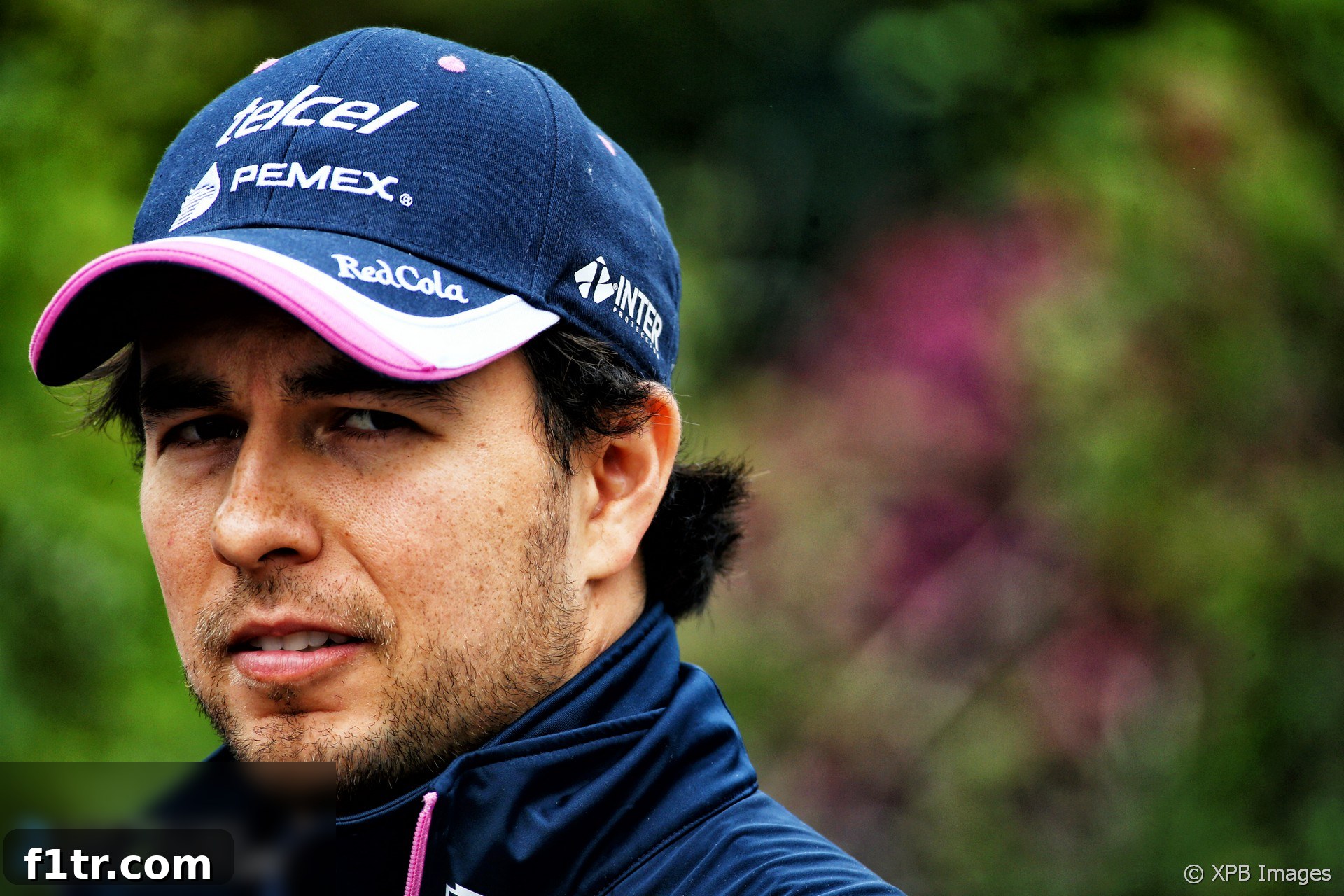
Sergio Perez Voices Concerns Over Racing Point’s Monaco Prospects After Disappointing Spanish GP
As the Formula 1 paddock descended upon the iconic streets of Monte Carlo for the highly anticipated Monaco Grand Prix, Sergio Perez, the experienced driver for Racing Point, openly expressed his apprehension regarding his team’s potential competitiveness. The Mexican driver’s concerns were deeply rooted in the team’s unexpectedly poor performance at the preceding Spanish Grand Prix, an event where Racing Point had introduced a significant new upgrade package. The stark disconnect between the anticipated improvements and the actual on-track showing in Barcelona has cast a shadow of doubt over their immediate prospects, particularly heading into a race as unique and demanding as Monaco.
The Spanish Grand Prix Setback: An Upgrade That Underperformed
The Circuit de Catalunya is renowned for its comprehensive nature, offering a demanding test of a Formula 1 car’s aerodynamic efficiency, balance, and tire management. For Racing Point, the Spanish Grand Prix proved to be a challenging and disheartening experience, marking their first point-less race of the 2019 season. “We are a bit worried,” Perez confessed to journalists, including RaceFans, during interviews held in Monaco. “I think our form in Spain was very bad. A lot worse than expected.” This forthright admission underscores the team’s profound disappointment, especially considering the substantial investment and engineering effort that went into developing and introducing the new upgrade package in Barcelona.
The original intention behind the upgrade was to significantly boost the VJM12’s performance, allowing Racing Point to solidify its position, or even advance, within the fiercely competitive midfield. Extensive simulations and wind tunnel data had suggested a positive step forward. However, on the Spanish circuit, the car conspicuously struggled for pace, failing to extract the anticipated performance benefits. This unexpected downturn meant the team lagged behind their direct rivals, ultimately preventing them from contending for crucial championship points. The inability to effectively understand and optimize the new components during the race weekend immediately raised serious questions and initiated an intensive post-race analysis within the Silverstone-based squad.
Monaco’s Unique Challenge: A Glimmer of Hope or Further Complications?
Monaco presents a radical departure from the conventional racetracks found on the Formula 1 calendar. Its tight, winding streets, unforgiving barriers, and reliance on mechanical grip rather than outright aerodynamic downforce offer a distinct set of challenges and, potentially, a fresh opportunity for teams struggling on faster circuits. This uniqueness is precisely what provides Racing Point with a glimmer of hope. “We hope that it’s just track-related and we just struggled in Spain as we were kind of expecting it to be,” Perez explained, reflecting the team’s cautious optimism that their Spanish struggles might have been an anomaly specific to the characteristics of the Circuit de Catalunya.
The prevailing theory within the team is that a highly aerodynamically sensitive package, which might have been intended for certain types of corners or speeds, simply did not suit Barcelona’s specific layout. Conversely, Monaco’s demands—emphasizing precise handling, superior mechanical grip, and short-burst acceleration—could potentially allow the car to perform closer to its inherent strengths, or at least mitigate the weaknesses exposed in Spain. The team is eager to leverage this change of scenery to reverse their fortunes. Monaco’s legendary status and its history of unpredictable results often create opportunities for upsets, making it a critical juncture for Racing Point to regain momentum and score much-needed championship points. “I hope that coming here we can be competitive and back to our usual level,” Perez affirmed, emphasizing the team’s ambition to return to a standard where they can consistently challenge for top-ten finishes.
Unraveling the Mystery: The Post-Upgrade Performance Analysis
One of the most concerning aspects of Racing Point’s situation is the lack of a definitive explanation for their sudden dip in performance. Introducing a major upgrade package in Formula 1 is a meticulously planned and executed process. Teams invest countless hours in research, design, simulation, manufacturing, and rigorous testing, all with the expectation of a clear, quantifiable performance gain. When such an upgrade fails to deliver, or worse, negatively impacts the car’s overall performance, it triggers an urgent and complex analytical investigation. Perez confirmed that as of their arrival in Monaco, the team was still without a concrete answer regarding the precise reasons for their unexpected lack of pace.
“Not at the moment. We’re still analysing a few bits but we don’t have a specific answer for our poor performance there,” he candidly stated. This admission highlights the intricate nature of modern F1 car development. Even seemingly minor alterations can have profound, cascading effects on the car’s intricate aerodynamic flow, overall balance, and crucial tire degradation characteristics. Engineers would be working tirelessly, meticulously scrutinizing vast amounts of telemetry data, correlating it with pre-season wind tunnel results and computational fluid dynamics (CFD) simulations. Their primary objective is to pinpoint whether the new components themselves were flawed, if they disrupted the delicate aerodynamic harmony of the existing package, or if external factors played a more significant role. Understanding this complex feedback loop is paramount for guiding future development, determining whether to revert to an older car specification, modifying the new parts, or fundamentally re-evaluating their aerodynamic design philosophy for the season ahead.
Racing Point’s 2019 Season: Navigating the Competitive Midfield Battle
The 2019 Formula 1 season was characterized by an exceptionally tight and competitive midfield, with numerous teams fiercely contending for the coveted “best of the rest” position behind the dominant top-tier constructors. For Racing Point, which had transitioned from its previous identity as Force India in late 2018 under new ownership, establishing and maintaining a competitive edge was a paramount objective. The team was in a transitional phase, aiming to consolidate its reputation as a consistent points scorer and a strong midfield contender. Perez’s broader observation, “I think all season we’ve been struggling for pace,” offered a valuable insight into their overarching performance narrative for the year thus far. While they had managed to secure points in several preceding races, the underlying pace often felt insufficient to truly break away from the congested midfield pack and challenge higher up the grid.
This persistent struggle for outright pace amplified the importance of every upgrade, every strategic decision, and every driver performance. In a championship where the difference of a single point can significantly impact a team’s standing and translate into millions of dollars in prize money, a point-less weekend is not merely a transient disappointment; it represents a tangible competitive and financial blow. The imperative to quickly understand and rectify the performance issues before they could derail their entire season was immense, particularly with the demanding and extensive F1 calendar stretching out before them.
Sergio Perez: A Veteran’s Guiding Hand in a Critical Period
Sergio Perez, with his extensive experience and well-established reputation as a shrewd and consistent performer capable of extracting maximum potential from his machinery, plays an indispensable role in Racing Point’s ongoing development efforts. His detailed and precise feedback is invaluable, helping engineers to accurately correlate track performance with simulation data. Having driven for the team through its various iterations—Force India, Racing Point Force India, and now Racing Point—he possesses a deep, nuanced understanding of their car’s characteristics, historical performance trends, and subtle nuances. This institutional knowledge makes his perspective particularly critical during challenging periods like the current one.
His candid expression of concern highlights the severity of the situation within the team. Perez is known for his direct and honest assessments, and his forthright comments serve as a crucial signal, both internally and externally, about the team’s current performance standing. His hope for the upcoming Monaco weekend—”Hopefully tomorrow we can find a bit of pace and be competitive”—reflects a veteran driver’s pragmatic understanding of Formula 1’s fluctuating fortunes and the constant, relentless pursuit of marginal gains. His continued confidence in the team’s fundamental capabilities to recover, albeit tempered with a degree of trepidation, will be a significant factor in guiding them through this complex and challenging phase of the season.
The Critical Importance of Car Development and Upgrades in Formula 1
Formula 1 is as much a relentless technological arms race as it is a pure sporting competition. Car development, particularly through the strategic introduction of comprehensive upgrade packages, is absolutely fundamental to a team’s success and its ability to remain competitive throughout a season. These upgrades, typically introduced at key junctures in the championship calendar, are meticulously designed to enhance various aspects of the car, ranging from aerodynamic efficiency and overall downforce generation to mechanical grip and crucial cooling performance. However, the process of introducing new parts is inherently fraught with risks and uncertainties.
It is not uncommon for components that perform brilliantly in a controlled wind tunnel environment or within sophisticated CFD simulations to behave unexpectedly differently in the dynamic, real-world conditions of a race track. Factors such as varying track temperatures, diverse tire conditions, and atmospheric pressure fluctuations can subtly yet significantly alter a new component’s performance. For instance, a new front wing designed to generate more downforce might inadvertently disrupt the intricate airflow to the rear of the car, leading to an overall loss of aerodynamic balance or an undesirable increase in drag. Teams are constantly walking a fine line, pushing the boundaries of innovation while striving to maintain the delicate equilibrium of their highly complex racing machines. Racing Point’s experience in Spain serves as a vivid reminder that even the most thoroughly planned and promising upgrades can sometimes lead to unforeseen complications, necessitating diligent analysis and swift, decisive corrective action to avoid further performance setbacks.
Looking Ahead: The Road to Recovery for Racing Point
With the disappointing outcome of the Spanish Grand Prix still very much fresh in their minds, Racing Point approached the Monaco Grand Prix not merely as another race weekend, but as a crucial juncture for their entire 2019 campaign. The immediate and paramount priority for the team was to comprehensively understand the precise nature of the performance deficit experienced in Barcelona. This intense investigative process involved not only meticulous data analysis but also potentially conducting further back-to-back testing of both new and older specification components during the free practice sessions. Such testing is essential for isolating the root cause of the problem and determining which elements of the upgrade package, if any, were contributing to the unexpected loss of pace. A swift and accurate diagnosis is absolutely vital, as prolonged uncertainty about car performance can severely impact a team’s morale, derail its long-term development trajectory, and significantly hinder its championship aspirations.
Should the team successfully pinpoint the exact issue, the subsequent steps would involve making informed decisions: either reverting to a previously validated car specification, introducing modified versions of the problematic new parts, or, if necessary, fundamentally rethinking their aerodynamic development path for the upcoming races. The ultimate objective remains unwavering: to consistently score championship points and re-establish their strong presence within the intensely competitive midfield. The challenge for Racing Point, as articulated by Sergio Perez, transcended the outcome of a single race; it was fundamentally about ensuring the team could regain its footing, demonstrate its inherent capability, and consistently fight for strong results throughout the demanding remainder of the 2019 Formula 1 season. The intricate and unforgiving streets of Monaco offered an immediate and high-stakes test of their resilience, adaptability, and their capacity to swiftly overcome adversity, setting a critical tone for their future endeavors.