Formula 1’s Era of Fairness: New Aerodynamic Rules and Budget Cap Set to Reshape Competition
Formula 1, often dubbed the pinnacle of motorsport, has historically been characterized by technological innovation and fierce competition. However, for many years, the sport has grappled with a widening performance gap between its most affluent and least resourced teams. This imbalance frequently led to predictable race outcomes and a degree of frustration among fans longing for a truly level playing field. In a landmark move to address these disparities, the sport’s governing body, the FIA, in collaboration with the teams, has introduced a slate of revolutionary regulations, including an aerodynamic development handicap system and a strict budget cap. These changes, set to take effect from 2021, aim to usher in an era of unprecedented competitive balance, fostering a “fairer fight” for every team on the grid.
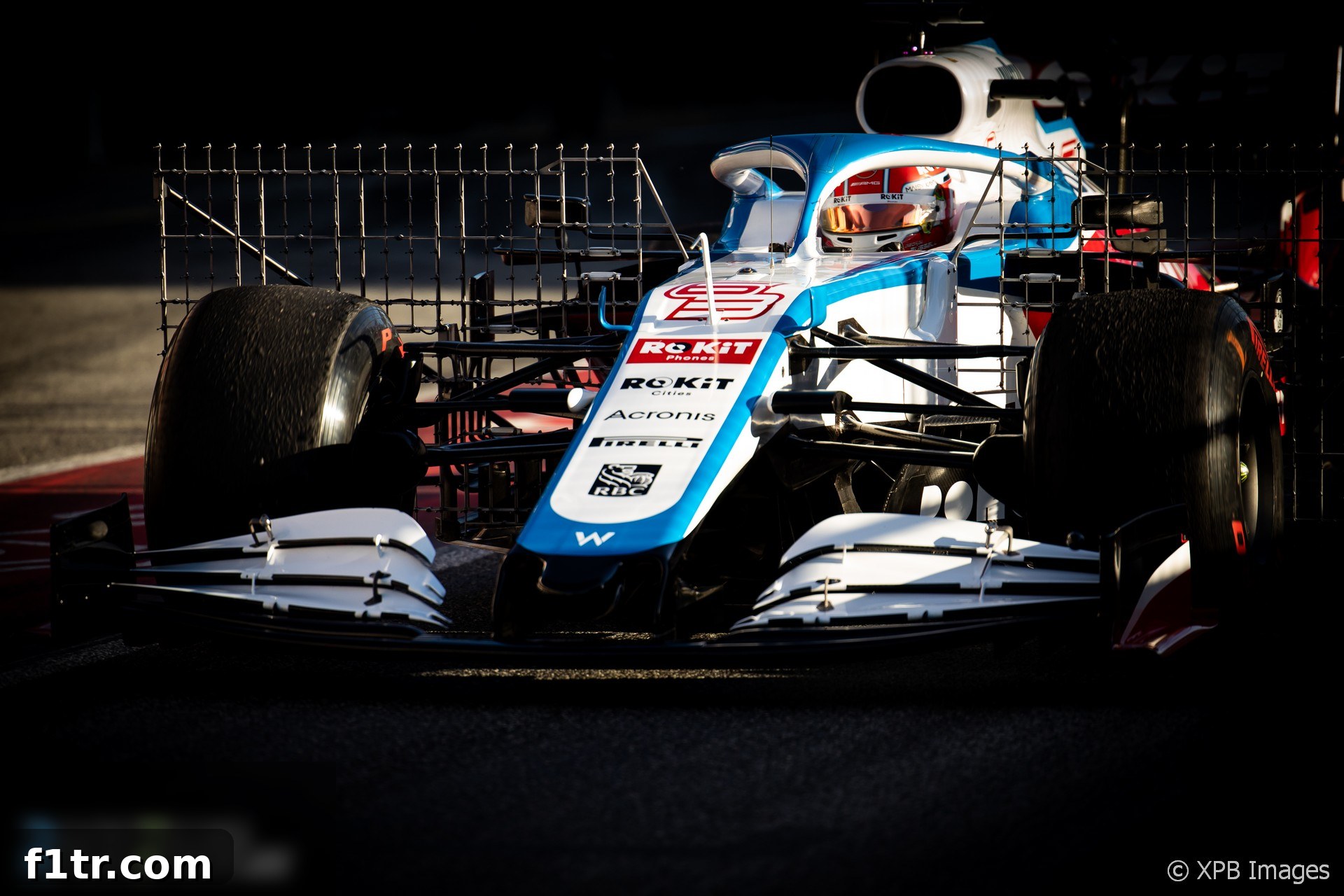
Claire Williams, the former Deputy Team Principal of Williams Racing, was an early and vocal proponent of these reforms, articulating her belief that the new rules would significantly benefit smaller, independent teams like hers. She emphasized that these regulations were not merely incremental adjustments but fundamental shifts designed to reshape the competitive landscape of Formula 1. The essence of her argument centered on creating a more equitable environment where innovation and talent, rather than sheer financial might, would ultimately determine success.
A Bold Step Towards Competitive Balance
The architects of these sweeping changes, particularly the FIA and its Head of Single-Seater Matters, Nikolas Tombazis, have been widely praised for their meticulous approach and willingness to engage with all stakeholders. Claire Williams lauded their efforts, stating, “The FIA had done an extraordinary job, and Nikolas Tombazis in particular, to listen to all the teams and to truly hear and come up with creative ways in order to adapt and to make the fight fairer for everybody.” This collaborative spirit underscores the industry-wide consensus that something had to change to safeguard the sport’s long-term health and appeal. The goal is to move away from a scenario where a handful of teams consistently dominate, towards one where multiple teams have a genuine chance to compete for podiums and victories, making every race weekend an unpredictable spectacle.
For Williams, the new aerodynamic handicap system is a prime example of this innovative problem-solving. “This is a case in point for that. I think it works, it’s a really neat solution and I think that obviously smaller teams are going to benefit from it. We get greater time in the tunnels to try and catch up and it’s going to hopefully bring about a convergence of performance faster than if we didn’t have it, obviously,” she explained. Her perspective highlights the immediate and tangible benefits for teams that historically struggled to match the development pace of their wealthier rivals. By granting more development resources to those at the back of the grid, the regulations intend to accelerate the natural process of performance convergence, leading to a tighter field and more thrilling races.
Understanding the Aerodynamic Handicap System
Aerodynamics is arguably the most critical performance differentiator in modern Formula 1. The efficiency with which a car can cut through the air, generate downforce, and maintain stability at high speeds directly translates to lap time. Historically, top teams with colossal budgets could invest virtually unlimited resources into wind tunnel testing and Computational Fluid Dynamics (CFD) simulations, gaining an insurmountable advantage. The new aerodynamic handicap system directly targets this disparity by introducing variable limits on these crucial development tools.
From 2021, teams are assigned different allocations for wind tunnel hours and CFD runs based on their championship standings. The principle is simple yet profound: the higher a team finishes in the Constructors’ Championship, the less time and fewer resources they are permitted to use for aerodynamic development in the subsequent period. Conversely, teams lower down the pecking order receive a greater allowance. These allocations are dynamic, being reassessed at six-month intervals based on the current championship positions. This ensures that the system remains responsive, continuously helping the weaker teams catch up while gently throttling the development pace of the dominant ones.
For instance, the championship winner might receive 90% of a baseline allocation, while the team finishing last could receive 115%. This tiered system creates a direct incentive for teams to perform well, but simultaneously provides a safety net for those struggling, offering them a clear pathway to improve. The aim is not to penalize success, but to create a more efficient distribution of development opportunities across the grid. Wind tunnels, massive facilities used to test scale models of cars under controlled airflow conditions, and CFD, sophisticated computer simulations that model fluid dynamics, are both immensely expensive and time-consuming. By limiting their usage differentially, the FIA aims to foster a more intellectually challenging environment where teams must be smarter and more efficient with their reduced resources, rather than simply outspending their competitors.
The Transformative Budget Cap
Complementing the aerodynamic handicap is another monumental change: a strict budget cap. Beginning in 2021, Formula 1 teams are limited to spending $145 million per season on their racing operations. This figure, while still substantial, represents a dramatic reduction for the sport’s biggest spenders, who traditionally operated with budgets often exceeding $400 million annually. This cap covers a vast array of expenses directly related to car performance, including car design, manufacturing, parts, research and development, and operational costs like travel and logistics. Certain expenditures, such as driver salaries, the salaries of the three highest-paid personnel, marketing activities, and engine costs (for customer teams), are explicitly excluded, allowing teams some flexibility in these areas while still reining in the core performance-related spending.
The introduction of the budget cap is designed to level the financial playing field, preventing the wealthiest teams from simply buying their way to victory. Claire Williams was a strong advocate for this, even suggesting she would have supported an even lower cap. “The lower the cost cap, the greater advantage teams like ours are to have,” she affirmed. Her statement encapsulates the inherent benefit for smaller teams. They are already accustomed to operating on tighter budgets and have developed a culture of efficiency and resourcefulness. For them, the $145 million cap might even represent an increase in their historical spending, allowing for more ambitious development projects.
Conversely, for the sport’s behemoths – teams like Mercedes, Red Bull, and Ferrari – the budget cap necessitates profound organizational restructuring and “dramatic cost cuts.” This involves streamlining operations, potentially reducing personnel, and re-evaluating every aspect of their spending. The challenge for these teams is to maintain their competitive edge within a significantly constrained financial framework. This shift encourages smarter engineering, strategic planning, and a renewed focus on value for money, moving away from the era of brute-force spending.
Williams recognized the inherent difficulty in finding a solution that appeased everyone, stating, “There’s always got to be compromise. You’re not going to please everybody all of the time and I feel very much this is a good compromise between the top teams and the lower teams on the grid. I think that it’s probably the best result that we could hope for.” This sentiment highlights the delicate balancing act involved in implementing such sweeping reforms. While top teams might view the cap as restrictive, and some smaller teams might have pushed for an even lower limit, the $145 million figure was ultimately agreed upon as a pragmatic compromise that addresses the core issues of competitive imbalance and financial sustainability.
Synergy for a Fairer Future
Crucially, the aerodynamic handicap and the budget cap are not standalone regulations; they are designed to work in synergy. The budget cap restricts the overall financial might teams can deploy, preventing unlimited spending across all areas, including aerodynamics. The aero handicap then specifically targets the most performance-critical area, ensuring that even within the budget cap, development resources for aerodynamics are distributed more equitably. Together, these rules create a powerful dual mechanism for fostering competitive convergence. Teams can no longer simply outspend their rivals on aerodynamic research, nor can they indefinitely out-develop them if they are consistently at the top of the standings. This combined approach is expected to lead to a more varied grid, where different teams have their moments of glory, and the championship battle remains open for longer periods.
The hope is that these regulations will encourage a new wave of innovation, not necessarily in absolute peak performance, but in efficiency, intelligent design, and strategic resource allocation. Teams will need to be cleverer with their designs, more precise with their simulations, and more astute in prioritizing their development paths. This could lead to a broader range of design philosophies and a more diverse set of competitive cars on track, enriching the spectacle for fans worldwide. The changes signify Formula 1’s commitment to a sustainable future, where competitive integrity and financial prudence go hand-in-hand.
Anticipating the New Era
As Formula 1 entered this new regulatory landscape, the anticipation across the paddock and among fans was palpable. The aim is clear: to make the sport more thrilling, more unpredictable, and ultimately, more accessible for a wider range of competitors. The vision articulated by Claire Williams and championed by the FIA is one where every team, regardless of its heritage or financial backing, has a credible path to success. This convergence of performance promises an exciting new chapter for Formula 1, where the focus shifts from financial might to engineering prowess, strategic brilliance, and sheer racing talent.
The path to a perfectly balanced grid is undoubtedly complex and will require continuous monitoring and adjustments. However, these foundational changes – the aerodynamic handicap and the budget cap – represent a brave and necessary step towards a healthier, more competitive, and ultimately, a more engaging Formula 1. The stage is set for a fairer fight, and the world of motorsport eagerly awaits the unfolding drama of this new era.