The thrilling opening act of the 2018 Formula 1 season at the Australian Grand Prix served as an immediate wake-up call for reigning champions Mercedes-AMG Petronas F1 Team. Following a challenging race weekend in Melbourne, where Ferrari emerged victorious, Silver Arrows’ ace Lewis Hamilton underscored a critical lesson: the burgeoning strength of rivals, particularly Red Bull and Ferrari with a resurgent Kimi Raikkonen, makes it more imperative than ever for Mercedes to have both of its cars consistently contending at the sharp end of the grid. This sentiment highlights the intensifying competitive landscape of Formula 1, where strategic depth and collective team performance are as crucial as individual brilliance.
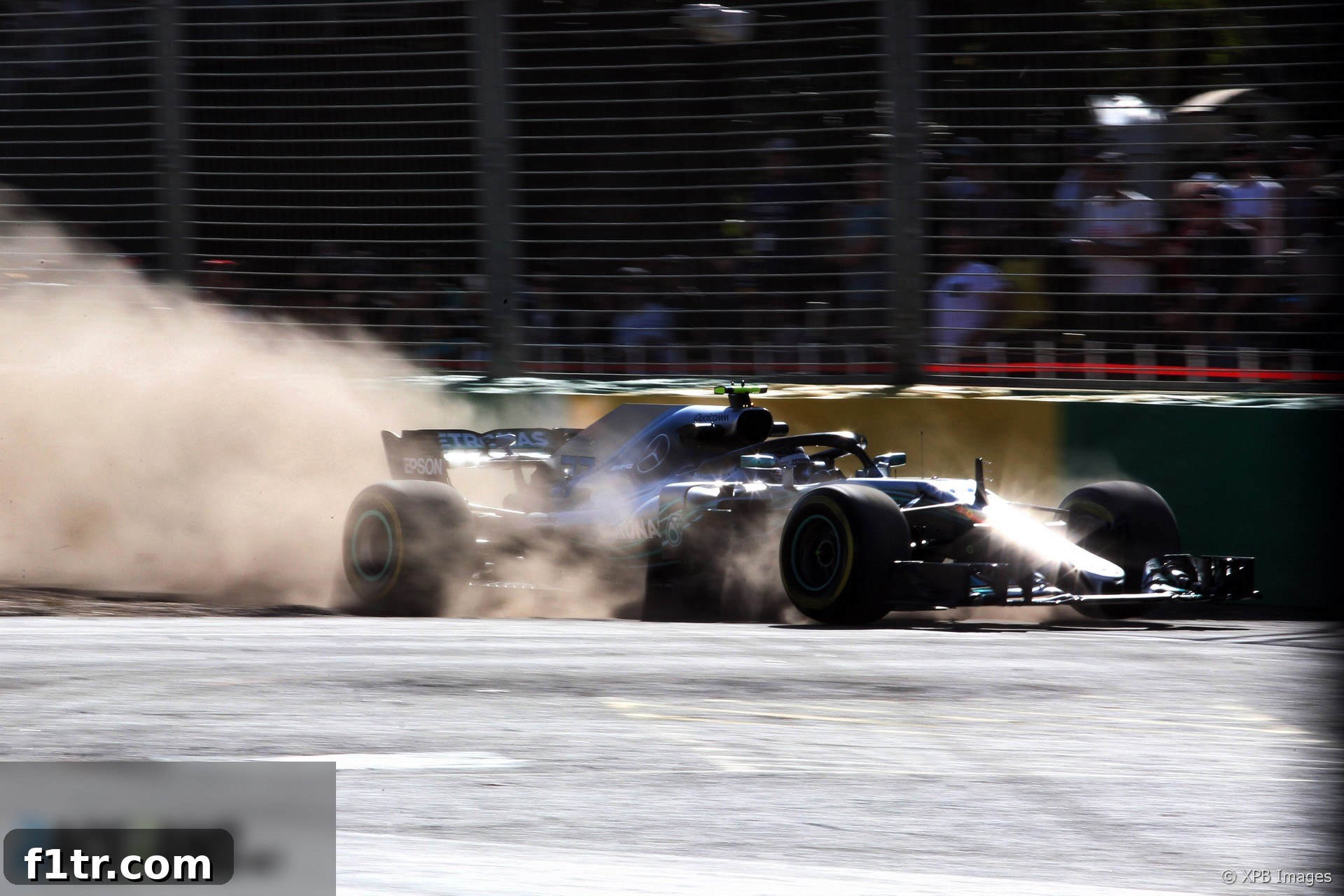
The Australian Grand Prix starkly illustrated Mercedes’ vulnerability when operating with only one car effectively in the mix. Hamilton, who had secured pole position, found himself engaged in a strategic battle against a twin-pronged attack from Ferrari. While Sebastian Vettel brilliantly executed an undercut during a Virtual Safety Car period to claim the victory, and Kimi Raikkonen maintained a strong presence, Hamilton was left without crucial support. Meanwhile, his teammate, Valtteri Bottas, faced a grueling recovery mission from the rear of the field after a significant crash during the Q3 session of qualifying. Bottas’s misfortune meant Mercedes could not deploy the kind of flexible, multi-car strategy that has historically been a hallmark of championship-winning teams, allowing Ferrari to dictate the pace and strategy effectively.
Reflecting on the race dynamics, Hamilton candidly admitted, “It was one against two.” This concise statement perfectly encapsulated the tactical disadvantage he faced. He elaborated on the immense challenge: “And it’s not easy to fight against a team that has two cars in the mix as one team with one.” In Formula 1, having two cars at the front offers an unparalleled strategic toolkit. Teams can split strategies, force rivals into suboptimal pit stops, defend against overtakes, or create gaps for one driver by holding up another. When one car is out of position, as Bottas’s was, the lead driver becomes a solitary target, severely limiting the team’s ability to respond to competitive threats and execute complex race plans. The Australian Grand Prix result was a stark reminder of these fundamental principles of team racing.
Despite the initial setback, Hamilton expressed unwavering confidence in his teammate’s ability to rebound. His comments underscored the strong team spirit and mutual support within Mercedes, crucial elements for any outfit aiming for championship glory. Hamilton’s prediction was not merely an act of optimism but a reflection of his understanding of Bottas’s capabilities and the team’s collective resolve to overcome adversity. He acknowledged that the Australian Grand Prix was an anomaly, a rare misstep for Bottas, and that such occurrences are part of the demanding nature of Formula 1. This immediate display of confidence from the team leader is vital for maintaining morale and focus, especially in the early stages of a long and challenging season.
Further elaborating on the necessity of a united front, Hamilton emphasized, “We’ll work together, Valtteri will be working very hard to make sure he’s up there in the mix and fight with us as well. He’s going to be fighting for wins, for sure, it won’t always be as it is today.” This statement highlighted the intrinsic bond between teammates in the Constructors’ Championship battle. The strength of the team is derived from both drivers consistently maximizing their performance and contributing to the overall points tally. Hamilton then underlined the heightened stakes for the 2018 season: “But last year it was important to have both cars up there, maybe now it’s even more important than ever before.”
The reasoning behind this elevated importance became clear as Hamilton pointed to the formidable competitors. “Especially with Red Bull being there and both Ferraris now Kimi [Raikkonen] is all of a sudden driving really well, which is great to see.” The 2018 season was shaping up to be a multi-team battle. Red Bull Racing, with their aggressive young talents Daniel Ricciardo and Max Verstappen, consistently posed a threat, particularly on circuits that suited their chassis. Their strong performance in Australia, with Ricciardo finishing fourth and Verstappen sixth despite a spin, signaled their intent to challenge for podiums and victories. More significantly, Kimi Raikkonen’s renewed vigor and consistent performance meant that Ferrari now had two strong contenders regularly vying for top positions, doubling the strategic pressure on Mercedes. This three-way championship fight between Mercedes, Ferrari, and Red Bull necessitated a faultless, two-car performance from the Silver Arrows to maintain their dominance.
From Valtteri Bottas’s perspective, the Australian Grand Prix was undeniably a weekend of missed opportunities, triggered by his Q3 qualifying crash. He admitted that the incident “ruined the weekend,” a sentiment every racing driver can relate to. A crash in qualifying not only strips a driver of a strong starting position but also forces them into a damage limitation race, often compromising the car’s setup and tyre strategy. Despite the obvious disappointment, Bottas revealed a newfound maturity in how he was processing the setback. He consciously made an effort not to be as self-critical as he might have been in previous seasons, indicating a deeper understanding of the mental resilience required in elite-level motorsport. This shift in mindset suggested a driver learning from experience, recognizing the fine line between accountability and self-destruction in a sport where mistakes are magnified.
Bottas elaborated on his evolving philosophy regarding setbacks, stating, “I think something I learned last year [is] you need to learn from every mistake but there’s a limit [to] how much you need to beat yourself up.” This insightful reflection highlights the intense psychological pressure F1 drivers endure. While introspection and learning are crucial for improvement, excessive self-blame can become counterproductive, hindering future performance. Bottas understood the transient nature of a single race result within a lengthy championship calendar: “because there’s a race always in one or two weeks again and you need to be at your best mental and physical shape.” His words underscored the necessity of quickly processing failures, extracting lessons, and then mentally resetting to be fully prepared for the next challenge. This pragmatic approach is essential for maintaining consistency and peak performance throughout a demanding 21-race season, where mental fortitude is as important as raw speed.
Despite starting 15th on the grid, Bottas approached the race with a clear objective: to maximize every opportunity. He asserted, “I tried to maximise [the race], this was the result but I’m not panicking about it.” His recovery drive, which saw him climb to an eighth-place finish, was a commendable effort given the circumstances, salvaging valuable points for Mercedes. His calm demeanor and refusal to “panic” after the opening race spoke volumes about his maturity and strategic outlook. He acknowledged the reality of the result but refused to let it define his season. By putting the Australian Grand Prix into perspective – “It’s just one race out of 21, long year ahead” – Bottas demonstrated a long-term vision crucial for a championship contender. This measured response from both Mercedes drivers, emphasizing teamwork and resilience, signaled their determination to overcome early challenges and continue their pursuit of Formula 1 supremacy in what promised to be a fiercely contested 2018 season.
Go ad-free for just £1 per month>> Find out more and sign up
2018 F1 season
- F1 feared “death knell” for Drive to Survive after Ferrari and Mercedes snub
- McLaren staff told us we were “totally crazy” to take Honda engines in 2018 – Tost
- ‘It doesn’t matter if we start last’: How Red Bull’s junior team aided Honda’s leap forward
- Honda’s jet division helped F1 engineers solve power unit problem
- McLaren Racing losses rise after Honda split
Browse all 2018 F1 season articles