Formula 1 Navigates the Future: Innovation, Legacy, and the Fan Experience
The exhilarating world of Formula 1 is perpetually in a state of evolution, constantly balancing its rich heritage with the demands of modern innovation and a global fanbase. From visionary ideas about the aesthetics of future race cars to strategic team battles and the personal journeys of motorsport icons, the sport is a vibrant tapestry of speed, technology, and human endeavour. This comprehensive round-up provides an in-depth look at recent pronouncements and developments shaping the narrative of F1, offering insights into its challenges, its direction, and its enduring appeal to millions worldwide.
Leading Voices and Key Developments in Formula 1
Dive into the most compelling F1 news, insightful analyses, and exclusive features curated from diverse sources across the web:
Vijay Mallya Advocates for Formula E Inspiration in F1 Car Design
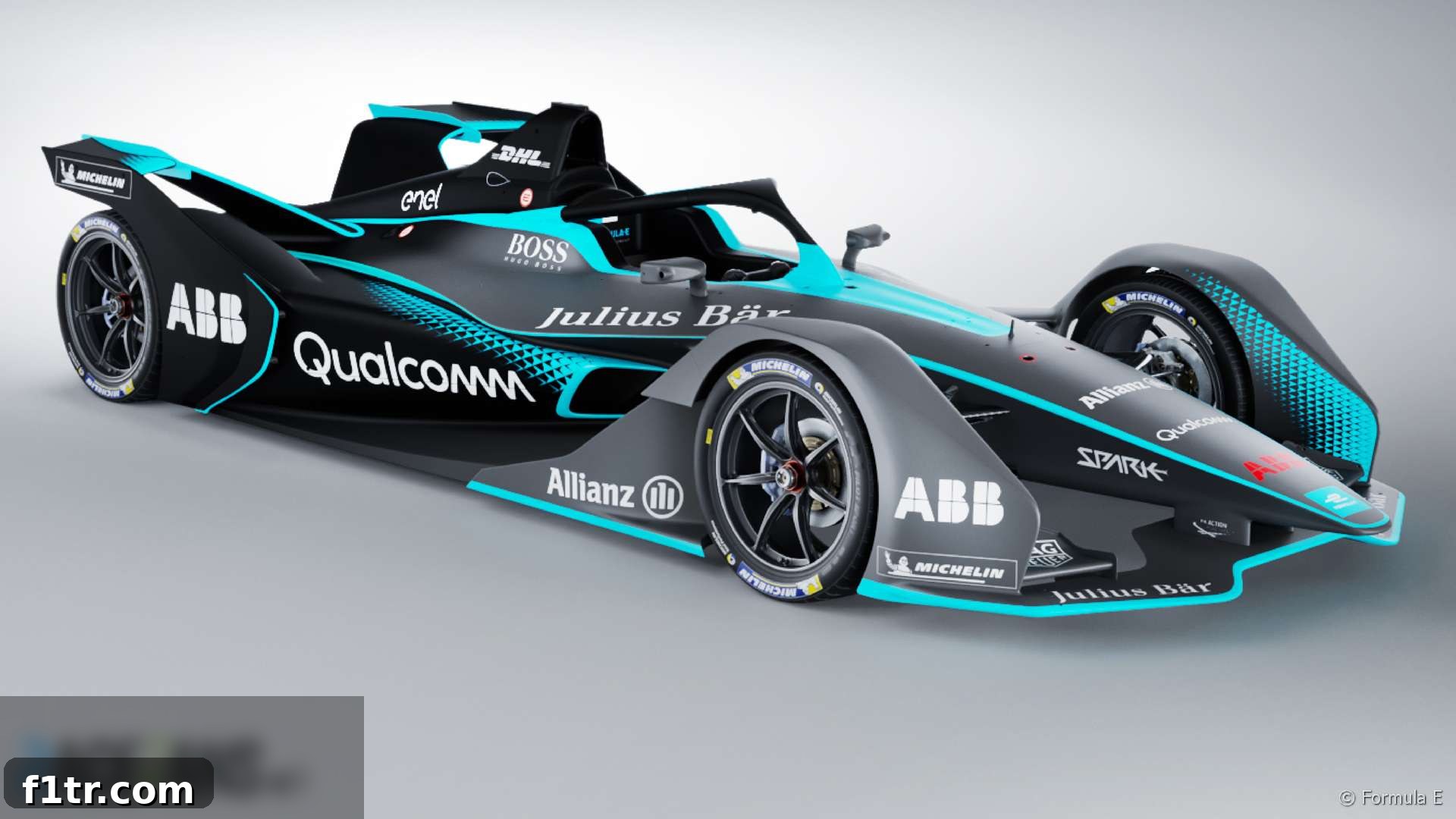
In a forward-thinking commentary, Vijay Mallya, the former co-owner of the Force India Formula 1 team, has voiced a compelling suggestion for the sport’s future: that Formula 1 should seriously consider drawing aesthetic and design inspiration from Formula E cars. Mallya’s perspective highlights a critical aspect of F1’s ongoing evolution – its visual identity and its relevance to an expanding, particularly younger, audience.
Mallya’s time at Force India was characterized by the team’s extraordinary ability to maximize its resources, frequently earning the complimentary title of ‘bang for buck world champions.’ This recognition, which he admitted taking “special satisfaction” in, reflects a pragmatic approach to motorsport. He points out that even with the controversial introduction of the ‘halo’ safety device, new-era cars, including the latest Formula E challenger, manage to maintain an “aggressive” and visually engaging appearance. This argument is significant, as the halo’s impact on F1 car aesthetics has been a consistent point of discussion among fans and designers alike. Mallya effectively argues that vital safety innovations need not detract from the cars’ overall visual impact, and that a blend of safety and modern design is achievable.
The call to observe Formula E is particularly pertinent given the rising profile of the all-electric series. Formula E has successfully carved out its niche by emphasizing sustainable technology, futuristic design, and engaging urban races. Its cars, while distinct in their performance characteristics, are often lauded for their sleek, modern lines that resonate with contemporary design trends and an audience increasingly interested in electric mobility. For Formula 1, ensuring its cars remain aspirational, dynamic, and visually compelling is crucial for attracting and retaining a new generation of fans. Mallya’s insights serve as a timely reminder that F1’s growth trajectory must consider not only its engineering marvels but also its aesthetic appeal as a global entertainment spectacle.
Read the full exclusive interview with Vijay Mallya on Firstpost
Danica Patrick’s Poignant Preference for an Indianapolis 500 Victory
As she prepared for the concluding chapters of her groundbreaking racing career, American motorsport icon Danica Patrick openly expressed a deeply personal desire: to clinch victory at the legendary Indianapolis 500 over the Daytona 500. This heartfelt sentiment underscores the unique allure and historical weight that certain races hold for drivers, transcending mere competition to become a lifelong dream.
Patrick, a trailblazer who shattered gender barriers in a male-dominated sport, had devised a memorable ‘Danica Double’ to cap off her illustrious career, competing in both the NASCAR Daytona 500 and the IndyCar Indianapolis 500. When directly asked which of these two colossal events she would prioritize winning, her response was immediate and clear: “Yeah, it would be Indy. There’s nothing against Daytona, but just from being a young little girl, I had always wanted to win the Indy 500.” Her words resonate with countless racers who grew up dreaming of conquering the Brickyard, a venue steeped in over a century of racing history and tradition.
The Indianapolis 500, often dubbed “The Greatest Spectacle in Racing,” is not merely a race; it’s a cultural phenomenon in American motorsports. Its rich legacy and demanding nature make it a supreme test of a driver’s skill, strategy, and resilience. Patrick’s career, highlighted by her historic fourth-place finish in the 2005 Indy 500 and her pioneering victory in the 2008 Indy Japan 300, consistently showcased her formidable talent. Her declared preference for an Indy 500 win in her swansong season powerfully illustrated the enduring power of childhood aspirations and the profound emotional connection drivers form with specific events that define their sport. Her final pursuit of Indy 500 glory captivated fans, adding a layer of poignant anticipation to her farewell performances.
Find out more about Danica Patrick’s Indy 500 plans on IndyCar.com
Chase Carey on Ferrari’s Enduring Legacy and the Primacy of F1 Fans
Chase Carey, the former Chairman and CEO of Formula 1 under Liberty Media, articulated a clear vision for the sport’s future, emphasizing that while iconic brands like Ferrari are foundational to F1’s history, the ultimate priority must always be the fans. His statements signal Liberty Media’s strategic pivot towards a more fan-centric approach, aimed at expanding F1’s global reach and ensuring its long-term vitality.
In an interview with Corriere della Sera, Carey paid due homage to Ferrari’s unparalleled stature in Formula 1, acknowledging, “The Ferrari is a legend.” Indeed, the Scuderia is inextricably linked with F1, boasting an unrivaled record of success, a fervent global fanbase known as the ‘tifosi’, and a brand identity that extends far beyond the racetrack. However, Carey swiftly qualified this reverence by asserting that the overall health of the sport and the robust engagement of its global audience are even more critical. He reinforced this point by referencing other historic teams, noting, “There are other great teams besides Ferrari. Even McLaren, if it was competitive, would have a great following.”
This perspective underlines Liberty Media’s philosophy of cultivating a dynamic and competitive championship where multiple teams can realistically contend for race victories and championships. A thriving F1 is characterized by a diverse range of captivating narratives and rivalries, rather than domination by a single entity. The mention of McLaren, a team with its own illustrious heritage but which had faced periods of reduced competitiveness, serves as a powerful example of how the sport benefits immensely when all its major players are performing at their peak. By prioritizing an enhanced fan experience through accessible content, engaging digital platforms, and compelling on-track action, Liberty Media sought to safeguard F1’s future as a premier global entertainment spectacle, meticulously balancing respect for its cherished traditions with a proactive embrace of innovation for its loyal and prospective followers.
Explore Chase Carey’s views on Ferrari and F1’s future in Corriere della Sera (Italian)
Renault’s Realistic Assessment of its Formula 1 Performance Gap
The Renault factory Formula 1 team has offered a candid and pragmatic assessment of its competitive standing, openly acknowledging a significant performance deficit against established top-tier rivals such as Red Bull and McLaren. This honest self-evaluation underscores the immense challenges involved in ascending the competitive hierarchy in modern F1 and sets realistic expectations for their determined journey back to the pinnacle of the sport.
The team’s internal strategic projections indicated that achieving complete parity with the leading teams was an ambitious goal unlikely to be fully realized before the 2019 season. The immediate ambition, however, was a resolute focus on substantially narrowing the performance gap within the current year. This approach signals a strategy of incremental yet relentless progress, predicated on consistent and robust development across both their engine and chassis departments. Bridging a “big deficit” in Formula 1 demands sustained and substantial investment, meticulous engineering, and the unwavering execution of a coherent long-term strategic blueprint. In a sport where mere milliseconds can delineate victory from anonymity, closing a significant performance gap against technologically advanced and financially potent rivals is a formidable undertaking.
Renault’s enduring commitment to Formula 1, both as a dedicated engine supplier and a full-fledged factory team, accentuates its long-term strategic significance to the automotive giant. Their overarching objective extends beyond mere participation; it is fundamentally about showcasing their cutting-edge engineering prowess, technological innovation, and formidable brand strength on a grand global stage. While attaining full competitiveness is a process that invariably requires time and patience, the explicit focus on methodically narrowing the gap unequivocally demonstrates a clear intent to emerge as a serious and consistent contender. This comprehensive strategy necessitates the optimization of every conceivable aspect of their intricate operation, encompassing aerodynamic efficiency, power unit performance, operational reliability, and astute strategic race execution, thereby meticulously laying the essential groundwork for sustained future success.
Analyse Renault’s performance deficit and future strategy on Autosport
Paddy Lowe’s Measured Approach to Williams’ Revival
Paddy Lowe, a highly respected and experienced figure in Formula 1 engineering, outlined a pragmatic and cautious strategy for the iconic Williams Racing team, emphasizing the critical need to avoid “radical” changes. His approach brilliantly illuminated the inherent and often significant challenges faced by smaller, independent teams operating within the extraordinarily resource-intensive and financially demanding landscape of modern Formula 1.
Lowe’s extensive and successful career trajectory across multiple front-running F1 teams, including McLaren and Mercedes, provided him with a profoundly unique and invaluable perspective on optimizing and managing finite resources. He candidly acknowledged that “You do more often bump up against resource constraints in a small team than you do in a big team.” This frank observation encapsulates a fundamental and often unforgiving reality within Formula 1: while virtually every team possesses an exhaustive list of desirable improvements and ambitious projects, only those endowed with the most substantial financial backing can realistically pursue and implement them all simultaneously. For a team like Williams, a storied constructor with an incredibly proud history but grappling with more recent competitive struggles, the strategic imperative decisively shifts towards meticulously identifying the most impactful and genuinely achievable changes within their specific financial and personnel capacities.
The judicious strategy of consciously avoiding “radical” overhauls in favour of targeted, precisely deliverable improvements is almost invariably a prudent and highly effective one for teams operating with finite resources. This methodical approach inherently minimizes inherent risks, effectively prevents the debilitating dilution of efforts across an excessive number of projects, and crucially ensures that any progress, however incremental, is robust, sustainable, and built upon solid foundations. Williams, under Lowe’s astute guidance, aimed to meticulously rebuild its foundational strengths with a systematic approach, concentrating intently on operational efficiency and maximizing the untapped potential of its existing resources, rather than embarking on sweeping, potentially over-ambitious changes that might severely overstretch the team’s capabilities. This deliberate and methodical approach is absolutely vital for any team aspiring to achieve long-term stability and a gradual, yet determined, return to competitiveness in the relentlessly demanding and fiercely competitive world of Formula 1.
Delve into Paddy Lowe’s strategic vision for Williams on Racer.com
Have you encountered a pivotal link or an engaging F1 story that merits broader attention? We welcome you to submit your findings to be featured in an upcoming F1 Fanatic round-up:
- Share your valuable F1 news tips and links with us here
Formula 1 on Social Media: Connecting Drivers, Teams, and Fans
The vibrant digital realm provides an immediate and intimate window into the lives of F1 drivers and the dynamic pulse of the sport. Below are notable posts from influential platforms like Twitter and Instagram, offering glimpses into personal preparations, team insights, and direct fan engagement:
Fernando Alonso’s Intense and Diverse Pre-Season Training Regiment Unveiled
Double Formula 1 world champion Fernando Alonso, renowned for his relentless pursuit of competitive excellence and his passionate engagement across various forms of motorsport, offered a detailed insight into his rigorous training regimen and diverse racing activities through a captivating Instagram post. The Spanish driver showcased an impressive array of physical endurance and on-track efforts, demonstrating his holistic approach to peak performance.
His meticulously detailed post outlined an incredibly intensive period from December 1st, encompassing: 1,820 km of cycling 🚴, 437 km of running 🏃🏻, 59 km of swimming 🏊, 60 hours dedicated to gym work and other sports (🏋️⛹️🎾), 30 hours of high-intensity karting (🌪), and significant participation in the gruelling Daytona 24h endurance race (🚙). This comprehensive and multi-disciplinary preparation underscored Alonso’s unparalleled dedication not merely to Formula 1 but to maintaining the status of an elite, all-around athlete capable of competing at the highest level across profoundly different motorsport disciplines. The accompanying hashtags, including #14, #f1, #mclaren, #1weektogo, and #ready, effectively amplified his unwavering focus on the upcoming F1 season with McLaren, generating palpable anticipation among his vast legions of fans globally. Such transparent sharing of intricate personal training schedules has increasingly become a hallmark of modern athletes, who utilize social media platforms to engage directly and authentically with their audience, offering an intimate, behind-the-scenes perspective that was once exclusively reserved for documentaries.
100% ready. From December 1st: • 1.820 km 🚴 • 437 km 🏃🏻 • 59 km 🏊 • 60h 🏋️⛹️🎾 • 30h Karting 🌪 • Daytona 24h🚙 __________________________________ @mclaren #14 #f1 #mclaren #1weektogo #ready
A post shared by Fernando Alonso (@fernandoalo_oficial) on
For enthusiasts eager to deepen their engagement with the F1 community and track real-time insights from their favourite drivers and teams, our meticulously curated directory offers direct access to official F1 accounts and a broader spectrum of motorsport personalities:
- Explore the Official F1 Social Media Directory for the latest updates and connections
Fan Spotlight: Lando Norris’s Exceptional Performance at Daytona
While much of the media spotlight at Daytona was justifiably cast upon the high-profile participation of Fernando Alonso, his then-teammate, the prodigious young talent Lando Norris, also garnered significant admiration and attention with his truly exceptional performance. Norris, who was already making considerable waves in junior racing categories, demonstrated remarkable skill, poise, and composure, particularly under the most challenging of track conditions.
Lando in the wet was insann. Seen a YouTube video of him on dry tyres on his in-lap when it started raining, ridiculously good. Wish I could see his whole stint, the lap times were incredible.
— @Hugh11
This insightful “comment of the day” from @Hugh11 perfectly encapsulates the growing buzz and excitement surrounding Norris. His astonishing ability to maintain incredible lap times, even while on dry tires during a sudden and intense downpour, specifically during his in-lap, stands as a profound testament to his innate car control, exceptional spatial awareness, and remarkable adaptability – qualities that are not merely desirable but absolutely indispensable for success in the demanding world of Formula 1. Such standout performances in high-stakes endurance racing provide invaluable experience and serve as potent indicators of a driver’s future F1 potential. Norris’s impressive showing at Daytona vividly underscored his burgeoning status as a truly bright prospect, electrifying fans and pundits alike about his eventual and highly anticipated progression to the absolute highest echelons of motorsports. It highlights a recurring theme: how young talents often seize unexpected moments to shine brilliantly, decisively proving their mettle against seasoned and established competitors.
Celebrating Our F1 Fanatic Community: Happy Birthday!
A very special shout-out and the warmest wishes are extended to esteemed members of our vibrant F1 Fanatic community who are celebrating their birthdays today! Join us in wishing a truly happy birthday to Geo132, Jason, Sebastien Carter, Shyguy2008, and Sparky!
Being an integral part of the F1 community transcends merely following the races; it’s fundamentally about fostering connections and celebrating shared passions with fellow enthusiasts worldwide. If you would like to receive a personalized birthday shout-out in our forthcoming round-ups, we warmly invite you to share your birth date with us. We genuinely love to celebrate these special moments with our dedicated and cherished readers!
- Inform us of your birthday via our easy-to-use contact form
- Add your birthday to our inclusive community list here
On This Day in Formula 1 History: Remembering a Mid-Century Icon
Today marks a poignant moment of remembrance in the annals of Formula 1 history, as we reflect upon the passing of a notable and influential figure from the sport’s formative and thrilling mid-century years.
- French Formula 1 pioneer Maurice Trintignant, a highly celebrated and respected racer from the dynamic 1950s era, passed away on this very day in 2005.
Maurice Trintignant, often affectionately known as “Le Petoulet” (The Farmer) due to his family’s viticultural background, was a genuinely significant competitor during the nascent decades of Formula 1. His distinguished racing career spanned an impressive period from 1950 to 1964, during which he achieved two memorable Grand Prix victories – at the illustrious 1955 Monaco Grand Prix and again at the 1958 Monaco Grand Prix, driving for iconic teams such as Ferrari and Cooper, respectively. Trintignant was widely recognized for his remarkably calm demeanour under pressure, his consistent driving style, and his strategic acumen, making him a formidable and respected presence in an era often characterized by raw courage and daring feats. His notable successes, particularly his victories on the demanding streets of Monaco, firmly cemented his place as a revered figure in motorsport history. Remembering and honouring drivers like Trintignant allows us to appreciate the rich, intricate tapestry of F1 history and the legendary figures who profoundly shaped it into the global spectacle it is today, thereby forging a vital connection between the heroes of the past and the enthusiastic fans of the contemporary era.