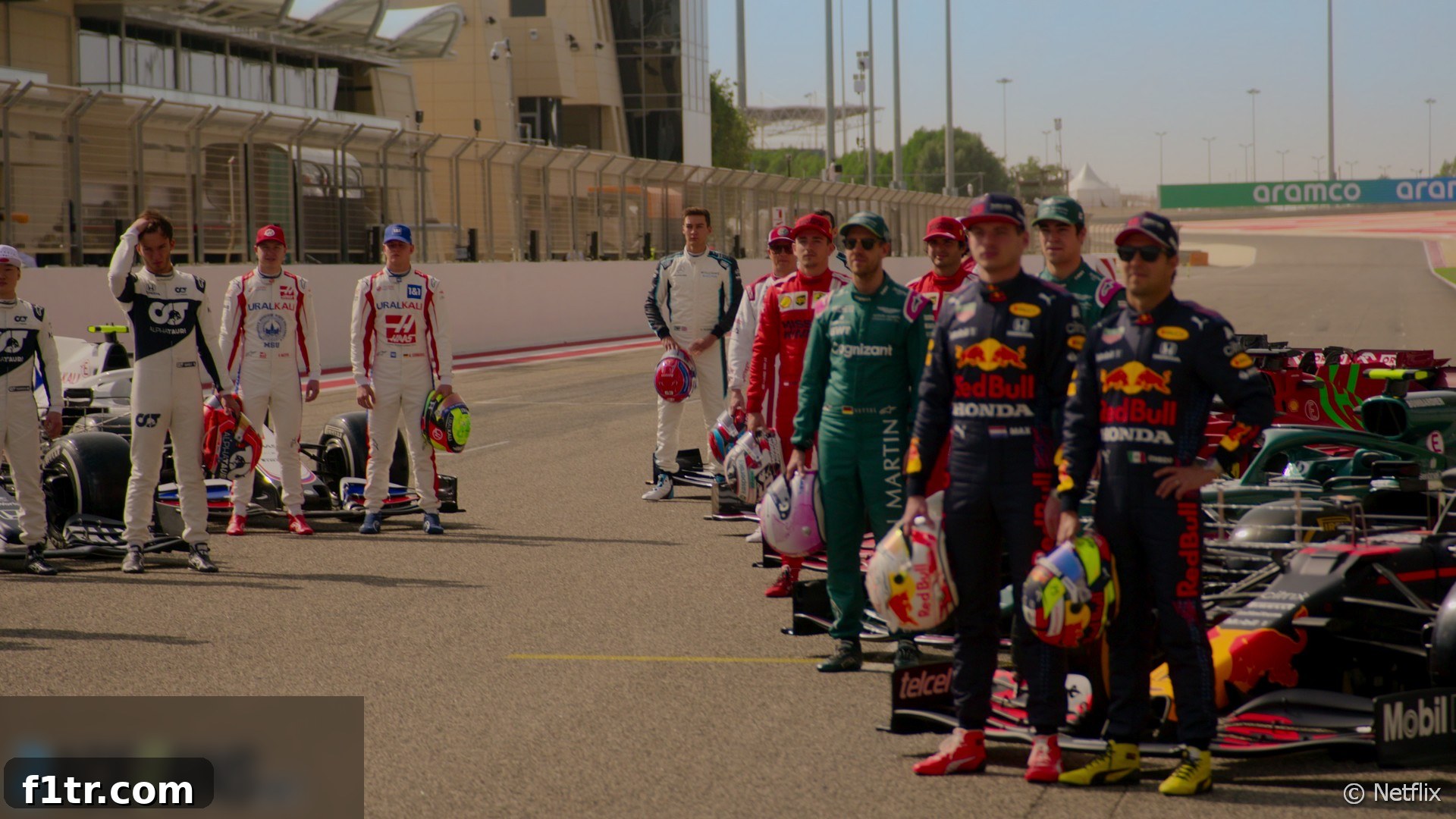
Anticipation is soaring among motorsport enthusiasts and new fans alike as Netflix officially drops the first trailer for the highly anticipated fourth season of its groundbreaking Formula 1 documentary series, Drive to Survive. This new installment promises an intimate, behind-the-scenes look at the enthralling events of the 2021 F1 season, a year widely regarded as one of the most dramatic and unforgettable in the sport’s illustrious history. Slated for release on March 11th, the series will unfold across 10 compelling episodes, each designed to capture the raw emotion, intense rivalries, and high-stakes drama that defined that championship year.
Since its debut, Drive to Survive has fundamentally reshaped the landscape of Formula 1, propelling the sport into the mainstream and significantly broadening its global appeal. Its innovative fly-on-the-wall approach has captivated a new generation of fans, particularly in crucial emerging markets such as the United States, a demographic that F1 owners Liberty Media have actively sought to engage. The series has often been credited with demystifying Formula 1, making it accessible to viewers who might not have previously understood the intricacies or emotional depth of Grand Prix racing.
The profound impact of the documentary has not gone unnoticed by the sport’s leadership. Stefano Domenicali, CEO of Formula 1, enthusiastically acknowledged the show’s influence during a recent conference call with investors. “It’s no doubt that Drive to Survive has an incredible effect mainly on the new audiences and also in other new markets like US, for sure,” Domenicali stated, highlighting the strategic value of the Netflix collaboration. He further teased the upcoming season, hinting at the unparalleled drama it contains. “You have to stay tuned to the new series, because I’ve just had the possibility to see and it would be fantastic. And with the right tone and, as you can imagine with what has happened last year, there will be a lot of action on. So that’s good.” His remarks underscore the immense excitement surrounding the 2021 season’s portrayal, a year marked by a fierce title fight that went down to the very last lap.
The resounding success of Drive to Survive has sparked a significant trend within the sports entertainment industry, inspiring numerous imitators to adopt a similar behind-the-scenes narrative format. From tennis to golf, sports leagues worldwide are now attempting to replicate the intimate storytelling and character-driven drama that has become the hallmark of the F1 series. A notable example is Moto GP Unlimited, which is set to premiere on Amazon Prime just three days after the launch of the new season of Drive to Survive. This proliferation of similar documentaries across various sports is a testament to the pioneering influence of Netflix’s approach, demonstrating its effectiveness in engaging audiences beyond traditional viewership models.
Despite its undeniable triumphs, Domenicali also suggested that Formula 1 is open to evolving the program’s format in the future, ensuring it remains fresh and continues to deliver compelling content. The goal is to prevent stagnation and maintain the series’ unique appeal. “I think that what we have shown as Formula 1 has been always to be in front of the step change that everything has to happen,” he commented, emphasizing F1’s commitment to innovation. He stressed the importance of maintaining a differentiating factor. “So I think that it’s important for us to be, with Drive to Survive, with our Netflix friends, up to the moment where we believe that will make a show that it’s a differentiating factor.” This proactive stance indicates a desire to continually enhance the viewing experience and prevent the series from becoming merely another way to recount race weekends without adding significant value.
Domenicali further elaborated on the potential for future adjustments, stating, “If it is becoming just a different way to speak about Formula 1 without adding or giving to Formula 1 platform added value, maybe I think it’s better to renegotiate and see with Netflix or with the other partners what could be a possibility to do something different in the future.” This thoughtful consideration highlights a strategic commitment to ensure the documentary series consistently offers meaningful insights and contributes positively to the overall F1 brand. It underscores the importance of the show not just as entertainment, but as a vital tool for enriching the Formula 1 experience for its growing global audience. The balance between maintaining a successful formula and embracing innovation will be key to its sustained longevity and relevance in an ever-evolving media landscape.
Despite these considerations for future evolution, Domenicali unequivocally stressed F1’s immense satisfaction with Drive to Survive‘s tangible contribution to the sport’s recent surge in popularity. He highlighted its pivotal role in elevating awareness, particularly among younger demographics and those completely new to Formula 1. “This platform has been a vital point on the growth of awareness, mainly with a young generation and with newcomers of Formula 1,” he affirmed. “And for that we need to thank that vision and the product and the quality of that has been really very, very good.” His remarks serve as a powerful endorsement of the series, acknowledging its effectiveness in bringing the thrill and complexity of Grand Prix racing to a broader, more diverse audience than ever before.
However, the series has not been immune to criticism, particularly concerning its dramatic portrayal of events and perceived embellishment of rivalries. World Champion Max Verstappen has been among the most vocal critics, openly refusing to cooperate with the program makers in previous seasons. Verstappen notably accused the producers of “faking a few rivalries that didn’t exist,” expressing discomfort with what he felt was a manufactured narrative designed to heighten drama. This stance ignited a debate among fans and pundits about the line between documentary storytelling and reality television, and how authentic these portrayals truly are. Critics argue that exaggerating tensions can misrepresent the sport and its athletes, potentially creating unnecessary animosity where genuine rivalries might not exist or are less intense than depicted.
Despite his previous reluctance, Verstappen will appear in the new series covering the 2021 season. This is largely due to the fact that the producers have direct access to a vast archive of footage shot independently by Formula 1 Management. This means that even without a driver’s direct participation in interviews or dedicated filming sessions, their on-track actions, team radio communications, and paddock interactions can still be incorporated into the narrative. This access allows the series to offer a comprehensive account of the championship battle, regardless of individual driver cooperation, ensuring that all key protagonists from the unforgettable 2021 season, including its eventual champion, are featured prominently within the story.
Drive to Survive season four teaser trailer
The newly released teaser trailer for season four offers a tantalizing glimpse into the high-octane drama awaiting viewers. It compiles a rapid-fire montage of key moments, intense emotions, and pivotal clashes that defined the 2021 season. From the early season battles to the dramatic climax in Abu Dhabi, the trailer skillfully builds anticipation, reminding fans of the fierce competition between teams and drivers. It showcases the raw passion and unwavering determination that underscores Formula 1, serving as a powerful reminder of why the 2021 season has etched itself into the annals of motorsport history. The trailer not only celebrates the sport’s spectacle but also hints at the emotional toll and immense pressure faced by those competing at the pinnacle of racing, setting the stage for another gripping installment of the beloved documentary series.
Beyond 2021: Examining the Future Impact on F1
While season four dives deep into the iconic 2021 season, the influence of Drive to Survive continues to shape discussions and narratives surrounding subsequent Formula 1 seasons. The insights provided by the series often contextualize later events and driver dynamics, offering a lens through which fans interpret ongoing developments. Below are some related discussions and articles that delve into the 2022 F1 season, showcasing the ongoing ripple effect of the sport’s amplified global presence and the heightened scrutiny it now faces:
- Lewis Hamilton’s candid reflections on Mercedes’ 2022 car challenges, revealing team disagreements.
- The FIA’s confirmation that all ten F1 teams adhered to the stringent 2022 cost cap regulations.
- Guenther Steiner’s unapologetic stance on his critical remarks about Mick Schumacher inDrive to Survive.
- Alexander Albon attributes his successful F1 comeback to personal development during his year away from the sport.
- Lewis Hamilton observes progress in F1’s diversity initiatives years after experiencing significant racial prejudice.
Explore a comprehensive collection of articles on the 2022 F1 season.