The idea that sport and politics should never mix has long been unrealistic. In recent years it has become increasingly clear that athletes and teams play a role in public debate, and Formula 1 drivers are no exception. Drivers now speak out on diversity, racism, climate change and human rights, bringing a wider perspective to the sport’s global audience.
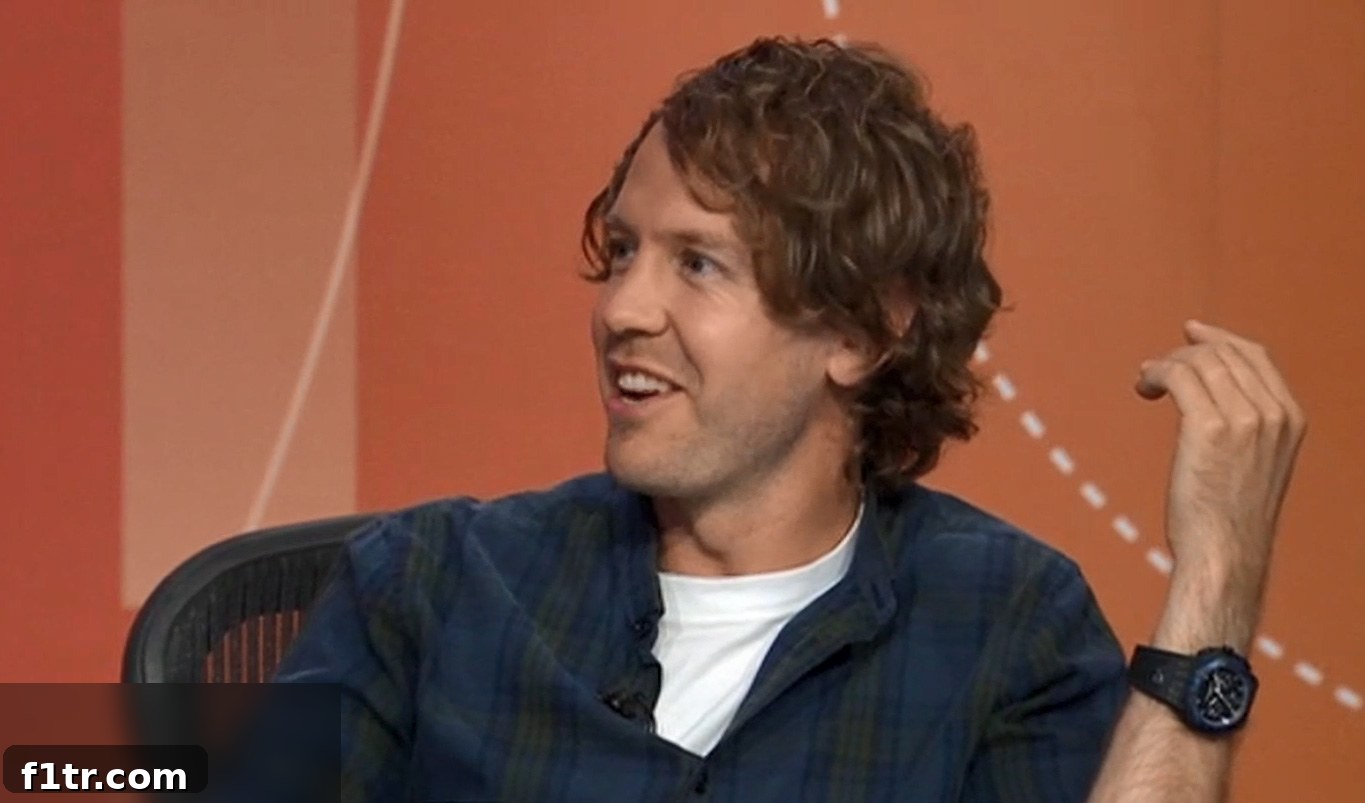
Among the most outspoken and thoughtful drivers is Sebastian Vettel. The four-time world champion demonstrated his depth of knowledge and measured approach during an appearance on the BBC’s Question Time. His participation was notable not only for the programme, one of Britain’s most watched political shows, but also for F1—Vettel spoke calmly and intelligently about issues far beyond race strategy and car setup.
Rising cost of living
Rising energy costs, exacerbated by Russia’s invasion of Ukraine, were a leading topic on the show. Vettel drew on his experience in Germany, a country highly dependent on Russian gas, and argued that governments should have moved away from polluting, imported energy sources much earlier.
He acknowledged the immediate reality facing families: higher energy bills are taking money out of consumers’ pockets. But Vettel framed the problem as part of a broader, long-term challenge. He said the solution must include a shift toward renewable energy—what he described as “peace energy” or “freedom energy”—so countries are less vulnerable to geopolitical shocks and households are better protected.
Vettel admitted the situation is complex. Rapidly cutting ties with a major energy supplier can have difficult short-term consequences, such as shortages in winter without sufficient storage infrastructure. Still, he argued that investing in renewables and preparing in advance would reduce dependency and better safeguard both economies and the planet.
Finland applying to join NATO
The conversation returned to Russia when the panel discussed Finland’s decision to apply to NATO after the Ukraine invasion. Vettel, who has met Russian leaders while attending races in the past, expressed sympathy for Ukraine and the people fleeing the conflict. He acknowledged that signs of Russia’s ambitions were visible earlier than many recognised and said protecting vulnerable nations is essential.
Vettel supported providing help to those under threat and described the difficult moral and political debate Germany faced over supplying arms. He emphasised the human cost: civilians are suffering and require immediate support, even as policymakers wrestle with the broader implications.
Energy policy and dependency
Returning to energy policy, Vettel criticised the original decisions that created heavy dependence on Russian supplies. He pressed politicians to listen to experts and take long-term strategic decisions rather than short-term fixes. Using the UK and Norway or Austria as examples, he highlighted that each country has different renewable strengths—wind and solar for the UK, hydropower for Alpine nations—which can be leveraged to improve energy security.
He also warned that political shifts—like changes in elected leadership—can alter national priorities over time, so building resilient, domestically sourced energy systems is crucial for stability.
On his future in Formula 1
Host Fiona Bruce asked whether it was hypocritical for Vettel to campaign on environmental issues while racing in a global motorsport that travels to more than 20 countries per season. Vettel acknowledged the tension and said he asks himself the same questions. He loves driving but recognises the environmental impact of frequent travel and resource use.
He noted Formula 1’s role in entertainment and how the sport helped provide a semblance of normality during the pandemic, but reiterated that many personal choices—fewer flights, more efficient travel—are within his control. He urged ongoing reflection and practical changes where possible.
Boris Johnson and public trust
Vettel discussed British politics and public trust in leaders, using the example of the controversy surrounding former prime minister Boris Johnson breaking Covid rules. Speaking as a father, he explained how credibility matters: if leaders preach one standard and act differently, it undermines their authority and public confidence. While everyone makes mistakes, he argued there are responsibilities that come with office.
Brexit
Vettel also reflected on Brexit, which he said seems difficult to reconcile with the global challenges the world faces—environmental crises, social justice and cross-border problems that benefit from cooperation. He admitted not being an expert in every detail but suggested that complex, transnational issues are harder to solve in isolation. He encouraged constructive dialogue, urging leaders to talk to each other and to the EU to address outstanding practical and political problems.
Conclusion
Vettel’s Question Time appearance provided a model of civil, informed debate from a public figure who brings both passion and nuance to political discussion. He combined personal reflection with practical suggestions—especially on energy transition and international cooperation—without oversimplifying complex challenges. For viewers, his contribution was a reminder that athletes can use their platform responsibly to engage with urgent public debates.
2022 F1 season
- Mercedes told me “you’re wrong” about 2022 car’s problems – Hamilton
- FIA confirms all 10 F1 teams complied with 2022 cost cap
- Steiner “not ashamed” of panning “slow” Schumacher in Drive to Survive
- Albon believes year out of F1 improved him as a driver
- Hamilton sees diversity gains in F1 years on from his ‘traumatising’ experience of racism
Browse all 2022 F1 season articles