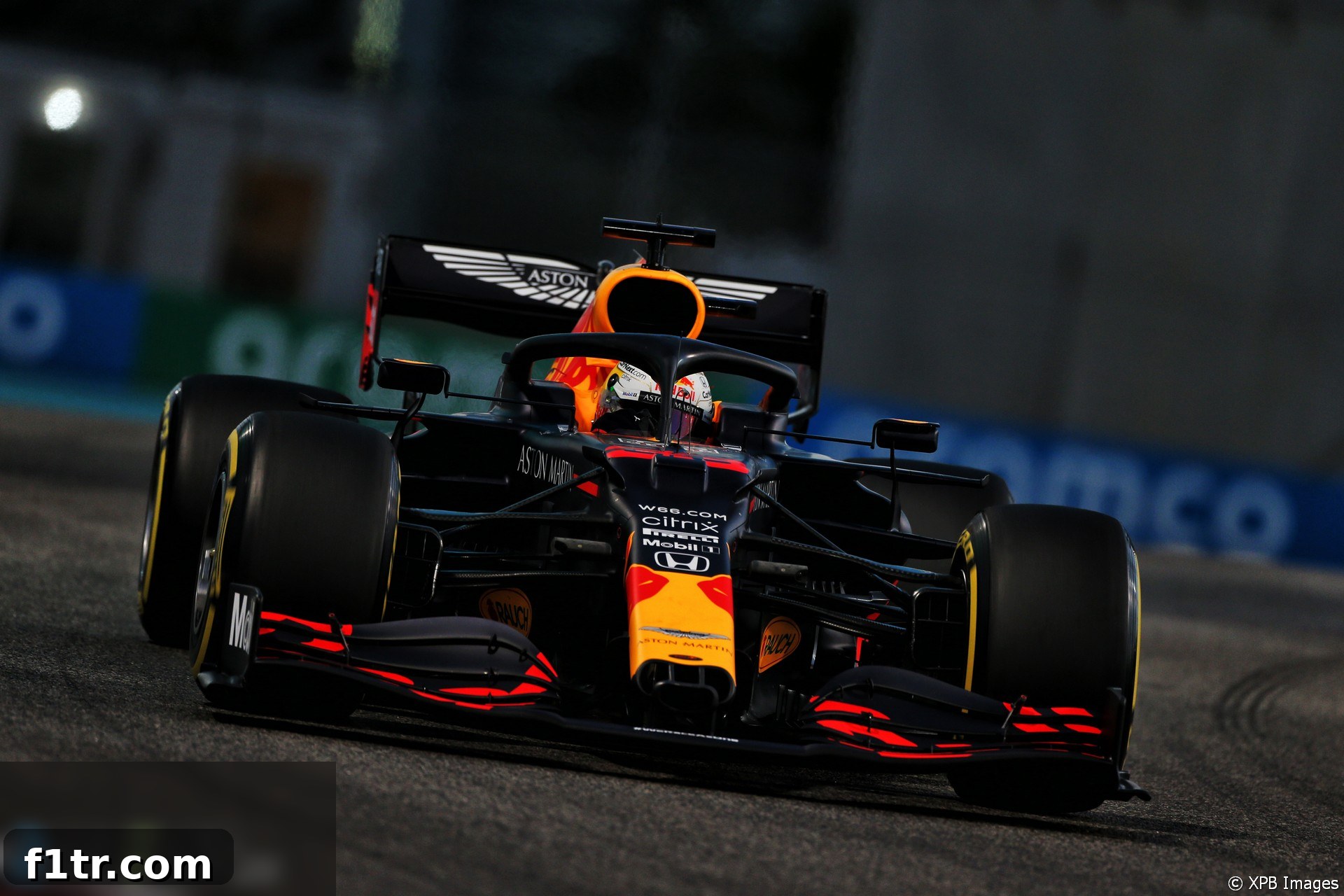
Max Verstappen Secures Stunning Pole Position at the 2020 Abu Dhabi Grand Prix Season Finale
The 2020 Formula 1 season concluded with a captivating qualifying session at the iconic Yas Marina Circuit for the Abu Dhabi Grand Prix. As the sun set over the picturesque track, drivers pushed their machines to the absolute limit in a bid to secure the best possible starting position for Sunday’s race. It was a session that delivered both expected brilliance and surprising twists, setting the stage for a dramatic end to a truly unprecedented year in Formula 1 history. Fans eagerly watched as teams and drivers battled for every thousandth of a second, with championship positions and team pride on the line.
Heading into the final qualifying session of the year, all eyes were on the Mercedes duo, Valtteri Bottas and the returning Lewis Hamilton, who had recently recovered from COVID-19. However, it was Red Bull Racing’s Max Verstappen who delivered a truly sensational performance, disrupting the anticipated Mercedes dominance. From the outset, Verstappen showed incredible pace and confidence, meticulously building his lap times throughout the free practice sessions and carrying that momentum directly into qualifying. His final run was a masterclass in precision and speed, highlighting Red Bull’s significant strides in performance, particularly towards the end of the season. This pole position marked a historic moment for Verstappen and Red Bull, breaking Mercedes’ stronghold on the top spot at Yas Marina.
2020 Abu Dhabi Grand Prix Qualifying Results
Below are the official qualifying results, showcasing the incredible speed and talent of the Formula 1 grid. Each driver pushed their limits to secure their best possible starting position for the final race of the 2020 season. Please note that these results are prior to any grid penalties being applied, which are detailed further down.
| Position | Driver | Team | Best Lap Time |
|---|---|---|---|
| 1. | Max Verstappen | Red Bull | 1’35.246 |
| 2. | Valtteri Bottas | Mercedes | 1’35.271 |
| 3. | Lewis Hamilton | Mercedes | 1’35.332 |
| 4. | Lando Norris | McLaren | 1’35.497 |
| 5. | Alexander Albon | Red Bull | 1’35.571 |
| 6. | Carlos Sainz Jnr | McLaren | 1’35.815 |
| 7. | Daniil Kvyat | AlphaTauri | 1’35.963 |
| 8. | Lance Stroll | Racing Point | 1’36.046 |
| 9. | Pierre Gasly | AlphaTauri | 1’36.242 |
| 10. | Esteban Ocon | Renault | 1’36.359 |
| 11. | Daniel Ricciardo | Renault | 1’36.406 |
| 12. | Charles Leclerc | Ferrari | 1’36.065 |
| 13. | Sebastian Vettel | Ferrari | 1’36.631 |
| 14. | Antonio Giovinazzi | Alfa Romeo | 1’38.248 |
| 15. | Kimi Raikkonen | Alfa Romeo | 1’37.555 |
| 16. | George Russell | Williams | 1’38.045 |
| 17. | Pietro Fittipaldi | Haas | 1’38.173 |
| 18. | Nicholas Latifi | Williams | 1’38.443 |
| 19. | Sergio Perez | Racing Point | No time |
| 20. | Kevin Magnussen | Haas | 1’37.863 |
Qualifying Highlights and Key Performances
Beyond Max Verstappen’s stunning pole, the qualifying session at Abu Dhabi was rich with individual stories and crucial team battles. Valtteri Bottas, despite being edged out by a mere 0.025 seconds, demonstrated strong form, highlighting Mercedes’ continued presence at the sharp end of the grid. Lewis Hamilton, making his return after missing the Sakhir Grand Prix due to COVID-19, showed impressive resilience to qualify third. His performance, while not leading to pole, underlined his exceptional talent and ability to quickly get back up to speed.
The midfield battle was as intense as ever, with McLaren emerging as strong contenders. Lando Norris, qualifying in an excellent fourth position, delivered one of his strongest qualifying performances of the season. His teammate, Carlos Sainz Jnr, also put in a solid effort to secure sixth place. These results were crucial for McLaren in their fight for third place in the Constructors’ Championship against Racing Point and Renault, adding significant strategic depth to Sunday’s race. The team’s consistent performance throughout the season, culminating in a strong showing at the finale, underscored their progress and potential for future campaigns.
AlphaTauri’s Daniil Kvyat and Pierre Gasly both demonstrated competitive pace, placing seventh and ninth respectively. This dual top-10 appearance showcased the team’s strong development and ability to challenge for points. Racing Point’s Lance Stroll secured eighth, but the team faced significant challenges with Sergio Perez, as discussed in the penalties section. Renault’s Esteban Ocon rounded out the top 10, while Daniel Ricciardo, in his final qualifying session for the team before moving to McLaren, narrowly missed Q3, starting 11th. These midfield positions meant that the battle for constructor points would be fiercely contested on race day.
Further down the grid, Ferrari continued to grapple with their car’s performance. Charles Leclerc qualified 12th, while Sebastian Vettel, in his swansong race for the Scuderia, started 13th. The legendary Italian team faced a challenging season, and these qualifying positions reflected their ongoing struggles to extract maximum performance from their SF1000. Alfa Romeo, Haas, and Williams occupied the latter half of the grid, with George Russell, Pietro Fittipaldi (standing in for Romain Grosjean), and Nicholas Latifi doing their best with the machinery available. Sergio Perez and Kevin Magnussen qualified low due to inevitable grid penalties, shifting the dynamics even further.
Grid Penalties Shaping the Race Start
The qualifying results, while indicating raw speed, often don’t reflect the final starting grid due to various penalties. The 2020 Abu Dhabi Grand Prix was no exception, with several key drivers facing demotions that significantly altered the competitive landscape for Sunday’s race. These penalties are crucial for understanding the true starting order and potential strategies that teams might employ.
Penalties Imposed:
- Charles Leclerc – Received a three-place grid penalty for causing a collision with Sergio Perez at the preceding Sakhir Grand Prix. This penalty saw the talented Monegasque driver drop from his qualifying position, impacting Ferrari’s already challenging race weekend.
- Sergio Perez – Forced to start from the back of the grid due to exceeding the maximum number of power unit components allowed for the season. Despite a strong season, this strategic decision by Racing Point meant Perez would have a formidable task ahead of him, albeit with a fresh power unit for the race.
- Kevin Magnussen – Also incurred a back-of-the-grid start penalty for exceeding the maximum number of power unit components. This was a challenging end to his tenure with Haas F1 Team, further compounding the difficulties faced by the American outfit.
These penalties meant that while Max Verstappen secured pole on pure pace, the effective starting positions for several drivers would be different, potentially opening up opportunities for others further down the field and adding an extra layer of excitement and unpredictability to the season’s final Grand Prix. Drivers like Perez and Magnussen would have to rely on exceptional race pace and smart strategy to climb through the field.
Advert | Become a RaceFans supporter andgo ad-free
Explore More from the 2020 Abu Dhabi Grand Prix
Delve deeper into the events, insights, and analyses from the exciting conclusion of the 2020 Formula 1 season. From driver reflections to technical concerns, these articles offer comprehensive coverage of everything that unfolded at Yas Marina.
- Mercedes also had MGU-K concerns over Russell’s car
- Ferrari hail “outstanding professional” Vettel after his final drive for team
- 2020 Abu Dhabi Grand Prix Star Performers
- Driver line-up confirmed for Yas Marina test, two teams won’t attend
- Paddock Diary: Abu Dhabi Grand Prix
Browse all 2020 Abu Dhabi Grand Prix articles
Review the 2020 F1 Season Grids
For a comprehensive look back at the starting grids from throughout the 2020 Formula 1 season, explore our dedicated archive. Understand how qualifying performances shaped race strategies across all the thrilling events of this memorable championship year.
Browse all 2020 F1 grids
The 2020 Abu Dhabi Grand Prix qualifying session truly set the stage for a compelling final race of the season. Max Verstappen’s stellar performance denied Mercedes another pole, promising an exciting battle for victory on Sunday. With strategic grid penalties further mixing up the starting order, and the constructors’ championship battle still tight in the midfield, the finale at Yas Marina was poised to be an unforgettable event, marking the end of a unique and challenging Formula 1 year.