2019 Australian Grand Prix Qualifying Results: Mercedes Kicks Off the Season with a Statement
The 2019 Formula 1 season roared to life at the iconic Albert Park Circuit in Melbourne, Australia, setting the stage for what promised to be an exhilarating year of racing. As the first qualifying session of the championship unfolded, all eyes were on the grid to see which teams and drivers had made the most of the winter break and new regulations. The qualifying session for the 2019 Australian Grand Prix delivered drama, excitement, and a clear pecking order, at least for the first race weekend.
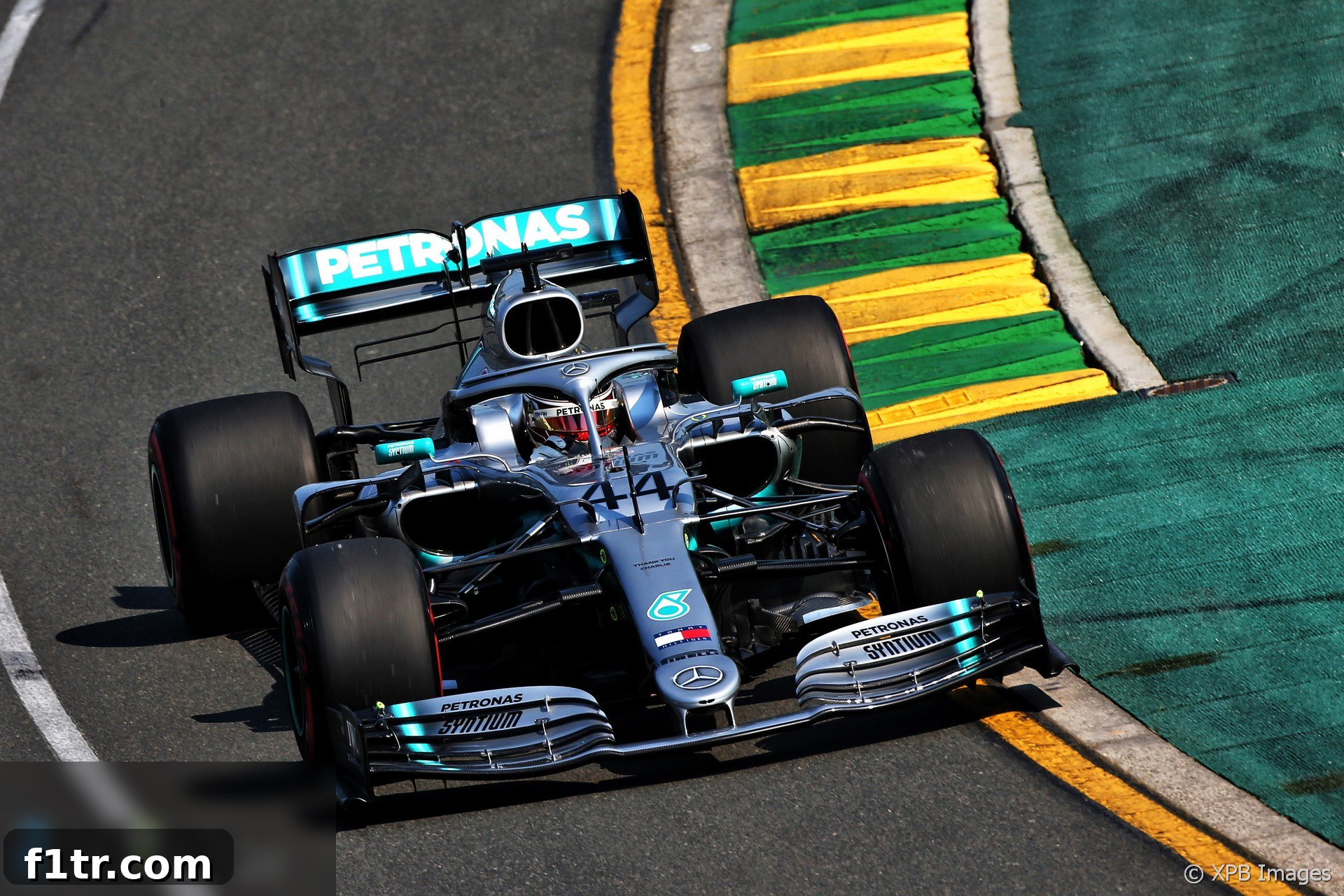
Mercedes-AMG Petronas Motorsport wasted no time in asserting their dominance, with reigning world champion Lewis Hamilton once again demonstrating his masterful command of the W10 challenger. His blistering pace secured him pole position, a familiar sight for F1 fans and a strong warning shot to his rivals. This article delves deep into the qualifying results, analyzing the performance of each team and driver, and what these times might signify for the race day and the season ahead.
Mercedes’ Unchallenged Front Row Lockout
The Silver Arrows left no doubt about their pace advantage in Melbourne. Lewis Hamilton showcased why he is a five-time world champion, extracting every ounce of performance from his Mercedes with a phenomenal lap time of 1’20.486. His precision and speed were unmatched, setting a benchmark that proved unreachable for the rest of the grid. Right alongside him, his teammate Valtteri Bottas delivered a robust performance, securing the second spot on the front row with a time of 1’20.598. The mere 0.112-second gap between the two Mercedes drivers highlighted the team’s supreme command of the Albert Park circuit and their impressive readiness for the new season. This 1-2 lockout was a stark reminder to competitors that Mercedes remained the team to beat, signaling their intention to pursue a sixth consecutive Constructors’ Championship.
Ferrari and Red Bull’s Pursuit
Scuderia Ferrari, widely expected to challenge Mercedes closely, found themselves trailing the German powerhouse. Sebastian Vettel, the four-time world champion, managed to place his Ferrari SF90 in third with a time of 1’21.190, nearly seven-tenths of a second behind Hamilton. His new teammate, the highly talented Charles Leclerc, demonstrated promising pace in his first outing for the Scuderia, securing fifth place with 1’21.442. While both Ferraris were within the top five, the gap to Mercedes was a clear area for concern for the Italian squad, who had shown strong form in pre-season testing. The qualifying session revealed that their ultimate single-lap pace might not yet be on par with their rivals.
Red Bull Racing, now powered by Honda, had a solid start to their new partnership. Max Verstappen, a consistent front-runner, slotted his Red Bull-Honda into fourth position with a time of 1’21.320. This was a significant achievement, placing him ahead of one of the Ferraris and showcasing the improved performance of the Honda engine. Verstappen’s aggressive driving style and ability to maximize his machinery meant he was often punching above his car’s weight, and this qualifying session was no exception. His performance indicated that Red Bull could be a strong contender for podium finishes from the very first race.
The Intense Midfield Battle
The midfield fight was as fierce as ever, with several teams demonstrating impressive gains. Haas F1 Team particularly stood out, placing both their cars firmly in the top 10. Romain Grosjean took sixth place with 1’21.826, closely followed by his teammate Kevin Magnussen in seventh with 1’22.099. Their strong showing underscored Haas’s potential to be a consistent points contender throughout the season. McLaren also showed signs of improvement, with rookie sensation Lando Norris making an incredibly strong debut by qualifying eighth with 1’22.304, a testament to his talent and the progress made by the Woking outfit.
Alfa Romeo Racing (formerly Sauber) also enjoyed a positive qualifying, spearheaded by the experienced Kimi Räikkönen, who secured ninth with 1’22.314. His return to the team brought stability and pace. Racing Point (formerly Force India) rounded out the top 10 with Sergio Pérez clocking 1’22.781. The competition was incredibly tight, with mere tenths of a second separating these midfield runners, promising an exciting race day.
Just outside the top 10, the battle continued. Renault F1 Team, with its new high-profile signing Daniel Ricciardo and experienced Nico Hülkenberg, qualified in 11th and 12th respectively. Ricciardo’s home race start was not ideal, finishing just behind Hülkenberg, indicating that the team still had work to do to break into the consistent top 10. Toro Rosso also displayed promising pace, with Alexander Albon (13th, 1’22.636) and Daniil Kvyat (15th, 1’22.774) showcasing the potential of their Honda-powered cars. Antonio Giovinazzi, in the second Alfa Romeo, was 14th (1’22.714), showing a solid, if not spectacular, performance.
Struggles and Surprises Towards the Rear
The qualifying session also revealed some unexpected results and ongoing challenges. Pierre Gasly, in the second Red Bull Racing car, suffered a difficult session, qualifying a disappointing 17th with 1’23.020. This was a stark contrast to his teammate Verstappen’s performance and immediately put pressure on the young Frenchman, who had shown promise during his time at Toro Rosso. Gasly’s struggle highlighted the steep learning curve and high expectations at a top team.
Lance Stroll in the second Racing Point car qualified 16th (1’23.017), while Carlos Sainz Jnr in the second McLaren also had a challenging session, ending up 18th with 1’23.084. His performance was particularly notable given his teammate Norris’s impressive debut, underscoring the fine margins and potential for misfortune in F1 qualifying.
Williams Racing continued to face significant challenges. George Russell (19th, 1’24.360) and the returning Robert Kubica (20th, 1’26.067) found themselves at the very back of the grid. Their struggles were well-documented, with the team admitting to significant delays in car development. Kubica’s time was notably slower than Russell’s, illustrating the difficulties he faced in adapting back to F1 machinery and the fundamental issues with the FW42 chassis.
Full Qualifying Results: 2019 Australian Grand Prix
| Position | Driver | Team | Lap Time |
|---|---|---|---|
| 1. | Lewis Hamilton | Mercedes | 1’20.486 |
| 2. | Valtteri Bottas | Mercedes | 1’20.598 |
| 3. | Sebastian Vettel | Ferrari | 1’21.190 |
| 4. | Max Verstappen | Red Bull | 1’21.320 |
| 5. | Charles Leclerc | Ferrari | 1’21.442 |
| 6. | Romain Grosjean | Haas | 1’21.826 |
| 7. | Kevin Magnussen | Haas | 1’22.099 |
| 8. | Lando Norris | McLaren | 1’22.304 |
| 9. | Kimi Raikkonen | Alfa Romeo | 1’22.314 |
| 10. | Sergio Perez | Racing Point | 1’22.781 |
| 11. | Nico Hulkenberg | Renault | 1’22.562 |
| 12. | Daniel Ricciardo | Renault | 1’22.570 |
| 13. | Alexander Albon | Toro Rosso | 1’22.636 |
| 14. | Antonio Giovinazzi | Alfa Romeo | 1’22.714 |
| 15. | Daniil Kvyat | Toro Rosso | 1’22.774 |
| 16. | Lance Stroll | Racing Point | 1’23.017 |
| 17. | Pierre Gasly | Red Bull | 1’23.020 |
| 18. | Carlos Sainz Jnr | McLaren | 1’23.084 |
| 19. | George Russell | Williams | 1’24.360 |
| 20. | Robert Kubica | Williams | 1’26.067 |
Implications for Race Day
The qualifying session at the 2019 Australian Grand Prix painted a clear picture of the grid’s initial form. Mercedes’ commanding front-row lockout positions them perfectly for a dominant performance in the race. However, Albert Park is known for its unpredictable nature, with safety cars and strategic calls often playing a crucial role. Ferrari will be keen to utilize their race pace, which often differs from their single-lap qualifying performance, to challenge the Mercedes duo. Max Verstappen will undoubtedly be a threat, eager to capitalize on any opportunities that arise and perhaps surprise the Ferraris ahead.
The midfield battle promises to be particularly enthralling. With so many cars closely matched on pace, overtakes and strategic gambles will be vital. Teams like Haas, McLaren, and Alfa Romeo will be fighting tooth and nail for every point, making for exciting racing down the order. For Pierre Gasly, the race presents an immediate opportunity to recover from a difficult qualifying and demonstrate his true potential in the Red Bull. Williams, meanwhile, will be focusing on gathering crucial data and aiming for reliability as they look to understand and improve their challenging package.
Looking Ahead: The 2019 F1 Season Begins
The 2019 Australian Grand Prix qualifying session has set a thrilling precedent for the season. While Mercedes has laid down a formidable marker, the potential for Ferrari and Red Bull to close the gap, coupled with the ferocious competition in the midfield, ensures that the championship will be anything but predictable. F1 fans can look forward to a season filled with high-octane racing, strategic masterstrokes, and captivating driver battles. Melbourne has once again delivered a memorable opening chapter to the Formula 1 story of the year.
2019 Australian Grand Prix Coverage
Stay updated with all the action and analysis from the thrilling season opener in Melbourne.
- Browse all 2019 Australian Grand Prix articles
- Race Report: How the Grand Prix Unfolded
- Driver Reactions from Melbourne
Explore 2019 F1 Grids
Dive into the full grid lineups and team information for the 2019 Formula 1 season.
- Browse all 2019 F1 grids
- 2019 F1 Driver Lineup Analysis
- Meet the 2019 F1 Teams