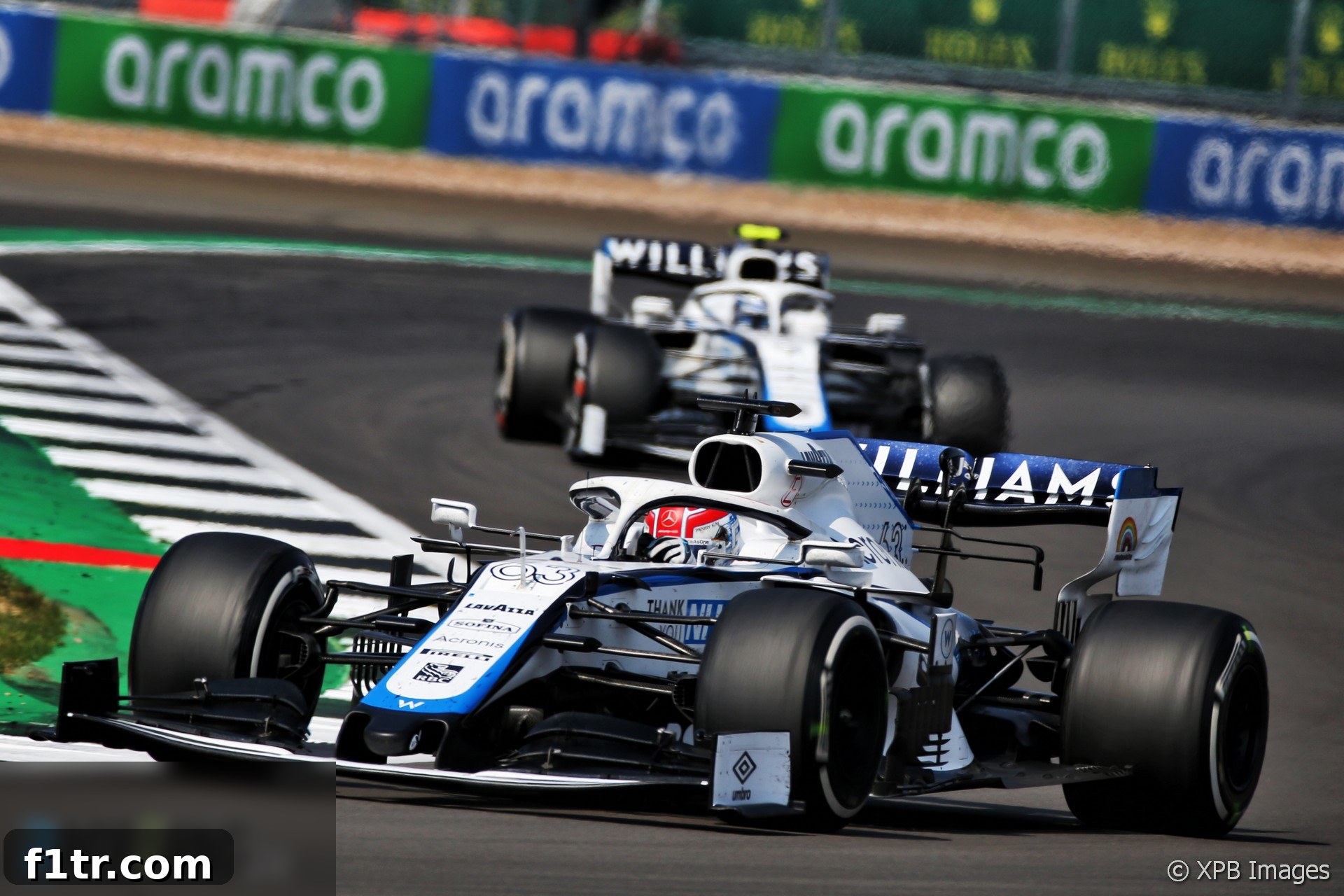
In a significant turn of events concerning one of Formula 1’s most contentious technical disputes in recent memory, Williams has officially joined McLaren in confirming their withdrawal from the appeal process against the FIA stewards’ verdict regarding Racing Point. This decision, announced in separate statements by both teams, narrows the field of challengers to the original ruling, leaving Ferrari and Renault to proceed with their appeals against the Silverstone-based team.
F1 Brake Duct Controversy: Williams and McLaren Exit Appeal Against Racing Point Verdict
The saga surrounding Racing Point’s RP20 and its controversial brake duct design has gripped the Formula 1 paddock, sparking debates about intellectual property, the spirit of the regulations, and the fundamental identity of a constructor team. Following the FIA stewards’ initial decision, which penalized Racing Point for illegally using Mercedes’ 2019 rear brake ducts, five teams had lodged their intention to appeal. However, two prominent names, McLaren and now Williams, have chosen a different path, opting to step back from the formal appeal proceedings.
McLaren’s Early Withdrawal and Focus on Future Regulations
McLaren was the first to signal a change in direction. Just yesterday, the Woking-based outfit declared its decision not to pursue its appeal, citing satisfaction with the FIA’s commitment to addressing the core issues for future seasons. While McLaren initially expressed concerns about the precedent set by Racing Point’s actions and the potential impact on design integrity, their subsequent withdrawal suggests a strategic shift. The team’s statement underscored a belief that the FIA’s proactive measures to clarify and strengthen regulations against extensive car copying for the 2021 season onwards effectively tackled their primary objections.
McLaren’s initial notice of appeal was filed alongside several other teams who felt that the penalty imposed on Racing Point – a €400,000 fine and a 15-point deduction in the constructors’ championship – was insufficient to deter future “copycat” practices. However, after further discussions and clarifications from the FIA regarding the implementation of stricter rules, McLaren’s management concluded that their objectives regarding the long-term integrity of the sport and the protection of constructor innovation had been largely met.
Williams Champions Constructor DNA in Withdrawal Decision
Following McLaren’s lead, Williams also confirmed its withdrawal this morning. In a carefully worded statement, the Grove-based team articulated that “after careful consideration,” they have “elected not to proceed with the formal appeal.” This decision by Williams carries significant weight, given their long and storied history as a fiercely independent constructor in Formula 1. Their motivations resonate deeply with the foundational principles of the sport.
Williams explicitly stated, “We believe the FIA’s decision to seek the prohibition of extensive car copying for 2021 onwards addresses our most fundamental concern and reasserts the role and responsibility of a constructor within the sport, which is fundamental to Formula 1’s DNA and Williams core beliefs and principles.” This powerful statement highlights the team’s unwavering commitment to the ethos of original design and development, a cornerstone of Formula 1’s identity. For Williams, the promise of tighter regulations from 2021 onwards, effectively preventing a repeat of the “Pink Mercedes” controversy, was evidently enough to satisfy their concerns regarding fair competition and the future direction of the sport. Their decision underscores a hope that the FIA’s proposed changes will safeguard the innovative spirit that defines Formula 1.
Ferrari and Renault Stand Firm: Appeals to Proceed
While Williams and McLaren have backed down, two giants of the sport, Ferrari and Renault, remain committed to their appeals. Renault, the team that initially lodged the protest against Racing Point at the Styrian Grand Prix, and Ferrari, a historical bastion of independent design and technological prowess, yesterday confirmed their appeals will go ahead. Their determination suggests that for these teams, the stakes are higher, or their interpretation of the FIA’s current and future stance differs significantly from that of McLaren and Williams.
For Ferrari and Renault, the matter likely extends beyond just the 2021 regulations. Their continued pursuit of the appeal may stem from a desire to ensure that Racing Point’s penalty is either increased or that the FIA provides even more robust guarantees against copying. The cost of research and development in Formula 1 is astronomical, and any perceived shortcut taken by a competitor, even if retrospectively penalized, can have significant competitive and financial implications. Their continued appeal is a clear signal that they seek further clarity, and potentially a more decisive punishment, to uphold what they perceive as the fundamental integrity of F1’s design principles.
Racing Point’s Counter-Appeal and the Original Verdict
Adding another layer of complexity to this already intricate situation, Racing Point itself also submitted notice of its intention to appeal the decision. The team was famously fined €400,000 and deducted 15 constructors’ championship points after the stewards determined it broke the rules by using Mercedes’ 2019 rear brake ducts in designing similar components for use on its RP20. Racing Point has consistently maintained its innocence, arguing that it acted within the rules by utilizing legitimately acquired information and photographs to design its components, rather than using directly supplied parts. Their appeal is a bid to overturn or reduce the penalty, asserting their belief that they adhered to the regulations as they understood them at the time.
The original verdict by the FIA stewards recognized that while the brake ducts were listed as “non-listed parts” in 2019 (meaning they could be shared), they became “listed parts” for 2020. This change meant that each team had to design and produce their own. The stewards found that Racing Point’s design process, while using legitimate CAD data from Mercedes for 2019 (when it was permissible), constituted an illegal breach once the parts became “listed” for 2020, as the team did not sufficiently redesign them independently for the current season. This nuance is at the heart of Racing Point’s defense and the broader debate.
The Broader Implications for Formula 1: Shaping Its Future
This technical controversy has far-reaching implications that extend beyond the current season and the specific teams involved. It has ignited a crucial discussion within Formula 1 about what it truly means to be a “constructor” and how the sport balances cost-saving measures with the core principle of innovation and independent design.
Shaping Future Regulations: The 2021 Rule Change
The most significant outcome thus far is the FIA’s proactive response to tighten regulations for 2021. The commitment to “prohibit extensive car copying” for future seasons is a direct reaction to this dispute. This move aims to prevent any recurrence of a situation where one team’s car bears such a striking resemblance to another’s, raising questions about independent development. The new rules are expected to provide clearer guidelines on the acceptable limits of reverse engineering and photographic analysis, ensuring that teams truly design and manufacture their own “listed parts.” This is a vital step in preserving the integrity of the Constructors’ Championship, where success is meant to be a testament to a team’s unique engineering prowess.
The Spirit of F1: Innovation vs. Copying
The debate also touches upon the philosophical core of Formula 1. Is it a sport where innovation is paramount, or can teams benefit from studying and replicating successful designs, even if they originate from a competitor? The “Pink Mercedes” debate highlights the tension between the desire for cost-efficiency (potentially through design inspiration) and the traditional value placed on each team’s unique intellectual property and engineering solutions. The FIA’s emphasis on “constructor DNA” suggests a leaning towards upholding the latter, stressing the importance of independent design as a fundamental aspect of the sport’s identity.
Precedent and Fair Play
How the remaining appeals are handled will set a significant precedent for future technical interpretations and enforcement. If Racing Point successfully appeals, it could embolden other teams to push the boundaries of design replication. Conversely, if Ferrari and Renault’s appeals lead to a tougher stance or a more severe penalty, it could solidify the FIA’s position against extensive copying. The motorsport world will be watching closely to see how the final rulings influence the delicate balance of fair play, competitive advantage, and the spirit of innovation in Formula 1.
What Happens Next?
With Williams and McLaren out of the picture, the focus now shifts to the Court of Appeal. Ferrari and Renault will present their arguments for a harsher penalty or a clearer interpretation of the rules, while Racing Point will fight to clear its name and potentially reclaim its deducted points and fine. The FIA will also play a crucial role in defending its original verdict and outlining its proposed changes for 2021. The outcome of these appeals could still significantly alter the 2020 Constructors’ Championship standings and, more importantly, influence the regulatory landscape for years to come.
The ongoing technical row serves as a stark reminder of the complexities inherent in Formula 1’s regulations and the constant pursuit of competitive advantage within those boundaries. As the appeals progress, the motorsport community eagerly awaits a resolution that reinforces the core values of innovation, fair competition, and the unique identity of each Formula 1 constructor.
Don’t miss anything new from RaceFans
Follow RaceFans on social media for the latest updates:
- Join RaceFans on Facebook
- Follow RaceFans on Twitter
- Get daily email updates from RaceFans
2020 F1 Season News & Analysis
- Grosjean to make F1 test return tomorrow for first time since Bahrain horror crash
- Pictures: Wrecked chassis from Grosjean’s Bahrain fireball crash to go on display
- Bottas vs Rosberg: Hamilton’s Mercedes team mates compared after 78 races each
- F1 revenues fell by $877 million in Covid-struck 2020 season
- Hamilton and Mercedes finally announce new deal for 2021 season
Browse all 2020 F1 season articles