The echoes of the controversial 2021 Abu Dhabi Grand Prix continue to resonate within the world of Formula 1, even months after the dramatic conclusion that saw Max Verstappen clinch his maiden world championship title. As the sport prepared for the start of the 2022 season with the Bahrain Grand Prix, the FIA was poised to release details of its comprehensive investigation into the events of that contentious final race. This highly anticipated report aimed to dissect precisely what transpired and how the sport’s regulations were applied, or misapplied, on that fateful day at the Yas Marina Circuit. However, opinions among the sport’s leading figures were sharply divided on the necessity and scope of such a detailed public account, highlighting ongoing tensions and a collective desire to either understand fully or simply move beyond the controversy.
Advert | Become a Supporter & go ad-free
The 2021 Abu Dhabi Grand Prix culminated in one of the most hotly disputed outcomes in Formula 1 history. On the final lap, following a safety car period, Max Verstappen overtook Lewis Hamilton to secure both the race win and the drivers’ world championship. This dramatic finish was precipitated by decisions made by then-FIA F1 race director Michael Masi, particularly concerning the deployment and withdrawal of the safety car and the procedure for allowing lapped cars to un-lap themselves. Critics argued that Masi’s handling of the situation contravened established F1 regulations, specifically Article 48.12 of the Sporting Regulations, which states that “any cars that have been lapped will be required to pass the cars on the lead lap and the safety car” before the safety car returns to the pits. In Abu Dhabi, only a select group of five cars between Hamilton and Verstappen were allowed to un-lap, not all lapped cars, leading to a direct confrontation on the final lap.
The immediate fallout from the race was immense. Mercedes lodged two protests, both of which were rejected by the stewards. The controversy sparked widespread debate about sporting integrity, the fairness of championship deciders, and the consistency of race officiating. In response to the significant backlash and an internal review, the FIA implemented major structural changes to its officiating. Michael Masi was removed from his role as F1 Race Director and replaced by a new system featuring Niels Wittich and Eduardo Freitas rotating the position, supported by a virtual race control room and a new sporting director. While these actions addressed some of the systemic issues identified, the full details of the FIA’s investigation into the specific events of Abu Dhabi remained undisclosed, fueling anticipation and calls for transparency.
Max Verstappen’s Pragmatic Stance: No Need for a ‘Full Report’
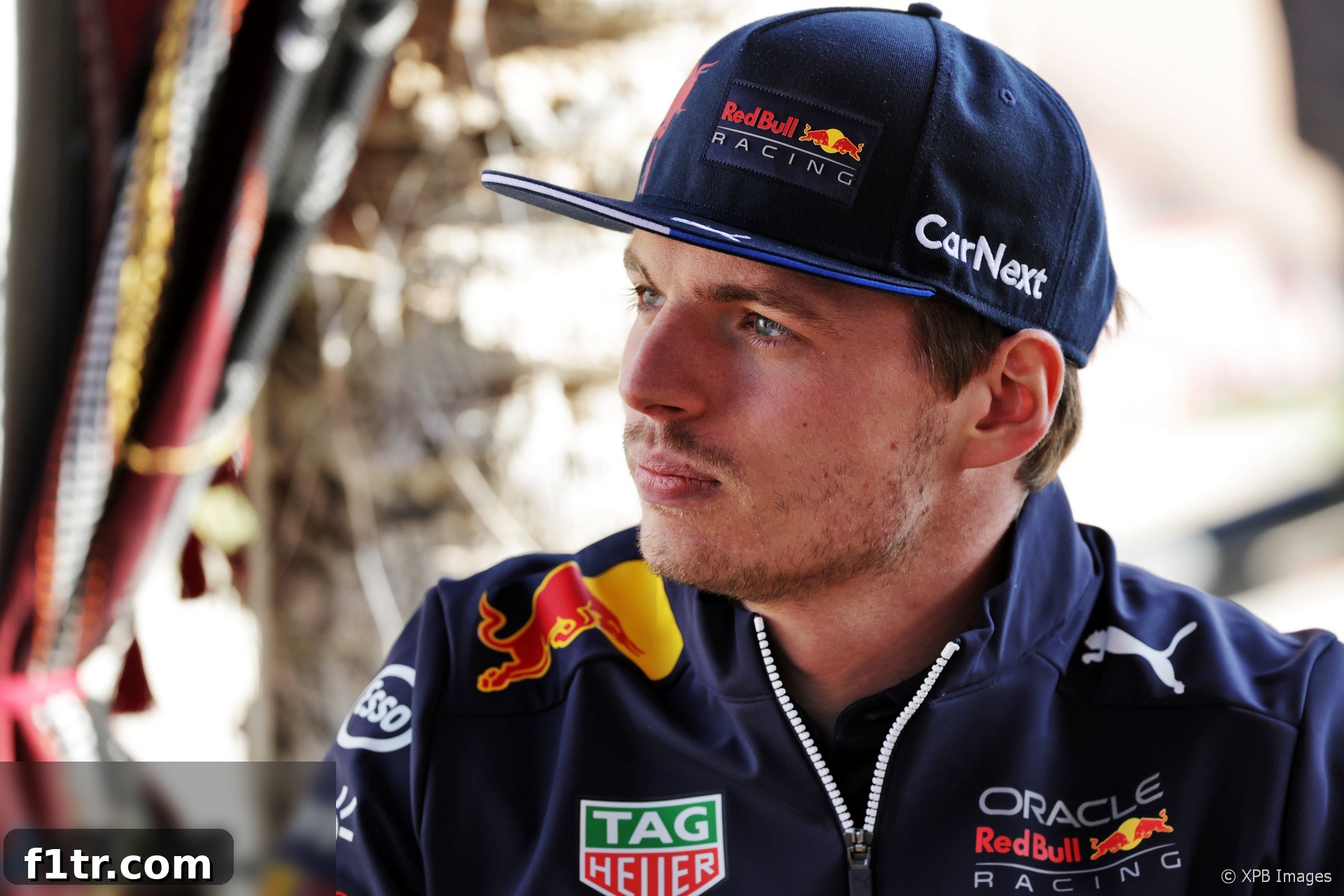
Ahead of the 2022 Bahrain Grand Prix, Max Verstappen, the direct beneficiary of the controversial decisions, expressed a desire for the sport to focus on learning and moving forward rather than dwelling on the past with an exhaustive report. “I don’t think we need a full report,” he stated during the FIA press conference. Verstappen emphasized that every year, it’s beneficial for teams and the sport to discuss past events and identify areas for improvement. “That’s what teams do as well, you always analyse everything you do,” he added, suggesting that a detailed, public dissection of the 2021 finale might be excessive given the internal reviews and changes already implemented.
For the reigning champion, the focus should be on practical application and clarity in future regulations. He acknowledged the value of clear communication: “Of course if things can be written down in an easier way or a way to understand it better, the wording, then for sure. Let’s see.” Verstappen’s perspective underscores a pragmatic approach, favoring concrete procedural improvements over extensive post-mortems that could keep the divisive narrative alive. His stance reflects a champion eager to defend his title without the lingering shadow of past controversies, aiming to close the chapter on Abu Dhabi and concentrate on the present and future challenges of Formula 1.
Lewis Hamilton’s Unwavering Call for Transparency
In stark contrast to Verstappen’s view, Lewis Hamilton, whose eighth world championship title was dramatically snatched away on the final lap, reiterated his firm belief in the paramount importance of transparency for the integrity of the sport. Hamilton disclosed that he had engaged in a productive meeting with FIA president Mohammed Ben Sulayem on the eve of the Bahrain Grand Prix. During their conversation, the need for openness regarding the 2021 championship conclusion was a central theme. “I think it’s important that, as a sport, we are transparent,” Hamilton affirmed.
He further elaborated on their discussion: “I had a good meeting with Mohammed last night who agreed that’s the direction we should take as a sport and so we’re looking forward to seeing it come out and for people to know that the sport is transparent and we are learning from what’s happened in the past and we’ll make improvements moving forwards.” Hamilton’s insistence on a public and detailed account stems from a desire to restore faith in the sport’s governance and ensure that such a contentious scenario can never be repeated. For him, transparency is not just about accountability for past mistakes, but a crucial step towards rebuilding trust among competitors, teams, and the global fanbase, ensuring that the lessons learned translate into tangible, forward-looking reforms.
The Drivers’ Consensus: Learn, Adapt, and Move On
Beyond the primary protagonists, a chorus of other drivers also weighed in on the FIA report, largely converging on the idea that while learning from the past is essential, the sport must ultimately move forward. There was a shared sentiment that the findings, even if detailed, should serve as a springboard for future improvements rather than an endless recrimination of past events.
Advert | Become a RaceFans supporter andgo ad-free
Charles Leclerc, for instance, emphasized the importance of accessibility and clarity. “I think it is really important to have that transparency and for us to be able to see it,” he said. While admitting he likely wouldn’t read a sprawling report—”it will probably be too long”—Leclerc stressed the value of understanding the core conclusions. “It’s important to at least have the big lines and know what is the conclusion of it in order to grow from it and to maybe manage those situations better in the future,” he added, articulating a desire for actionable insights that can prevent future controversies.
Leclerc’s team mate, Carlos Sainz Jnr, also felt directly impacted by Masi’s decisions, stating that the handling of the restart cost him a genuine chance to fight for his first F1 win. Sainz’s perspective mirrored the sentiment of many in the paddock: a need for answers, followed by closure. “I’m obviously interested in seeing what comes out of it and what we have learnt as a sport and what changes are going to be applied to make sure that such a thing doesn’t repeat again,” the Ferrari driver explained. However, he also strongly advocated for a definitive end to the discussion once the report is released and digested. “But at the same time, I think as soon as it comes out and as soon as it’s analysed and read by everyone, it’s time to move on. We are in March 2022 and we’re still talking about December 2021,” Sainz remarked, urging the sport to accept the findings, implement changes, and shift its collective focus to the future.
Mick Schumacher was one of the three drivers not allowed to get his lap back, directly impacting the final running order and his ability to potentially influence the championship battle. He echoed the sentiment of his peers, emphasizing the need to learn from the past while prioritizing future progress. “That’s in the past,” Schumacher reflected. “It’s good to know what came out of the result and analyse it but we have to look to the future and obviously try not to repeat something like that.” His words highlighted the practical implications for drivers who were caught in the administrative tangle of the final laps, underscoring the necessity of clear and consistent rules for all competitors.
Advert | Become a RaceFans supporter andgo ad-free
Other prominent drivers also weighed in, reinforcing the overall message. Valtteri Bottas, for instance, articulated a balanced view: “It’s time to move on, but I’m definitely keen to see the full report and all the details and make sure the learnings have been made, that is the main thing.” His statement encapsulates the dual desire for thorough understanding and forward momentum. Similarly, Sergio Perez, Max Verstappen’s team mate, fully supported this outlook. “I agree a thousand percent with this too,” Perez said. “I think it would be important to learn from it, but also it will be very important to move on.” The consensus among the drivers was clear: the report serves as a crucial educational tool, but its purpose is to facilitate progression, not to prolong contention.
The Broader Implications for F1’s Future Governance
The entire saga of the 2021 Abu Dhabi Grand Prix and the subsequent FIA investigation has undeniably left an indelible mark on Formula 1. It has ignited vital discussions about sporting governance, the role of the race director, and the clarity of regulatory frameworks. The sport is now at a crucial juncture, tasked with demonstrating its commitment to fairness, consistency, and transparency. The report, whatever its final form, represents an opportunity for the FIA to solidify its reforms, rebuild confidence, and set a clear precedent for how future race-defining decisions will be handled. The balance between maintaining sporting spectacle and upholding strict adherence to regulations remains a delicate one, and the lessons from Abu Dhabi will undoubtedly shape the evolution of Formula 1’s officiating for years to come, ensuring that future championships are decided unequivocally by on-track performance and clear, consistent application of rules.
2022 Bahrain Grand Prix
- How “class act” Hulkenberg’s reserve outings showed his readiness for an F1 return
- Alfa Romeo working on fix for Bottas and Zhou’s “very poor” starts
- China is first country to score points on its debut since the championship began
- “I don’t hold back”: Verstappen’s full radio transcript from his luckless Bahrain GP
- Mercedes’ straight-line speed deficit due to drag levels, not power unit – Wolff
Browse all 2022 Bahrain Grand Prix articles