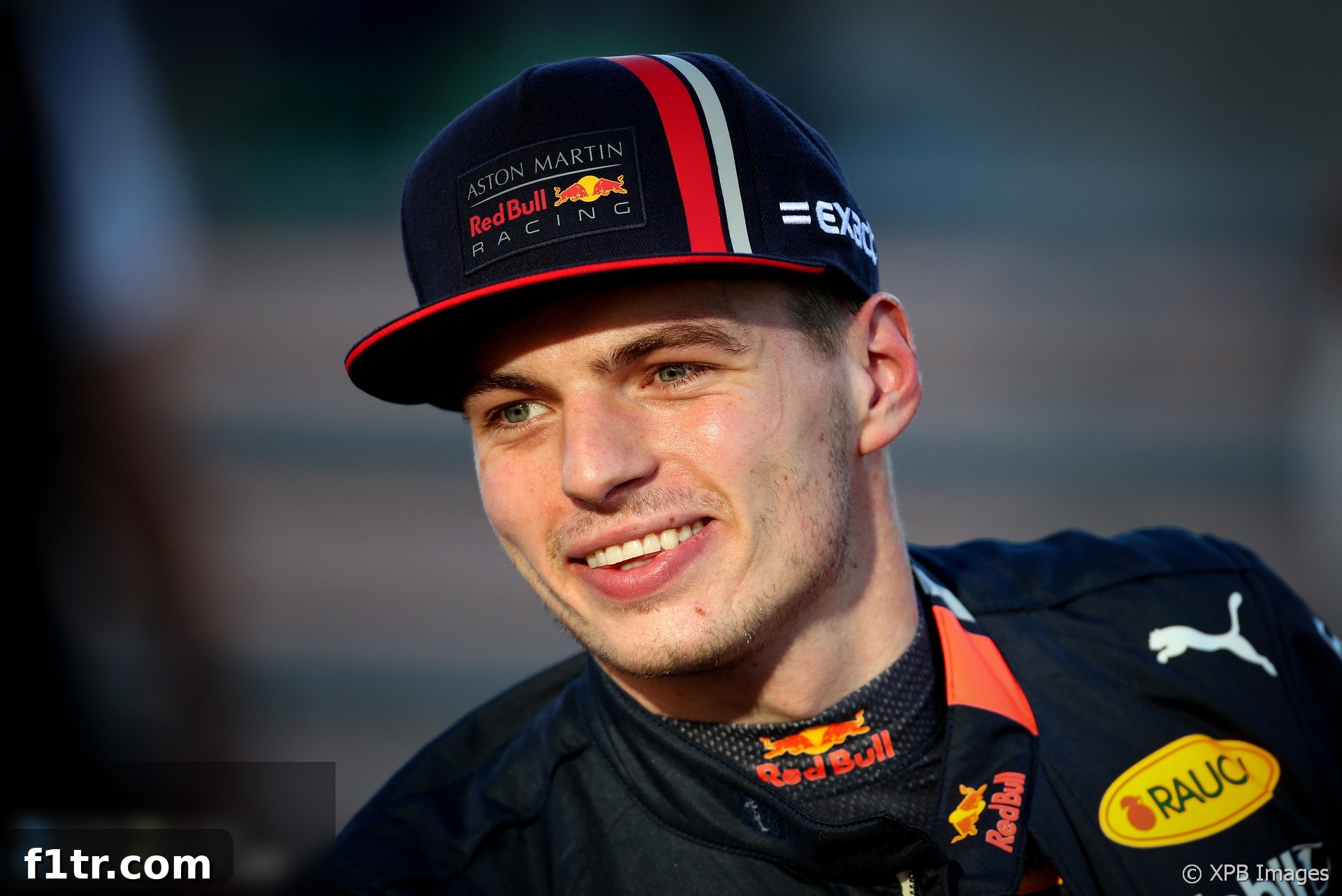
In a significant announcement shaping its future on the Formula 1 grid, Red Bull Racing confirmed its decision to retain Alexander Albon as Max Verstappen’s teammate for the eagerly anticipated 2020 F1 season. This move, which solidifies the team’s driver lineup, has garnered strong support from its lead driver, Max Verstappen, underscoring a belief in continuity and team harmony as crucial elements for championship success.
Verstappen, a pivotal figure within the Red Bull camp, publicly backed the team’s choice, expressing his confidence in Albon’s capabilities and character. His endorsement provides a powerful seal of approval for a decision that carries substantial weight for Red Bull’s aspirations in the constructor’s championship and their bid to challenge the sport’s dominant forces.
Alexander Albon’s Rapid Ascent to Red Bull
Alexander Albon’s journey to a coveted Red Bull Racing seat has been nothing short of a fairytale. Thrust into the spotlight mid-season during the summer break of 2019, Albon replaced Pierre Gasly, who had struggled to match Verstappen’s pace. This promotion from sister team Toro Rosso (now AlphaTauri) marked a monumental step up for the young Thai-British driver, placing him directly into one of Formula 1’s most high-pressure environments.
The transition for any driver moving into a top-tier team mid-season is fraught with challenges. Adapting to a new car, a new team structure, and the immense expectations that come with racing for a championship-contending outfit can be overwhelming. Albon, however, demonstrated remarkable resilience and a quick learning curve, steadily improving his performance and integrating himself into the Red Bull setup. His initial performances provided enough evidence for the team’s leadership to commit to him for the full 2020 campaign.
Max Verstappen’s Endorsement: A View from the Inside
Max Verstappen’s vocal support for Albon sheds light on the internal dynamics at Red Bull. “He’s a nice guy,” Verstappen remarked, highlighting Albon’s amiable personality. This seemingly simple comment carries significant meaning in the high-stakes world of F1, where a harmonious working relationship between teammates can profoundly impact team morale and overall performance.
Verstappen further elaborated on Albon’s temperament, noting, “for him the last 12 months has been a bit of a rollercoaster. Of course he’s very laid-back, very relaxed. And people like him in the team. He’s easygoing, which I think helps.” These observations point to Albon’s ability to remain composed under pressure, a crucial trait for any driver competing at the pinnacle of motorsport. His approachable nature facilitates effective communication and collaboration within the team, a stark contrast to some more volatile partnerships seen in F1 history.
Beyond personality, Verstappen also praised Albon’s on-track attributes: “And he’s quick, he’s doing his job, he’s getting the points. So I think it was the smartest way of continuing.” This assessment from arguably one of the fastest drivers on the grid validates Albon’s raw talent and his capacity to deliver results. For Red Bull, having a second driver who consistently scores points is vital for their Constructors’ Championship ambitions, providing a stable foundation to build upon.
Red Bull’s Strategic Decision-Making and Leadership
While Verstappen’s endorsement is valuable, he clarified that the ultimate decision-making power rests with the team’s leadership. “At the end of the day it’s not up to me, of course, to judge his performance. It’s Christian and Helmut, of course, who make the decisions,” he stated, referring to Team Principal Christian Horner and Motorsport Advisor Dr. Helmut Marko.
Horner and Marko are renowned for their decisive and often bold choices regarding driver lineups. Their strategy typically involves nurturing talent from within their extensive junior program, and Albon is a prime example of this philosophy. The decision to retain Albon over other potential candidates, including a possible return for Pierre Gasly or even external options, speaks volumes about their belief in his long-term potential and suitability for the team.
The strategic importance of this decision cannot be overstated. A stable driver lineup allows the engineering team to focus on car development without the added variable of an adapting driver. For 2020, this stability was particularly crucial as Red Bull aimed to further close the gap to Mercedes and Ferrari, building on their strong partnership with Honda power units. Albon’s consistent performance allows Red Bull to gather reliable data, develop the car more effectively, and execute race strategies with greater precision, all of which are critical for challenging for race wins and potentially a championship title.
Alexander Albon’s Performance and Expectations for 2020
Upon his switch to Red Bull, Albon immediately demonstrated his capability by consistently finishing in the points and showing flashes of impressive speed. While he didn’t quite match Verstappen’s raw pace, his ability to adapt quickly, overtake effectively, and manage races maturely earned him respect. His early races with Red Bull showcased a driver who was learning rapidly and growing into the demands of a front-running car.
For the 2020 season, the expectations for Albon were clear: continue his development, provide strong support to Verstappen, and contribute a significant number of points to the Constructors’ Championship. His role was to be a reliable points scorer, ensuring that Red Bull maintained pressure on their rivals. This consistency would be key to securing third place in the championship and occasionally challenging for podium finishes, thereby maximizing the team’s overall potential.
Max Verstappen’s Pursuit of a Top-Three Finish
Beyond team matters, Max Verstappen remained intensely focused on his personal championship battle as the 2019 season drew to a close. Lying fourth in the drivers’ standings with two races remaining, he aimed to snatch third place from Ferrari’s Charles Leclerc and Sebastian Vettel. This ambitious target highlighted Verstappen’s relentless competitive spirit and his desire to finish the season on a high note.
Reflecting on his season, Verstappen acknowledged setbacks: “We lost a lot of points in the few races after the summer break. But we’ll definitely try to go for it, I think it’s still a nice target.” These lost opportunities, whether due to incidents or reliability issues, underscore the fine margins in Formula 1 and how every point can make a difference in the final standings. His determination to overcome these earlier hurdles and push for a higher championship position demonstrated his unwavering focus.
The strategic element of Leclerc’s grid penalty in an upcoming race presented a significant opportunity for Verstappen. “It’s still quite a few points but of course, with Charles having the penalty here it’s hopefully a good opportunity to close that a bit and then have an exciting final race weekend,” he noted. Such tactical advantages are crucial in tight championship battles, allowing drivers to gain valuable ground against direct competitors and inject more drama into the season’s climax.
The Broader F1 Landscape and Red Bull’s Ambitions
Red Bull Racing operates in an intensely competitive Formula 1 landscape, constantly battling against the might of Mercedes and the resurgent Ferrari. To consistently challenge for victories and championships, a cohesive and effective driver pairing is indispensable. The decision to retain Albon for 2020 was a testament to Red Bull’s long-term vision, aiming to build a stable foundation for future success.
A strong second driver not only contributes to the Constructors’ Championship but also provides a vital benchmark for the lead driver and aids in car development. Albon’s calm demeanor and consistent performances allowed Verstappen to focus on extracting maximum performance from the car, knowing that the team’s other car was also delivering results. This synergy is crucial for any team aiming to reach the pinnacle of motorsport.
Looking Ahead to the 2020 Season and Beyond
With Alexander Albon confirmed alongside Max Verstappen, Red Bull Racing positioned itself for a strong assault on the 2020 season. The stability in their driver lineup, combined with ongoing advancements in their Honda power unit partnership, promised a formidable challenge to their rivals. The team was optimistic about their ability to develop a championship-contending car, leveraging the consistent feedback from both drivers.
The dynamic between Verstappen and Albon, characterized by mutual respect and a common goal, was expected to flourish, benefiting the entire team. This partnership aimed to provide Red Bull with the competitive edge needed to secure more podiums, race wins, and ultimately, a stronger bid for the world championship titles. The decision underscored Red Bull’s confidence not only in Albon’s talent but also in the overall team strategy to compete at the highest level.
In conclusion, Max Verstappen’s endorsement of Alexander Albon for the 2020 season was more than just a vote of confidence; it was a strategic alignment that highlighted Red Bull Racing’s commitment to stability, talent development, and a harmonious team environment. With Verstappen focused on his personal championship battle and Albon poised for further growth, Red Bull aimed to maximize its potential and deliver a powerful performance in the seasons to come, cementing its status as a top contender in Formula 1.
2019 F1 season
- Crying in the Melbourne car park at 2019 grand prix was my career low – Ocon
- McLaren Racing reports reduced £71 million loss in 2019
- Kvyat: Hockenheim podium last year was “my biggest achievement” so far
- How the FIA’s new encrypted fuel flow meter targets Ferrari’s suspected ‘aliasing’ trick
- “He smashed my office door”: 23 must-see moments from ‘Drive to Survive’ season two
Browse all 2019 F1 season articles