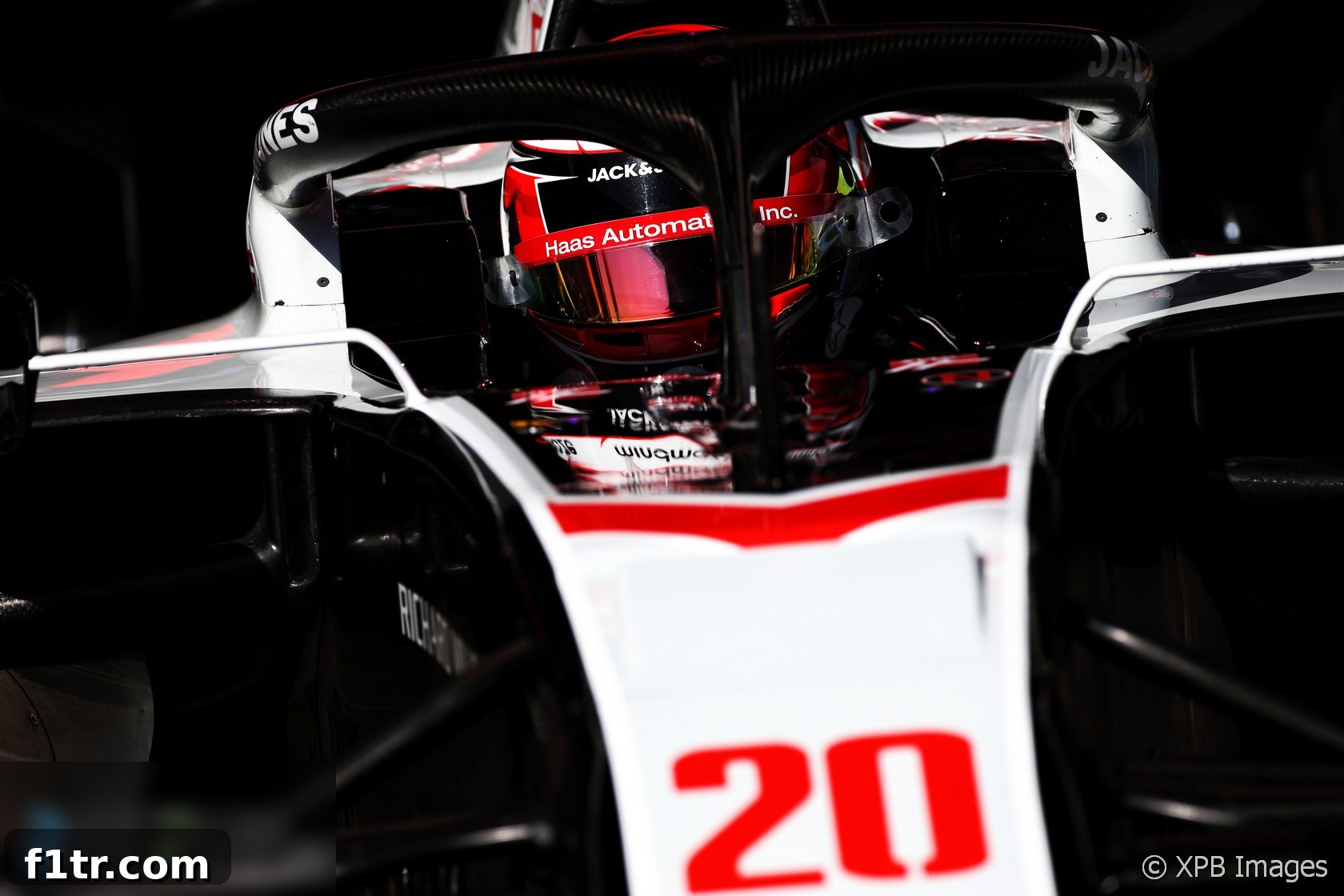
The highly anticipated pre-season testing for the Formula 1 season has once again provided an intriguing glimpse into the competitive landscape, revealing both expected strengths and surprising challenges across the grid. One of the most striking observations, highlighted by Haas F1 team principal Guenther Steiner, has been the exceptional reliability demonstrated by the entire field. This year’s testing sessions have been remarkably smooth, a testament to the advanced engineering and rigorous development undertaken by all teams.
“I was very surprised,” Steiner remarked at the Circuit de Catalunya, noting the significant reduction in red flag interruptions compared to previous years. This widespread dependability has allowed teams to accumulate an unprecedented amount of data, pushing their new machinery further than ever before. “If you look at the laps run here in the six days, I’m sure we get close to what we ran last year in eight days,” he added, emphasizing the sheer volume of mileage achieved. This impressive reliability across the paddock signifies a robust start for the sport, indicating that teams have largely built dependable packages right out of the box, a crucial factor for a successful championship campaign.
However, while the overall field showcased impressive endurance, not every team has enjoyed the same seamless experience. Haas F1, in particular, has found itself trailing in the mileage charts, unable to match the prodigious output of its rivals. While their average of nearly 500 kilometres per day is a respectable figure for a testing program, it pales in comparison to the leading teams. Mercedes, for instance, has comfortably surpassed Haas by almost 1,000 kilometres over the course of the testing period, underscoring a significant disparity in their respective data gathering capabilities. This gap in track time can be critical, as every lap offers invaluable insights into car behaviour, tyre degradation, and setup optimization.
Indeed, if Mercedes appears to have made the strongest and most consistent start to pre-season testing, Haas seems to be grappling with a somewhat weaker opening. Not only have they recorded the lowest mileage among all teams, but there has also been little overt evidence of outright performance from their new challenger, the VF-20. This raises initial questions about the car’s inherent speed, especially when compared to the competitive pace set by other constructors.
The team’s best time recorded so far was set by Kevin Magnussen, yet this benchmark placed the VF-20 over six-tenths of a second slower than any other car on the grid. Such a deficit in pre-season can be a cause for concern, particularly for a team aiming to climb the midfield ranks. However, it is imperative to apply the usual caveats that come with interpreting pre-season test times. The testing environment is notoriously difficult to read, with teams running vastly different programs, fuel loads, and tyre compounds, making direct comparisons often misleading.
The case of Haas serves as a potent reminder of this testing enigma. The team’s 2019 challenger, the VF-19, initially looked promising during testing, even starting the season with encouraging performances. Yet, as the season progressed, the team severely lost its way, ultimately plummeting to a disappointing ninth place in the constructors’ championship. This stark contrast between early promise and eventual struggle highlights the dangers of premature conclusions based solely on testing performance. It underscores that raw lap times are merely one piece of a much larger and more complex puzzle.
So, is Haas’s current tenth place in the test rankings a genuine cause for alarm? The team’s primary focus this pre-season is to meticulously avoid a painful repeat of the critical tyre problems that plagued and ultimately ruined their 2019 campaign. Last year, Haas struggled immensely with getting their tyres into the optimal operating window, experiencing severe degradation and inconsistent performance across different tracks and conditions. This fundamental issue severely hampered their ability to extract performance from the VF-19, regardless of its underlying speed.
Consequently, the team has strategically concentrated its efforts on thoroughly understanding the VF-20’s intricate behaviour, particularly its interaction with the tyres. This deliberate approach has led them to shy away from chasing headline-grabbing lap times on the softest and quickest tyre compounds. Instead, they have prioritised long runs, detailed setup experiments, and a deep dive into data analysis, all aimed at ensuring the VF-20 is consistently kind to its Pirelli rubber when the racing truly begins. This calculated restraint in chasing ultimate pace suggests a more mature and lessons-learned approach to their pre-season preparations.
Perhaps most tellingly, despite their low ranking, the VF-20’s best time is remarkably within a second of Red Bull’s, a team widely considered to be a front-runner and a strong contender for the championship. Few, if any, experts and pundits genuinely believe that the formidable RB16 is the eighth-quickest car on the grid. This comparison alone offers a crucial perspective, suggesting that Haas’s true potential might be significantly higher than its current position on the leaderboards indicates. Teams like Red Bull often “sandbag” during testing, running higher fuel loads or less aggressive engine mappings to obscure their true pace and focus on reliability and data acquisition. Haas’s relative proximity to such a strong benchmark, despite their stated focus, provides a quiet glimmer of hope.
In the high-stakes world of Formula 1, pre-season testing is less about setting fastest laps and more about diligent preparation, methodical data collection, and robust reliability checks. For Haas F1, the early stages of testing present a complex narrative. While their mileage deficit and lack of scorching pace might appear concerning on the surface, their strategic pivot towards understanding their car and solving past tyre woes points to a more calculated and potentially rewarding long-term strategy. The true measure of their success will only become clear once the lights go out for the first race of the season, but their current disciplined approach suggests a team determined not to repeat the mistakes of the past and to build a solid foundation for future performance.
2020 pre-season lap times so far by team
2020 pre-season lap times compared to last year
2020 pre-season mileages compared to last year
2020 F1 season: Related Articles and Insights
Delve deeper into the 2020 Formula 1 season with these key articles and discussions:
- Grosjean to make F1 test return tomorrow for first time since Bahrain horror crash
- Pictures: Wrecked chassis from Grosjean’s Bahrain fireball crash to go on display
- Bottas vs Rosberg: Hamilton’s Mercedes team mates compared after 78 races each
- F1 revenues fell by $877 million in Covid-struck 2020 season
- Hamilton and Mercedes finally announce new deal for 2021 season
Browse all 2020 F1 season articles