Verstappen’s Stance on Drive to Survive: A Deep Dive into Authenticity vs. Entertainment
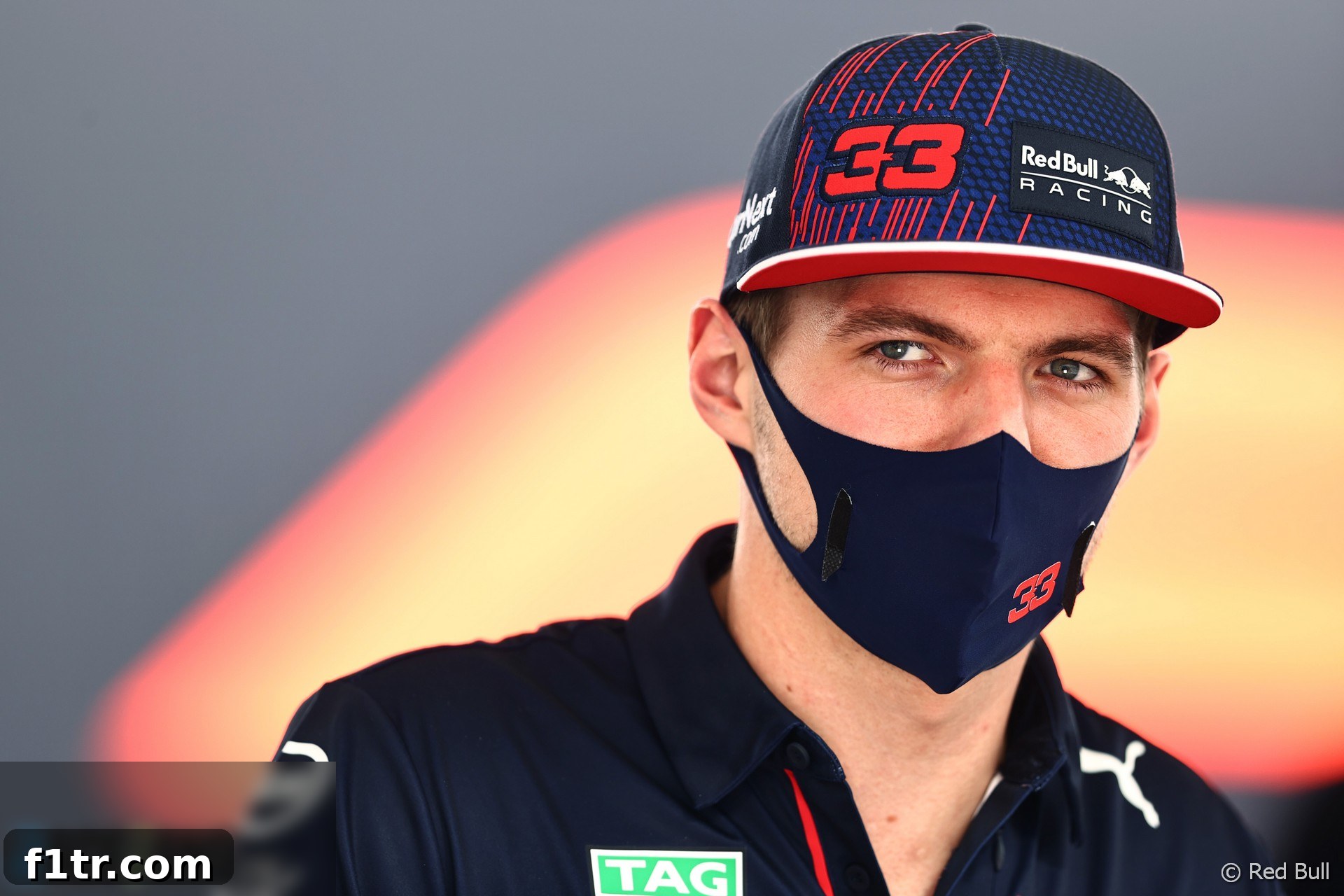
The world of Formula 1 has experienced an unprecedented surge in popularity over recent years, largely attributed to the hit Netflix docuseries, Drive to Survive. However, this global phenomenon has not been without its critics, most notably reigning world champion Max Verstappen. The Red Bull Racing star has openly expressed his concerns regarding the show’s portrayal of F1, ultimately deciding to withdraw his participation. This decision has ignited a fascinating debate among the sport’s key figures, including Haas team principal Guenther Steiner and McLaren Racing CEO Zak Brown, each offering unique perspectives on the balance between sporting authenticity and televised entertainment.
Max Verstappen’s Pursuit of Authenticity
Max Verstappen, a driver renowned for his candidness and uncompromising approach on track, made headlines when he announced his decision to cease participating in interviews for Drive to Survive. His primary grievance, as articulated, was the series’ tendency to fabricate or exaggerate rivalries that, in his view, “don’t really exist.” Verstappen’s comments highlight a crucial tension at the heart of sports docuseries: the delicate line between presenting compelling narrative and distorting reality for dramatic effect. For a competitor of Verstappen’s caliber, who operates in a high-stakes environment where every word and action is scrutinized, the misrepresentation of relationships and events can be deeply unsettling. His refusal to engage further with the production stemmed from a desire to protect the integrity of the sport and his own genuine interactions within it, rather than allowing them to be molded into manufactured drama for television.
This stance from arguably the most dominant driver of his era raises significant questions for the series. While Drive to Survive has been a monumental success in attracting new viewers to Formula 1, especially in markets like the United States, its approach to storytelling has increasingly drawn scrutiny from within the paddock. Verstappen’s decision serves as a powerful statement from an athlete who values factual accuracy and genuine competition above all else, underscoring the potential disconnect between the desires of a television audience and the lived experience of those competing at the pinnacle of motorsport. His absence from future seasons, particularly during pivotal championship battles, could leave a noticeable void for fans who wish to see every facet of the sport through the eyes of its biggest stars.
Steiner’s Unwavering Support: Upholding a Driver’s Right
In the wake of Verstappen’s announcement, Haas team principal Guenther Steiner emerged as a vocal supporter of the Dutchman’s position. Steiner, himself a prominent and often charismatic figure within the Drive to Survive narrative, emphasized the fundamental right of any individual to choose whether or not to participate in such a production. “If Max doesn’t want to take part in it, it is his decision and I would not critique that,” Steiner stated. “It’s free to participate or not, and he decided not to. So we shouldn’t get opinionated about it. If he feels he wasn’t portrayed right, it’s his full right not to take part in it.”
Steiner’s comments underscore a broader principle of personal autonomy. Despite the undeniable benefits the series has brought to Formula 1, he firmly believes that individual athletes should not be compelled to participate if they feel their image or the sport’s reality is being compromised. This perspective is particularly noteworthy given Steiner’s own prominent role in the series, where his often expletive-laden and brutally honest assessments of Haas’s struggles have made him a fan favorite. Interestingly, Steiner has consistently maintained that he has never watched the episodes in which he features, stating, “I don’t know how I’m portrayed in it so I don’t have an opinion on that.” This detached approach allows him to support Verstappen’s concerns about portrayal without directly criticizing the show’s overall methodology, further highlighting his respect for individual choice within the sport.
While acknowledging that fans will undoubtedly miss seeing Verstappen – “he’s a first of all a good driver and he’s a character, he’s a personality” – Steiner reiterated that the decision is ultimately a personal one, part of “his life.” This stance from a highly visible personality within the series lends significant weight to Verstappen’s argument, suggesting that concerns about dramatic embellishment are not isolated but resonate with others in the paddock.
The Drive to Survive Phenomenon: Growth and “Theatre”
Conversely, McLaren Racing CEO Zak Brown offered a more tempered perspective, downplaying Verstappen’s concerns about misrepresentations and instead focusing on the overwhelmingly positive impact of Drive to Survive on Formula 1. Brown described the series as being “factual with a little bit of theatre added,” a characterization that captures the delicate balance producers often aim for when turning real-life events into compelling television. He championed the show’s success in significantly widening F1’s audience, bringing in a younger and much larger fan base, particularly in the critical American market.
“Netflix has been outstanding for Formula 1,” Brown asserted. “It’s driven a younger fan base, it’s driven a much larger fan base. It’s really had an impact in America.” This sentiment is widely shared across the sport, with F1’s commercial rights holder Liberty Media frequently crediting the series for boosting viewership figures and attendance at Grand Prix events worldwide. The show has successfully demystified Formula 1, making it accessible to a new generation of fans who might not have otherwise engaged with motorsport. By focusing on the personalities, the rivalries, and the behind-the-scenes drama, Drive to Survive has transformed F1 from a niche sport into a mainstream entertainment spectacle.
Brown acknowledged the “theatre” aspect but framed it as a necessary and acceptable component of television production. “From what I can see – I can only judge the sport from what I know, so I can’t really speak to what happens in other teams – I think it’s factual with a little bit of theatre added, and that’s what television is,” he explained. He believes that the show is effectively doing what the sport desires: “turn on a bunch of new fans.” On this basis, he concluded that it has been “hugely successful.” Brown’s view represents the commercial imperative within modern sports – leveraging media to expand global reach and revenue, even if it means a slight embellishment of reality to create a more engaging product for a broader audience.
Balancing Act: Implications for F1’s Future
The differing viewpoints of Verstappen, Steiner, and Brown highlight an ongoing philosophical debate within Formula 1 regarding its public image and media strategy. On one hand, there’s a strong argument for maintaining absolute authenticity and ensuring that the sport is portrayed with unvarnished truth, respecting the integrity of the competition and the athletes involved. Max Verstappen, recently named the most popular driver in the sport, embodies this desire for genuine representation. His absence from Drive to Survive means that viewers will miss out on direct insights from a key protagonist during one of F1’s most exciting eras, which could be perceived as a significant loss for the series and its followers.
On the other hand, the undeniable commercial success and fan growth catalyzed by Drive to Survive present a compelling case for its approach. The “theatre” that Zak Brown describes has undeniably captivated millions, drawing them into the intricate world of F1 and converting them into passionate fans. For a sport constantly seeking to expand its global footprint, the show has proven to be an invaluable marketing tool.
Ultimately, Formula 1, Netflix, and the participating teams will need to continuously navigate this tension. Striking the right balance between delivering engaging drama and maintaining the trust of the drivers and teams is crucial for the long-term sustainability of the relationship. While Verstappen’s decision may spark reflection on the series’ storytelling methods, the overall impact of Drive to Survive on F1’s global appeal remains profoundly positive, leaving the sport to ponder how best to harness this popularity while respecting the core values of authenticity held by its greatest champions.
Advert | Become a RaceFans supporter andgo ad-free
Related Articles: 2021 United States Grand Prix
- Mercedes encouraged despite ‘toughest race for a long time’ in Austin
- For the sake of the title fight, F1 must get a grip on its track limits problem
- Pit stop problems costing Ferrari “quite a lot of points” – Sainz
- Sold-out crowd of 380,000 at COTA shows F1 can add third US race – Brawn
- While the pressure’s off I can “push myself” more – Russell
Browse all 2021 United States Grand Prix articles