Pirelli Unveils Paul Ricard Tyre Choices for French Grand Prix Return
Formula One’s highly anticipated return to the historic Paul Ricard circuit in France is set to be a spectacle, and Pirelli, the sport’s official tyre supplier, has made its critical tyre nominations. For this landmark event, Pirelli has opted for a strategic blend of its softer compounds: the ultra-soft, super-soft, and soft tyres. This selection is designed to ignite thrilling racing action and challenge teams and drivers with dynamic strategic decisions on a circuit making its comeback after a significant hiatus.
The French Grand Prix at Paul Ricard marks the first time since 1990 that Formula One cars will grace its iconic tarmac in a championship event. This long-awaited return brings with it not only a sense of nostalgia but also modern challenges, particularly concerning tyre management. The circuit has undergone extensive resurfacing, now boasting the same high-grip asphalt found at other demanding venues like the Circuit de Catalunya in Spain and Silverstone in the UK. This characteristic new surface, known for its abrasive nature and high energy transfer to the tyres, played a crucial role in Pirelli’s compound selection.
The Strategic Imperative: Why Ultrasoft, Supersoft, and Soft?
Pirelli’s choice of the ultra-soft, super-soft, and soft compounds for Paul Ricard is a clear indication of their intent to push strategic boundaries and enhance the racing spectacle. Each compound brings its unique properties to the track, offering teams a diverse palette for race planning and setup optimization:
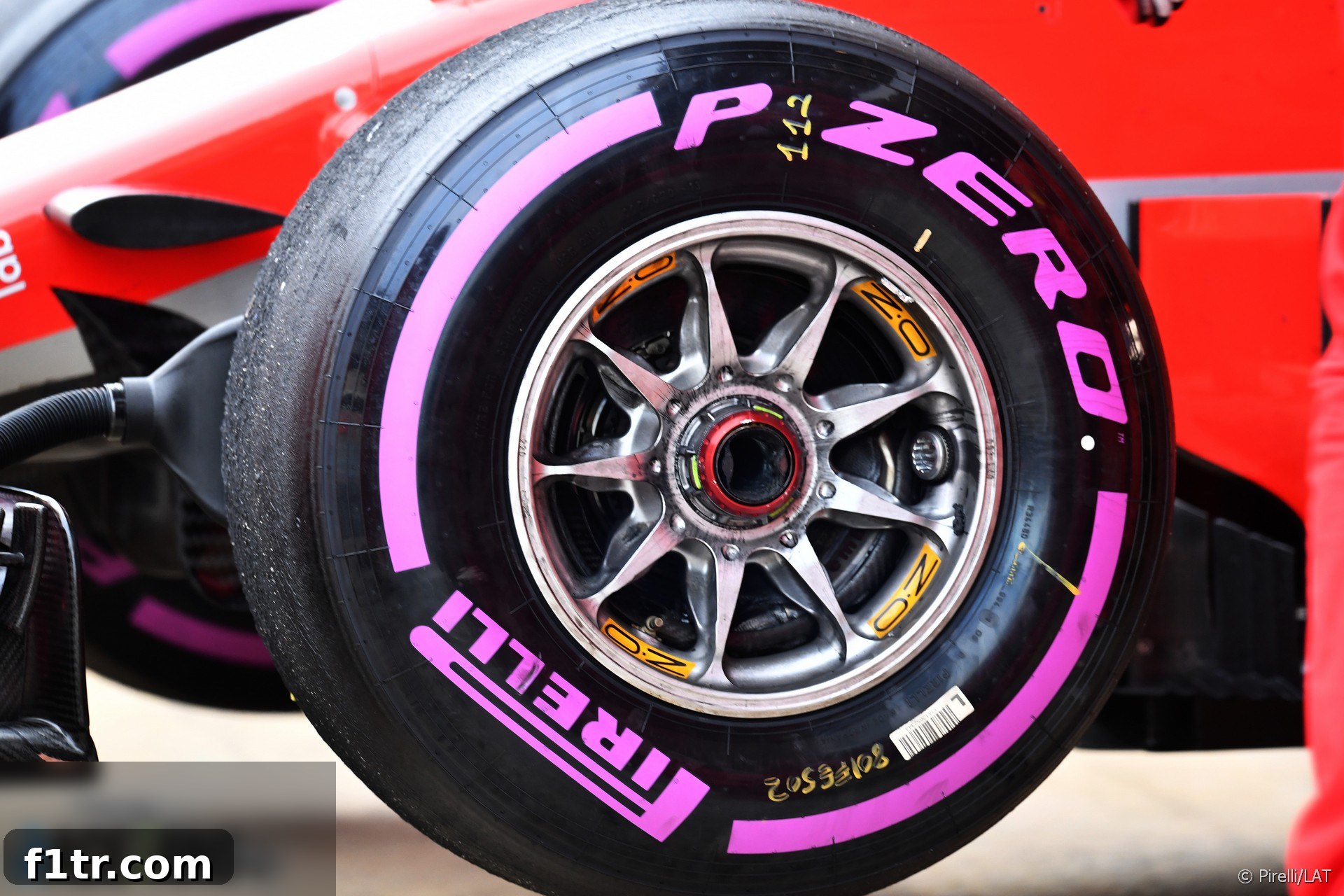
- Ultra-soft (Pink): As the second-softest compound in Pirelli’s 2018 range (only softer than the hyper-soft, which was introduced that year), the ultra-soft is engineered for maximum grip and outright qualifying pace. However, its aggressive nature means a higher degradation rate, making tyre management critical during long race stints. Its inclusion suggests that a one-stop strategy might be aggressive, while a two-stop could be more robust.
- Super-soft (Red): A step harder than the ultra-soft, the super-soft offers a balance between performance and durability. It provides excellent grip, particularly in cooler conditions or over shorter bursts, and generally has a longer lifespan than its softer counterpart. This compound often serves as a flexible option, enabling either a longer first stint or a powerful second stint, depending on race dynamics.
- Soft (Yellow): The hardest of the three nominated compounds for Paul Ricard, the soft tyre is designed for greater longevity and consistent performance over extended periods. While offering less outright pace than the ultra-soft or super-soft, its superior durability makes it a crucial component for managing race distance, especially on a circuit known for its high-speed corners and demanding surfaces. It provides a reliable baseline for race strategy.
The combination of these three compounds creates a fascinating strategic dilemma for teams. Will they prioritize raw speed with the ultra-soft for qualifying and an aggressive early race stint, or opt for a more conservative approach focusing on tyre longevity with the soft compound? The high-grip asphalt will inevitably put significant stress on the tyres, particularly through corners like Signes and Beausset, making optimal compound selection and tyre management paramount for success.
Addressing the Challenges: Lower Tread Depths for High-Grip Tracks
A significant detail regarding Pirelli’s tyre provision for Paul Ricard, as well as for Catalunya and Silverstone, is the introduction of special tyres featuring lower tread depths. This specific modification is a direct response to challenges faced in previous seasons, particularly concerning blistering and overheating on circuits with very high lateral loads and abrasive surfaces.
By reducing the tread depth, Pirelli aims to decrease the amount of rubber that heats up, thereby mitigating the risk of blistering and allowing the tyres to operate more consistently within their optimal temperature window. This engineering adjustment is crucial for maintaining performance and safety on demanding tracks. The high grip levels of the newly resurfaced Paul Ricard circuit, combined with its fast and sweeping corners, mean that tyres will be subjected to immense forces. The lower tread depth is an proactive measure to ensure the tyres can withstand these rigours without compromising performance or integrity.
For drivers, this means a potentially more consistent tyre over a stint, allowing them to push harder for longer without worrying about sudden drops in performance due due to overheating. For teams, it adds another layer to setup considerations, as the interaction between the car’s aerodynamics, suspension, and the new tyre construction becomes even more critical for extracting maximum performance.
A Look Back: F1’s Return to Paul Ricard
The French Grand Prix’s return to Paul Ricard after nearly three decades marks a momentous occasion for Formula 1. The circuit, located near Le Castellet, has a rich history in motorsport, having hosted the French Grand Prix 14 times between 1971 and 1990. Famous for its long Mistral straight and highly technical sections, it quickly became a favourite for testing and development thanks to its advanced facilities and numerous track configurations.
The 1990 race, won by Alain Prost for Ferrari, was the last time the F1 circus visited the venue. Since then, the circuit has undergone significant modernization, including the aforementioned resurfacing and updated safety features. Its distinctive blue and red run-off areas, designed to provide high-friction surfaces for safety, are now synonymous with the track’s unique character. The combination of historical significance and cutting-edge facilities makes Paul Ricard a fitting host for a modern Grand Prix, promising a compelling blend of speed, strategy, and tradition.
2018 F1 Tyre Selections: A Season of Softer Choices
The 2018 Formula 1 season saw Pirelli adopt a more aggressive approach to tyre selection across the calendar, generally opting for softer compounds compared to the previous year. This philosophy was intended to promote more varied race strategies, increase overtaking opportunities, and create closer, more exciting competition. The introduction of the new “Hyper-soft” compound, even softer than the ultra-soft, further underscored this commitment to pushing the performance envelope.
The following table provides a snapshot of Pirelli’s tyre nominations for various circuits throughout the 2018 season, alongside their 2017 counterparts where applicable. This highlights the general trend towards softer options and illustrates the specific choices made for each unique track.
| Circuit | 2018 Tyres | 2017 Tyres | ||||
|---|---|---|---|---|---|---|
| Melbourne | Soft | Super-soft | Ultra-soft | Soft | Super-soft | Ultra-soft |
| Bahrain | Medium | Soft | Super-soft | Medium | Soft | Super-soft |
| Shanghai | Medium | Soft | Ultra-soft | Medium | Soft | Super-soft |
| Baku | Soft | Super-soft | Ultra-soft | Medium | Soft | Super-soft |
| Catalunya | Medium | Soft | Super-soft | Hard | Medium | Soft |
| Monte-Carlo | Super-soft | Ultra-soft | Hyper-soft | Soft | Super-soft | Ultra-soft |
| Montreal | Super-soft | Ultra-soft | Hyper-soft | Soft | Super-soft | Ultra-soft |
| Paul Ricard | Soft | Super-soft | Ultra-soft | n/a | n/a | n/a |
| Red Bull Ring | Soft | Super-soft | Ultra-soft | |||
| Silverstone | Medium | Soft | Super-soft | |||
| Hockenheimring | n/a | n/a | n/a | |||
| Hungaroring | Medium | Soft | Super-soft | |||
| Spa-Francorchamps | Soft | Super-soft | Ultra-soft | |||
| Monza | Medium | Soft | Super-soft | |||
| Singapore | Soft | Super-soft | Ultra-soft | |||
| Sochi | Soft | Super-soft | Ultra-soft | |||
| Suzuka | Medium | Soft | Super-soft | |||
| Circuit of the Americas | Soft | Super-soft | Ultra-soft | |||
| Autodromo Hermanos Rodriguez | Soft | Super-soft | Ultra-soft | |||
| Interlagos | Medium | Soft | Super-soft | |||
| Yas Marina | Soft | Super-soft | Ultra-soft | |||
As seen from the table, for circuits like Catalunya, the 2018 nominations moved to a softer range (Medium, Soft, Super-soft) compared to 2017 (Hard, Medium, Soft). This shift, combined with the specific tread depth adjustments for high-stress tracks, exemplifies Pirelli’s dynamic approach to tyre development and selection, aiming to optimize performance while ensuring reliability throughout a challenging F1 season.
The Impact on Racing Dynamics
The combination of a newly resurfaced, high-grip track, Pirelli’s softer compound choices, and the modified tread depths sets the stage for a compelling race weekend at Paul Ricard. Teams will have to meticulously analyze practice data to understand the precise degradation characteristics of each compound and how they interact with their car setups. Overtaking opportunities, particularly with the long Mistral straight, will depend heavily on tyre condition and strategic timing.
Drivers will need to demonstrate exceptional tyre management skills, balancing outright pace with the need to preserve the compounds. A well-executed one-stop strategy might prove to be a race-winning move if a team can make the soft or super-soft last, while a more aggressive two-stop approach utilizing the ultra-soft could pay dividends for those seeking a performance advantage. Ultimately, the French Grand Prix promises to be a true test of engineering, driving talent, and strategic acumen, all underpinned by Pirelli’s critical tyre choices.
Stay Connected with F1 News
Don’t miss a moment of the action. Follow us for the latest updates and in-depth analysis from the world of Formula 1:
- Join us on Facebook
- Follow us on Twitter
- Get daily email updates from F1
Related F1 Articles from the 2018 Season
Dive deeper into the events and discussions surrounding the 2018 Formula 1 season:
- Analysing the 2018 Championship Battle
- The Rise of New Talent in Formula 1
- Technical Innovations That Defined the Season
- Team Strategies: Highs and Lows of 2018
- Key Moments and Controversies of the 2018 F1 Calendar
Browse all 2018 F1 season articles