Edoardo Mortara Claims Maiden Formula E Win After Sam Bird Penalty Drama
The exhilarating world of Formula E once again delivered a dramatic twist, as Edoardo Mortara inherited his first-ever victory in the all-electric racing series. The dramatic turn of events unfolded following a post-race penalty issued to Sam Bird, who was initially the victor on the track, for a collision involving the then-leading driver, Andre Lotterer. This decision sent ripples through the final standings, reshaping the podium and significantly altering the points allocation for several key competitors.
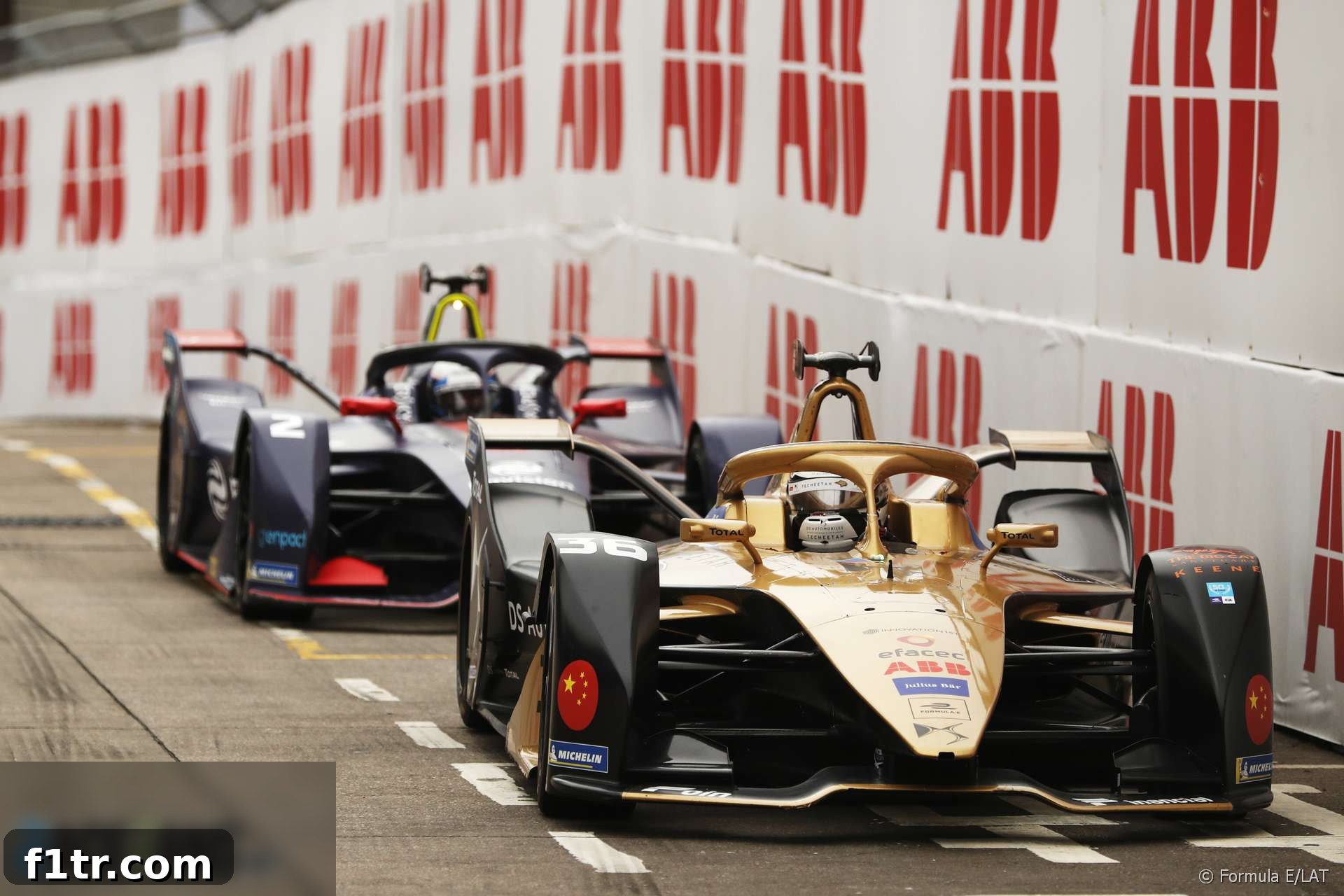
The race, which had been a fiercely contested battle from start to finish, culminated in a moment of controversy that would ultimately define its outcome. Sam Bird, a seasoned Formula E competitor known for his aggressive yet often successful driving style, had crossed the finish line first, seemingly securing a well-deserved win. However, the race stewards swiftly launched an investigation into an incident involving Bird’s car and Lotterer’s DS Techeetah.
The Pivotal Incident: Bird vs. Lotterer Collision
The collision, which became the central point of contention, occurred when Lotterer was leading the race, showcasing a strong performance and looking set to claim victory himself. Bird’s move to overtake or defend ultimately led to contact with Lotterer’s right-rear tyre. The impact was significant enough to cause an immediate puncture for Lotterer, an unfortunate turn that saw the German driver’s hopes of a win vanish in an instant, relegating him to a dismal 14th place in the final classification. This incident underscored the high stakes and razor-thin margins that characterize Formula E racing, where a single misjudgment can drastically alter fortunes.
Race stewards meticulously reviewed the incident, taking into account various factors, including track conditions. Their official statement noted, “The driver of car two (Sam Bird) had a direct hit with the right-rear tyre of car 36 (Andre Lotterer) resulting in an immediate puncture.” They acknowledged that certain areas of the track were damp, a factor that can often contribute to tricky driving conditions and reduced grip. However, the stewards were clear in their assessment, stating, “car 36 left more than a car width to the inside. As a result, we find that the driver of car two was predominantly to blame for the incident.” This conclusion firmly placed the responsibility for the collision on Sam Bird, leading to the decisive penalty.
Sam Bird’s Penalty and Its Far-Reaching Consequences
The ruling handed Sam Bird a five-second time penalty, a standard punishment for such racing infringements. While five seconds might seem minimal in the grand scheme of a race, in the incredibly close-fought world of Formula E, it proved to be a monumental penalty. The addition of five seconds to Bird’s total race time effectively dropped him from first place down to sixth in the final standings. This not only stripped him of a victory but also cost him a significant haul of championship points, potentially impacting his title challenge for the season.
Bird’s demotion was a bitter pill to swallow, especially given his strong on-track performance. His aggressive driving, while sometimes leading to penalties, is also a key reason for his numerous successes in the series. This incident, however, served as a stark reminder of the strict regulations governing driver conduct and the importance of clean racing, even in the heat of battle. The penalty highlighted the stewards’ commitment to maintaining fair play and ensuring that aggressive maneuvers do not unduly compromise the integrity of the competition or the safety of the drivers.
Mortara’s Unexpected Inaugural Victory and Podium Reshuffle
With Sam Bird’s penalty applied, the race results underwent a dramatic reshuffle. The biggest beneficiary of this decision was Edoardo Mortara of the Venturi Racing team, who was elevated to first place, thus securing his maiden Formula E race win. For Mortara, this inherited victory marked a significant milestone in his Formula E career, a testament to his consistent performance and ability to stay out of trouble in a chaotic race. While not won on the track in the traditional sense, the win is officially recorded, validating his efforts and the team’s strategy.
The podium also saw significant changes. Lucas di Grassi, the seasoned Brazilian driver and former Formula E champion, was elevated to second place, showcasing his enduring competitive spirit and ability to capitalize on rivals’ misfortunes. Robin Frijns, another consistent performer in the series, moved up to claim the final spot on the podium, earning a valuable haul of points for his team. These revised results underscored the unpredictable nature of Formula E, where the final classifications often remain uncertain until the stewards have concluded their post-race investigations.
Further down the order, Daniel Abt also gained a position, moving up to fourth place, just ahead of the illustrious Felipe Massa, who completed the top five. This domino effect meant that every driver who finished behind Bird in the original classification effectively moved up one spot, impacting their championship points and morale. The list of points scorers was completed by Mitch Evans, Gary Paffett, Oliver Turvey, and Antonio Felix da Costa, each gaining from the post-race adjustments and adding valuable contributions to their respective teams’ championship campaigns.
Other Race Incidents and Stewards’ Decisions
The stewards’ busy post-race review session wasn’t limited to the Bird-Lotterer incident. Another significant penalty was handed to Jean-Eric Vergne, the reigning Formula E champion at the time, for causing a collision with Tom Dillmann. Vergne received a five-second time penalty for this incident. However, unlike Bird’s penalty, this sanction had no bearing on Vergne’s finishing position, as he had already finished in 13th place, well outside the points-scoring positions. This indicated that while the infringement was noted, it didn’t alter the competitive hierarchy in his case.
In contrast, Oliver Rowland, who unfortunately retired from the race, was cleared of any wrongdoing regarding an alleged collision at turn six. This decision highlighted the stewards’ thoroughness, as they not only penalized drivers for infractions but also exonerated those found innocent after investigation. Such meticulous scrutiny ensures that justice is served and that the racing is as fair as possible, reflecting the careful balance between aggressive racing and adherence to the rules.
The Ever-Unpredictable Nature of Formula E
This particular E-Prix exemplified the captivating and often dramatic essence of Formula E racing. The series, known for its fierce competition on challenging street circuits and the unique demands of electric powertrains, consistently delivers races that keep fans on the edge of their seats until the very last moment. The combination of high-speed racing, energy management strategies, and the ever-present threat of penalties creates an environment where anything can happen.
Edoardo Mortara’s inherited win, while perhaps not the way any driver dreams of securing their first victory, is nevertheless a legitimate triumph that highlights the importance of staying clean and consistent throughout a race. It also underscores the critical role played by the race stewards in upholding the sporting regulations, ensuring that the integrity of the championship remains paramount. These post-race decisions, while sometimes controversial, are an integral part of modern motorsport, adding another layer of intrigue and unpredictability to the overall narrative of the season.
As the Formula E season progresses, every point becomes crucial in the battle for the championship title. Incidents like these not only shape individual race results but also have broader implications for the drivers’ and teams’ standings, making each E-Prix a vital chapter in the unfolding story of the all-electric racing series. The dramatic conclusion of this race serves as a powerful reminder that in Formula E, the chequered flag doesn’t always signal the end of the story; sometimes, the most significant developments occur after the cars have crossed the finish line.