Pit Lane Peril: Mercedes and Williams Penalized at Abu Dhabi Grand Prix
The high-stakes world of Formula 1 demands absolute precision, not just on the track but also in the tightly choreographed chaos of the pit lane. The Abu Dhabi Grand Prix weekend once again highlighted the critical importance of pit lane safety and adherence to regulations, as stewards handed down significant penalties to top teams Mercedes and Williams for separate incidents during final practice.
Mercedes Fined for Costly Pit Lane Collision with Yuki Tsunoda
In a moment of intense pressure, Mercedes-AMG Petronas F1 Team found themselves on the receiving end of a €10,000 fine (£8,700 approximately) for causing a collision involving Red Bull’s Yuki Tsunoda in the bustling pit lane. The incident occurred during the final practice session, underscoring the razor-thin margins and rapid decision-making required even before the competitive lights go out.
Advert | Become a Supporter & go ad-free
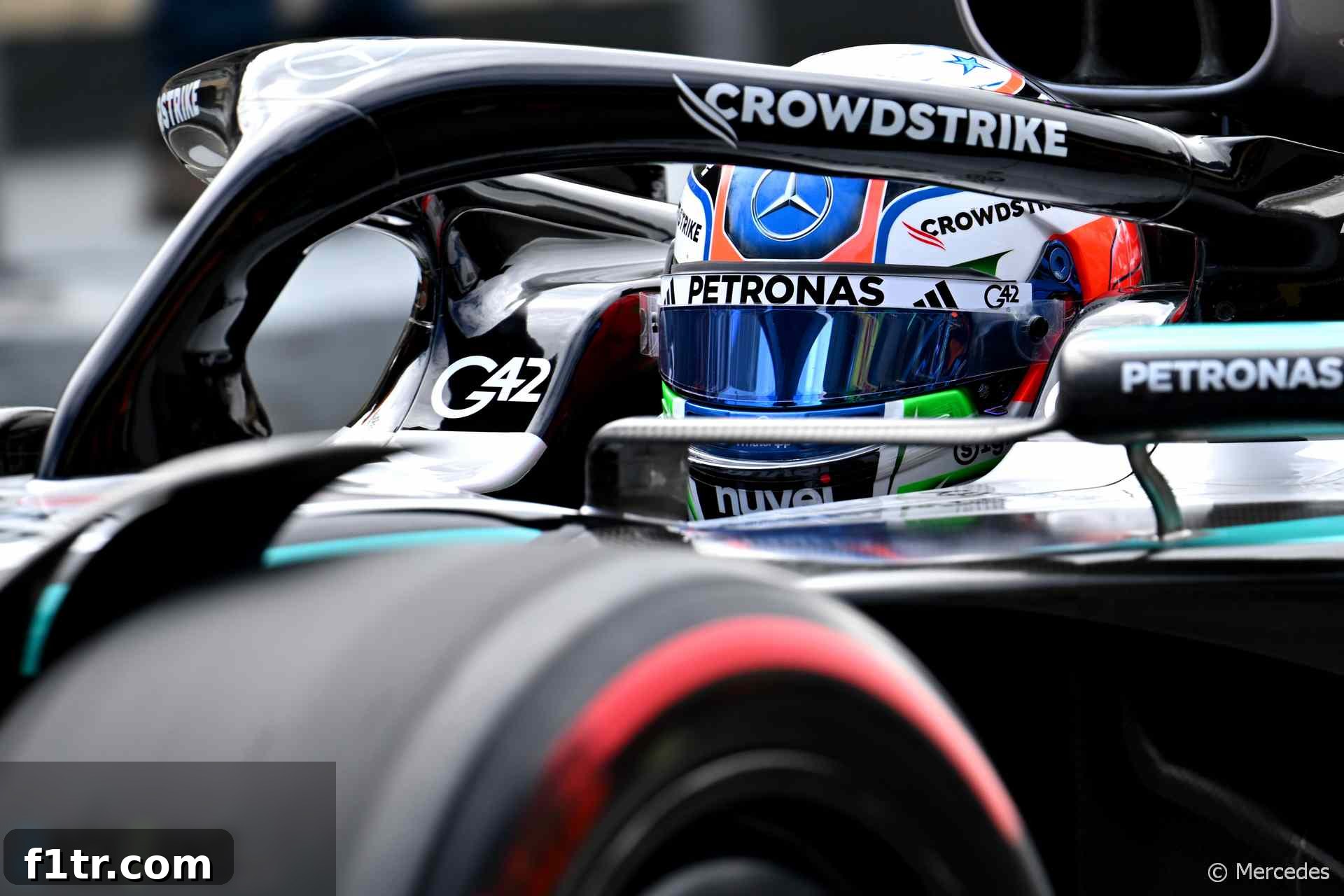
The collision unfolded when Mercedes’ test driver, Andrea Kimi Antonelli’s car was signaled to leave the garage. Unfortunately, this release coincided with Tsunoda’s approach, leading to contact between Antonelli’s Mercedes and Tsunoda’s Red Bull. Such incidents, though often minor in terms of physical damage, carry severe implications for safety and fair play within the confines of the pit lane.
Stewards’ Verdict: Mercedes Held Responsible
Following a thorough investigation, which involved reviewing video evidence and discussions with representatives from both Mercedes and Red Bull Racing, the race stewards concluded that Mercedes was solely responsible for the incident. Their official report noted that Antonelli’s car “was released from the garage into the path of car 22 [Tsunoda], and collided with that car causing damage to both.”
During their deliberation, the competitor of car 12 [Antonelli] candidly conceded that the team was operating under extreme pressure, admitting they were in “a bit of a rush” due to a prior red flag in the session. This red flag period often compresses schedules and heightens the urgency for teams to get their cars out for crucial practice laps. Crucially, the stewards absolved Antonelli of any blame, acknowledging that he was merely “following the instructions of the team.” This distinction is vital, as it places the onus squarely on the team’s pit wall and crew for safe release protocols.
Precedent Set: Consistency in Stewarding
The penalty imposed on Mercedes mirrors an earlier incident this season. The stewards explicitly stated, “The penalty applied is the same as that applied to a similar breach in this year’s Singapore Grand Prix.” This refers to a €10,000 fine handed to Ferrari following a comparable pit lane collision between Charles Leclerc and Lando Norris. Such consistency in applying penalties reinforces the FIA’s commitment to uniform enforcement of sporting regulations across the calendar, ensuring fairness and predictability for all competitors.
The uniform application of penalties for similar infractions is a cornerstone of fair competition in Formula 1. It sends a clear message to all teams: pit lane safety protocols are non-negotiable, and any deviation will result in standardized financial consequences. These incidents highlight the immense pressure on pit crews, where split-second decisions and precise coordination are paramount, and a single misjudgment can lead to significant penalties and potential damage.
Williams Also Penalized for Unsafe Release
Mercedes was not the only team to face the stewards’ scrutiny during the Abu Dhabi Grand Prix final practice. Williams Racing also incurred a penalty, albeit a less severe one, for an “unsafe release” involving their driver, Alexander Albon. This incident, while not resulting in a collision, still presented a clear safety hazard in the pit lane.
Williams released Albon’s car directly into the path of Esteban Ocon, who was forced to take evasive action, braking sharply to avoid a collision. The stewards, after debriefing both drivers and team representatives, ruled this “a clear case of a release which caused another car to brake almost to a stop to avoid a collision and hence was determined to be unsafe.”
The distinction in penalty severity between Williams’ unsafe release and Mercedes’ collision is significant. While both fall under the umbrella of pit lane infringements, a direct collision naturally warrants a harsher sanction due to the actual damage caused and the heightened risk. However, an unsafe release, even without contact, is still a serious breach of regulations designed to protect drivers and pit lane personnel. It underscores the F1 Sporting Regulations, specifically rules concerning safe pit lane conduct, which mandate that cars must not be released from the garage if it is unsafe to do so or if it might impede another competitor.
A History of Pit Lane Infractions: Williams and the Qatar GP Incident
This wasn’t Williams’ first encounter with pit lane-related penalties recently. Just a week prior, at the Qatar Grand Prix, the team was fined for a peculiar and arguably more comical infraction. During that event, Carlos Sainz Jnr was released from the pits with a garage floor sticker still attached to one of his rear wheels. While not a safety hazard in the traditional sense of a collision, it represented a lapse in operational oversight and was deemed an infringement of technical regulations, leading to another financial penalty for the team.
These recurring incidents – from forgotten stickers to unsafe releases and outright collisions – highlight the multifaceted challenges of pit lane operations in modern Formula 1. The pit lane, with its confined spaces, rapid movements, and constant flow of high-speed vehicles, is inherently dangerous. Teams invest heavily in technology and training to ensure swift yet safe pit stops and garage releases. Yet, under the immense pressure of a Grand Prix weekend, human error and operational oversights can still lead to costly mistakes. The FIA and its stewards play a vital role in monitoring these activities, ensuring that safety standards are upheld and that penalties serve as a deterrent against future infringements, thereby maintaining the integrity and safety of the sport.
Advert | Become a RaceFans supporter andgo ad-free
Miss nothing from RaceFans
Get a daily email with all our latest stories – and nothing else. No marketing, no ads. Sign up here:
More from the 2025 Abu Dhabi Grand Prix
- McLaren’s Las Vegas disqualifications cost them record points score in 2025
- 2025 Abu Dhabi Grand Prix weekend F1 driver ratings
- Antonelli asked team how many points Verstappen lost title by after online abuse
- Norris vs Verstappen vs Piastri: Full radio transcript from their championship showdown
- Norris’s engineer told him Tsunoda’s move was “classic Red Bull s***housing”
Browse all 2025 Abu Dhabi Grand Prix articles