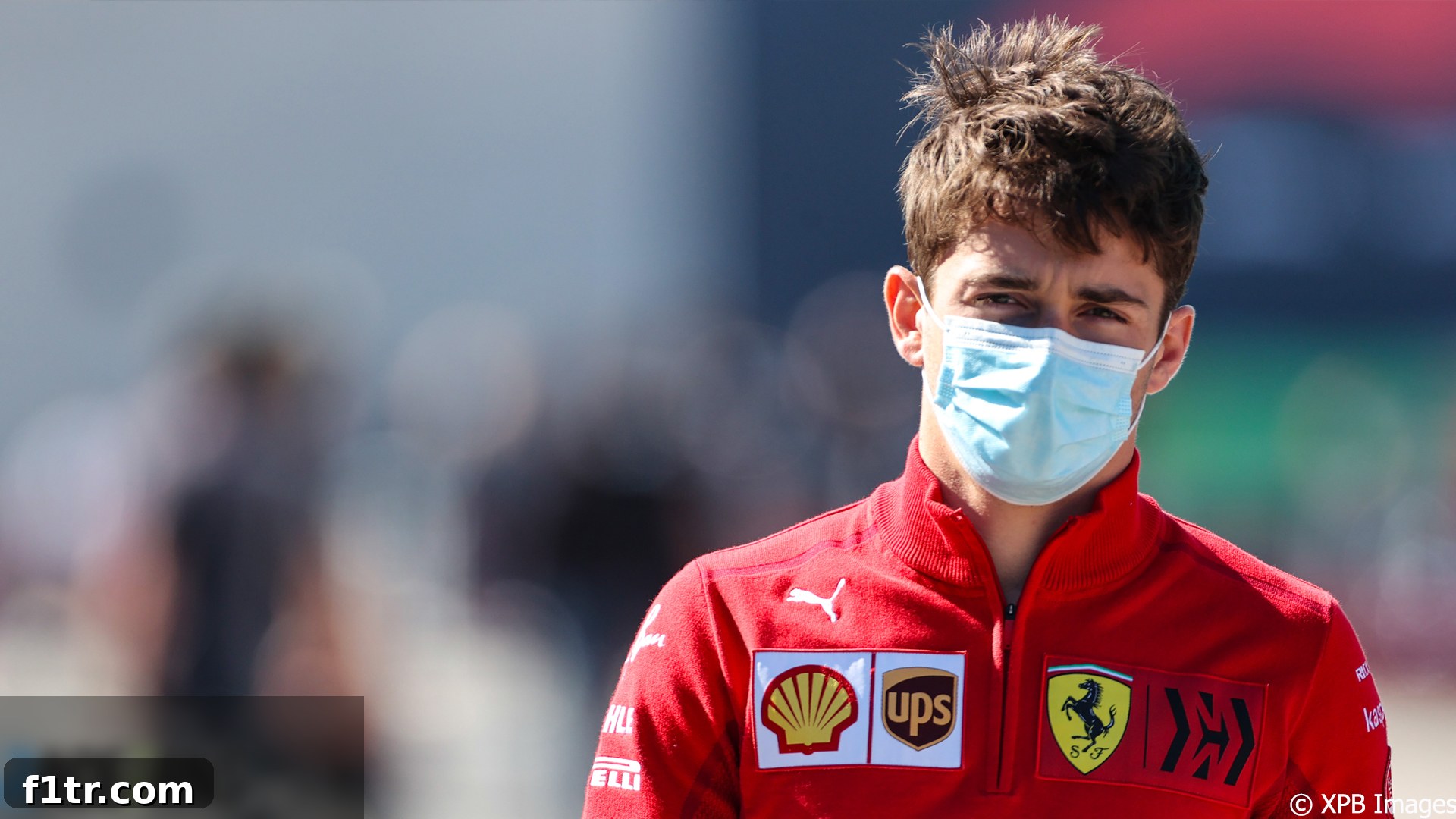
The world of Formula 1 is consistently pushing the boundaries of innovation, seeking new ways to amplify the thrill and spectacle for its vast global audience. One of the most significant shifts in the traditional Grand Prix weekend format in recent memory is the impending introduction of Sprint Qualifying races. This ambitious experiment, slated to debut at legendary circuits such as Silverstone and Monza during the 2021 season, has naturally ignited lively discussions across the F1 community – from dedicated fans and team strategists to the drivers themselves. Prominent among those voicing their initial thoughts are Ferrari’s dynamic duo, Charles Leclerc and Carlos Sainz Jnr, both of whom approach the new format with a thoughtful blend of optimism and practical foresight.
Charles Leclerc: Embracing Innovation with a Call for Objectivity
Monégasque sensation Charles Leclerc, widely regarded as one of Formula 1’s brightest young talents, views the sprint qualifying experiment as a potentially “good for the sport” initiative. His perspective underscores a progressive attitude, acknowledging Formula 1’s enduring commitment to evolution and its willingness to test novel concepts. Leclerc concisely stated that, at the very least, “it’s good to try this.” This open-minded stance is indispensable for any new undertaking, particularly within a sport as deeply steeped in tradition and heritage as Formula 1. The core principle behind sprint qualifying is to inject an additional layer of competitive intensity into Saturday’s schedule, thereby making the entire Grand Prix weekend a more continuously engaging event from its commencement to its conclusion.
However, Leclerc’s endorsement of the new format is accompanied by a crucial stipulation: the imperative for a rigorous, honest, and objective assessment once the season concludes. He firmly believes that Formula 1 must be prepared to retract the format should it fail to yield the desired positive outcomes or, more critically, if it proves to be detrimental to the sport’s overall appeal. “We have to be objective enough at the end of the season, if this has been negative, just obviously come back to the normal race format, which is already a very, very good format,” Leclerc articulated. This sensible and balanced viewpoint highlights the necessity of balancing progressive change with the preservation of Formula 1’s fundamental character and excitement. It acknowledges that while fresh ideas are welcomed, the sport’s intrinsic allure and thrill must remain paramount.
Further elaborating on his cautiously optimistic outlook, Leclerc suggested that the sprint format might unexpectedly introduce beneficial elements. “It may be that it also adds something to the race weekend which we didn’t expect and that would be just better for the sport,” he pondered. This sentiment captures the inherent unpredictability of such experiments; often, the most significant advantages arise from unforeseen circumstances. The young Ferrari driver concluded by expressing his keen anticipation to experience the new format personally. “I don’t have any particular opinion for now, but I’m really looking forward to try it. And hopefully it will bring something positive for the fans.” His emphasis on enhancing the fan experience aligns perfectly with F1’s primary objective for this bold structural modification: to elevate the viewing pleasure and attract new demographics to the sport.
Carlos Sainz Jnr: The Ideal Window for Experimentation
Charles Leclerc’s teammate, the accomplished Spanish driver Carlos Sainz Jnr, who recently joined the esteemed Scuderia Ferrari, echoes a similarly supportive perspective regarding the sprint qualifying initiative. Sainz commends Formula 1’s proactive endeavors to experiment with its race weekend structures, interpreting it as a positive indicator of the sport’s dynamic and evolving nature. “Formula 1 is doing a good effort, a good job by trying to experiment with formats,” he observed, highlighting the strategic thinking behind the changes.
Sainz astutely identifies the specific timing of this experiment as particularly advantageous. The 2021 season occupies a unique transitional position, nestled between the current regulatory framework and the highly anticipated, comprehensive new technical regulations slated for implementation in 2022. “I think this is a year in between a big rule change next year that it kind of allows you to experiment a bit with this kind of stuff,” Sainz elucidated. This “in-between” period offers a comparatively safer environment for trialling radical modifications without causing significant disruption to a stable regulatory cycle or impeding the crucial development phase for future generations of cars. Should the experiment introduce any unforeseen competitive imbalances or logistical hurdles, the repercussions would largely be contained within a single season before a major regulatory overhaul resets the playing field.
Understanding Formula 1’s Sprint Qualifying Format
To fully grasp the drivers’ nuanced perspectives, it is imperative to comprehend the mechanics of Formula 1’s Sprint Qualifying format. The traditional Grand Prix weekend structure typically comprises three practice sessions, culminating in a qualifying session on Saturday that dictates the grid for Sunday’s main Grand Prix. The sprint format, however, introduces a pivotal alteration. Instead of the conventional FP2 and traditional Saturday qualifying, the revised schedule will feature a shorter “Sprint Qualifying” race – approximately 100km in length – devoid of mandatory pit stops. This miniature race will award championship points to the top three finishers (3 points for first, 2 for second, 1 for third) and, critically, will determine the starting grid positions for Sunday’s feature Grand Prix. Friday will now host one practice session, followed by a traditional qualifying session, which in turn sets the grid exclusively for the Saturday sprint race. This reconfigured schedule aims to ensure that every single day of the Grand Prix weekend offers more competitive action and compelling drama for spectators, moving away from protracted practice sessions that can sometimes lack genuine on-track excitement.
The Rationale Behind the Experiment: Boosting Fan Engagement
The motivation underpinning Formula 1’s decision to implement Sprint Qualifying is multi-faceted, yet its primary focus unequivocally revolves around augmenting fan engagement and enhancing the sport’s overall appeal within an increasingly competitive global entertainment landscape. Liberty Media, the current commercial rights holder of F1, has been relentlessly proactive in exploring novel formats since acquiring the sport, striving to captivate new demographics while staunchly retaining its core legion of loyal followers. The conventional Grand Prix weekend often sees Friday’s practice sessions generating limited excitement for casual observers, and even Saturday’s FP3 can feel more like a preparatory exercise than a standalone event of consequence.
By substituting a practice session and traditional qualifying with a bona fide competitive race, Formula 1 endeavors to forge three distinct and high-stakes moments of intense action throughout the weekend: Friday’s qualifying session that sets the grid for the sprint, Saturday’s thrilling sprint race itself, and the grand culmination on Sunday with the main Grand Prix. This innovative approach could substantially boost television viewership and trackside attendance on Saturdays, delivering a more consistent flow of meaningful on-track drama. Moreover, the awarding of championship points for the sprint race adds another layer of incentive for drivers and teams to exert maximum effort, potentially leading to more aggressive racing maneuvers and overtakes.
Potential Benefits and Intrinsic Challenges
From a purely theoretical standpoint, the anticipated benefits of Sprint Qualifying appear quite promising. More competitive sessions inherently translate to a greater number of thrilling moments for dedicated fans. This format could also compel teams and drivers to adopt diverse and innovative strategies, thereby introducing a fresh tactical dimension to the entire weekend. Consider, for instance, a driver who might struggle during Friday’s qualifying but possesses exceptional race pace; the sprint race offers an immediate and tangible opportunity to recover valuable grid positions for the main event. This dynamic could potentially lead to more varied and unpredictable grids on Sunday, effectively disrupting the established pecking order and creating fresh narratives.
However, the format is not immune to potential challenges and valid criticisms. A significant concern revolves around the heightened risk of accidents during the sprint race. A damaged car could necessitate a frenetic and costly repair effort for teams, potentially compromising a driver’s performance or even their ability to participate fully in Sunday’s Grand Prix. Conversely, drivers might be inclined to adopt a more conservative and risk-averse approach in the sprint race to safeguard their machinery, which could inadvertently diminish the very excitement the format aims to generate. Another point of contention centers on the traditional sanctity of pole position; historically, the fastest lap recorded in Saturday’s qualifying session earned this prestigious title. Under the sprint format, the driver who starts first in the main Grand Prix (i.e., the winner of the sprint race) might be perceived as the “true” pole-sitter by some, igniting a philosophical debate about Formula 1’s time-honored traditions and records.
The Road Ahead: Objective Assessment is Paramount
As Charles Leclerc so astutely emphasized, the ultimate success or failure of Sprint Qualifying will unequivocally hinge upon an objective and thorough assessment. This necessitates that Formula 1, in collaboration with the FIA and the participating teams, meticulously analyze a wide array of crucial metrics. These will undoubtedly include viewership figures for both Friday and Saturday sessions, comprehensive fan sentiment gathered through surveys and extensive social media analysis, direct feedback from drivers and teams regarding the sporting and logistical impact, and a critical evaluation of the overall quality of racing produced. The fundamental intent behind this change is not merely to alter the format for change’s sake, but to genuinely elevate and improve the sport for all stakeholders.
The strategic decision to host sprint races at three geographically and characteristically diverse venues – the formidable high-speed challenges of Silverstone and Monza, alongside one additional circuit yet to be officially confirmed – will furnish invaluable data spanning various track characteristics. This diversified trial approach will be instrumental in determining if the format possesses universal applicability or if it is better suited to specific types of circuits that encourage closer racing. If the experiment proves demonstrably successful, it could well pave the way for a more widespread implementation of sprint races in forthcoming seasons. Conversely, should it unfortunately detract from the established spectacle or introduce unforeseen complications, the sport must indeed exhibit the fortitude and willingness to revert to its beloved and historically successful traditional format.
The 2021 Formula 1 season truly stands as a pivotal year for innovation and experimental reform. With influential drivers like Charles Leclerc and Carlos Sainz Jnr lending their cautiously supportive voices, the entire motorsport world eagerly anticipates the debut of Sprint Qualifying. It unequivocally represents a bold and decisive stride towards an even more dynamic and engaging future for F1, promising an increased volume of action, richer strategic layers, and ultimately, an enhanced level of excitement for passionate fans across the globe. The definitive verdict will soon emerge, delivered not only by the stopwatch and the intense racing action on track, but also by the collective voice and sentiment of the entire Formula 1 community.
Related Articles on the 2021 Portuguese Grand Prix
- Pirelli’s tyre choice for Portuguese GP wasn’t “too hard”, Hamilton concedes
- Who are the top F1 juniors bidding for a grand prix debut in 2022?
- 2021 Portuguese Grand Prix Star Performers
- Race gains encourage Ricciardo after ‘unacceptable’ qualifying performance
- Sainz says top-five finish was possible after first no-score for Ferrari
Browse all 2021 Portuguese Grand Prix articles