Formula 1 is at a pivotal juncture, navigating the complex path towards its future. At the heart of this transformation are the eagerly anticipated 2021 regulations, poised to reshape the sport from its technical foundations to its financial framework. However, the path to consensus on these crucial rule changes has hit a procedural bump, with several of Formula 1’s most influential teams advocating for a delay in their final agreement. Originally slated for sign-off by the end of next month, the deadline for these groundbreaking technical and sporting rules is now likely to be pushed back, reflecting the immense complexity and high stakes involved in crafting a truly transformative package for the pinnacle of motorsport.
The FIA International Sporting Code mandates that the complete package of new technical and sporting regulations for the 2021 Formula 1 season must be formally agreed upon by the end of June. This long-standing provision ensures teams have ample time to design and develop their new cars under the stipulated rules. Yet, the sheer scope and detail of the proposed 2021 overhaul have prompted a collective plea from several prominent teams to defer this crucial deadline until October. This proposed extension aims to provide all parties with the necessary breathing room to refine the regulations, iron out potential ambiguities, and ensure the rules package is robust and fit for purpose, ultimately fostering a more competitive and sustainable future for the sport.
The Push for Postponement: A Balancing Act of Resources and Vision
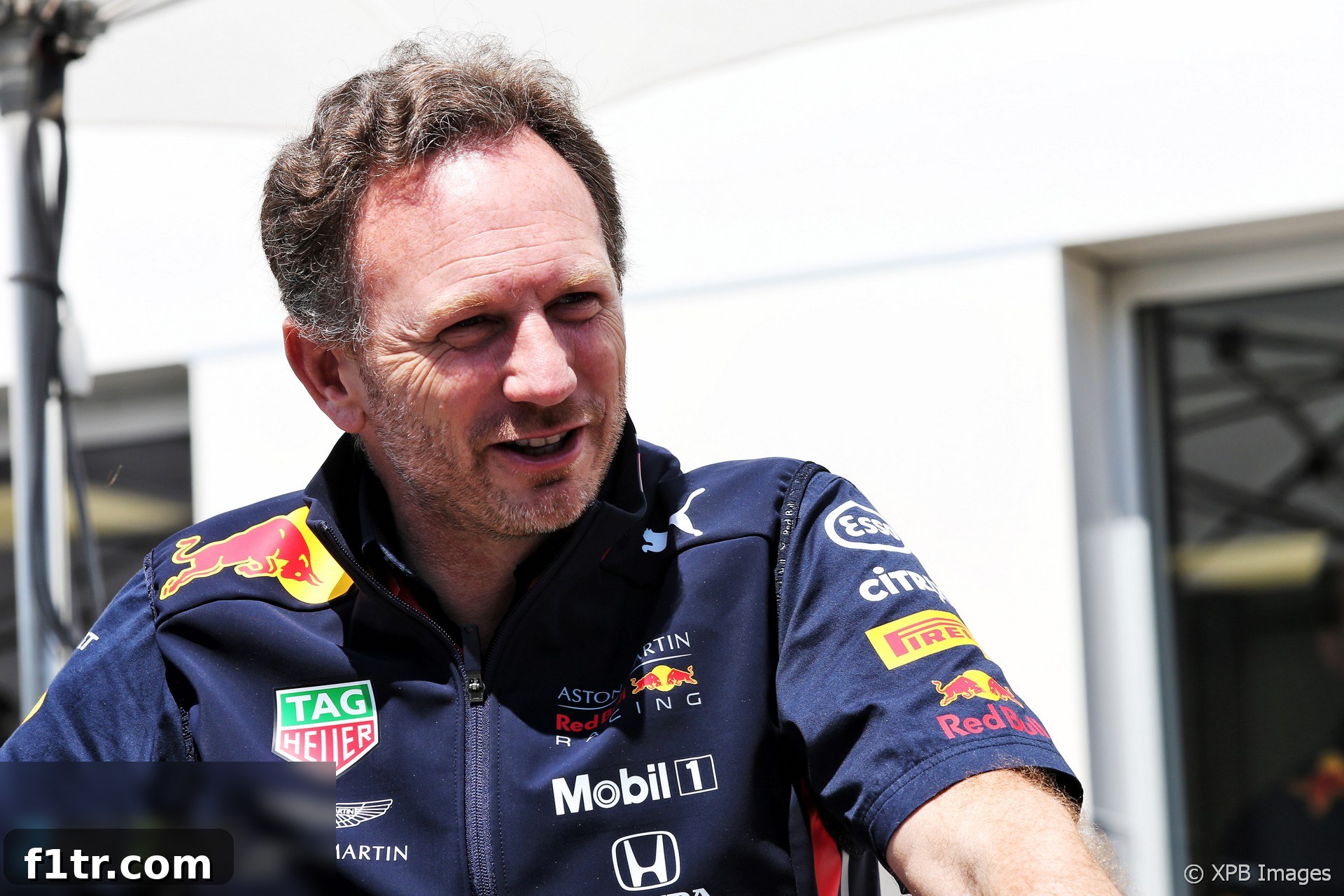
Among the strongest proponents for a delayed agreement is Red Bull Racing, whose team principal, Christian Horner, has been vocal about the need for more time. Horner initially suggested pushing the deadline even further, ideally to December. However, he acknowledged the practical challenges this would present, particularly for smaller, less resource-rich teams on the grid. He explained that a December sign-off would put smaller operations at a significant disadvantage, as they would have considerably less time to react and develop their cars compared to their larger rivals. Major teams, with their extensive engineering departments and financial backing, possess the capacity to allocate resources across multiple future projects simultaneously, effectively splitting their development efforts between the current and upcoming seasons. This ability to divert personnel and funds to early 2021 car development is a luxury not afforded to every team.
Recognizing this disparity and the need for a pragmatic solution, the October deadline has emerged as a carefully negotiated compromise. “It was my suggestion to move it from June,” Horner confirmed in an interview with RaceFans. “I think if you look at it, probably the best time would be to put it to December but then the little teams would argue that they can’t react to that because the earlier they are, the bigger teams have more resource to split their resource [between 2020 and 2021] and effectively put more resource on it sooner than the little teams. So October is effectively a compromise between end of year and June, so we’re OK with that.” This statement encapsulates the delicate balance Formula 1 must strike: fostering innovation and competitive equality while managing the logistical realities of an intensely competitive sport.
Forging Consensus: The Unanimous Agreement Requirement
A significant hurdle in deferring the rules agreement is the FIA’s stringent requirement for unanimous consent. To officially delay the sign-off of the new regulations, all ten teams currently competing in Formula 1 must agree. Achieving such widespread consensus among fiercely competitive entities, each with its own strategic interests and priorities, is no small feat. Yet, Christian Horner expressed confidence that this unanimity is attainable, suggesting that the benefits of an extended development period for the collective good of the sport outweigh the individual desire for an earlier resolution.
“Amongst the teams there’s been unanimity,” Horner stated. “I think the only one that questioned it was Renault but I think they got there in the end so I didn’t see anybody that wasn’t in agreement with it.” This indicates a broad understanding within the F1 paddock regarding the need for meticulous planning and development, even if it means altering established procedural timelines. The consensus reflects a shared goal: to ensure the 2021 rules are not just implemented, but that they are implemented correctly and effectively, paving the way for a more exciting and sustainable future for the sport, characterized by closer racing and greater financial equilibrium.
The Vision for F1 2021: More Than Just a Rulebook
The push for delayed agreement isn’t merely about convenience; it underscores the revolutionary nature of the 2021 rules package. Spearheaded by Formula 1’s commercial rights holder, Liberty Media, and the FIA, these regulations aim to address several critical areas: promoting closer racing, creating a more level playing field through stringent budget caps, standardizing certain components to significantly reduce costs, and enhancing the sport’s overall sustainability and appeal to a broader global audience. The proposed changes represent the most significant overhaul in decades, affecting aerodynamics, engine regulations, chassis design, and fundamental financial structures. Crafting such a comprehensive and impactful set of rules demands exceptional precision, foresight, and an iterative process of refinement.
Teams discussed the intricacies of this plan during a crucial meeting held in Azerbaijan. Key figures present included FOM CEO Chase Carey, motorsport director Ross Brawn – a technical guru renowned for his deep understanding of F1 engineering and strategy – and FIA director of single-seater matters Nikolas Tombazis. This high-level gathering highlights the importance of extensive collaboration between the sport’s commercial and sporting authorities and the competing teams. The collective goal is to ensure the 2021 regulations are not only technically sound and safe but also strategically beneficial for the sport’s long-term health, financial stability, and fan engagement, creating a more exciting and unpredictable championship.
Leading Voices Support the Delay: Mercedes and Ferrari Weigh In
Mercedes-AMG Petronas F1 Team principal Toto Wolff, head of the dominant force in recent F1 seasons, also indicated his support for postponing the new rules package. His perspective offers an interesting insight into the complexities faced by top-tier teams, balancing their competitive drive with the broader vision for the sport. “Personally, I’m in two minds,” Wolff admitted when asked by RaceFans. “I probably would want to support Ross and Chase and Nikolas. The trick is to come out with good regulations, you need enough time. And also you need to describe very precisely what’s being pushed out. It needs the unanimous decision of all teams. We are not going to be the ones to make that fail.”
Wolff’s nuanced view reflects the delicate balance between maintaining competitive advantage and ensuring the long-term health and fairness of the sport. While an earlier deadline might theoretically allow a team with superior resources to gain an initial advantage, the potential for poorly defined or flawed regulations due to rushed development could ultimately harm everyone, leading to unintended loopholes or unfair advantages. His emphasis on the need for “good regulations” and precise descriptions highlights the immense technical and legal challenges involved in drafting such a complex document. Mercedes, like other major teams, understands that ambiguity in the rules can lead to loopholes, protests, and potentially undermine the very objectives the regulations seek to achieve. Their willingness not to be “the ones to make that fail” underscores a commitment to the collaborative process and the future integrity of Formula 1.
Similarly, Scuderia Ferrari, another pillar of Formula 1 history and influence, is expected to align with the proposed delay. A senior source within the iconic Italian team conveyed their stance to RaceFans: “We are not against postponement in principle, but it depends on the detail.” This conditional support from Ferrari is significant. It suggests that while the overall concept of more time is agreeable, the specifics of what that extra time will be used for – particularly how certain controversial elements like budget caps, standardized parts, or specific technical freedoms are refined – will be critical to their final endorsement. Ferrari, with its unique status and significant power within the sport, often plays a crucial role in such negotiations, ensuring its interests are protected while also contributing to the collective direction of F1, aiming for regulations that balance competition with their brand’s enduring legacy.
The Rationale: Why More Time is Critical for F1’s Future
The collective drive to extend the deadline for the 2021 F1 regulations stems from several deeply practical and strategic considerations crucial for the sport’s longevity and excitement. Firstly, the sheer volume and intricacy of the proposed rule changes are unprecedented. They encompass not just minor tweaks but a fundamental re-imagining of how Formula 1 cars are designed, built, and raced. Technical directors and aerodynamicists require extensive periods for simulation, testing, and concept validation. Rushing this process could lead to unintended consequences, such as easily exploitable loopholes in the regulations, which could inadvertently lead to single-team dominance or, worse, compromise safety and the competitive spectacle.
Secondly, the financial regulations, particularly the budget cap, represent a seismic shift that aims to level the playing field and ensure the long-term financial viability of all participants. Implementing a viable and enforceable cost ceiling requires meticulous planning and agreement on accounting standards, auditing processes, and punitive measures for breaches. Such financial regulations are inherently complex and demand thorough vetting by all stakeholders to ensure fairness and prevent competitive distortion. A hasty agreement might result in an ineffective cap, defeating its primary purpose of creating a more equitable financial landscape in Formula 1.
Furthermore, the collaboration between the FIA, FOM, and the teams is paramount to creating a robust and widely accepted rulebook. The extra months until October will allow for more detailed discussions, iterative drafting, and critical feedback loops. This collaborative approach is essential to produce a set of rules that genuinely reflects the aspirations of all parties: the FIA’s commitment to sporting integrity and safety, FOM’s vision for a thrilling global spectacle, and the teams’ desire for a challenging yet equitable competitive environment. By allowing more time, the sport aims to build a solid foundation for its future, mitigating the risks of hasty decisions and maximizing the potential for genuinely innovative and impactful regulations.
Looking Ahead: The Road to October and Beyond
As the Formula 1 community gears up for the revised October deadline, the focus will intensify on the ongoing negotiations and detailed drafting sessions. The delay is not a postponement of the inevitable but rather a strategic opportunity to refine and perfect a rulebook that could define an entire era of Formula 1 racing. Teams will continue to engage actively with the FIA and FOM, contributing their invaluable expertise and advocating for their specific interests, all under the overarching umbrella of striving for a stronger, more competitive Formula 1. The inherent challenge lies in translating the broad consensus for a delay into a specific, unanimous agreement on the myriad of final details that will constitute the 2021 regulations themselves.
The successful navigation of this intricate process is crucial for the long-term health and appeal of the sport. The 2021 rules are fundamentally designed to bring about an exciting new chapter for Formula 1, one characterized by tighter competition on track, greater financial sustainability across the grid, and an even more captivating and unpredictable spectacle for fans worldwide. The willingness of the sport’s biggest players to advocate for more time, coupled with the apparent consensus across the grid, strongly suggests a collective commitment to getting these transformative regulations absolutely right. The road to October will be a busy one, filled with technical discussions and strategic negotiations, all passionately aimed at securing a vibrant and thrilling future for Formula 1.