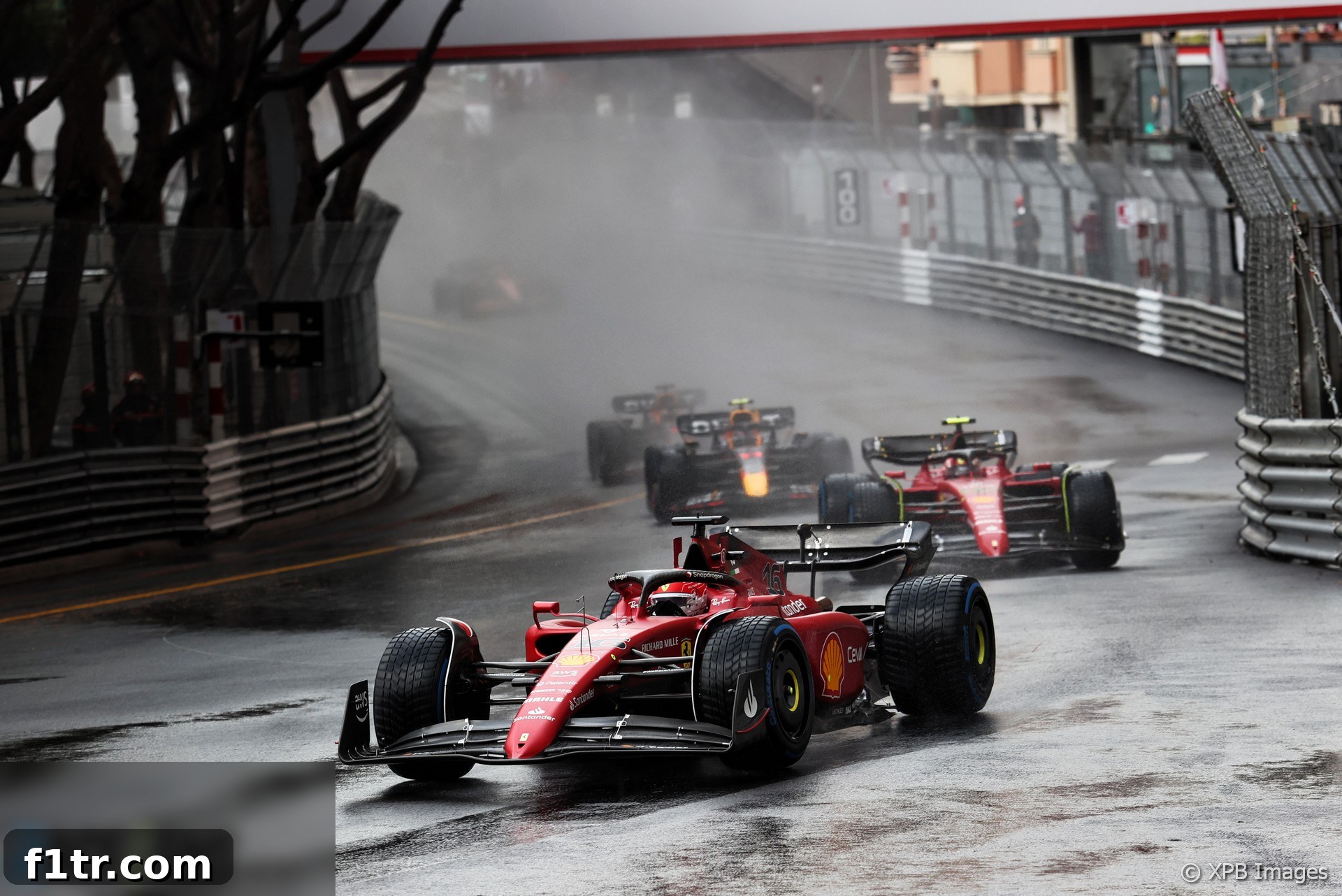
The 2022 Monaco Grand Prix was an event that will be remembered not just for its thrilling on-track action and strategic battles, but equally for the chaotic and controversial start procedure that left fans and teams alike questioning the decisions made by race control. Red Bull team principal Christian Horner was among the prominent figures calling for a thorough review of the initial decision to delay the race, a sentiment echoed by several drivers who felt capable of handling the challenging wet conditions.
Advert | Become a Supporter & go ad-free
The iconic street circuit of Monaco, renowned for its tight corners and unforgiving barriers, presented an additional layer of complexity as rain began to fall shortly before the scheduled start. As the formation lap was about to commence, the heavens opened, leading race officials to abort the start procedure. This immediate response from the FIA was based on concerns that drivers had not had sufficient opportunity to experience the track in wet conditions during the practice sessions held earlier in the weekend.
Initially, conditions were deemed manageable enough for the cars to embark on a formation lap behind the Safety Car, albeit nine minutes later than planned. However, this brief period saw the rain intensify dramatically, turning the already slippery tarmac into a perilous surface. The worsening weather forced another change of plans, with cars being summoned back into the pits, leading to a further, indefinite delay. This escalating downpour introduced an unexpected technical issue: an electrical fault with the starting gantry, which complicated matters further and prolonged the wait. Ultimately, the race began more than an hour after its original scheduled time, testing the patience of everyone involved and creating significant uncertainty for teams strategizing their tyre choices.
The FIA’s rationale for the initial delay – the drivers’ perceived lack of prior wet track experience that weekend – was met with significant skepticism from a number of competitors. Among the most vocal critics was Haas driver Kevin Magnussen, who voiced his frustration succinctly and directly. “This is professional drivers, Formula 1, it’s not WEC,” he declared, as quoted in reports from the event. Magnussen’s comment highlighted a prevailing sentiment among some drivers that as elite athletes in the pinnacle of motorsport, they should be expected to adapt to varying weather conditions, including a wet track, without excessive delays. His statement drew a clear distinction between Formula 1 and the World Endurance Championship (WEC), implying that F1 drivers possess the skill and training to handle such challenges from the outset.
Christian Horner, whose Red Bull team eventually triumphed in the race, articulated his concerns regarding the handling of the start. “It needs a bit of a review because it was a little chaotic with tyres coming on the grid, off the grid,” Horner stated, referring to the scramble as teams tried to anticipate the changing conditions, switching between wet and intermediate tyres, only for the start to be delayed again. He emphasized the inherent dangers and impracticality of such a congested grid when faced with unpredictable weather. “It’s a busy enough grid here and it’s always a little dangerous to try and pre-empt the weather,” he added, suggesting that race control might have been better off letting the race begin and then reacting to any adverse conditions with a Safety Car or a temporary red flag. “You can argue it both ways. You could say we’d have been better starting the race, then reacting to the downpour and either putting the Safety Car out or stopping the race. But I think it needs a bit of a review after this weekend.” Horner’s call for a comprehensive review underscores a desire for clearer protocols and perhaps a more proactive approach to racing in dynamic weather, rather than prolonged delays that disrupt the flow and energy of a Grand Prix for both participants and spectators.
Advert | Become a RaceFans supporter andgo ad-free
The incident at Monaco put a spotlight on the significant changes implemented within Formula 1’s race control structure for the 2022 season. Following the controversial end to the 2021 season, the FIA introduced a new system involving two rotating race directors, aimed at enhancing consistency and reducing pressure on a single individual. At Monaco, it was World Endurance Championship race director Eduardo Freitas who was at the helm, managing his second F1 Grand Prix. This new team operates under intense scrutiny, particularly when faced with high-pressure situations like the sudden onset of heavy rain on a notoriously challenging circuit where safety margins are minimal.
Despite the chaos surrounding the start, Horner did offer a nuanced perspective on the performance of the new race control team. He acknowledged the inherent difficulties they faced: “Obviously there’s been change but I have to say the race control are doing the best job that they can and certain things are a lot clearer this year,” he remarked. This indicates an improvement in certain aspects of race management, even if the Monaco start presented unique hurdles. Horner continued, recognizing the human element in any new system: “There’s a lot of new people in the system and inevitably that takes a little bit of time to bed in.” This observation suggests that while improvements are being made, a period of adjustment is necessary for the new race control structure to fully integrate and optimize its decision-making processes, especially in unforeseen and rapidly evolving circumstances like a sudden downpour on a street circuit.
While some drivers, including Mercedes’ Lewis Hamilton, shared the view that the race could have started earlier, his team principal Toto Wolff presented a contrasting and more supportive stance regarding race control’s initial actions. Wolff emphasized the severity of the conditions at the outset. “The rain at the beginning was torrential,” he stated, painting a vivid picture of truly unsafe conditions. “I don’t think that you can start the race with thunderstorms moving into Monaco like this.” Wolff’s assessment highlights the critical priority of driver safety, suggesting that the initial delay was not merely a precautionary measure but a necessary response to extremely dangerous weather conditions that could have led to multiple incidents early in the race.
Wolff explicitly defended the race directors, acknowledging the immense pressure they were under to make critical calls in real-time. “So I have no beef at all with the start having been delayed a few times. And you need to give the race directors the credit that this was a very, very difficult race to manage.” His words underscore the complexity of making real-time decisions that impact safety, competitive fairness, and the flow of a multi-million dollar global sporting event watched by millions. While Wolff admitted he “would have hoped for an earlier start” after the initial downpour had passed, he attributed this subsequent delay primarily to the unforeseen electrical problems that plagued the starting gantry, rather than a misjudgment by race control regarding track conditions. He humorously likened the extended waiting period to an “American football game” where spectators could grab refreshments, but reiterated that “at the beginning there was nothing else it could have been done.” This suggests that while the overall spectacle might have suffered from the stop-start nature, the initial critical decisions were, in his view, sound and justified from a safety perspective.
Advert | Become a RaceFans supporter andgo ad-free
The controversy surrounding the 2022 Monaco Grand Prix start serves as a potent reminder of the delicate balance between ensuring driver safety and delivering an exhilarating racing spectacle. Formula 1 prides itself on drivers competing in all conditions, yet the unique dangers of Monaco, coupled with truly extreme weather, forced a cautious approach. The differing opinions from respected team principals like Horner and Wolff illustrate the complexities involved in race management, especially when new personnel are still adapting to their roles. The incident sparked a crucial conversation about protocols for wet starts, the definition of “safe conditions” for professional drivers, and the potential for more dynamic decision-making that allows racing to commence while prioritizing safety through tools like the Safety Car. A comprehensive review, as suggested by Horner, could lead to refined guidelines, enhancing consistency and clarity for future events. This episode will undoubtedly contribute to the ongoing evolution of race management in Formula 1, ensuring lessons are learned from every challenging scenario to continuously improve the sport for all stakeholders.
2022 Monaco Grand Prix
- Whatever triggered it, Verstappen’s defiance of his own team makes little sense
- Transcript: How Red Bull seized a win that ‘Ferrari looked like they had in the bag’
- Verstappen now has as many poles as Leclerc – but six times as many wins
- Schumacher’s chassis-splitting crash shows effects of rising car weight – Alonso
- Norris still can’t drive McLaren the way he wants to, despite strong results
Browse all 2022 Monaco Grand Prix articles