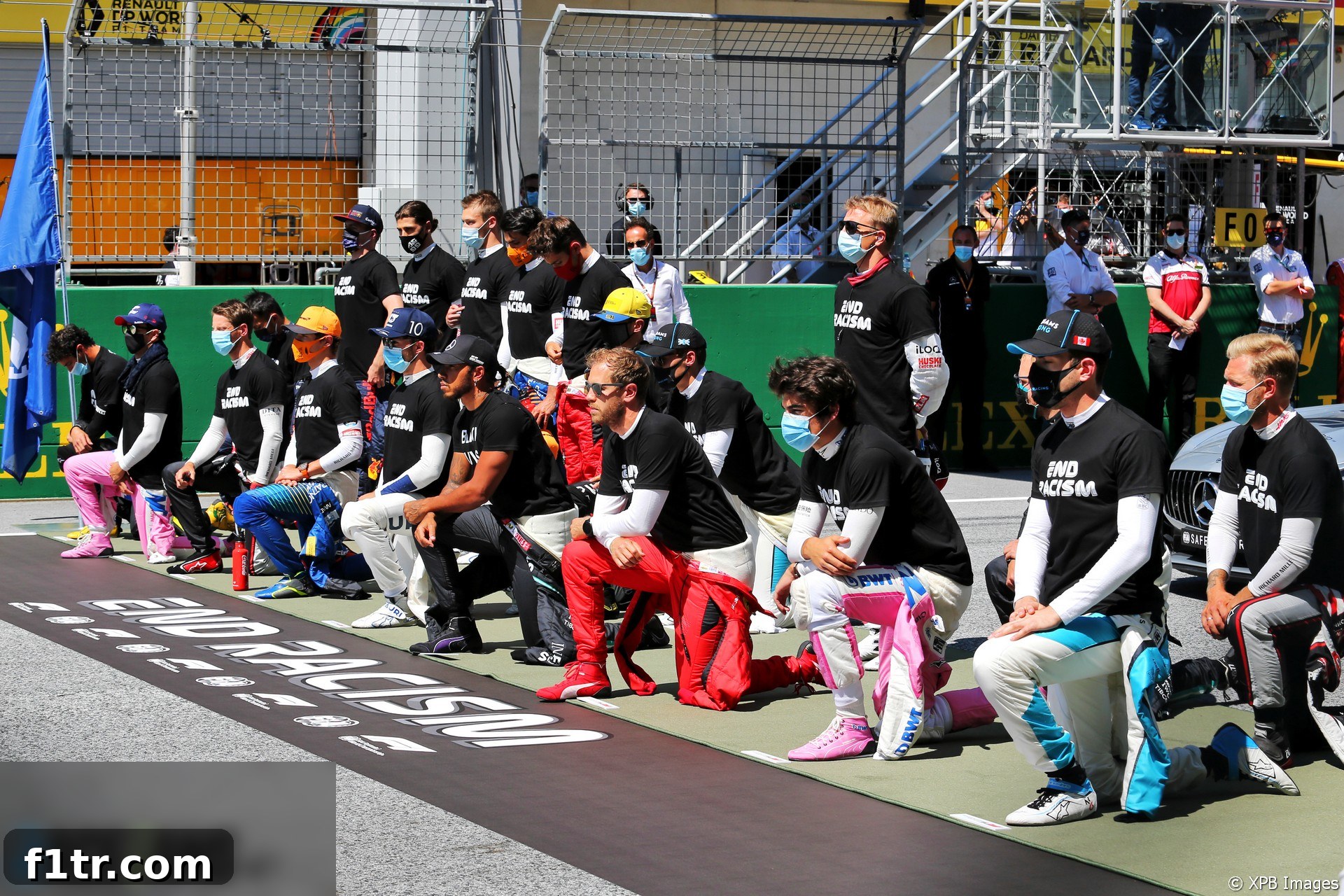
Formula 1’s governing body, the FIA, has unveiled a comprehensive new protocol for an official pre-race ‘End Racism Recognition’ ceremony. This significant development follows widespread criticism regarding the execution of similar gestures at the preceding Hungarian Grand Prix, highlighting the sport’s ongoing commitment to fostering an inclusive and equal environment. The revised guidelines aim to provide clarity, structure, and respect for the powerful anti-racism message, ensuring it resonates authentically across the global motorsport community.
The updated plans are a direct response to feedback from drivers, teams, and fans, all of whom share a collective desire for Formula 1 to stand firmly against racism and discrimination. By establishing a clear framework while simultaneously offering flexibility for individual expression, the FIA seeks to enhance the impact of this crucial recognition, ensuring it is perceived as a unified and heartfelt statement from the pinnacle of motorsport.
Advert | Become a Supporter & go ad-free
FIA Reinforces Anti-Racism Stance with New Pre-Race Protocol
The FIA’s proactive move underscores Formula 1’s unwavering dedication to social justice and its ‘We Race As One’ initiative, launched earlier in the season. This initiative serves as a powerful symbol of unity and a platform for addressing critical global issues, including inequality and diversity. The new pre-race ceremony guidelines are specifically designed to reinforce these principles, making the anti-racism message a central and respected part of every Grand Prix weekend. By standardizing the recognition process, yet allowing for personal choice, the FIA aims to create a moment of profound reflection and solidarity that transcends national boundaries and cultural differences, uniting fans and participants alike under a common cause.
Addressing Past Criticisms and Enhancing Driver Engagement
The adjustments to the pre-race recognition ceremony come after notable inconsistencies and perceived disorganization during the gesture at the Hungarian Grand Prix. Drivers, including world champion Lewis Hamilton, voiced concerns over the lack of a clear procedure, which inadvertently diluted the impact of their collective message. The FIA has taken these criticisms to heart, meticulously crafting a new protocol that prioritizes both order and authenticity. A key element of this revised approach is the explicit statement that drivers can “choose their gesture of support,” which may include taking a knee, an act that has become a globally recognized symbol of protest against racial injustice and police brutality. This flexibility acknowledges the diverse backgrounds and personal convictions of the drivers, empowering them to express their solidarity in a manner that feels most genuine to them.
By empowering drivers with the autonomy to select their preferred gesture, the FIA ensures that the anti-racism message is not merely a mandated formality but a deeply personal commitment. This approach recognizes that true change stems from individual belief and collective action, making the pre-race moment far more impactful and resonant. The criticism from Hungary served as a crucial learning experience, prompting the FIA to refine its strategy and create a framework that supports and amplifies the drivers’ voices, rather than inadvertently diminishing them through a lack of clear guidance.
The Elaborate Pre-Race ‘End Racism Recognition’ Ceremony
The newly outlined ceremony is carefully choreographed to maximize its visibility and emotional impact. Preparations will begin well before the lights go out, ensuring that the message of equality is firmly established as an integral part of the race weekend. A prominent ‘end racism’ banner will be strategically positioned across the circuit, serving as a powerful visual reminder to all in attendance and watching worldwide. This banner acts as a focal point, drawing attention to the core message that Formula 1 champions.
Detailed Steps of the Recognition Ceremony
Shortly after 13:52 local time, preceding the start of the race, drivers will receive an audible signal to proceed to the designated area around the banner. This precise timing ensures that the recognition occurs at a prime moment, capturing the attention of a vast global audience just as anticipation for the race reaches its peak. As drivers make their way to the banner, international television feeds will broadcast pre-recorded video segments featuring “driver pledges.” These pledges are expected to be personal statements from the athletes, articulating their commitment to combating racism and promoting diversity within and beyond the sport. This visual and auditory element adds another layer of depth to the ceremony, allowing viewers to connect with the drivers on a more personal level and understand the sincerity behind their involvement.
Following the driver pledges, a formal announcement will be made across the circuit’s public address system. The statement will emphatically declare: “Formula 1 and the FIA will take this moment, in recognition of the importance of equality and equal opportunity for all.” This official declaration from the sport’s governing body and commercial rights holder reinforces the institutional backing for the anti-racism movement, demonstrating a united front from the very top. This moment is not just about individual drivers, but about the collective responsibility and commitment of the entire Formula 1 ecosystem.
Empowering Drivers: The Freedom of Gesture
Crucially, after this announcement, drivers will be formally invited to make their gesture of support. The FIA has provided a range of suggested gestures, ensuring that every driver can participate in a manner that aligns with their personal comfort and convictions. These suggestions include well-recognized forms of solidarity such as “taking the knee,” a powerful symbol of protest against racial injustice. Other options offer alternative ways to express support, including “standing on carpet with arms crossed in front or behind them,” “standing on carpet and bow[ing] head,” “standing on carpet and pointing to the words ‘end racism’ on their t-shirts,” or “standing on carpet and place their hand on the heart.”
The inclusion of “anything else a driver may feel comfortable to do” is particularly significant. This open-ended option underlines the FIA’s dedication to genuine, voluntary participation rather than forced compliance. It acknowledges the individuality of each driver and respects their personal approach to expressing solidarity, ensuring the gesture remains authentic and impactful. This flexibility is vital in fostering a sense of ownership among the drivers, making the message more powerful than any prescribed action could be. The core aim is to allow for a unified message of anti-racism, delivered through diverse, yet equally meaningful, expressions.
After the drivers have made their chosen gestures, a final announcement will conclude this solemn moment: “Thank you for this statement of support to end racism in the world.” This closing remark serves to acknowledge and appreciate the collective stance taken by the drivers, reinforcing the positive impact of their actions. It transforms the moment from a mere protest into a statement of unity and hope, inspiring audiences to reflect on the importance of combating discrimination in all its forms.
The Broader Vision: Unity, Inclusivity, and Long-Term Commitment
Immediately following the ‘End Racism Recognition,’ the traditional national anthem ceremony will commence, smoothly transitioning from a statement of global unity to the celebration of national identity. Furthermore, at this weekend’s specific race, a special flyover of iconic Spitfire aircraft will take place, serving as a poignant signal of gratitude to Britain’s National Health Service, linking the race event to broader societal appreciation and respect. This blend of social recognition, national pride, and appreciation for frontline workers paints a holistic picture of Formula 1’s commitment to acknowledging significant issues and contributions beyond the racetrack.
Message from the Race Director: Clarity and Collective Responsibility
In a direct communication to all drivers, FIA F1 Race Director Michael Masi emphasized the importance of this new protocol. Masi stated, “I hope the above is clear and provides some clarity and reassurance to the drivers.” His message highlights the FIA’s intent to alleviate any confusion or discomfort that may have arisen from previous events, ensuring that drivers feel supported and understood in their participation. This proactive communication is crucial for building trust and ensuring a unified approach moving forward.
Masi further clarified the role of internal coordination, noting: “The FIA, F1 and F1 teams communication directors will continue to manage the media expectations on how this gesture will be marked, and that each driver is united in the call to end racism and will choose their own gesture at the determined time to mark this.” This statement underscores the collaborative effort across all levels of Formula 1 to present a consistent and powerful message to the media and the public. It reinforces the idea that while gestures may vary, the core message of unity against racism remains steadfast and universally embraced by every driver, team, and governing body within the sport.
Beyond the Track: F1’s Continuous Journey Towards Equality
The establishment of this detailed pre-race recognition ceremony is more than just a procedural change; it symbolizes Formula 1’s deepening commitment to becoming a leading voice in the global fight against racism and for greater diversity and inclusion. The sport, historically perceived by some as exclusive, is actively striving to evolve into a more representative and welcoming environment for individuals from all backgrounds. Initiatives like ‘We Race As One’ and these structured anti-racism gestures are tangible steps towards achieving this ambitious goal. By publicly addressing these critical social issues, Formula 1 not only sets an example for other sports but also engages its massive global fanbase in a meaningful dialogue about equality. This ongoing journey requires consistent effort, active listening, and a willingness to adapt, all of which are reflected in the FIA’s updated approach to the pre-race recognition.
Related Content: The 2020 F1 Season and Beyond
As Formula 1 continues to navigate the complexities of social responsibility alongside thrilling competition, the 2020 season stands out as a pivotal year. The sport’s response to global events, including the worldwide movement for racial justice, has profoundly shaped its identity and direction. Below are further articles from the 2020 F1 season, offering additional insights into the challenges, triumphs, and defining moments of that extraordinary period, including various aspects of driver performance, financial impacts, and significant announcements that reflect the sport’s ongoing evolution.
- Grosjean to make F1 test return tomorrow for first time since Bahrain horror crash
- Pictures: Wrecked chassis from Grosjean’s Bahrain fireball crash to go on display
- Bottas vs Rosberg: Hamilton’s Mercedes team mates compared after 78 races each
- F1 revenues fell by $877 million in Covid-struck 2020 season
- Hamilton and Mercedes finally announce new deal for 2021 season
Browse all 2020 F1 season articles