Unveiling the Future: The FIA Formula 3 2019 Chassis Designed for Excellence
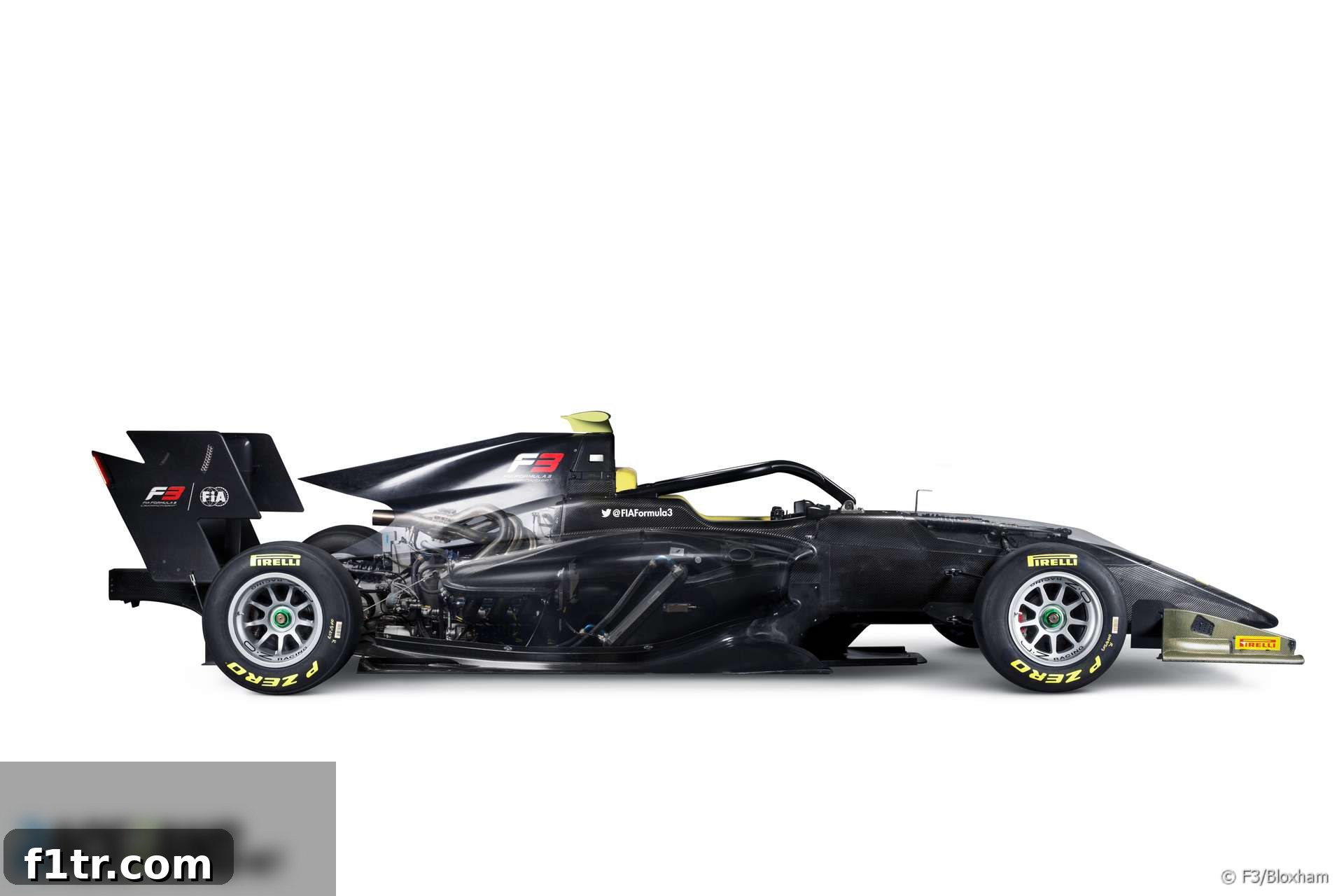
The landscape of junior single-seater racing underwent a significant and exciting transformation with the official unveiling of the new chassis for the FIA Formula 3 Championship. This state-of-the-art car, which made its highly anticipated debut in 2019, represents a pivotal moment for the sport. It effectively took the reins from the previously existing GP3 Series and the FIA Formula 3 European Championship, consolidating them into a singular, powerhouse series. The introduction of the new Dallara F3 2019 chassis is more than just a technical update; it’s a strategic masterstroke by the FIA aimed at streamlining the junior motorsport ladder, providing an unequivocally clearer, more consistent, and robust pathway for aspiring Formula 1 drivers.
Enhance your reading experience: Become a Supporter & Go Ad-Free
Engineering Excellence: The Dallara F3 2019 Revealed
At the core of this revolutionary change is the Dallara F3 2019, a meticulously engineered machine developed by Dallara Automobili. As a constructor, Dallara is globally synonymous with high-performance racing car design, boasting an illustrious history of crafting chassis for virtually every tier of motorsport, including Formula 1, IndyCar, and Formula 2. This deep-rooted expertise instilled immense confidence in the F3 2019’s ability to deliver exhilarating racing and serve as a true test of driver skill. The chassis is purpose-built to be the definitive platform for the next three competitive seasons, providing stability and consistency for teams and drivers alike.
The design philosophy behind the Dallara F3 2019 was to strike “the best compromise” between the distinct characteristics of the former GP3 Series and the FIA Formula 3 European Championship cars. This thoughtful approach aimed to create a unified challenge, ensuring that drivers progressing through the FIA Global Pathway pyramid would encounter consistent machinery and competition standards. Such uniformity is crucial for driver development, allowing talent to shine through without being overly influenced by varying technical regulations between different feeder series.
Aerodynamic Philosophy: Designed for Dynamic Overtaking and Closer Racing
One of the most highly anticipated and impactful features of the Dallara F3 2019 is its meticulously optimized aerodynamic package, specifically engineered to “facilitate overtaking.” This focus addresses a critical aspect of modern motorsport where complex aerodynamics can often make it difficult for cars to follow closely, leading to processional racing. The F3 2019’s design aims to significantly reduce the detrimental effect of turbulent air on a following car, commonly known as “dirty air.” By minimizing this effect, drivers can maintain closer proximity to their rivals through high-speed corners and maximize the benefits of slipstreaming on straights.
This deliberate emphasis on promoting closer, more dynamic racing is paramount for a feeder series. It provides young drivers with invaluable experience in wheel-to-wheel combat, honing their racecraft, strategic thinking, and ability to pressure opponents – all essential skills for advancing to higher echelons of the sport, particularly Formula 1. The car’s refined front and rear wings, advanced diffuser, and streamlined bodywork are all integral components of this cohesive effort. The goal is clear: to create a more thrilling, unpredictable, and skill-dependent spectacle for fans, while simultaneously pushing young talents to explore the very limits of their abilities in a truly competitive environment.
Prioritizing Driver Safety: The Halo Integration
In adherence to the FIA’s unwavering and paramount commitment to driver safety across all its sanctioned championships, the F3 2019 chassis seamlessly incorporates the advanced Halo cockpit protection device. This critical safety feature, which initially debuted in Formula 1 and was subsequently adopted by Formula 2, provides substantially enhanced head protection for drivers in the event of impacts or collisions. The integration of the Halo into the F3 car underscores the FIA’s dedication to implementing the highest possible safety standards, cascading from the pinnacle of motorsport down to its foundational single-seater series.
This consistency in safety regulations is not just about protection; it also ensures that young drivers are familiarized with and protected by the same cutting-edge technology from an early stage in their careers. This early exposure makes the eventual transition to F2 and F1 more seamless from a safety and ergonomic perspective. The Halo’s presence reinforces the message that while competition is fierce, driver well-being remains the absolute top priority, offering peace of mind to both competitors and their families as they pursue their motorsport ambitions.
Powering Performance: The Potent Mecachrome Engine
Nestled at the heart of the FIA Formula 3 2019 car is a robust and reliable six-cylinder, naturally-aspirated Mecachrome engine. This potent powerplant is meticulously engineered to deliver an impressive 380bhp, providing ample power to propel the lightweight single-seater chassis with considerable urgency. Mecachrome, a long-standing and respected engine supplier in various junior categories, brings a wealth of experience in developing durable, high-performance units capable of withstanding the rigors of intense, competitive racing environments. Their proven track record ensures that teams can rely on the engine’s performance throughout the demanding season.
The strategic choice of a naturally-aspirated engine for F3, in contrast to the turbocharged units found in F1 and F2, offers drivers a unique set of challenges and learning experiences. It demands extremely precise throttle control, a keen understanding of mechanical grip, and the ability to extract maximum performance without the immediate torque delivery associated with turbocharging. These skills are invaluable for any aspiring racing driver, helping them to develop a more nuanced feel for the car and track. Furthermore, this engine package is designed not only for raw speed and responsive power delivery but also with careful consideration for durability and cost-effectiveness – critical factors for the long-term sustainability of the championship and the teams competing within it. The harmonious combination of this powerful engine and the sophisticated Dallara chassis ensures that the F3 2019 provides a true and comprehensive test of a driver’s raw ability and technical understanding.
The FIA’s Vision: Unifying the Motorsport Pyramid for Future Stars
FIA Formula 1 director Charlie Whiting succinctly encapsulated the profound significance of the F3 2019, stating that it “marks the final step in the process of bringing the FIA Formula 3 Championship onto the same platform as Formula 2 and Formula 1.” This declaration underscores a broader, far-reaching strategic vision by the FIA to forge a cohesive, logical, and universally understood pathway for drivers progressing through motorsport’s ranks. The overarching goal has consistently been to standardize the progression from introductory karting through national and international F4 championships, leading seamlessly into a unified F3, then F2, and ultimately the pinnacle of Formula 1.
By aligning the technical regulations, operational philosophy, and safety standards of F3 with its higher counterparts, the FIA aims to cultivate a more consistent and progressive learning environment. This meticulously structured approach helps drivers acclimatize to similar racing philosophies, safety protocols, and even event formats as they ascend the motorsport ladder. This makes their eventual transition to Formula 1 a more natural, gradual progression rather than a drastic, overwhelming leap. The F3 2019 car, celebrated for being “more powerful and spectacular than previous iterations” while simultaneously adhering to the absolute latest safety standards, perfectly embodies this forward-thinking and unified philosophy, ensuring that the future stars of motorsport are developed in the best possible environment.
Transitioning from GP3 and FIA Formula 3 European Championship
The introduction of the new FIA Formula 3 Championship represented a monumental shift, effectively merging two highly prominent yet distinct junior single-seater series: the GP3 Series and the FIA Formula 3 European Championship. While both championships undoubtedly served their purpose in developing talent, their parallel existence often resulted in a dispersion of talent and resources, leading to a somewhat fragmented and less efficient landscape for aspiring F1 drivers. The unified F3 championship, spearheaded by the advanced Dallara F3 2019 chassis, skillfully consolidates the most beneficial aspects of both predecessors into a single, supremely competitive, and prestigious series.
This strategic consolidation simplifies the career trajectory for young drivers, focusing the highest caliber of talent into one premier F3 championship. The result is an undeniable enhancement of the overall prestige, competitive intensity, and media visibility of the category. Ultimately, it ensures that the drivers who excel and emerge victorious in this unified championship are truly the top contenders, thoroughly prepared for the formidable challenges of the next step up to Formula 2, thereby benefiting both the competitors’ development and the spectacle of the racing itself.
Driver Development and the Crucial Path to Formula 1
The FIA Formula 3 Championship stands as an absolutely critical proving ground for the next generation of Formula 1 superstars. It is within this fiercely competitive arena that raw, burgeoning talent is meticulously refined, and young drivers learn the intricate nuances of professional motorsport at an incredibly high level. The new F3 2019 car provides an exceptionally robust and challenging platform specifically designed to foster this crucial development. Drivers are immersed in an environment demanding high levels of downforce management, significant engine power control, and intense, wheel-to-wheel racing – all indispensable experiences that prepare them for the formidable demands of F2 and, ultimately, the pinnacle of F1.
A host of current and past Formula 1 drivers, including multiple world champions, have indelibly honed their skills and forged their careers through the crucible of Formula 3 championships. The unified nature of the new series guarantees that the competition will be exceptionally fierce, providing a true and undeniable measure of a driver’s potential, resilience, and readiness for the highest echelons of racing. The invaluable insights gained from racing this sophisticated car, coupled with the relentlessly competitive environment, are utterly crucial for their progression up the motorsport ladder.
What This Means for Teams and Drivers in the Championship
The introduction of an entirely new chassis and engine package invariably brings with it a blend of immense excitement and considerable operational challenges for the participating teams. Teams were strategically scheduled to take early delivery of the first examples of the new car in January, a timeline that allowed them crucial months for extensive testing, intricate setup development, and indispensable driver familiarization prior to the inaugural season’s commencement. This pre-season period is absolutely vital for understanding the car’s complex nuances, optimizing its performance potential across various tracks and conditions, and comprehensively training mechanics and engineers on the new specifications and operational procedures.
For the drivers, adapting swiftly and effectively to the Dallara F3 2019 will undoubtedly be a key determinant of early season success. Its unique characteristics, particularly the optimized aerodynamics designed for robust overtaking and the consistent integration of the Halo safety device, will demand a supreme level of skill, adaptability, and mental fortitude. Critically, the championship’s standardized platform is also thoughtfully designed to manage and control costs for teams, making the series more sustainable in the long run and, crucially, more accessible for a wider pool of talented young drivers who are eager to make their indelible mark on the motorsport world.
Beyond the Track: Engaging with the Vibrant Formula 3 Community
Staying connected with the absolute latest developments, thrilling race results, and inspiring driver stories from the exhilarating world of FIA Formula 3 is an essential part of the motorsport experience. The community surrounding this crucial feeder series is incredibly vibrant and exceptionally passionate, genuinely reflecting the very future of motorsport. Engaging with fellow fans, following official channels, and participating in discussions is the optimal way to keep thoroughly informed and fully immersed in all the unfolding action.
- Join RaceFans on Facebook for exclusive updates and community discussions
- Follow RaceFans on Twitter for real-time news, live race updates, and insightful discussions
- Get daily email updates from RaceFans delivered directly to your inbox, ensuring you never miss a beat
Support independent motorsport journalism and experience content without interruptions: Become a RaceFans supporter and enjoy an entirely ad-free experience
Explore More Formula 3 Insights and Related Articles
Dive even deeper into the compelling world of Formula 3 with our extensive and insightful collection of articles. From exclusive driver interviews and comprehensive race analysis to expert technical breakdowns, our content aims to help you understand the intricate nuances and critical importance of this crucial championship on the global motorsport stage.
- McLaren Drop Three Drivers From Junior Roster And Hire FREC Runner-Up De Palo
- Lawson: Tsunoda ‘Had His Time – I Beat Him In The Junior Series’
- F3 Driver’s Penalty Cancelled After FIA Asks Stewards To Review Decision
- Antonelli And Bearman’s F1 Graduations Show The Limitations Of Its Feeder Series
- Win-Less Fornaroli Clinches F3 Title With Last-Lap Pass In Epic Monza Finale
Browse all Formula 3 articles
The Road Ahead: Impact and Enduring Legacy of the F3 2019
The introduction of the Dallara F3 2019 chassis unquestionably represented a bold, forward-thinking stride for the FIA Formula 3 Championship. By effectively standardizing the crucial equipment and successfully unifying the fragmented feeder series, the FIA profoundly reinforced its unwavering commitment to cultivating a clear, fiercely competitive, and exceptionally safe path for motorsport’s brightest and most promising young talents. This groundbreaking car, meticulously designed with an explicit focus on encouraging robust overtaking maneuvers, incorporating paramount safety features like the indispensable Halo, and powered by a potent Mecachrome engine, achieved far more than merely elevating the racing spectacle.
It also ensured that the sophisticated skills meticulously developed within the championship were directly and seamlessly transferable to the higher, more demanding echelons of single-seater racing. Its enduring legacy is not just in its technical specifications but is indelibly etched in the flourishing careers of numerous drivers who skillfully navigated its challenges and excelled within its competitive framework. Many of these talents have since progressed successfully to Formula 2 and even the ultimate dream of Formula 1, unequivocally proving the efficacy and visionary brilliance of the FIA’s integrated motorsport pyramid system. The F3 2019 truly laid a robust and dynamic groundwork, securing an exciting and enduring future for junior formula racing for years to come.