FIA Confident in Banning F1 ‘Qualifying Modes’ from Spa-Francorchamps
Formula 1 is on the cusp of a significant regulatory shift as the FIA gears up to enforce a ban on high-performance engine settings, commonly known as ‘qualifying modes’ or ‘party modes.’ This pivotal change is set to take effect from the next round of the championship at Spa-Francorchamps, with the governing body expressing strong confidence in its ability to implement and oversee the new directive.
The FIA’s intention to prohibit these specialized engine mappings was revealed last week, signaling a move towards standardizing engine usage across qualifying and race sessions. This means teams will be compelled to run their power units under the same settings for the entirety of a race weekend, eliminating the brief bursts of enhanced performance typically reserved for qualifying. The primary reason behind this restriction stems from the inherent nature of ‘qualifying modes,’ which are unsustainable for prolonged use due to their aggressive fuel consumption rates and the accelerated wear they inflict upon crucial power unit components.
Understanding ‘Qualifying Modes’ and Their Strategic Importance
For years, ‘qualifying modes’ have been a vital strategic tool for Formula 1 teams, particularly those with sophisticated engine development programs. These modes represent a finely tuned set of engine parameters designed to extract maximum power for short durations, typically during qualifying laps or at critical moments in a race. By pushing engine components to their absolute limit, teams could gain a crucial horsepower advantage, translating into faster lap times and superior grid positions. This brief, potent boost in performance has often been referred to as a ‘party mode’ due to its dramatic, yet ephemeral, effect.
The tactical advantage provided by these modes cannot be overstated. A higher starting position can significantly influence race outcomes, making it easier to manage tire degradation, avoid midfield skirmishes, and control track position. Teams have invested considerable resources into developing these specialized engine maps, seeing them as a key differentiator in a sport where marginal gains dictate success. However, this pursuit of peak performance comes at a cost, both in terms of increased fuel usage, demanding more from the already finite fuel allowance, and placing immense strain on engine components, potentially compromising reliability over a race distance or requiring more frequent component changes throughout a season.
The FIA’s Rationale: Leveling the Playing Field and Ensuring Sustainability
The FIA’s decision to ban ‘qualifying modes’ is multifaceted, driven by objectives to enhance sporting fairness, promote cost efficiency, and ensure greater reliability across the grid. The governing body believes that allowing varying engine modes creates an uneven playing field, potentially widening the performance gap between teams with superior engine technology and those relying on customer power units. By mandating consistent engine settings, the FIA aims to place a stronger emphasis on chassis design, aerodynamic efficiency, and driver skill, rather than the transient power advantage of a specific engine map.
From a cost control perspective, the ban could also contribute to sustainability within the sport. Reducing the incentive for teams to develop and utilize extreme engine settings may lessen the pressure on engine manufacturers to constantly push the boundaries of performance at exorbitant costs. Furthermore, by mitigating the accelerated wear on power units, the regulation could potentially decrease the need for frequent engine component changes, aligning with efforts to make Formula 1 more economically viable for all participants. The underlying principle is to shift the engineering focus from optimizing short-term power spikes to developing robust, efficient, and consistently powerful engines that can perform optimally over an entire race weekend.
The implementation vehicle for this ban is a technical directive (TD), a method often employed by the FIA to clarify existing regulations or address unforeseen technical interpretations. While Racing Point CEO Otmar Szafnauer voiced some skepticism, stating, “TDs aren’t really the law so I don’t know where that’s going,” the FIA’s F1 race director, Michael Masi, firmly asserts the directive’s enforceability. Technical directives, while not new regulations themselves, serve as an official interpretation of the existing technical rules, and teams are expected to comply. Non-compliance can lead to penalties, as seen with numerous TDs in the past.
FIA’s Confidence and the Enforcement Challenge
Despite the complexity of monitoring intricate engine parameters, the FIA remains “very confident” in its capacity to enforce the ban effectively. Michael Masi underscored the extensive groundwork undertaken by the technical team, including crucial consultations with all four power unit manufacturers (Mercedes, Ferrari, Renault, and Honda). This collaborative approach aimed to gather input and ensure a comprehensive understanding of the technical implications before rolling out the directive.
Masi’s confidence is rooted in the detailed analysis and expertise applied to the matter. He referenced a famous quip by the late F1 Race Director Charlie Whiting: “We have a technical team of 10, you [have] a thousand people at each of the various PU manufacturers.” This acknowledges the sheer scale of engineering talent within the teams, constantly seeking innovative ways to maximize performance within the rulebook. However, Masi’s unwavering stance suggests the FIA believes it has developed robust mechanisms to detect any circumvention of the new rules. This would likely involve sophisticated monitoring of engine control unit (ECU) data, fuel flow rates, and other telemetry, ensuring that power unit settings remain consistent throughout qualifying and the race.
The challenge for the FIA lies not just in setting the rule but in the continuous cat-and-mouse game inherent in Formula 1: regulators setting boundaries, and engineers finding clever ways to operate at the very edge, or even beyond, those boundaries. The FIA’s emphasis on close collaboration with manufacturers before the ban’s introduction suggests an attempt to pre-empt potential loopholes and foster a degree of buy-in from the very entities whose competitive strategies will be most impacted.
Team Reactions and the Implications for the 2020 Season
The announcement of the ban has naturally elicited varied responses from the paddock. While some teams, particularly those whose engine development may not have yielded a dominant ‘qualifying mode,’ might welcome the move as a step towards greater equality, others express reservations. Otmar Szafnauer’s comments reflect a cautious, wait-and-see attitude, highlighting the unique legal standing of technical directives within the sport’s regulatory framework. His point about TDs not being “law” emphasizes the ongoing debate about their authority compared to the formal Sporting or Technical Regulations.
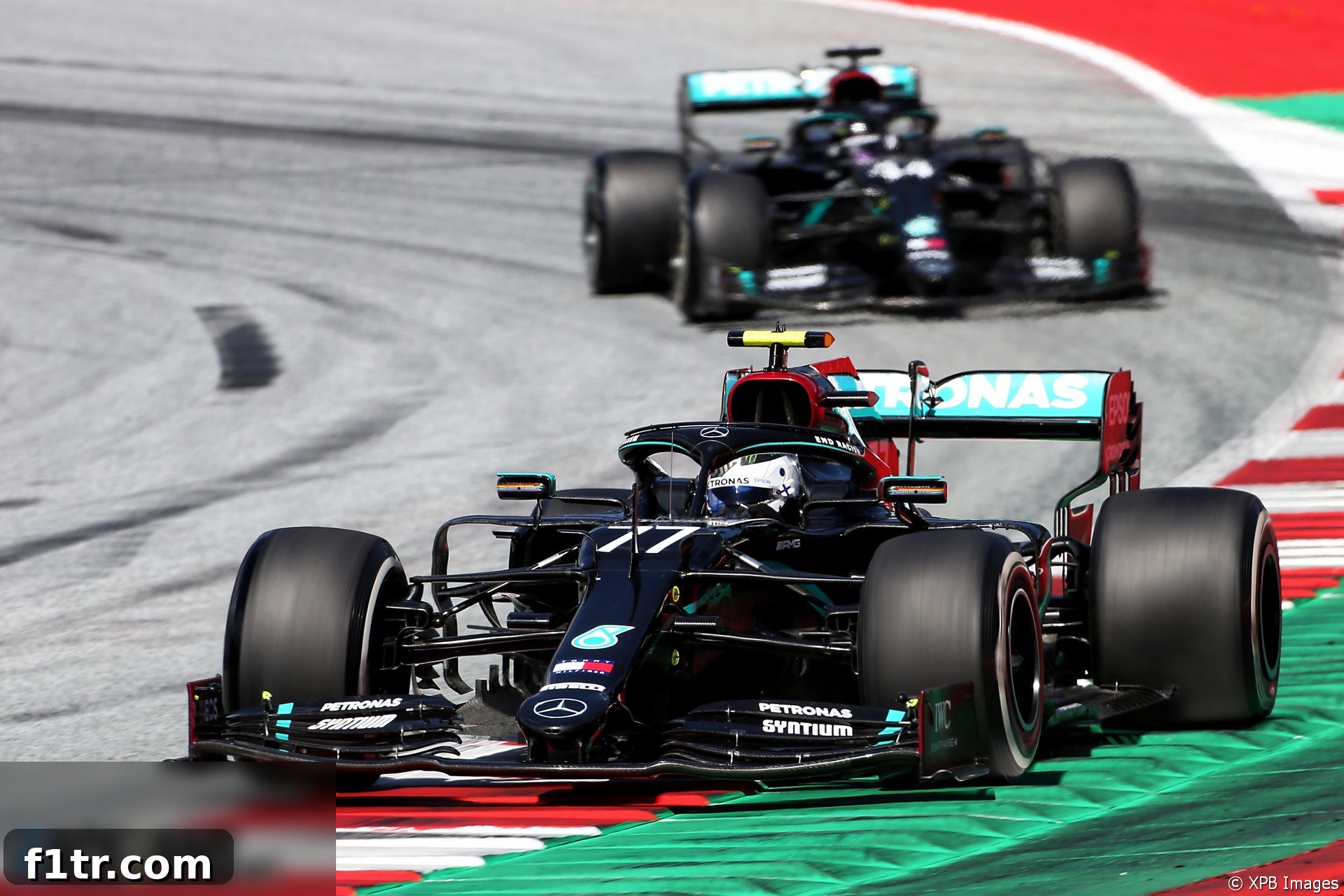
Mercedes-AMG Petronas F1 Team, in particular, is widely perceived to be the team with the most potent and effective ‘qualifying mode’ in recent years. Their ability to unleash an extra burst of power in Q3 has often been a decisive factor in securing pole positions. Consequently, the ban is expected to have a significant impact on their strategy and performance, potentially narrowing the gap to rivals like Red Bull Racing and Ferrari (though Ferrari’s engine performance was already under scrutiny). The hope for the FIA and some rival teams is that this measure will inject more unpredictability into qualifying sessions and encourage closer racing on Sundays by preventing one team from consistently starting at the front based purely on a qualifying-specific engine advantage.
Spa-Francorchamps: The First Test
The choice of Spa-Francorchamps as the circuit for the ban’s introduction is significant. The Belgian Grand Prix circuit is renowned for its long straights, such as the run up to Eau Rouge and the Kemmel Straight, where raw engine power is paramount. The absence of ‘qualifying modes’ here will undoubtedly place a greater premium on overall engine efficiency, aerodynamic drag reduction, and a car’s ability to carry speed through high-speed corners. This demanding track will serve as an immediate and telling test of how teams adapt to the new regulations and whether the FIA’s confidence in enforcement is justified.
The impact on the championship battle, particularly between Mercedes and its competitors, will be closely watched. If the ban effectively reduces Mercedes’ qualifying advantage, it could lead to more varied grid lineups and potentially more contested races, which would be a welcome development for fans seeking closer competition. The mid-season timing of such a significant change also adds an intriguing dynamic, forcing teams to rapidly re-evaluate their operational strategies and car setups.
Broader Implications for Formula 1’s Future
The ‘qualifying mode’ ban is more than just a specific technical regulation; it reflects a broader trend within Formula 1 towards greater standardization and control over critical performance differentiators. It underscores the FIA’s ongoing commitment to managing competition, promoting fairness, and potentially containing costs in an inherently expensive sport. This move could signal a shift in engineering focus for power unit manufacturers, encouraging them to prioritize robust, race-long performance and reliability over fleeting qualifying gains.
Ultimately, the effectiveness of this ban will depend on the FIA’s ability to consistently monitor and enforce the new directive without stifling genuine innovation. The eternal dance between regulators and innovators will continue, but for now, Formula 1 awaits the Belgian Grand Prix with anticipation, eager to see how the grid reshapes itself under the new, unified engine settings.