FIA Revolutionizes Formula 2 and Formula 3 Regulations with Gender-Neutral Language
Pioneering Inclusivity in High-Stakes Motorsport
The Fédération Internationale de l’Automobile (FIA) has taken a monumental step towards cementing inclusivity within the upper echelons of single-seater racing. In a significant regulatory overhaul, the FIA has officially modified the sporting regulations for both the Formula 2 and Formula 3 championships to incorporate entirely gender-neutral language. This groundbreaking initiative marks a historic first for these two vital feeder series, signaling a modern and equitable approach to how the rules of engagement are articulated and understood across the sport.
Motorsport, particularly at the elite levels of Formula 1, F2, and F3, stands distinct from many other major global sports due to its inherently open nature. These championships have always been accessible to drivers of any sex or gender, valuing skill, courage, and determination above all else. This foundational principle of meritocracy is a hallmark of single-seater racing. However, despite this open access, the sporting regulations for these three highest tiers within the FIA’s single-seater pyramid have historically been drafted using predominantly masculine language, often referring to drivers with pronouns such as ‘he’ or ‘him’.
This long-standing linguistic convention has increasingly drawn criticism. Beyond merely being perceived as outdated for championships that champion inclusivity, the use of gender-specific language raised legitimate concerns about its practical implications. Critics pointed out that such wording could inadvertently create legal ambiguities or perceived loopholes, potentially allowing for arguments that certain rules might strictly apply only to male competitors. Such interpretations would fundamentally undermine the spirit of fair competition and equal opportunity. The FIA’s decisive action to update these regulations directly addresses these criticisms, aligning the official language with the inclusive ethos that the sport strives to embody.
The newly updated 2024 editions of the sporting regulations for both Formula 2 and Formula 3 now feature meticulously revised, non-gendered language, replacing the previously used masculine terms. This comprehensive revision ensures that the rules are unequivocally applicable to every participant on the grid, fostering an environment of absolute clarity and fairness. While Formula 1’s updated sporting regulations have not yet mirrored this specific change, authoritative sources within the motorsport community indicate that similar, widespread revisions are actively planned for a forthcoming update to F1’s rules, suggesting a deliberate and phased approach to implementing these changes across the entire FIA single-seater ladder.
Understanding the Regulatory Transformation: A Closer Look at the Language
To fully grasp the scope and intent of these modifications, an example from the F2 regulations provides clear insight. Article 24.15 of the Formula 2 regulations, which governs tyre usage during feature races, previously contained gendered language. This rule mandates that all drivers must use at least two different compounds of dry-weather tyres during feature races, assuming no wet weather conditions necessitate the use of wet tyres. The original wording, now superseded, directly employed a masculine pronoun:
2023 F2 Regulations Excerpt (Original)
24.15 Unless he has used wet-weather tyres during the feature race, each driver must use at least one set of each specification of dry-weather tyres during the feature race.
2024 F2 Regulations Excerpt (Revised)
24.15 Unless the driver has used wet-weather tyres during the feature race, each driver must use at least one set of each specification of dry-weather tyres during the feature race.
This seemingly minor grammatical alteration, switching from “Unless he has used” to “Unless the driver has used,” is profoundly significant. It exemplifies the systematic approach taken by the FIA to expunge all gendered pronouns and terms from the regulations, ensuring universal applicability. This change transcends mere semantics; it is a powerful symbolic gesture that unequivocally communicates that the rules apply equally to all, irrespective of gender identity. It removes any potential for misinterpretation and reinforces the principle that talent and performance are the sole determinants of success in these championships.
Trailblazing Female Talent: Inspiring the Next Generation of Racers
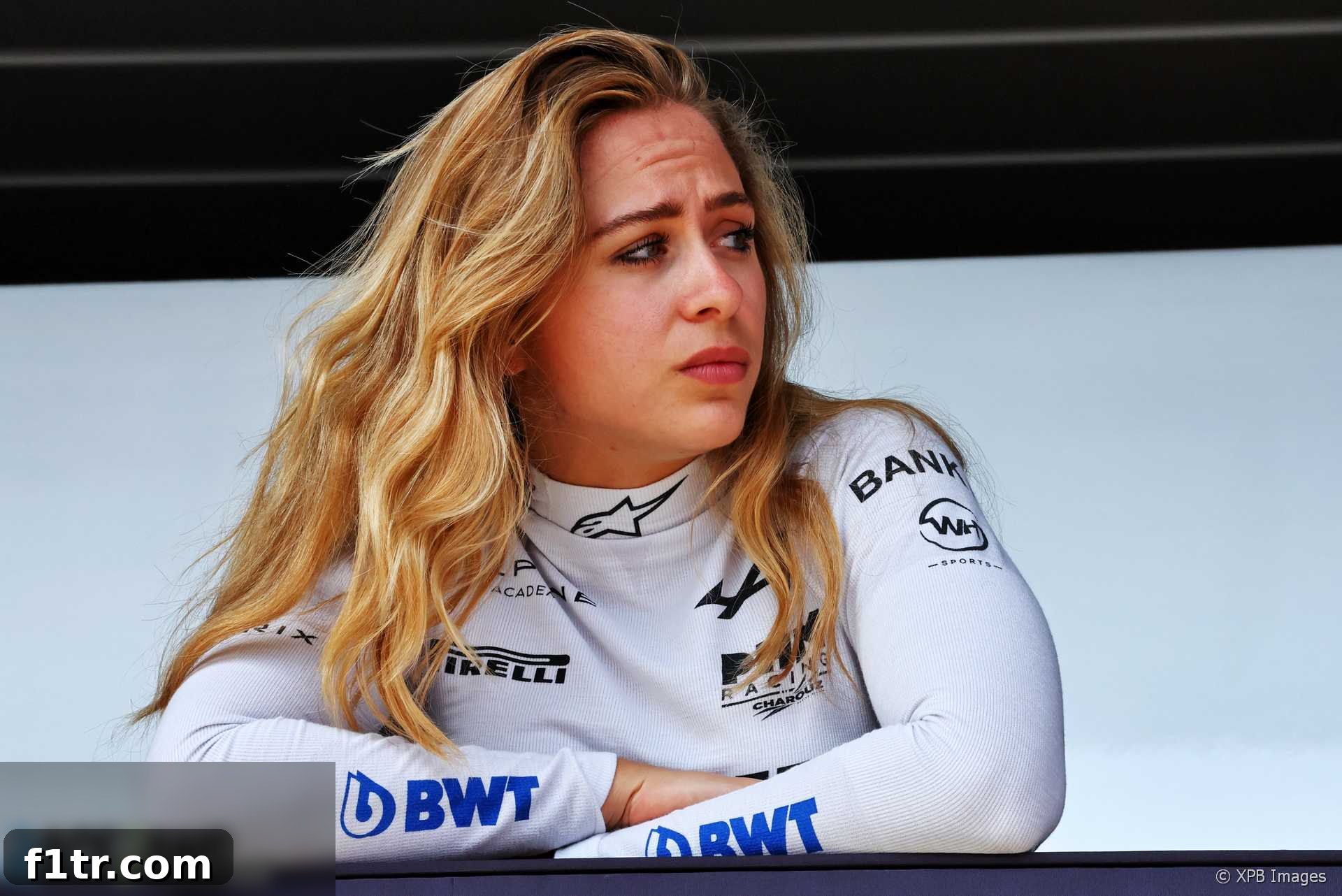
The strategic importance of these regulatory adjustments is further amplified when viewed through the lens of female participation in motorsport. The 2023 Formula 3 championship season proudly featured Sophia Floersch, a highly skilled woman driver who competed under the banner of PHM Racing. Floersch’s journey in motorsport is a testament to immense talent, resilience, and unwavering dedication, as she navigates a sport that, despite its professed openness, has historically seen a disproportionately low number of women reaching its most senior levels. Her continued presence on the F3 grid serves as a powerful inspiration and underscores the imperative for regulations to explicitly embrace all competitors without any form of linguistic distinction.
While the 2023 Formula 2 season did not include any full-time female competitors, the series has recently witnessed the impactful presence of accomplished women drivers. Tatiana Calderon, for instance, made headlines in 2022 by competing in the final four rounds of the season with Charouz Racing System. Calderon’s career, much like Floersch’s, highlights the extraordinary challenges and formidable commitment required to compete at such an elite international level. These pioneering women are far more than just participants; they are vital role models, demonstrating to countless aspiring young girls and women worldwide that a career in motorsport is not only possible but increasingly supported by an evolving, more inclusive framework.
Both the FIA and Formula 1 have been actively intensifying their efforts to cultivate and expand opportunities for women drivers to excel at the highest echelons of single-seater racing. This concerted push for greater diversity and inclusion is a multi-faceted strategy, with the implementation of gender-neutral regulations representing a foundational pillar. Another cornerstone of this strategic drive is the innovative F1 Academy junior series, an all-female championship that was successfully launched earlier this year. This series is specifically engineered to identify, nurture, and prepare promising female talents for potential progression into Formula 3, Formula 2, and ultimately, the pinnacle of motorsport: Formula 1.
The F1 Academy: A Dedicated Pathway to Motorsport’s Summit
The F1 Academy is poised for even greater significance in the upcoming 2024 season. Building on the momentum of its inaugural year, the series is scheduled to race exclusively as a dedicated support category at select Formula 1 Grand Prix events. This strategic co-location ensures unparalleled visibility for the young female drivers, providing them with invaluable experience operating within the high-pressure environment of a Grand Prix weekend and allowing them to showcase their abilities on the sport’s most prominent global stages. Furthermore, in a landmark development that underscores the series’ growing prestige and importance, each of the ten official Formula 1 teams will lend their direct backing to a driver within the F1 Academy. This unprecedented level of engagement from the F1 fraternity signifies a robust and collective commitment to fostering female talent, providing crucial financial support, expert mentorship, and a clear, direct pathway into the wider F1 ecosystem.
The core mission of the F1 Academy extends beyond mere track competition; it aims to establish a comprehensive and supportive developmental pathway specifically tailored to address the unique challenges and barriers that female drivers frequently encounter in their progression through junior motorsport categories. By offering a professional racing platform, access to top-tier technical and coaching expertise, and direct linkages to Formula 1 teams, the Academy seeks to significantly accelerate the development curve of its participants and bridge the critical gap to higher-tier championships. This visionary initiative, in conjunction with crucial regulatory reforms such as the adoption of gender-neutral language in Formula 2 and Formula 3, collectively contributes to the overarching goal of building a more diverse, equitable, and ultimately, a more robust and thriving motorsport landscape for the future.
The Broader Impact: Language as a Catalyst for Change
While a modification in regulatory language might appear to be a purely administrative adjustment, its implications are profound and far-reaching. From a pragmatic and legal standpoint, the elimination of gendered pronouns guarantees absolute precision and clarity in the application of rules. There can be no room for misinterpretation, whether intentional or otherwise, regarding the individuals to whom a specific regulation applies. This fortified clarity significantly reduces any potential for disputes or challenges based on linguistic ambiguity, thereby bolstering the integrity and fairness that are foundational to competitive motorsport.
Secondly, and perhaps more significantly, the symbolic power inherent in gender-neutral language cannot be overstated. Language is a potent force that shapes perception, attitudes, and cultural norms. The consistent use of inclusive terminology in official documents sends an unambiguous and empowering message to current drivers, aspiring talents, and the global fanbase alike. It explicitly reinforces the fundamental principle that motorsport is a meritocracy where talent and dedication are the sole currencies, entirely irrespective of gender identity. For young girls who harbour dreams of a career in racing, encountering official documents and regulations that unequivocally reflect this inclusivity can be a profoundly affirming experience, validating their aspirations and making the demanding world of motorsport feel genuinely accessible and welcoming to them.
Furthermore, this progressive initiative aligns motorsport with broader global societal movements advocating for enhanced equality and inclusion. By proactively adopting modern, inclusive language within its regulatory framework, the FIA demonstrates its responsiveness to contemporary values and its unwavering commitment to leading by example within the global sporting arena. It unequivocally reinforces the idea that diversity is not merely a fashionable concept but a deeply embedded core principle actively being implemented, championed, and upheld at the highest administrative echelons of international motorsport.
Charting the Course: A New Era for Motorsport Regulations
The comprehensive modifications introduced to the Formula 2 and Formula 3 regulations represent far more than a routine editorial update; they symbolize a significant cultural paradigm shift within the heart of international motorsport. This pioneering move by the FIA establishes a crucial precedent, not only for the eagerly anticipated revisions to Formula 1’s regulations but also for other racing series and sporting organizations around the globe. It vividly demonstrates a proactive, forward-thinking approach to cultivating an environment where every individual feels equally represented, respected, and valued for their abilities.
The journey towards complete inclusivity is an continuous and evolving process, and transformative changes such as these serve as vital milestones along that path. By meticulously addressing foundational elements like the language embedded within its sporting regulations, the FIA is systematically dismantling historical barriers and actively cultivating a more equitable and level playing field for all. The synergistic efforts of regulatory reform, the dedicated developmental pathways offered by series like the F1 Academy, and the inspiring presence and achievements of female drivers like Sophia Floersch and Tatiana Calderon are collectively paving the way for a future where motorsport truly mirrors the vast and diverse talent pool of the world. This profound commitment will undoubtedly enrich the sport, strengthen its global appeal, and ensure a legacy of open doors and limitless possibilities for all who dare to chase the thrill of speed and the glory of competition for generations to come.
Formula 2 News and Updates
- Formula 2 to debut in Miami and Montreal after Iran war cancellations
- Ex-McLaren junior Dunne’s move to Alpine finally confirmed
- Schumacher says his IndyCar feels like ‘an F2 car, just with better tyres’
- The Formula 2 team with an older driver line-up than almost half the F1 grid
- FIA to award more F1 superlicence points to IndyCar drivers from 2026
Browse all Formula 2 articles