F1 Sprint Races: Ross Brawn Defends Format, Dismisses George Russell’s “Processional” Critique
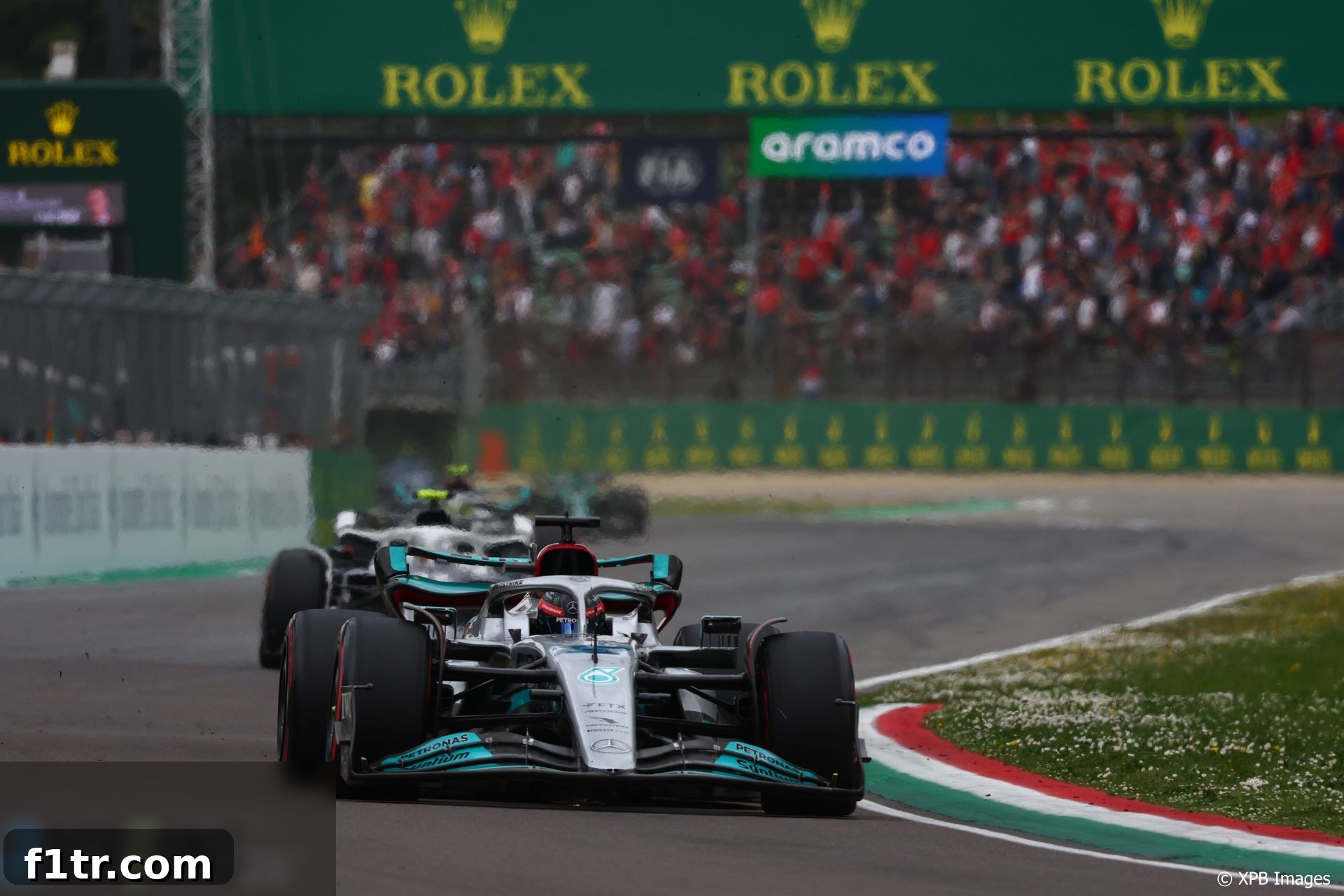
The innovative, yet often controversial, Formula 1 sprint race format continues to spark lively debate within the motorsport community. Following the first sprint event of the 2022 season at the Emilia-Romagna Grand Prix, Formula 1 motorsport director Ross Brawn firmly defended the format’s success, asserting that the opinions of front-running drivers carry more weight than those experiencing difficulties further down the grid. This stance comes in direct response to Mercedes driver George Russell, who described the 21-lap race as “processional” from his eleventh-place finish.
Ross Brawn’s Stance: A Resounding Success and Vindicated Decision
Ross Brawn, a key architect in Formula 1’s sporting direction, expressed significant satisfaction with the sprint race held at Imola. He believes the event strongly vindicated the decision to continue and even expand the sprint format for another year, emphasizing its contribution to the overall weekend spectacle. According to Brawn, the unique challenges of the sprint format, particularly regarding tyre management over a shorter, high-intensity race, delivered exactly what was intended: compelling racing action and strategic insights for the main Grand Prix.
Tyre Strategy and Race Dynamics
Brawn highlighted the tyre selection as “perfect” for the 21-lap duration of the sprint race. Unlike a full Grand Prix where multiple pit stops allow for varied strategies and fresh tyres, the sprint race demands drivers manage a single set of tyres for the entire distance. This constraint, Brawn argued, was crucial in creating an engaging dynamic. “As we all know, racing drivers are racing drivers, so any thoughts they were going to take it easy for the race I don’t think this is the case,” he stated, dismissing notions of drivers holding back. The inevitable tyre degradation meant that competitors had to push hard while simultaneously preserving their rubber, a delicate balance that led to visible performance differences as the race progressed. This forced adaptability, ensuring drivers couldn’t simply cruise, but rather had to execute a demanding performance strategy from start to finish. The short nature of the race, without the option for pit lane tyre changes, placed a premium on precise driving and astute tyre conservation, showcasing a different facet of a driver’s skill set.
The Entertainment Factor: Overtaking and Following
A central tenet of the revised F1 regulations introduced in 2022 was to improve the ability of cars to follow each other closely and promote more on-track overtaking. Brawn confidently declared that the Imola sprint race was a testament to these new rules. “So we’re very pleased with the sprint race. Great entertainment, lots of racing going on, plenty of overtaking,” he remarked. He acknowledged that many of these overtakes involved the Drag Reduction System (DRS), a tool often criticized for making overtakes too easy. However, Brawn quickly countered this argument by reminding critics that “you can’t use DRS unless you get on the back of the car.” This implies that the new aerodynamic rules were indeed effective in allowing cars to close up and remain in the slipstream, creating the opportunities for DRS to be effective in the first place. The sheer volume of wheel-to-wheel action and position changes throughout the field, not just at the very front, underscored Brawn’s belief that the sprint race delivered on its promise of increased excitement and dynamic competition for fans.
Strategic Insights for the Grand Prix
Beyond the immediate spectacle, Brawn also pointed to the invaluable strategic data the sprint race provided teams for the main Sunday Grand Prix. With race conditions closely mirroring those expected for the longer event, teams could gather crucial information on tyre wear, fuel consumption, and car balance. He specifically mentioned Ferrari, suggesting, “The interesting thing is it’s probably given Ferrari a good insight for tomorrow. So I think they’ll be stronger in the race tomorrow than what they were today.” This aspect of the sprint format transforms Saturday afternoon from merely a qualifying session into a genuine competitive session that offers tangible benefits for Sunday’s ultimate challenge, adding another layer of strategic depth to the entire race weekend.
Whose Opinion Matters Most?
Perhaps the most pointed comment from Brawn came when addressing the disparate views on the sprint race. He made it clear that while all feedback is heard, not all opinions hold equal weight, particularly when it comes to assessing the overall quality of the racing. “The opinions we listen to are the guys who were really competitive, they’re racing in the middle or racing at the front,” Brawn asserted. He candidly dismissed the input from drivers at the back of the grid, stating, “Whenever my driver’s had a bad car he’s complained about the race. So I think George’s opinion or the opinion of anyone in the back of the grid is not the opinions that we really listen to.” This suggests a belief that a driver’s performance and position on track heavily influence their perception of the race’s excitement and fairness. For Brawn, the true measure of a successful race lies with those directly involved in intense, competitive battles, rather than those struggling with a less potent package.
George Russell’s Counterpoint: A “Processional” Experience
In stark contrast to Brawn’s optimistic assessment, George Russell offered a less enthusiastic take on the Imola sprint race. Finishing outside the points in 11th position, Russell’s experience was clearly one of frustration rather than exhilaration. His description of the event as “processional” quickly became a focal point of the debate, highlighting the significant divergence in perception between F1 management and certain drivers.
The Lack of Tyre Degradation and Strategic Depth
Russell articulated his disappointment, stating, “I don’t know what the rest of the race was like but it felt processional from where we were.” His primary critique centered on the race length and its impact on tyre strategy. “The race just isn’t long enough to get some tyre degradation there and to have some big differences between the drivers and the cars,” he explained. From his perspective, the 21-lap distance was insufficient to trigger significant tyre degradation, which is a key factor in creating strategic variation and overt opportunities for overtaking based on differing car performance or driver management. Without distinct tyre cliffs or the need for pit stops, the race evolved into a largely static affair for those outside the immediate battle for the top positions, making it difficult for drivers to differentiate themselves or make significant progress through strategic play.
A Driver’s Perspective from the Midfield
Finishing 11th, Russell was not in the thick of the points-scoring battle, nor was he fighting for podium places. This position inherently shapes a driver’s perception. While those at the front might be engaged in intense wheel-to-wheel combat, a driver grappling with a less competitive car, or one struggling to overtake slower machinery, would naturally find the race less exciting. Russell’s experience underlines the fact that what might be thrilling for leaders could be a tedious, frustrating exercise for those further back on the grid, especially when the format offers limited avenues for strategic advancement. His comments underscore the psychological impact of being in a car that cannot effectively challenge competitors, transforming a race from a dynamic competition into a static procession.
Analyzing the Divide: Performance vs. Perception
The opposing viewpoints of Ross Brawn and George Russell encapsulate the fundamental tension at the heart of the Formula 1 sprint race concept. Brawn, representing the commercial and entertainment interests of the sport, focuses on the spectacle, the visible overtaking, and the strategic benefits for the overall weekend. Russell, as a competitive driver, prioritizes the purity of racing, the opportunity for strategic differentiation, and the personal satisfaction of a challenging and rewarding drive.
Brawn’s argument that opinions from the front of the grid are more relevant raises questions about the value of feedback from all participants. While drivers fighting for wins and podiums certainly provide invaluable insights into the sharp end of competition, drivers struggling in the midfield or at the back can offer a different, equally valid perspective on the format’s ability to promote competitive racing throughout the field. A “processional” experience for half the grid, even if the front is exciting, could still be seen as a flaw in a format designed to elevate entertainment across the board. Brawn did, however, concede that Russell’s opinion would not be ignored entirely, stating, “We had a Mercedes that couldn’t overtake the cars in front but there was plenty of overtaking going on in the middle and the front. So of course we’ll listen, we won’t ignore it, but I think you have to keep a perspective on it.” This suggests a recognition, albeit qualified, that challenges faced by teams and drivers like Mercedes and Russell still need to be considered for the format’s long-term refinement.
The Broader Implications for F1’s Future
The debate surrounding sprint races is not just about a single event but about the very identity and future direction of Formula 1. The sport is constantly striving to attract new fans while retaining its loyal base. Formats like the sprint race are designed to inject more excitement, providing additional competitive sessions throughout a Grand Prix weekend. However, if these new formats dilute the prestige of the main Grand Prix or lead to perceived “gimmicks,” they risk alienating purists. The challenge for Formula 1 management is to strike a delicate balance: innovate enough to keep the sport dynamic and appealing, but not so much that it compromises its core values and sporting integrity.
Balancing Excitement and Sporting Integrity
The discussion around sprint races often revolves around balancing sheer entertainment with sporting integrity. Is a short, strategic-lite race truly “racing” in the traditional sense, or is it more of a pre-show? The F1 Commission recently discussed increasing the number of sprint races to six per season, a move backed by teams like Ferrari. This indicates a strong desire within the sport’s governing bodies to fully embrace the format. Yet, the persistent critiques from drivers like Russell suggest that the format still has room for refinement. Exploring adjustments such as slightly longer sprint races, alternative tyre allocations, or different points structures could potentially address some of the concerns raised, ensuring that these events are not just exciting for those at the sharp end, but genuinely competitive and rewarding for all participants, thereby enriching the entire Formula 1 experience.
Conclusion: The Evolving Landscape of Formula 1
The Emilia-Romagna Grand Prix sprint race served as a microcosm of the ongoing evolution within Formula 1. Ross Brawn’s enthusiastic endorsement and George Russell’s critical assessment underscore the complex challenge of innovating a sport steeped in tradition. While Brawn sees the sprint format as a validated success, delivering on entertainment and strategic insights, Russell’s “processional” experience highlights the need for formats that engage every driver and fan, irrespective of their car’s performance. As Formula 1 continues to experiment with its race weekend structure, the dialogue between management, teams, and drivers will be crucial in shaping a future that balances thrilling spectacle with the enduring spirit of competitive motorsport. The conversation around sprint races is far from over, and its outcome will undoubtedly play a significant role in defining the next era of Grand Prix racing.
Related Formula 1 Content
- Aston Martin’s first points reward “immense” effort by factory after Melbourne crashes
- Verstappen becomes 14th driver in F1 history to score more than one ‘grand slam’
- Transcript: “I need more power” – Hamilton and Russell’s contrasting fortunes at Imola
- Ferrari backs increase to six sprint races as F1 Commission meets in London
- Ocon blames pit equipment after penalty for near-miss with Hamilton in pits
Browse all 2022 Emilia-Romagna Grand Prix articles