Formula 1’s Sprint Qualifying: Ross Brawn Reflects on Monza’s Overtaking Paradox and Eyes a Brighter 2022
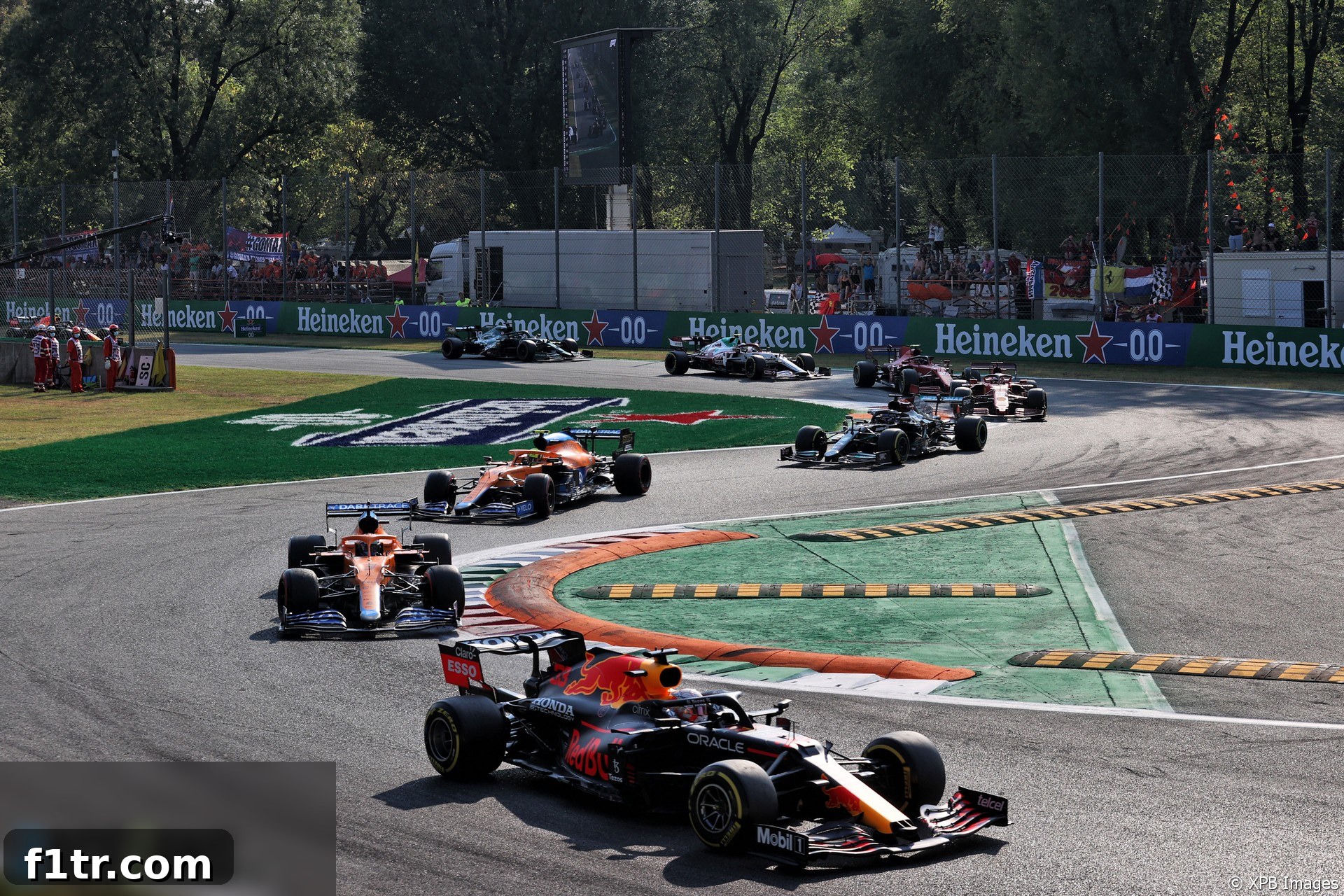
The introduction of Formula 1’s Sprint Qualifying format in 2021 was designed to inject fresh excitement into Grand Prix weekends, offering a dynamic new spectacle that would shake up the traditional qualifying and race structure. However, the experience at Monza, the revered “Temple of Speed,” presented a fascinating paradox. Despite its high-speed layout, which typically promises ample slipstreaming and overtaking opportunities, the sprint race witnessed surprisingly little on-track action in terms of position changes, particularly after the opening lap. This observation led to an admission from Formula 1’s motorsport director, Ross Brawn, who confessed his surprise at the difficulty drivers faced in attempting to pass one another during the inaugural Monza sprint event.
Brawn’s comments highlight a crucial point of discussion surrounding the effectiveness of modern F1 cars in promoting close-quarters racing. While the intention behind sprint qualifying was to create more exciting racing moments, the reality at Monza fell short of expectations for many, including Brawn himself. The phenomenon of “DRS trains,” where multiple cars follow closely, all benefiting from the Drag Reduction System (DRS) but unable to make a decisive move, had been predicted by several drivers, including Sergio Perez, prior to the race. Their foresight proved accurate, as the high-speed circuit, renowned for its long straights and fast corners, paradoxically minimized genuine overtaking maneuvers.
Monza’s High-Speed Challenge: A Missed Opportunity for Overtaking?
Monza was deliberately selected as one of three venues to host F1’s experimental sprint qualifying format, largely due to its characteristics that were expected to foster easy overtaking. With its long straights like the Rettifilo and Serraglio, followed by heavy braking zones, the circuit traditionally offers prime spots for drivers to gain an advantage. The theory was that these high-speed sections, combined with the DRS, would lead to a flurry of passes and dynamic racing. However, the reality of the sprint race painted a different picture, leaving many to ponder why a circuit seemingly tailor-made for overtaking failed to deliver on that promise.
The challenges of modern Formula 1 car design often boil down to aerodynamics. While DRS provides a temporary boost, the intricate aerodynamic designs of contemporary F1 machines create significant “dirty air” for following cars. This turbulent air severely reduces downforce, making it difficult for a driver to get close enough to the car in front through corners and maintain sufficient grip to launch a successful overtaking attempt, even with the DRS advantage on the straights. Consequently, what appears to be a clear opportunity for a pass often evaporates as the following car struggles for stability and grip, ultimately preventing a clean move.
Advert | Become a Supporter & go ad-free
Sergio Perez, a driver known for his acute understanding of race dynamics, had publicly voiced his concerns about the formation of DRS trains at Monza. He accurately predicted that the system, while designed to aid overtaking, could in fact hinder it when multiple cars are involved. In a scenario where several cars are running within DRS detection range of each other, the advantage gained by the lead car in the “train” by having an open rear wing can be nullified by the car behind it also opening its wing. This collective utilization of DRS creates a stalemate, where no driver can truly pull away or make a decisive pass, trapping the field in a high-speed procession.
Anticipating a Breakthrough: The 2022 Technical Regulations
Despite the initial disappointment regarding overtaking at Monza, Ross Brawn remains optimistic about the future of Formula 1 racing. A significant part of this optimism stems from the impending introduction of new technical regulations in 2022. These regulations represent a radical overhaul of car design, specifically aimed at addressing the long-standing issue of dirty air and making it easier for cars to follow each other closely, thereby promoting more wheel-to-wheel action and genuine overtaking.
The core philosophy behind the 2022 car design revolves around ground effect aerodynamics. By generating a greater proportion of downforce from the underbody of the car rather than complex front and rear wings, the new regulations aim to significantly reduce the turbulent wake created behind a leading car. This means that a chasing car should experience less aerodynamic disruption, allowing its driver to maintain grip and confidence when running in close proximity to an opponent. Brawn emphatically stated, “We’re optimistic that next year’s car is going to help a lot. But I must say, I was surprised how difficult it was to overtake even with DRS. This was one of the races we selected because we thought there would be more opportunity. But as the race panned out that didn’t seem to be the case. Next year’s car will definitely be a step forward.”
The commitment to these fundamental changes underscores Formula 1’s dedication to improving the racing spectacle. The sport’s leadership recognizes that while high-speed circuits and powerful engines are thrilling, the true essence of racing lies in competitive battles and genuine opportunities for drivers to outmaneuver their rivals. The lessons learned from events like the Monza sprint race are invaluable in validating the need for these significant technical adjustments, ensuring that the 2022 generation of cars delivers on its promise of a new era of closer, more exhilarating racing.
The Sprint’s Unseen Benefits: Adding “A Different Complexion”
While the lack of overtakes in the Monza sprint race was a point of concern, Ross Brawn was quick to emphasize that the format still added considerable value to the Grand Prix weekend. He argued that the sprint event successfully introduced “a different complexion on the race tomorrow than we thought we had after qualifying on Friday.” This suggests that even without a constant stream of position changes, the sprint race served its purpose by shuffling the grid, creating new narratives, and injecting an element of unpredictability into the main Sunday event.
“So I think it’s great in that respect,” Brawn continued. “A little bit quiet at the front of the grid but then you get that at races anyway. Plenty of action in the middle, plenty of action at the start, a very exciting start. So I think it’s added to the whole weekend.” His remarks highlight that the sprint’s value isn’t solely dependent on the quantity of overtakes. It offers a standalone race experience that can introduce strategy variations, unexpected grid penalties, and opportunities for drivers further down the field to make gains. The chaotic and exciting start, in particular, often provides the drama that fans crave, irrespective of what transpires later in the short race.
The sprint qualifying format essentially turns Friday’s traditional qualifying into a shootout for pole position for Saturday’s sprint race. The result of the sprint then dictates the starting grid for Sunday’s Grand Prix. This innovative approach aims to make every session of the race weekend meaningful, moving away from a traditional format where Friday practice sessions might lack the immediate competitive intensity. By creating a mini-race on Saturday, it adds another competitive layer, forcing teams and drivers to adapt their strategies and providing fans with an additional dose of high-stakes racing action before the main event.
Fernando Alonso: A Masterclass in Midfield Mayhem
Amidst the discussions about overtaking challenges and the overall success of the sprint format, one driver consistently stood out to Ross Brawn: Fernando Alonso. The two-time world champion’s performances in the initial sprint qualifying events deeply impressed Brawn, who praised the Spaniard’s aggressive approach and unwavering commitment.
“Fernando grabs this by the… he’s going for it and he’s great,” Brawn observed. Alonso’s seasoned experience, renowned race craft, and relentless competitive spirit were on full display. Even in races where outright overtaking was difficult, Alonso demonstrated his ability to extract every ounce of performance from his car, engaging in intense battles within the midfield. This ability to thrive in the thick of the action, to make daring moves, and to consistently put on a show is what truly resonated with Brawn.
“And that’s why I say, actually, if you watch the action in the middle of the field, it was very good. I think if they were all racing like Fernando I’d be very happy.” Brawn’s admiration for Alonso underscores a broader point: while the leaders might sometimes run away with a race, the real spectacle often unfolds in the midfield. Drivers like Alonso, with their blend of skill, aggression, and tactical acumen, are vital for keeping the racing engaging and unpredictable, regardless of the overall overtaking statistics. His performance served as a compelling example of how a driver can still make a significant impact and entertain, even when the car itself might not be the fastest or the track conditions aren’t perfectly conducive to overtakes.
Conclusion: Learning from Monza and Looking Ahead
The Monza sprint qualifying race offered valuable insights into the ongoing evolution of Formula 1. While it highlighted the persistent challenges of overtaking in modern F1 cars, even on historically suitable circuits, it also reinforced Ross Brawn’s optimism for the future. The feedback from Monza, particularly the confirmation of difficulties with “DRS trains,” provides critical data that supports the radical aerodynamic changes planned for the 2022 season. These upcoming regulations are not just about aesthetics; they are a fundamental redesign aimed at fostering closer racing and enabling drivers to truly race each other without being unduly hampered by aerodynamic turbulence.
Furthermore, Brawn’s assessment of the sprint format itself points to its broader benefits beyond just overtakes. By creating dynamic grid changes and generating compelling midfield battles, it successfully added another layer of excitement and unpredictability to the Grand Prix weekend. The standout performance of drivers like Fernando Alonso further demonstrated that skill and sheer will can still triumph, providing thrilling moments even when the overall race might seem subdued. As Formula 1 continues to innovate and refine its racing format and car designs, the lessons from Monza will undoubtedly play a crucial role in shaping a more exhilarating and competitive future for the sport, promising fans a more engaging spectacle in the years to come.
2021 Italian Grand Prix
- Who was to blame for Hamilton and Verstappen’s collision at Monza?
- Hamilton-Verstappen crash was ‘a racing incident, no danger’ – Alonso
- Hamilton pleased stewards “set a precedent”, Verstappen “doesn’t fully agree”
- Ricciardo didn’t need title rivals’ latest clash for stunning Monza win
- Why Verstappen’s grid penalty differed from Hamilton’s Silverstone sanction
Browse all 2021 Italian Grand Prix articles