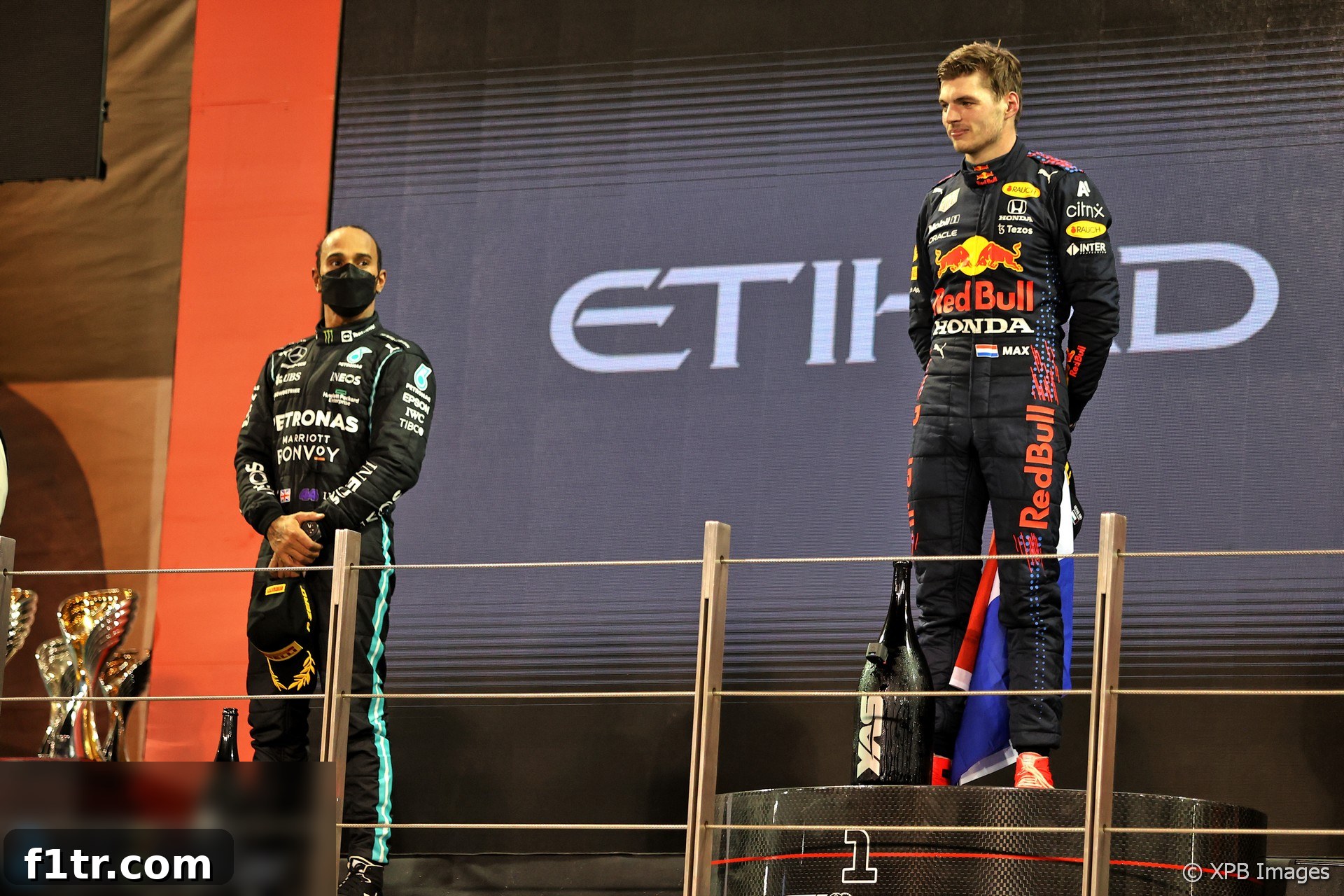
The global motorsport community holds its breath as the Federation Internationale de l’Automobile (FIA) navigates the complex aftermath of the 2021 Abu Dhabi Grand Prix. The controversial season finale, which saw the Formula 1 championship decided under highly contentious circumstances, has spurred a comprehensive investigation by the sport’s governing body. In the face of intense scrutiny, FIA President Mohammed Ben Sulayem has unequivocally vowed that the outcome of this inquiry will not, under any circumstances, compromise the fundamental integrity of the organization. This firm declaration sets a clear tone for the transparency and accountability the FIA aims to uphold.
Two months after the dramatic conclusion at Yas Marina, the FIA’s F1 Commission convened to receive an initial briefing on the ongoing inquiry. This critical investigation delves into the procedural decisions made during the final laps of the race, decisions that ultimately led to a change in the championship’s trajectory. The incident, which sparked widespread debate among fans, teams, and pundits alike, underscored the vital importance of consistent and clear application of sporting regulations in the pinnacle of motorsport.
The crux of the controversy revolved around the championship trophy changing hands on the very last lap. Race director Michael Masi’s late decision to arrange a safety car restart, seemingly in contravention of established rules regarding unlapped cars and restart procedures, created an unprecedented scenario. This contentious call allowed Max Verstappen to overtake Lewis Hamilton, securing both the race victory and his maiden Formula 1 World Championship title. The events of that day cast a long shadow, raising questions about fairness and the precise interpretation of regulations at the highest level of competition.
Despite the anticipation surrounding yesterday’s F1 Commission meeting, President Ben Sulayem confirmed that the inquiry into the race remains incomplete. Speaking to Sky, he stated, “We agreed on certain things. The analysis is still going on, it will come soon but it was a good discussion there so we will see.” This ongoing process underscores the FIA’s commitment to a thorough and detailed review, ensuring all facets of the incident are meticulously examined before any conclusions or recommendations are made public. The delay suggests a desire for due diligence rather than a rushed judgment, aiming for a comprehensive resolution that addresses all concerns.
The implications of this investigation extend far beyond the immediate aftermath of the race. Michael Masi’s future in the pivotal role of race director has been the subject of considerable speculation since December. His decisions during those critical final laps placed immense pressure on the role, sparking discussions about the competencies and pressures inherent in managing a Formula 1 Grand Prix. Furthermore, the investigation is expected to lead to a significant restructuring of the race director position itself, potentially redefining its responsibilities, support structures, and decision-making protocols to enhance clarity and consistency across all future events.
However, throughout this period of intense scrutiny, President Ben Sulayem has remained resolute in his insistence that the integrity of the sport’s governing body will be unequivocally upheld. He iterated, “The information will be announced but the integrity of the FIA will always be intact. I’m elected to do that but also to have fair motorsport, that’s my duty.” This powerful statement serves as a cornerstone of his presidency, emphasizing a commitment to governance that is transparent, just, and beyond reproach. The focus is not merely on resolving a single incident but on reinforcing the ethical framework upon which global motorsport operates.
The FIA’s commitment to integrity also reflects a broader vision for the future of Formula 1. The perceived fairness of sporting decisions is paramount for maintaining fan engagement and trust, as well as the confidence of participating teams and drivers. A compromised integrity could undermine the very foundations of the sport, leading to a loss of credibility that would be challenging to recover. Therefore, the thoroughness of this investigation and the ensuing measures are critical steps in reinforcing the FIA’s standing as a fair and impartial governing body dedicated to the highest standards of competition.
Ben Sulayem further characterized the recent F1 Commission meeting as highly productive, indicating that substantial progress was made on various fronts crucial for the upcoming season. “It was a very good meeting. We went through a lot of important things for the season. I expect a good Formula 1 season to go ahead,” he commented. This forward-looking perspective highlights the FIA’s dual focus: addressing past controversies with rigor while simultaneously laying robust foundations for a successful and exciting future for Formula 1. The aim is to ensure that the sport continues to captivate audiences worldwide with its blend of speed, strategy, and unparalleled competition.
The FIA President’s mantra for the period ahead is clear: “We can only go forward.” He emphasized, “This is important for the FIA, for the integrity of the FIA and the sport. We can only improve the future.” This philosophy encapsulates the necessity for evolution and adaptation within motorsport governance. Learning from past challenges, implementing systemic improvements, and continually striving for excellence are not just aspirations but fundamental requirements for an organization tasked with overseeing a global spectacle like Formula 1. The incident in Abu Dhabi, while challenging, is being framed as a catalyst for positive change and a stronger, more resilient FIA.
The journey to restore and reaffirm confidence in Formula 1’s officiating processes is multifaceted. It involves not only a detailed review of the 2021 Abu Dhabi Grand Prix but also an examination of the broader operational structures and regulations. This could include, for instance, clearer guidelines for safety car deployment, precise communication protocols between race control and teams, and potentially a revised hierarchy or support system for the race director. The objective is to eliminate ambiguity and prevent similar controversies from overshadowing future championship battles, ensuring that sporting outcomes are determined purely by on-track performance and clear adherence to rules.
Ultimately, the FIA’s investigation is more than just a fact-finding mission; it is a critical exercise in accountability and a statement of intent for the future of Formula 1. By transparently addressing the issues, making necessary structural changes, and reaffirming its core values, the FIA aims to emerge from this period with renewed strength and credibility. The expectation is that the sport will not only learn from the controversial events but will also implement lasting improvements that will serve to enhance the fairness, excitement, and integrity of Formula 1 for generations of fans and competitors to come.
The resolution of this inquiry and the subsequent announcements are keenly awaited by all stakeholders in Formula 1. The outcome will shape perceptions, influence future regulatory frameworks, and define the legacy of those involved. For Mohammed Ben Sulayem, it represents a pivotal moment early in his presidency, a chance to demonstrate decisive leadership and a steadfast commitment to the principles of fair play and integrity that are fundamental to the global appeal and enduring success of motorsport.
As Formula 1 progresses into its next season, the lessons learned from the 2021 Abu Dhabi Grand Prix will undoubtedly inform decisions and policies. The desire for a championship decided purely on merit, without external controversy, is universal. The FIA’s pledge to uphold integrity and to continuously improve its processes is a crucial step towards ensuring that the focus remains firmly on the thrilling competition, the incredible talent of the drivers, and the technological marvels of the cars, rather than on the decisions made off-track. The future of fair motorsport hinges on a thorough and transparent resolution to this significant chapter in Formula 1 history.
2022 F1 season
- Mercedes told me “you’re wrong” about 2022 car’s problems – Hamilton
- FIA confirms all 10 F1 teams complied with 2022 cost cap
- Steiner “not ashamed” of panning “slow” Schumacher in Drive to Survive
- Albon believes year out of F1 improved him as a driver
- Hamilton sees diversity gains in F1 years on from his ‘traumatising’ experience of racism
Browse all 2022 F1 season articles