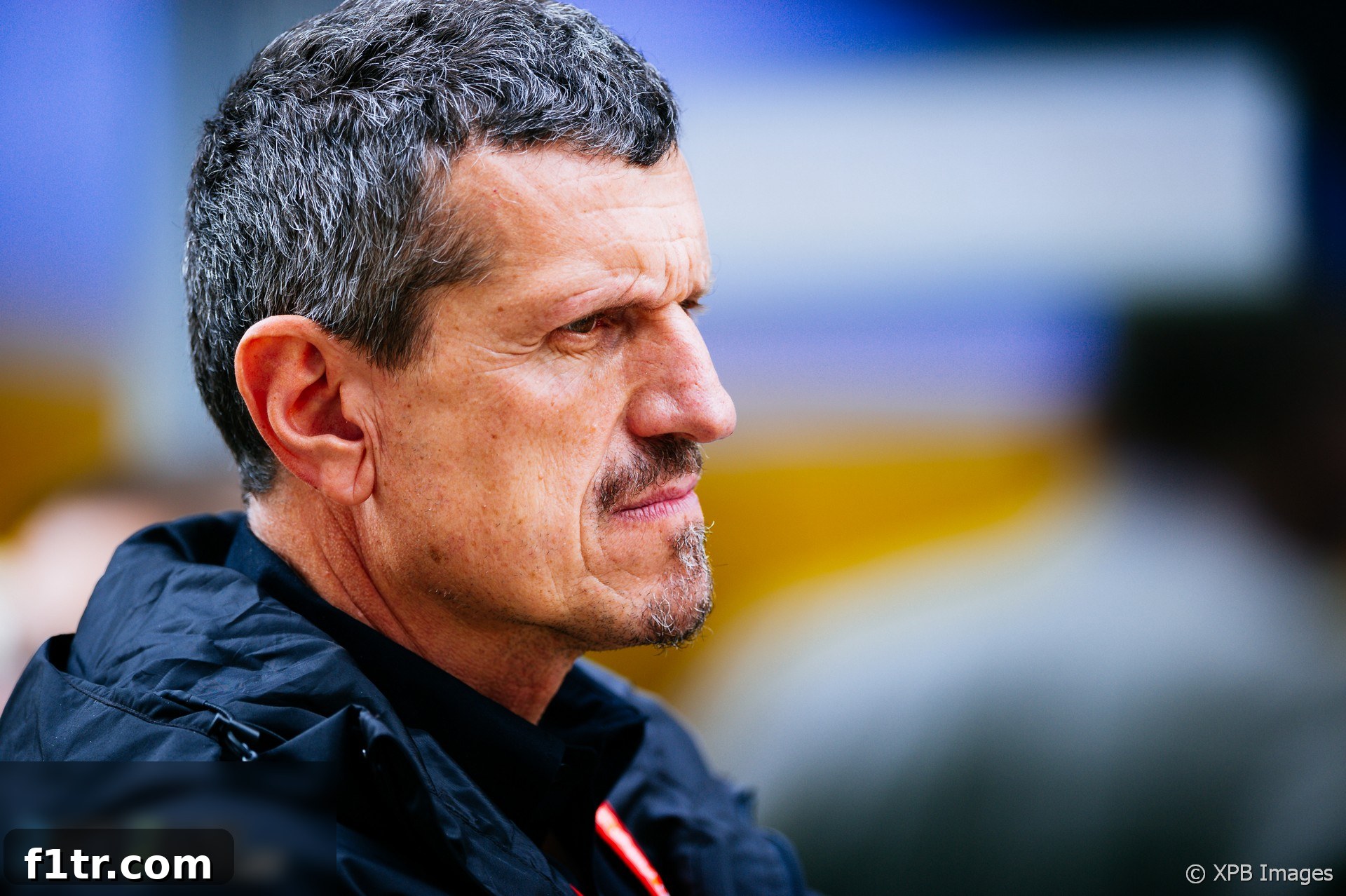
The intricate world of Formula 1, a sport synonymous with cutting-edge technology, unparalleled speed, and immense financial investment, is on the cusp of a significant transformation. With the impending introduction of a budget cap, aimed at leveling the playing field and fostering greater competition, discussions around its immediate and long-term implications are intensifying. Haas team principal Guenther Steiner, ever direct, recently voiced his pragmatic perspective on how the front-running F1 teams are strategically positioning themselves to gain a crucial advantage before these new financial constraints fully take hold.
Navigating the F1 Budget Cap: Steiner’s Candid Insights
The year 2021 marks a pivotal moment for Formula 1, as new financial regulations, including a strict budget cap, are set to fundamentally reshape how teams operate. Designed to curb excessive spending and promote sustainability within the sport, these rules aim to reduce the performance gap between the wealthiest constructors and their smaller, privately-owned counterparts. However, as Guenther Steiner highlighted, the year leading up to the cap provides a unique window of opportunity, a period during which teams are still permitted to spend what they can to develop infrastructure, personnel, and car components ahead of the restrictions.
“They will get two years ahead, obviously. But I’m not worried because you can’t do anything about it anyway. It is what it is.” Steiner articulated, reflecting a resigned acceptance of the current situation. This “two-year ahead” advantage he refers to encompasses not just the 2020 development cycle but also the longer-term benefits derived from expanded facilities and enhanced recruitment. The bigger teams, with their vastly superior financial resources, are able to invest heavily in research and development, design new components, and even recruit additional engineering talent during this transitional period. This proactive investment ensures that when the budget cap formally kicks in, they will already possess a more advanced foundation and a highly optimized workflow, making it challenging for smaller teams to catch up.
“We are in December, what can you do? Even if you get 20 million, it’s difficult now to do something because who do you find to work for a year because then you have to let them go again? They are just stronger, they just have got more resources and they will be ahead.” His words paint a clear picture of the inherent challenges faced by independent outfits like Haas. Unlike their manufacturer-backed rivals, smaller teams lack the flexibility to dramatically increase their spending or rapidly expand their workforce for a short-term gain. Hiring specialists for a year-long sprint before having to downsize presents significant logistical and ethical dilemmas, often making it an unfeasible strategy. The talent pool in Formula 1 is highly competitive, and attracting top-tier engineers or designers for a temporary stint is exceptionally difficult when long-term security is not guaranteed. Consequently, the larger teams are effectively able to “bank” their development before the cap, creating a potentially enduring performance differential.
Steiner’s concluding remarks underscore a widely acknowledged reality within the F1 paddock: “But nobody is surprised by this. At some stage you need to make this step. I mean you don’t get around it. Get over it and then go from there.” This sentiment reflects a pragmatic understanding that the budget cap, while imperfect in its immediate implementation, represents a necessary evolution for the sport. The initial disparities are a foreseeable consequence of a major regulatory shift, and teams, regardless of their size, must adapt and strategize for the long game. The focus for teams like Haas will inevitably shift towards maximizing efficiency, optimizing resource allocation, and fostering innovation within the new financial parameters, rather than dwelling on the temporary head start of their rivals. This period of transition will test the ingenuity and resilience of every team, setting the stage for a potentially more balanced and competitive future in Formula 1.
Quotes courtesy of Dieter Rencken
Advert | Become a RaceFans supporter andgo ad-free
Motorsport Buzz: Social Media Highlights
Social media platforms continue to be a vibrant hub for motorsport news, offering fans and insiders a real-time glimpse into the lives and activities of drivers and teams. Here’s a notable update from the world of junior single-seaters:
First test with next year’s F320 for @TeamMotopark – Great car, the REAL F3! pic.twitter.com/sfPJYjXFkI
— Tom Dillmann (@TomDillmann) December 20, 2019
French racing driver Tom Dillmann shared exciting news regarding the first test of the new Dallara F320 chassis with Team Motopark. This new generation car is set to be a cornerstone of various F3-level championships, including the Euroformula Open and the soon-to-be-renamed Japanese Formula 3 series. Dillmann’s enthusiastic endorsement of the car as “the REAL F3” highlights the importance of these powerful, aerodynamic machines in preparing young talents for higher echelons of motorsport. Pre-season testing with new machinery is crucial for teams to understand the car’s characteristics, develop optimal setups, and for drivers to adapt their driving styles, laying the groundwork for a competitive season ahead. Such developments in feeder series are vital for the continuous flow of talent into Formula 1 and other top-tier categories, ensuring the future vibrancy of global motorsport.
- Discover more official F1 accounts and key motorsport personalities to follow in the F1 Twitter Directory.
Essential Motorsport Reads: Beyond the Paddock
Stay informed with a selection of compelling articles and interviews from across the motorsport world, offering diverse perspectives and in-depth analyses:
Advert | Become a Supporter & go ad-free
Top Gear Meets Lando Norris: The Rigours of Singapore
In an insightful interview with Top Gear, McLaren’s rising star Lando Norris discusses the immense challenges of racing in Singapore, one of Formula 1’s most demanding circuits. Norris revealed, “For me Singapore was one of the most difficult ones and doing a lot of laps on the simulator there was crucial for getting up to speed when it came to the actual race weekend.” This statement perfectly encapsulates the critical role of simulator technology in modern F1. Drivers like Norris rely heavily on these sophisticated tools to meticulously learn track layouts, experiment with different racing lines, and simulate various race conditions, especially for highly technical and physically draining street circuits like Singapore. The ability to extensively practice in a virtual environment not only aids in rapid acclimatization but also helps in fine-tuning race strategies and managing crucial aspects like tire degradation and energy deployment, proving indispensable for competitive performance.
Alex Palou’s IndyCar Dream: A Two-Year Journey to Fulfilment (Autosport)
Autosport delves into the compelling story of Alex Palou’s long-sought move to IndyCar, a dream that took two years to materialize. Palou’s journey underscores the perseverance required to break into North America’s premier open-wheel series. He shared, “At first it seemed that yes (there was), then no; we kept working but it seemed we were running out of choice. Then the Bourdais thing happened with the team and we went to work to the fullest, 100%, to be able to be there.” This quote highlights the unpredictable nature of driver contracts and team dynamics in motorsport. The opening created by Sebastien Bourdais’ departure from Dale Coyne Racing ultimately paved the way for Palou, illustrating how persistence, combined with unforeseen circumstances, can lead to career-defining opportunities. Palou’s entry into IndyCar represents a significant step for the young Spanish driver, transitioning from a successful career in European and Asian single-seater championships to a highly competitive global stage.
Euroformula Open Teams Commence Testing with New Dallara 320 (Formula Scout)
Formula Scout reports on the exciting developments within the Euroformula Open championship, as teams begin testing the new Dallara 320 chassis. This advanced single-seater is not only poised to elevate the competition in Euroformula Open but is also set for adoption in the rebranded Japanese Formula 3 series. The article notes, “The car is also being used in the soon to be renamed Japanese Formula 3 next year, where Motopark has also shaken down two chassis in a group test at Suzuka. Sena Sakaguchi and Simo Laaksonen drove the two cars there, which were co-run by Motopark’s Japanese team partner B-MAX Racing.” The introduction of a new standardized chassis like the Dallara 320 is crucial for feeder series, ensuring a level playing field focused on driver talent and team setup expertise. Extensive testing periods, often involving multiple teams and drivers, are essential for gathering crucial data, identifying initial setup directions, and ensuring the reliability and performance of the new car before the competitive season commences. This collaborative testing environment at iconic venues like Suzuka further highlights the global interconnectivity of junior motorsport ladders.
We always endeavour to credit original sources. If you have a tip for a link to feature in the next RaceFans round-up please send it in via the contact form.
Advert | Become a RaceFans supporter andgo ad-free
Debating the Future: Women in Formula 1
The question of when we will witness a woman competing in Formula 1 remains a hotly debated topic, sparking discussions across the motorsport community about talent, opportunity, and the challenges faced by female drivers in a traditionally male-dominated sport. Our ‘Comment of the Day’ reflects a nuanced view on this important subject:
“Hopefully it will happen sooner than later but so much has yet to be done. Calderon didn’t exactly set the world on fire in F2 with being more or less last in the championship. It just highlights that there must be many more women in the ladders to be able to see emerging talents at potential F1 level.
@Spoutnik
@Spoutnik’s comment intelligently addresses the complexities surrounding the prospect of a female F1 driver. While the aspiration for greater diversity and inclusion is strong, the reality of the brutally competitive motorsport ladder cannot be ignored. The example of Tatiana Calderon, who competed in Formula 2, serves as a poignant reminder that reaching F1 requires exceptional talent, consistent performance at every level, and often, significant financial backing. Her F2 performance, while commendable for reaching that stage, illustrates the immense leap in competitiveness required for Formula 1. The core of the issue, as @Spoutnik points out, lies in the need for a much larger pool of female drivers at the grassroots and junior categories. Initiatives like the W Series, and various “Girls on Track” programs, are crucial steps in encouraging more young women to enter karting and single-seater racing. By expanding the base of female participation in these foundational series, the chances of truly outstanding talents emerging and progressing through the ranks to potential F1 contention will naturally increase. It’s a long-term investment in fostering an environment where merit, regardless of gender, can ultimately shine on the sport’s biggest stage.
Celebrations: Happy Birthday to Our Motorsport Enthusiasts!
We extend our warmest wishes to members of our RaceFans community celebrating their special day!
Happy birthday to Bascb, Olliekart, Bosyber, Curmudgeon and Pat Ruadh! Your passion for motorsport enriches our community.
If you’d like a birthday shout-out in our future round-ups, please share your birthday with us via the contact form or by adding your details to our list here.
F1 History: On This Day
- On this day in 2009, the motorsport world was electrified by the official announcement that seven-time world champion Michael Schumacher would be making a sensational return to Formula One with the newly formed Mercedes Grand Prix team. This news marked one of the most significant comebacks in the sport’s history, bringing the legendary German driver out of retirement and reigniting excitement among fans globally as he embarked on a new chapter with a historic manufacturer.