As the anticipation for the new Formula 1 season reaches fever pitch, all ten teams have officially confirmed their driver arrangements for the crucial final pre-season test. This pivotal three-day session is set to commence tomorrow at the iconic Circuit de Catalunya in Barcelona. This concluding test offers teams their last opportunity to fine-tune their cars, validate development directions, and ensure their drivers are fully integrated before the lights go out for the season-opening Grand Prix. The stakes are incredibly high, with every lap, every data point, and every driver feedback session contributing to their competitive standing for the challenging season ahead.
The Circuit de Catalunya is a familiar hunting ground for Formula 1 teams, making it an ideal venue for pre-season testing. Its diverse layout features a demanding mix of high-speed corners, a long main straight, and technical slower sections. This variety allows teams to comprehensively assess aerodynamic performance, mechanical grip, tyre degradation across different profiles, and engine reliability under varied loads. The consistency of the venue also provides a valuable benchmark, enabling teams to compare data year-on-year and accurately gauge the progress of their new challengers. For drivers, it’s a chance to reacquaint themselves with the limits of their machines in a race simulation environment, pushing the boundaries without the immediate pressure of a competitive weekend.
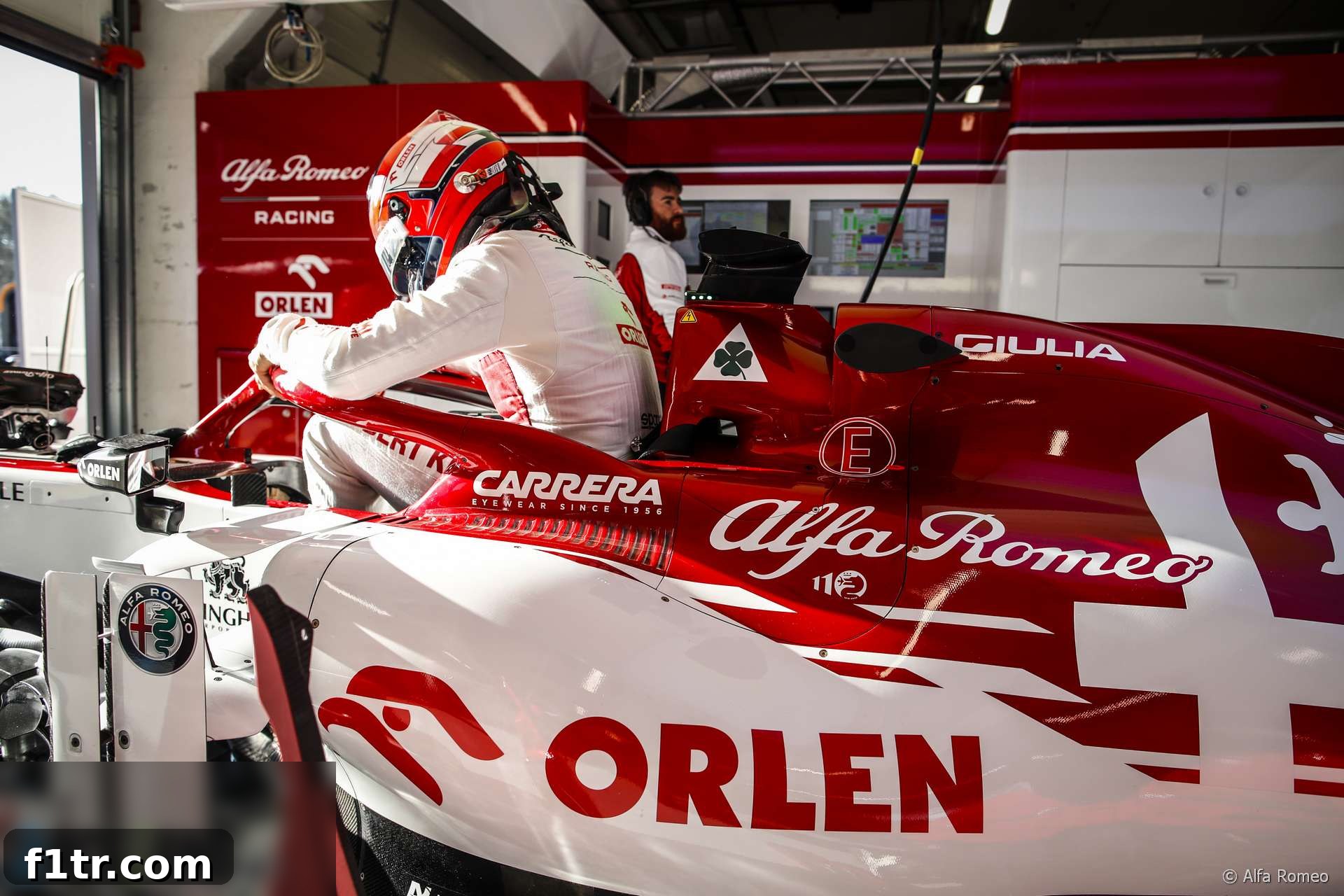
A full complement of all 20 contracted race drivers is scheduled to participate in this final test. This ensures that every competitor has sufficient time behind the wheel to acclimatize to their 2020 machinery, understand its intricacies, and provide invaluable feedback to their engineering teams. Unlike the previous week, where a few reserve drivers made appearances, this test is predominantly for the full-time racers. The sole exception this week will be Alfa Romeo’s experienced test driver, Robert Kubica, who is slated to drive for them on Wednesday. Kubica’s profound technical understanding and extensive Formula 1 experience make him a significant asset for Alfa Romeo, allowing them to gather specific data and alternative perspectives on the car’s behaviour, complementing the feedback from their main drivers.
Team strategies for dividing driving duties during testing are always under scrutiny, revealing insights into their priorities. For this final test, most teams have opted to split their running between their two different drivers on the opening day. This approach allows them to quickly gather a broader spectrum of feedback and evaluate different setup directions. Some top teams, including Mercedes and Red Bull Racing, will maintain this split throughout the entire three-day test. Red Bull’s decision to divide test days between their drivers marks a notable departure from their previous arrangement, where they often gave one driver extended periods in the car. This strategic shift for Red Bull, particularly after their star driver Max Verstappen logged significant mileage last week, suggests a concerted effort to optimize data collection and ensure both Verstappen and Alexander Albon are fully prepared and comfortable with the RB16 before the season officially begins. This strategy aims to prevent driver fatigue and maximize the input from both their talented pilots, crucial for refining a competitive package.
The first pre-season test provided an initial glimpse into the readiness and potential of the 2020 contenders. Across the ten teams, an impressive combined total of 3,898 laps were logged on the Spanish circuit, equating to an average of almost three Grand Prix distances for each driver. This high mileage is a testament to the reliability and early development of the cars. Achieving such high lap counts without significant issues is often a more important indicator in testing than outright pace, as it signifies a stable platform for further development. A reliable car allows teams to spend more time on performance runs rather than troubleshooting. Leading the charge in terms of raw speed during the first test was Valtteri Bottas, who set a scorching best lap of 1’15.732 for Mercedes on the final Friday. While lap times in testing must always be taken with a grain of salt – due to varying fuel loads, engine modes, and tyre compounds – Bottas’s impressive pace certainly underscored Mercedes’ formidable early form and sent a clear message to their rivals that they remain the benchmark.
Beyond the headline lap times, the first test offered valuable insights into the competitive landscape. Teams focused heavily on systems checks, aero mapping, and understanding the behaviour of the new Pirelli tyres. The midfield battle appeared incredibly tight, with several teams demonstrating promising pace and reliability. The second test will be a crucial decider for who carries momentum into the season opener. Teams will undoubtedly unveil significant aerodynamic updates and push their cars closer to the limit, revealing more of their true potential. The intense data analysis from the first test will have informed specific setup changes and development priorities, making this final test session paramount for translating theoretical gains into real-world performance.
2020 Pre-Season Test Two Driver Line-Up
The following table outlines the confirmed driver schedule for the second pre-season test, detailing which driver will be behind the wheel for each team across the morning and afternoon sessions over the three days. This schedule is meticulously planned to maximize data collection, accommodate specific testing programmes, and provide each driver with ample time to familiarize themselves with their new challengers.
| Wednesday 26th | Thursday 27th | Friday 28th | ||||
|---|---|---|---|---|---|---|
| Morning | Afternoon | Morning | Afternoon | Morning | Afternoon | |
| Mercedes | Lewis Hamilton / Valtteri Bottas (will alternate each day) | |||||
| Ferrari | Sebastian Vettel | Charles Leclerc | Vettel | Leclerc | ||
| Red Bull | Alexander Albon | Max Verstappen | Verstappen | Albon | Albon | Verstappen |
| McLaren | Carlos Sainz Jnr | Lando Norris | Norris | Sainz | ||
| Renault | Daniel Ricciardo | Esteban Ocon | Ocon | Ricciardo | Ricciardo | Ocon |
| AlphaTauri | Pierre Gasly | Daniil Kvyat | Gasly | Kvyat | ||
| Racing Point | Lance Stroll | Sergio Perez | Stroll | Perez | ||
| Alfa Romeo | Robert Kubica | Kimi Raikkonen | Antonio Giovinazzi | Raikkonen | ||
| Haas | Romain Grosjean | Kevin Magnussen | Grosjean | Magnussen | ||
| Williams | Nicholas Latifi | George Russell | Latifi | Russell | ||
Observing the detailed schedule, it’s clear that teams like Mercedes have opted for a full-day alternation between Lewis Hamilton and Valtteri Bottas, ensuring each driver gets an uninterrupted full day of testing to develop a comprehensive feel for the car and undertake longer runs. Ferrari and Red Bull, on the other hand, have chosen to split drivers within a single day for some sessions, allowing for immediate comparison of feedback and rapid changes between setup iterations. The inclusion of Robert Kubica on Wednesday for Alfa Romeo highlights the strategic importance of an experienced test driver for specific development work, particularly in the crucial early stages of a new car’s life. This final test will be a race against time for every team to gather the last pieces of the puzzle before the 2020 F1 season officially kicks off.
What Else to Watch For During the Final Test
While driver schedules and lap times grab the headlines, the real depth of pre-season testing lies in the less visible elements. Teams often hold back significant aerodynamic updates for the second test, meaning fans can expect to see new wings, floor designs, and bargeboards making their debut. These visual changes are critical indicators of a team’s development direction and their confidence in their design philosophies. Reliability will continue to be a paramount focus; teams will be aiming for full race simulations, including pit stops and tyre changes, to ensure every component can withstand race distance under pressure. Understanding the new Pirelli tyre compounds, their degradation rates, and optimal operating windows will also be a key objective, as mastering tyre strategy can often be the deciding factor in a Grand Prix. The intensifying midfield battle, involving McLaren, Renault, Racing Point, and AlphaTauri, will also be a major talking point, as each team strives to establish itself as the front-runner of the competitive middle segment of the grid. Finally, observers will keenly watch how newer drivers, such as Williams’ Nicholas Latifi or Renault’s Esteban Ocon, continue to adapt to their new environments and extract performance from their machinery, demonstrating their readiness for the challenges of a full F1 season.
Anticipation Builds for the 2020 F1 Season
As the final test concludes, the motorsport world will hold its breath for the start of the 2020 Formula 1 season. While testing results are never truly indicative of the pecking order, they offer tantalizing glimpses and fuel endless speculation. Mercedes has shown consistent strength, maintaining their formidable reputation, but Ferrari and Red Bull have also displayed moments of impressive pace, suggesting a potential three-way fight at the front. The midfield, as always, promises to be incredibly tight and unpredictable, with every point vital in the Constructors’ Championship. This final test is not just about car development; it’s about building confidence, honing strategies, and ensuring every member of the team, from drivers to engineers, is perfectly synchronized. The excitement is palpable, and the countdown to the first race is truly on. The Barcelona asphalt will witness the culmination of months of hard work and innovation, setting the stage for what promises to be another thrilling chapter in Formula 1 history.
Don’t miss anything new from RaceFans
Follow RaceFans on social media to stay updated with all the latest news, analysis, and insights from the world of Formula 1. Join our growing community of passionate F1 enthusiasts!
- Join RaceFans on Facebook
- Follow RaceFans on Twitter
- Get daily email updates from RaceFans
Advert | Become a RaceFans supporter andgo ad-free
2020 F1 Season Related Articles
Explore more articles related to the 2020 Formula 1 season and deepen your understanding of the key events and developments from that period.
- Grosjean to make F1 test return tomorrow for first time since Bahrain horror crash
- Pictures: Wrecked chassis from Grosjean’s Bahrain fireball crash to go on display
- Bottas vs Rosberg: Hamilton’s Mercedes team mates compared after 78 races each
- F1 revenues fell by $877 million in Covid-struck 2020 season
- Hamilton and Mercedes finally announce new deal for 2021 season
Browse all 2020 F1 season articles