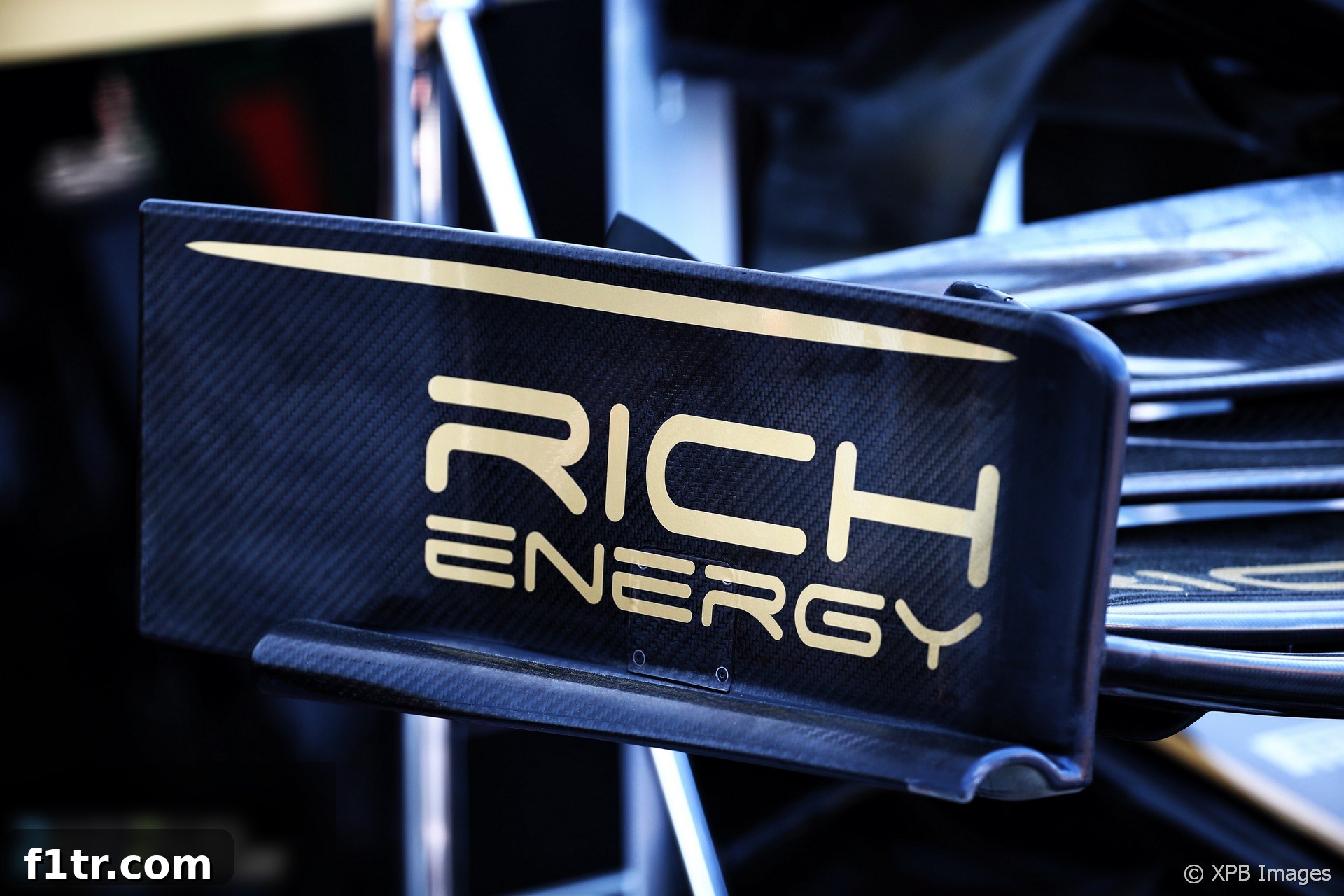
In a dramatic turn of events that sent ripples through the Formula 1 paddock, Rich Energy, the title sponsor for Haas F1 Team, announced an abrupt termination of its sponsorship agreement. This startling declaration came after just nine races into the 2019 season, igniting considerable speculation and debate across the motorsport world. The energy drink brand cited a perceived lack of performance from the American outfit as the primary reason for pulling out, a move that is highly unusual for a major sponsor in top-tier motorsport.
The controversy surrounding Rich Energy and its involvement with Haas had been brewing for some time, marked by a series of unconventional pronouncements and legal skirmishes. The brand, known for its bold marketing claims and competitive aspirations, publicly accused the Haas team of under-performing, a stark criticism delivered via its social media channels. This public dressing-down highlighted the often-tense relationship between high-stakes sports sponsorships and the demanding expectations of corporate partners.
“Today Rich Energy terminated our contract with Haas F1 Team for poor performance,” the company declared on social media on Wednesday. The statement continued with an even more pointed critique: “We aim to beat Red Bull Racing and being behind Williams Racing in Austria is unacceptable.” This specific reference to the Austrian Grand Prix results underscored Rich Energy’s lofty ambitions, which seemed to clash directly with the realities of Haas’s competitive standing in the highly competitive F1 grid.
Indeed, the Austrian Grand Prix proved to be a particularly challenging weekend for the Haas F1 Team. The highest-placed Haas driver in the race was Romain Grosjean, who managed to finish 16th. While this might appear respectable to a casual observer, Rich Energy’s expectations were clearly set much higher. Grosjean’s finish put him only two places ahead of George Russell, the leading driver for the struggling Williams team, who finished 18th. Grosjean’s teammate, Kevin Magnussen, endured an even tougher race, coming in 19th, ahead of only Robert Kubica in the other Williams car. For a title sponsor that openly declared its intent to challenge established giants like Red Bull, these results were evidently deemed a significant failure.
Beyond performance metrics, Rich Energy also attributed its decision to what it described as the prevailing atmosphere within Formula 1. “The politics and PC [politically correct] attitude in F1 is also inhibiting our business,” the company added in its statement, concluding with a somewhat detached “We wish the team well.” This cryptic comment sparked further speculation, with many wondering what specific “politics” or “PC attitude” the energy drink brand was referring to. It could potentially allude to F1’s increasing focus on sustainability, its efforts to broaden its appeal, or perhaps the stricter regulations and media guidelines governing team and sponsor conduct. Regardless of the exact interpretation, it painted a picture of a sponsor feeling disconnected from the sport’s evolving ethos.
As of the immediate aftermath of the announcement, neither Rich Energy nor the Haas F1 Team released any further detailed information, leaving many questions unanswered about the specifics of the contract termination and its immediate financial and operational implications for the team. The silence from Haas, in particular, was conspicuous, suggesting either an attempt to manage the crisis internally or perhaps a sign of ongoing discussions behind closed doors.
The saga of Rich Energy’s involvement with Haas had been colorful from its inception. Since becoming Haas’s title sponsor, Rich Energy consistently attracted attention through a series of highly provocative social media posts. Many of these posts were overtly confrontational, frequently targeting rival energy drinks brand Red Bull, whose own F1 team is a dominant force in the sport. This aggressive marketing approach, while certainly generating buzz, also contributed to an image of the brand as unconventional and, at times, controversial. Their ambitious pre-season claims of beating Red Bull, a team with multiple world championships and significantly larger resources, now seemed even more audacious in retrospect, given Haas’s actual performance.
However, the brand’s troubles extended far beyond mere social media bluster and performance-related complaints. In May of the same year, Rich Energy faced a significant legal setback, losing a high-profile court case brought by ATB Sales, the owners of the esteemed Whyte Bike brand. ATB Sales successfully argued that Rich Energy’s distinctive stag logo infringed upon their existing copyright. This legal battle culminated in a ruling that mandated the immediate removal of the contested stag design from all Haas F1 branding, a highly visible and embarrassing requirement for a brand so focused on its image.
The legal woes continued for Rich Energy. The company was subsequently refused permission to appeal the court’s decision, solidifying the initial ruling. This meant they were legally bound to remove all infringing copyrighted marks from their products and marketing materials and, crucially, to pay damages to ATB Sales. Perhaps even more damagingly from a business perspective, Rich Energy was also ordered to reveal sensitive details about its business operations, including the specifics of its sponsorship arrangement with Haas. This level of financial and operational transparency is rarely desired by private companies, particularly those operating in competitive markets like energy drinks and high-profile sports sponsorships. This legal entanglement cast a long shadow over Rich Energy’s financial stability and its ability to sustain such a costly venture as a Formula 1 title sponsorship.
The abrupt departure of Rich Energy left the Haas F1 Team in a precarious position, facing the immediate challenge of operating without a title sponsor and the significant financial contribution that comes with it. Formula 1 is an incredibly expensive sport, and title sponsorships are vital for smaller, independent teams like Haas to remain competitive and financially viable. The timing of the termination, mid-season, exacerbated the challenge, as finding a replacement sponsor with sufficient funds and a willingness to commit at short notice is an arduous task. This situation undoubtedly created significant financial pressure and uncertainty for the team’s future prospects in the ongoing 2019 season and beyond.
Ultimately, the Rich Energy-Haas partnership serves as a cautionary tale in the high-stakes world of Formula 1 sponsorships. It highlighted the importance of aligning expectations between sponsors and teams, the potential pitfalls of aggressive marketing tactics, and the far-reaching consequences of legal battles over intellectual property. For Haas, the focus immediately shifted to mitigating the damage and securing its financial future. For Rich Energy, its brief, tumultuous foray into Formula 1 left behind a legacy of controversy and unanswered questions about its long-term strategy and viability.
2019 F1 season
- Crying in the Melbourne car park at 2019 grand prix was my career low – Ocon
- McLaren Racing reports reduced £71 million loss in 2019
- Kvyat: Hockenheim podium last year was “my biggest achievement” so far
- How the FIA’s new encrypted fuel flow meter targets Ferrari’s suspected ‘aliasing’ trick
- “He smashed my office door”: 23 must-see moments from ‘Drive to Survive’ season two
Browse all 2019 F1 season articles