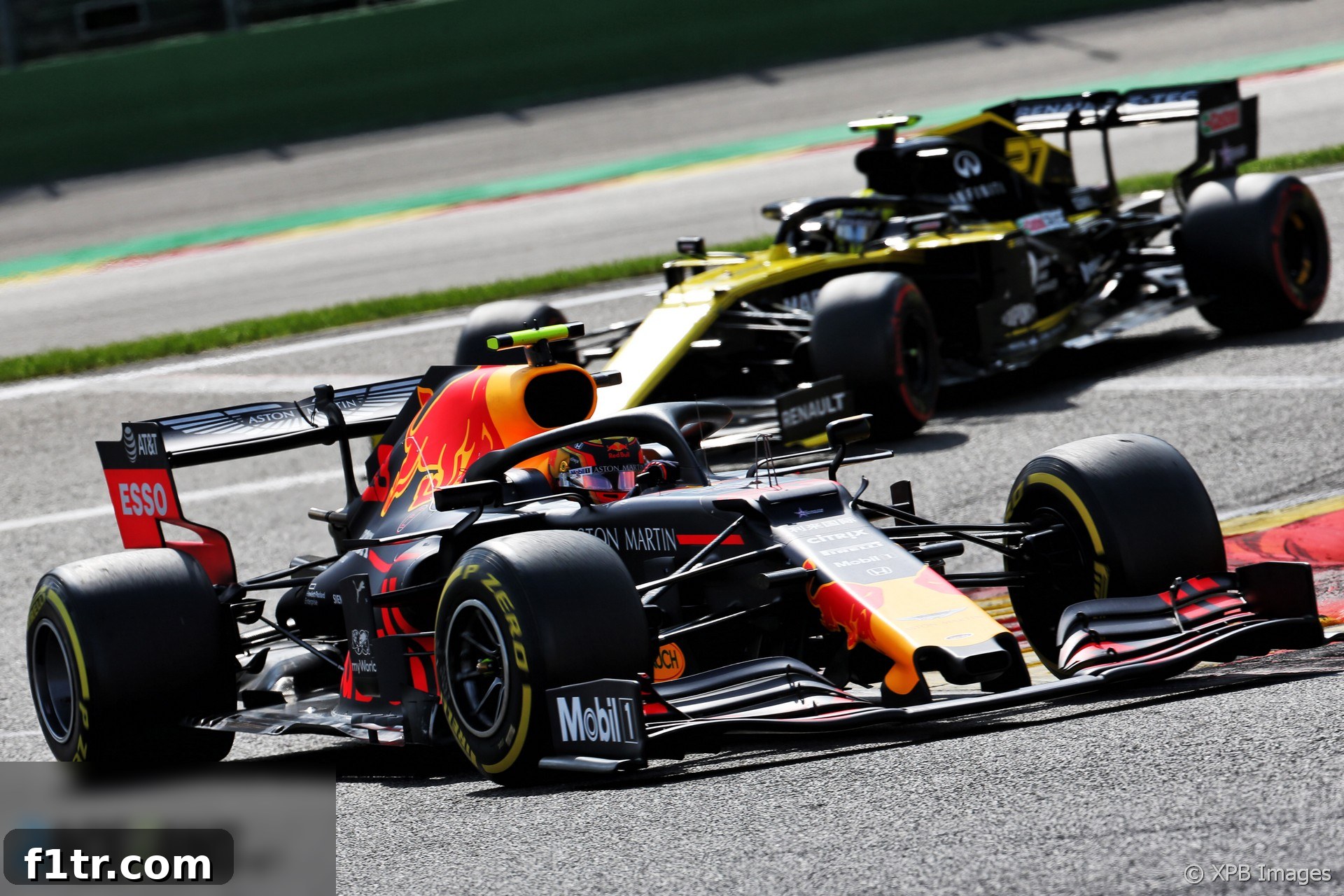
In a comprehensive round-up of the latest developments and insights from the world of motorsport, we explore Alexander Albon’s impactful debut for Red Bull Racing, significant discussions within the racing community, and crucial regulatory updates shaping the future of the sport. Albon, stepping into one of Formula 1’s most coveted seats, delivered a commendable performance by securing a fifth-place finish, signaling his immediate potential while candidly acknowledging the necessary adaptation period to fully master his new machinery.
Alexander Albon’s Red Bull Debut: A Promising Start with Room for Growth
Alexander Albon, reflecting on his inaugural competitive outing with Red Bull Racing, expressed a measured satisfaction with his fifth-place finish. This strong result, achieved in his very first race for the senior team, showcased his talent and ability to quickly integrate into a high-pressure environment. However, ever the perfectionist, Albon was quick to pinpoint areas where further refinement and a deeper understanding of the car are paramount:
“To be honest, there are still definitely aspects of the car and the driving experience that I haven’t fully grown comfortable with yet. It’s not that it feels inherently wrong or truly uncomfortable, but rather that it’s a profoundly different machine from what I’m accustomed to. It’s essentially a process of ‘rewiring’ my entire driving style, adjusting away from the specific characteristics of the Toro Rosso car, and deeply internalizing the unique tricks and subtle quirks that define the Red Bull chassis.
This comprehensive adaptation naturally requires a bit of time and dedicated effort. Initially, every professional racing driver possesses the fundamental skill to pilot a Formula 1 car to a good, respectable level. The true art, however, and the critical quest for those precious extra tenths of a second, demands an intricate and intuitive understanding of the car’s nuances. This isn’t just about pure driving technique; it extends crucially to the setup parameters and how to extract maximum performance through meticulous engineering adjustments. It’s a holistic learning curve that involves both driver input and mechanical harmony.”
Albon’s comments offer a fascinating glimpse into the formidable challenge faced by a driver making a mid-season switch to a top-tier team. While both Toro Rosso and Red Bull fall under the same ownership, their respective chassis philosophies, aerodynamic packages, and operational methods possess distinct characteristics. For a driver like Albon, who was performing admirably at Toro Rosso, transitioning to a car with different weight distribution, suspension kinematics, and aerodynamic balance necessitates a complete recalibration of muscle memory and sensory feedback. His ability to finish fifth, despite this ongoing adaptation, speaks volumes about his inherent talent and resilience. This period of learning is critical not only for optimizing his personal driving style but also for providing the precise, actionable feedback engineers require to fine-tune the car’s setup, ultimately unlocking its full championship-contending potential. It underscores that even for the most gifted drivers, the journey to complete synergy with a new high-performance machine is a continuous evolution.
Quotes courtesy of Dieter Rencken
Advert | Become a RaceFans supporter andgo ad-free
Social Media Pulse: Voices from the Global Motorsport Community
In an age where social media platforms serve as immediate conduits for expression, the motorsport community actively shares its triumphs, frustrations, and poignant tributes. Here’s a selection of notable posts from Twitter, offering a candid snapshot of recent sentiments and significant moments:
I’m disappointed in myself for the first corner incident, and sorry to those who’s races it affected. The last 2 years have been certainly “trying” and that came to a head today. Contrary to every twitter troll on the planets claims, I certainly never intend to do that.
— Graham Rahal (@GrahamRahal) September 1, 2019
IndyCar veteran Graham Rahal’s heartfelt tweet following an on-track incident resonated deeply with fans and fellow competitors alike. His immediate expression of disappointment in himself and his apology to those whose races were impacted highlights the profound sense of responsibility drivers feel. Racing at the pinnacle of motorsport demands aggressive maneuvering, yet drivers constantly walk a tightrope between competitive instinct and avoiding collisions. Rahal’s reference to the “trying” last two years underscores the mental and emotional toll a challenging period can take on an athlete. Furthermore, his direct address to “twitter trolls” sheds light on the often-harsh scrutiny and unfounded accusations faced by public figures in the digital age. This post serves as a powerful reminder of the human element behind the helmet, showcasing a driver’s vulnerability and genuine commitment to fair play, even amidst intense competitive pressure and public judgment.
All the people part of Greg Moore’s final race who are at this tribute event 20 years later pic.twitter.com/3jAXZkCTtv
— Jenna Fryer (@JennaFryer) September 2, 2019
Associated Press motorsports reporter Jenna Fryer shared a truly moving moment, capturing a gathering of individuals who were intimately involved in the final race of the revered Canadian open-wheel star, Greg Moore, twenty years prior. Moore, an immensely talented and charismatic driver, tragically lost his life in a crash during the 1999 CART season finale, leaving an indelible mark on the sport. Such tribute events are incredibly vital for the motorsport community. They provide a space for collective remembrance, to honor the legacies of those who have made significant contributions, and to acknowledge the sacrifices inherent in racing. By bringing together those who shared a personal or professional connection with Moore, this gathering served as a powerful testament to his enduring impact, ensuring that his memory and achievements continue to inspire and remind us of the sport’s rich, albeit sometimes tragic, history. It’s a poignant demonstration of how motorsport heroes continue to live on in the hearts and minds of those they touched.
- Discover more official F1 accounts to follow in the F1 Twitter Directory
Key Motorsport News and Developments: Beyond the Track
Delve deeper into the latest headlines shaping the motorsport landscape with these essential links, offering insights into team strategies, driver movements, evolving regulations, and the ever-present discussion around safety:
Advert | Become a Supporter & go ad-free
Racing Point’s Vision: A New State-of-the-Art Factory on the Horizon (Racing Point)
Racing Point’s Team Principal, Otmar Szafnauer, shed light on the team’s ambitious plans for infrastructural development and long-term growth, which notably includes the construction of a cutting-edge new factory. Szafnauer stated, “The plan is to actually move into the new factory in the break of 2021. So, although that won’t come to fruition for another 18 months or so, those plans are happening today.” This significant investment underscores Racing Point’s unwavering commitment to Formula 1 and their aspirations to escalate their competitive standing on the grid. A modern, purpose-built facility is far more than just a building; it serves as a crucial hub for advanced innovation, intricate design work, and efficient manufacturing, all of which are indispensable for developing competitive F1 machinery and attracting top-tier engineering talent. This strategic move is designed to future-proof the team, significantly enhancing its capabilities and operational efficiency in an increasingly demanding and technologically advanced environment like Formula 1.
James Hinchcliffe Confirmed to Stay with Arrow McLaren SP for 2020 (Motorsport)
In the dynamic and competitive landscape of IndyCar, driver continuity is often a foundational element for a team’s sustained performance and success. Recent confirmation brought clarity to the future of popular driver James Hinchcliffe, who is set to continue his partnership with Arrow McLaren SP for the 2020 season, effectively quashing earlier speculation regarding his position. A spokesperson for the team commented, “We’re very pleased James is staying, absolutely, although I’m not sure why there was all that speculation. I mean, yes, it was unfortunate that we had to change engine supplier – unfortunate for us, unfortunate for him – but we had to make a change in order to join forces with McLaren, and the pros far exceeded the cons there.” This announcement not only signifies stability for the team but also highlights the intricate web of team partnerships, engine supplier transitions, and complex driver contracts that are commonplace in elite-level motorsport. Hinchcliffe’s continued presence provides a consistent benchmark and valuable experience for Arrow McLaren SP as McLaren further integrates its operations into the IndyCar series, with an eye towards achieving stronger performances and ultimately contending for championships.
FIA Explores Potential ‘Punishment’ for Causing Red Flags in 2019-20 (e-racing365)
The FIA, as motorsport’s principal governing body, maintains a continuous process of evaluating and refining regulations with the dual objectives of enhancing safety and ensuring the integrity of competition. Significant discussions are currently underway concerning a prospective new rule specifically targeting incidents that necessitate a red flag, particularly within the innovative realm of Formula E. A representative from the FIA noted, “We’ve got one going through the system that if somebody actually causes a red flag, they may not be able to participate after that, or receive some sort of severe penalty for causing the red flag.” This proposed regulatory amendment is designed to instill a greater sense of responsibility among drivers, aiming to deter reckless actions that could prematurely halt a session, disrupt the critical flow of racing, and potentially create hazardous conditions for track marshals and fellow competitors. It exemplifies a proactive and forward-thinking approach to driver conduct and effective track management, underscoring the paramount importance of racers upholding sporting integrity and minimizing avoidable interruptions.
Sir Jackie Stewart Issues Stark ‘Wake-Up Call’ Warning Following Tragic Death of Anthoine Hubert (The Sun)
The global motorsport community was profoundly shaken by the tragic passing of highly promising Formula 2 driver Anthoine Hubert at the iconic Spa-Francorchamps circuit. This devastating event served as a stark, painful reminder of the inherent dangers that remain at the core of competitive racing. In the wake of this profound loss, three-time Formula 1 world champion Sir Jackie Stewart, a lifelong and vocal advocate for enhanced safety in motorsport, issued a grave and impassioned warning. Stewart unequivocally stated, “In my view, there have been far too many incidents over the last 24 or 36 months because there has never been a penalty to the extent we saw this weekend.” His pointed comments reignited a critical, ongoing discussion within the sport concerning driver aggression, track design philosophies, and the imperative for continuous, innovative safety advancements. Stewart’s fervent advocacy for safety dates back to an era when driver fatalities were tragically far more common, and his voice carries immense moral authority in the relentless quest to make motorsport as safe as conceivably possible without diminishing its thrilling and competitive essence. Hubert’s untimely death serves as an undeniable “wake-up call,” compelling the sport to redouble its efforts in preventing any future tragedies and upholding the highest possible standards of competitor protection.
We always endeavour to credit original sources. If you have a tip for a link to feature in the next RaceFans round-up, please send it in via the contact form.
Advert | Become a RaceFans supporter andgo ad-free
Fan Perspectives: Sportsmanship, Tragedy, and the Evolving Landscape of F1 Fandom
The passionate world of Formula 1 fandom often ignites spirited and insightful debates, a characteristic beautifully exemplified by a particularly thoughtful comment from Walter Bravenboer. His commentary addresses the controversy surrounding fan reactions to Lewis Hamilton’s crash during a final practice session, an incident that prompted widespread discussion about sportsmanship and the nuanced nature of fan loyalty:
Walter Bravenboer articulates with keen insight that while Lewis Hamilton’s objection to the cheering that followed his crash is entirely valid, the immediate, visceral response of a large crowd often inclines towards reacting to the perceived failure or misfortune of an opponent. This phenomenon is particularly amplified when a driver, such as Hamilton, has experienced a prolonged period of dominance, leading certain segments of the fanbase to, perhaps controversially, relish moments when he encounters setbacks. However, as a dedicated Dutch fan, a passionate supporter of Max Verstappen, and a general F1 enthusiast, Walter expressed a genuine sense of embarrassment regarding the conduct displayed by some ‘orange fans.’ He noted that such behavior is more commonly associated with the tribalism of football culture and feels incongruous within the traditionally more respectful atmosphere of the F1 paddock.
He further elaborated on the complexities of the contemporary social media landscape, describing how some fervent fan groups exhibit unwavering, almost unquestioning, support for Max Verstappen, seldom attributing fault to him for any on-track incident. Yet, Walter judiciously points out the existence of a vast number of genuine fans who possess the critical objectivity to acknowledge failures and, crucially, can appreciate a thrilling and well-contested race irrespective of their preferred driver’s specific performance. The recent race at Spa-Francorchamps, which delivered a compelling spectacle and culminated in a truly deserving winner, served as a poignant backdrop for these broader discussions. The tragic events of that weekend, implicitly referencing the devastating loss of Anthoine Hubert, underscored a somber and undeniable truth: there is an immense and profound cost associated with motorsport. Hamilton’s subsequent comments, in turn, served as a powerful and timely reminder of the immense privilege we now hold, living in an era where severe accidents are, thankfully, the exception rather than the norm – a stark and comforting contrast to the frequently horrific incidents witnessed throughout the 1970s.
Walter also acknowledged that while the invigorating influx of new fans is undeniably fantastic for injecting fresh energy into the atmosphere of the sport, it concurrently highlights a perpetual and often challenging divide between ‘personal’ fans (those whose primary allegiance lies with a specific driver) and ‘general’ fans (those who appreciate the sport as a holistic spectacle). He admits to cringing at the harsh, sometimes vitriolic, remarks frequently directed at Max on various social media platforms, recognizing this as a pervasive symptom of the current digital age where the ‘limiter’ or filter between impulsive thought and public expression often seems notably absent. Despite not identifying as a staunch Hamilton fan, Walter expressed deep admiration and profound respect for his undeniable talents, unequivocally acknowledging his rightful and deserved place in the sport’s global spotlight. He concluded his insightful commentary by reflecting on the weekend’s terrible tragedy, which for many newer fans, was their very first direct encounter with the ultimate, irreversible price racers can sometimes pay. Simultaneously, the very same weekend also bravely showcased a remarkably brave young man, a formidable talent, and a future champion claiming his maiden victory. Walter’s enduring hope is that all these great and immensely promising young talents will continue to shine brightly in the motorsport spotlight, serving as a constant reminder of both the inherent fragility and the exhilarating human spirit that so uniquely define the world of Formula 1.
This profoundly insightful commentary from Walter Bravenboer offers a multifaceted and nuanced perspective on contemporary Formula 1 fandom. It skillfully navigates the intricate complexities of competitive passion, the deep emotional impact of tragedy on collective perception, and the continuously evolving etiquette within a truly global sporting community. His words resonate as a compelling call for greater sportsmanship, enhanced empathy, and thoughtful consideration, both at the race track and across all digital platforms. Ultimately, this ensures that the thrilling spectacle of the sport is always balanced with an unwavering respect for its dedicated participants and a sober understanding of its inherent, often unforgiving, risks.
Celebrating Milestones: Happy Birthday!
A very happy birthday goes out to Tim C! We sincerely hope you have a fantastic day filled with joy, celebration, and perhaps even a touch of motorsport-inspired excitement. Your continued support of RaceFans is tremendously appreciated by the entire team and our community.
If you wish to receive a personalized birthday shout-out in our future round-ups, please don’t hesitate to inform us when yours is via the contact form or by simply adding your name to our special list here. We look forward to celebrating with you!
On This Day in Formula 1 History
- Exactly ten years ago today, on September 3rd, a significant driver announcement was made in the world of Formula 1. The legendary Scuderia Ferrari officially confirmed that seasoned Italian veteran Giancarlo Fisichella would take over from Luca Badoer as a substitute for the injured Felipe Massa for the remaining races of the Formula 1 season. This highly anticipated move came in the wake of Massa’s serious accident at the Hungarian Grand Prix, which had initially seen Badoer step into the cockpit temporarily. However, Fisichella’s proven experience and consistent performances ultimately led to his unexpected, yet prestigious, call-up to drive for the iconic Italian team. This decision marked a notable chapter in both drivers’ careers and in Ferrari’s ongoing championship campaign.