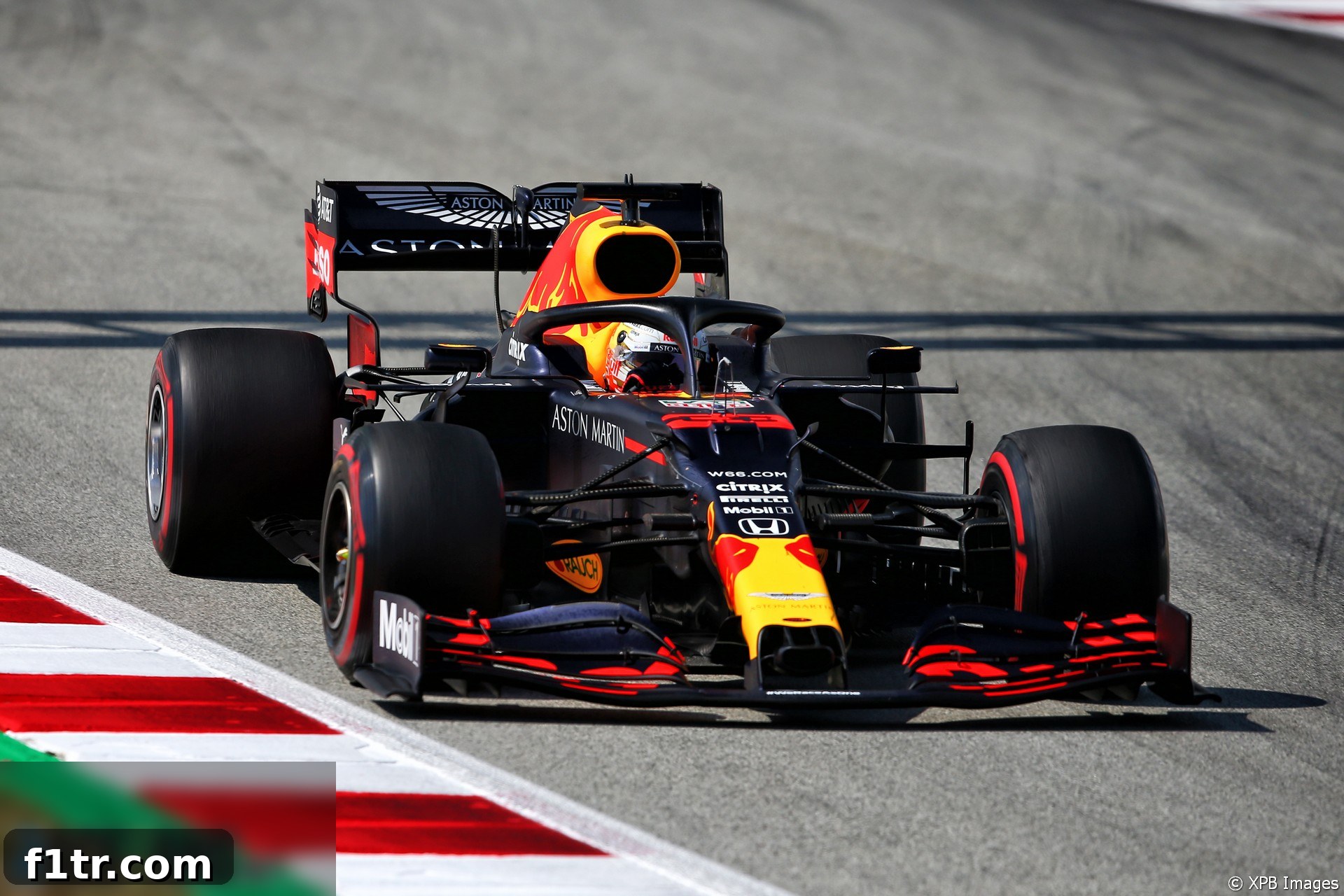
In a momentous declaration that reverberated throughout the world of motorsport, Honda has confirmed its imminent departure from Formula 1 at the conclusion of the 2021 season. Despite this significant decision, the Japanese automotive giant has unequivocally stated its unwavering commitment to fiercely compete for the championship title in its final year. This bold pledge includes the development and introduction of a brand-new, cutting-edge engine specifically engineered to propel its partner team, Red Bull Racing, to the pinnacle of Formula 1 success before bowing out of the sport.
Advert | Become a Supporter & go ad-free
The announcement, made by Honda CEO Takahiro Hachigo, underscores a paradoxical blend of strategic foresight and sporting ambition. While the company cited a crucial pivot towards carbon neutrality and the accelerated development of future mobility technologies as the primary drivers for its withdrawal, Hachigo emphatically assured fans and stakeholders that the pursuit of victory would not be abandoned in the interim. This commitment to the 2021 season, armed with a new power unit, signifies Honda’s determination to conclude its latest F1 chapter on the highest possible note.
During a press conference held by Honda, CEO Hachigo elaborated on the company’s immediate objectives. “We still have seven races to go this season and next year we have another season,” he stated, his words reflecting a steely resolve. “And then we’ll do our very best to try to win. For next year, we will launch our new power unit so that together with Red Bull, we are going to aim for the season championship.” This statement is not merely a corporate platitude; it represents a significant investment of resources and engineering talent into a program that will soon cease to exist, highlighting the immense pride and competitive spirit ingrained within Honda’s DNA.
Honda’s journey back to Formula 1 in 2015, following a seven-year hiatus, was met with immense anticipation and high expectations. Initially forging a partnership with the McLaren team, a legendary alliance that had once dominated the sport, the reunion was unfortunately plagued by persistent performance issues and reliability concerns. The initial three years of this collaboration were arduous, marked by public frustrations and a significant struggle to match the pace of their competitors. The “GP2 engine” moniker, famously coined by Fernando Alonso, encapsulated the depth of their technical challenges and the stark contrast to their glorious past. Despite relentless effort from both sides, the partnership ultimately proved unsustainable, leading to their mutual separation at the end of the 2017 season.
Reflecting on these challenging beginnings, Hachigo acknowledged the difficulties but also highlighted the progress made since. “The initial three years we have struggled very much,” he admitted, “but we overcame that and so far we have been able to claim five victories. So to some extent, I think we left a good track record with our wins.” Indeed, the subsequent partnership with Red Bull’s junior team, Toro Rosso (now AlphaTauri), in 2018, and then Red Bull Racing from 2019, marked a significant turnaround. This collaboration yielded a steady improvement in performance, culminating in multiple race victories and a renewed sense of competitiveness, proving Honda’s capability to develop a winning engine.
The commitment to a new power unit for 2021, despite the impending exit, is a testament to Honda’s sporting integrity and its profound respect for the competitive ethos of Formula 1. Developing a new engine is an incredibly complex, time-consuming, and resource-intensive endeavor, typically planned years in advance. For Honda to push forward with this development, knowing they will only utilize it for a single season, demonstrates an extraordinary dedication to their current partners, Red Bull Racing and AlphaTauri, and a desire to leave the sport having achieved their ultimate objective. This final technological push could provide Red Bull with the vital edge needed to challenge Mercedes-AMG Petronas F1 Team, who have dominated the turbo-hybrid era, for the Constructors’ and Drivers’ Championships.
The decision to withdraw from Formula 1 was not taken lightly and involved extensive internal deliberations. Honda first communicated its preliminary thoughts to Red Bull Racing in August, indicating that they were considering not extending their contract beyond the end of 2021. Hachigo confirmed this timeline: “We have been thinking a lot of things over in our minds. In August we communicated our thoughts to Red Bull Racing and we determined to conclude participation at the end of September.” This period of notification allowed Red Bull some time to begin contemplating their future engine supply strategy, though the official public announcement still came as a significant shock to the F1 community.
Honda’s official reasoning for its withdrawal centers on the strategic redirection of its corporate resources. The company emphasized its ambitious goals towards achieving carbon neutrality by 2050 across all its operations. This overarching objective necessitates a substantial investment in research and development for future power unit technologies, including fuel cell vehicles (FCV) and battery electric vehicles (BEV). The intensely competitive and financially demanding nature of Formula 1, while providing an invaluable platform for technological development and brand exposure, ultimately clashed with Honda’s broader long-term corporate vision. The resources previously allocated to F1 will now be channeled into these crucial environmental initiatives, reflecting a global automotive industry trend towards sustainable mobility solutions.
Advert | Become a RaceFans supporter andgo ad-free
The implications of Honda’s departure for Red Bull Racing are profound and far-reaching. The team now faces the daunting task of securing a new engine supplier for the 2022 season and beyond, a decision that will critically impact their competitive standing. With only Mercedes, Ferrari, and Renault remaining as independent power unit manufacturers in F1, Red Bull’s options are somewhat limited. Re-establishing a partnership with Renault, with whom they won four consecutive championships between 2010 and 2013, remains a possibility, though their previous relationship ended acrimoniously. Other scenarios, such as developing their own engine facility or exploring partnerships with new entrants, present significant logistical and financial hurdles. The performance of their chosen engine will be paramount to retaining their star driver, Max Verstappen, and maintaining their status as a front-running team.
Honda’s legacy in Formula 1 is rich and multifaceted, encompassing periods of dominant success, challenging struggles, and triumphant comebacks. From their early endeavors as a constructor in the 1960s to their formidable engine supply partnerships with Williams and McLaren in the 1980s and early 90s, Honda has left an indelible mark on the sport. Their most recent chapter, despite its rocky start, showcased incredible resilience and engineering prowess, culminating in crucial victories that reinvigorated their F1 program. As they prepare for their final season, the focus remains firmly on capitalizing on every opportunity to add to their win tally and clinch the coveted championship. The promise of a new power unit for 2021 is a powerful symbol of this enduring commitment, ensuring that Honda will exit Formula 1 not with a whimper, but with the roar of a potent, championship-contending engine.
Exploring the 2020 F1 Season & Beyond
The 2020 Formula 1 season, heavily impacted by global events, provided a backdrop of intense competition and evolving narratives, setting the stage for the dramatic announcements surrounding the sport’s future, including Honda’s exit. As the F1 world looks towards 2021 and beyond, discussions around driver contracts, team strategies, and financial implications continue to dominate headlines. Below are some relevant articles that shed light on key moments and developments from the recent past and future outlooks:
- Grosjean to make F1 test return tomorrow for first time since Bahrain horror crash
- Pictures: Wrecked chassis from Grosjean’s Bahrain fireball crash to go on display
- Bottas vs Rosberg: Hamilton’s Mercedes team mates compared after 78 races each
- F1 revenues fell by $877 million in Covid-struck 2020 season
- Hamilton and Mercedes finally announce new deal for 2021 season
Browse all 2020 F1 season articles