Williams F1’s Crucial 2018: Paddy Lowe Secure as Claire Williams Signals “Hard Decisions”
The 2018 Formula 1 season presented an arduous challenge for the storied Williams Racing team, a period marred by profound underperformance and increasing scrutiny. As the iconic British constructor grappled with a dire start, having secured points in only one of the first ten races, Chief Technical Officer Paddy Lowe publicly affirmed his confidence in his position. His statements came even as Deputy Team Principal Claire Williams underscored the necessity of making “hard decisions” to navigate the team through its significant struggles. This public discourse highlighted the contrasting perspectives and the immense pressure bearing down on one of Formula 1’s most revered independent outfits.
Williams’ predicament was not merely a fleeting setback; it stemmed from deep-seated fundamental aerodynamic problems inherent in their FW41 chassis. The car consistently exhibited a severe lack of pace, balance, and the critical ability to extract performance across varying circuit conditions. This left drivers Lance Stroll and Sergey Sirotkin battling resolutely at the tail end of the grid, a stark and disheartening reality for a team with such a rich winning heritage. In response to this stark decline, an urgent and comprehensive internal review was initiated by the team’s leadership, aiming to meticulously diagnose the systemic issues contributing to their visible downturn.
Claire Williams on the Path Forward: A Call for Strategic Change
Bearing the immense weight of the family name and the significant responsibility of leading the team, Claire Williams articulated the challenges with unwavering honesty and directness. Speaking candidly ahead of the British Grand Prix, she emphasized the imperative for substantial organizational change: “In order to effect change, you need to make changes, and you need to make some hard decisions.” Her comments, while firm and resolute, also conveyed a considered and deliberate approach, stressing the paramount importance of thorough evaluation over any hasty reactions.
“We’re going through that process at the moment, but it’s not a case of rushing into it,” Williams cautioned. “Sometimes when you rush in, you can make decisions you don’t want to make and end up regretting those decisions.” This careful strategic consideration underscored the profound gravity of the situation and the potential long-term ramifications of any leadership decisions made. She further elaborated that a “full evaluation of our internal structures and processes” was actively underway, signaling a commitment to a comprehensive organizational overhaul rather than merely superficial adjustments.
Paddy Lowe’s Outlook: Security Amidst Technical Turmoil
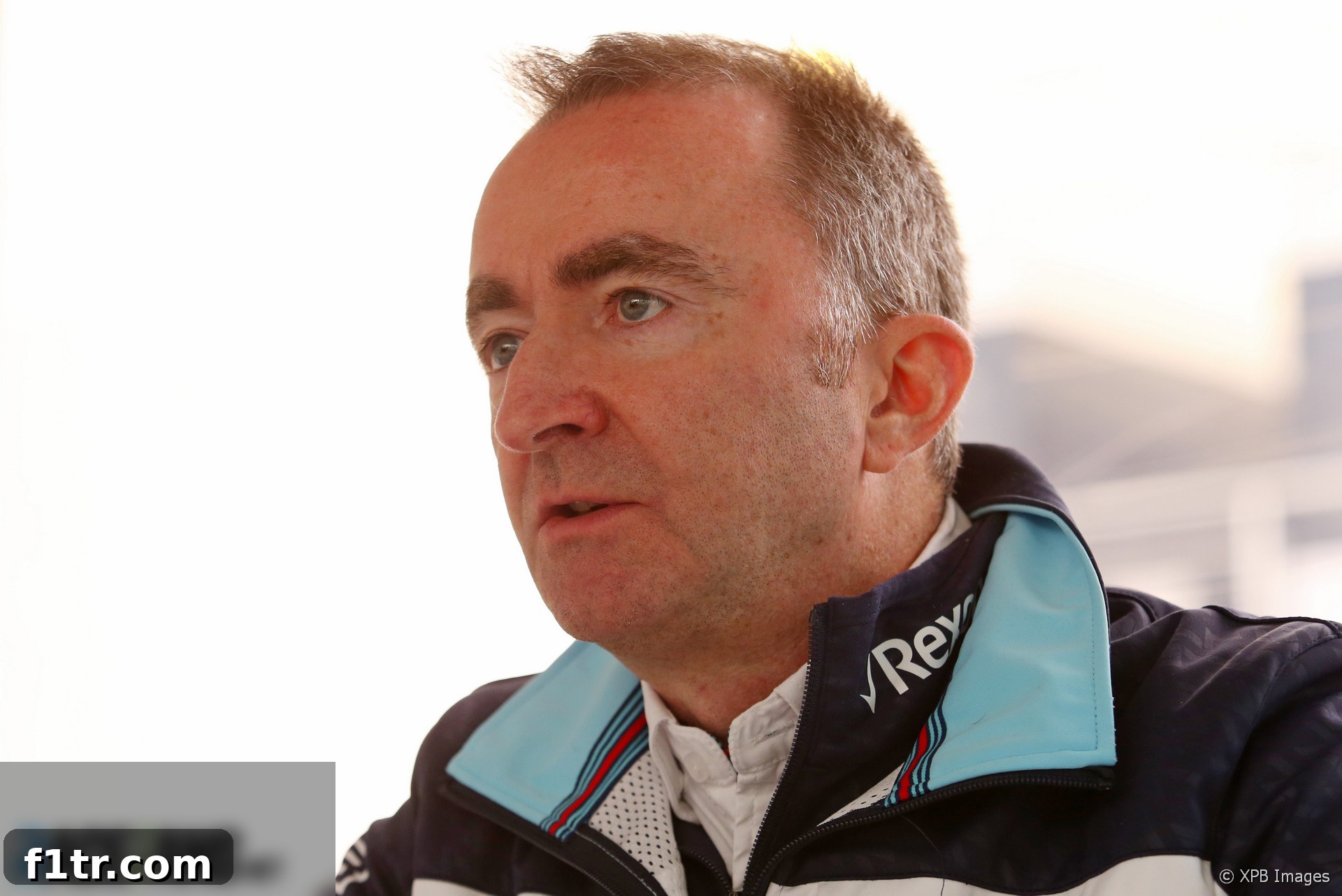
Paddy Lowe, a highly respected figure in Formula 1 engineering, had joined Williams from the then-dominant Mercedes-AMG Petronas F1 Team at the beginning of the 2017 season. His arrival as Chief Technical Officer was widely regarded as a significant coup, promising a fresh perspective, cutting-edge expertise, and a winning mentality from a championship-proven environment. When directly questioned by RaceFans about Claire Williams’ pointed remarks concerning “hard decisions,” Lowe maintained a noticeable sense of security and resolve regarding his own position.
“I will carry on working as hard as I can with full commitment,” he stated emphatically, projecting an image of unwavering dedication to the team’s recovery. He openly acknowledged the visible difficulties on track but simultaneously drew attention to the significant, albeit unseen, efforts being made behind the scenes: “We’ve got a lot of problems to solve. You don’t see it, but there is great progress being made behind the scenes.”
Lowe’s remarks painted a vivid picture of a team engaged in a relentless battle against the clock, a perennial struggle in the fast-paced, unforgiving world of Formula 1. “The trouble in Formula 1 is the races come quickly. When you’ve got problems to solve, you can never fix them quickly enough,” he explained. This poignant sentiment encapsulates the brutal reality of an F1 season, where the brief intervals between races offer precious little time for fundamental re-engineering or radical design changes. Despite the outward appearance of stagnation, Lowe insisted that substantive changes were already in motion: “We made a lot of changes already. There are great changes already in place and underway.” He broadened the scope of these extensive efforts beyond mere car design, explicitly highlighting the crucial human element and organizational dynamics at play: “It’s about people, it’s how they work together, it’s about the processes you use. It’s a wide-ranging subject.” This comprehensive outlook indicated a profound understanding that the team’s issues transcended simple technical specifications, delving into the very fabric of the team’s operational philosophy and collaborative culture.
Dissecting the FW41’s Aerodynamic Enigma
At the very heart of Williams’ profound 2018 woes lay the intricate and problematic FW41 chassis. The “fundamental aerodynamic problems” referred to a complex interplay of debilitating issues, most likely including a critical lack of consistent downforce, poor aerodynamic efficiency leading to excessive drag, and an inherently difficult-to-balance platform. Such widespread issues can originate from a multitude of factors within the highly sophisticated world of Formula 1 design: discrepancies or miscorrelation between CFD (Computational Fluid Dynamics) simulations and wind tunnel data versus the actual on-track performance, critical design flaws in key aerodynamic surfaces (such as wings, the floor, or bargeboards), or even fundamental architectural decisions made during the very early concept phase of the car’s development.
For a team like Williams, operating as an independent constructor without the vast financial resources of manufacturer-backed rivals, rectifying such deeply embedded problems mid-season presents an almost insurmountable challenge. It often necessitates significant redesigns and extensive testing, which are simply not feasible under the stringent F1 technical regulations and the relentless calendar. The profound impact on the team’s drivers is immediate and severe, significantly limiting their ability to confidently push the car to its absolute limits, eroding their confidence, and rendering the car’s basic handling unpredictable, particularly in challenging circuit conditions or high-speed corners. This technical shortfall translates directly into a lack of competitive performance, making any aspirations of scoring points a monumental task.
The Internal Review: Charting a Course for Recovery
The ongoing internal review, therefore, was far from a superficial exercise; it represented a critical, deep dive into every facet of the team’s engineering, production, and operational methodology. This rigorous process would meticulously scrutinize everything from the initial conceptualization and design philosophy of the FW41 to the precise execution of design principles, the manufacturing processes, the quality control measures, and even the vital communication pathways between various departments. Identifying precisely where the disconnect occurred – whether within the design philosophy, the simulation tools employed, or the workflow that translates theoretical ideas into tangible, physical components – was absolutely paramount to future success. Such a comprehensive review would naturally place considerable pressure on key personnel, especially those in leadership technical roles like Paddy Lowe, irrespective of his expressed sense of security.
The compelling narrative unfolding at Grove, Williams’ iconic headquarters, served as a microcosm of the profound challenges facing independent teams in the ultra-competitive landscape of modern Formula 1. Operating on a significantly smaller budget compared to industrial giants like Mercedes, Ferrari, or Red Bull, Williams has historically relied heavily on strategic innovation, astute engineering, and unparalleled operational efficiency. When a fundamental design concept goes awry, as it appeared to have catastrophically with the FW41, the consequences are far more severe and infinitely more difficult to recover from compared to wealthier outfits that can simply funnel vast resources at a problem until it dissipates. The immense pressure to make the right “hard decisions” was amplified by the team’s incredibly rich heritage and the fervent desire to restore its former glory. Claire Williams’ measured tone, though undeniably firm, reflected this delicate yet crucial balance – the urgent need for decisive action without inadvertently dismantling the very foundational principles and structures that have sustained the team for decades.
The Road Ahead for Williams Racing
Ultimately, the 2018 season became an intense crucible for Williams Racing, severely testing the resilience of its leadership, the ingenuity and dedication of its technical team, and the enduring patience of its loyal fanbase. Paddy Lowe’s unwavering commitment to “working as hard as I can with full commitment” and his assertion of “great progress being made behind the scenes” offered a vital glimmer of hope, suggesting that the team was actively engaged in battling its numerous demons and striving for improvement. However, the true measure of these extensive efforts would only become truly apparent in future seasons, as the tangible results of the internal review and the subsequent structural and technical changes began to bear demonstrable fruit on the fiercely competitive Formula 1 grid. The path back to genuine competitiveness for Williams was undoubtedly long and arduous, fraught with the constant need for exceptional strategic acumen, relentless innovation, and an unwavering collective effort.