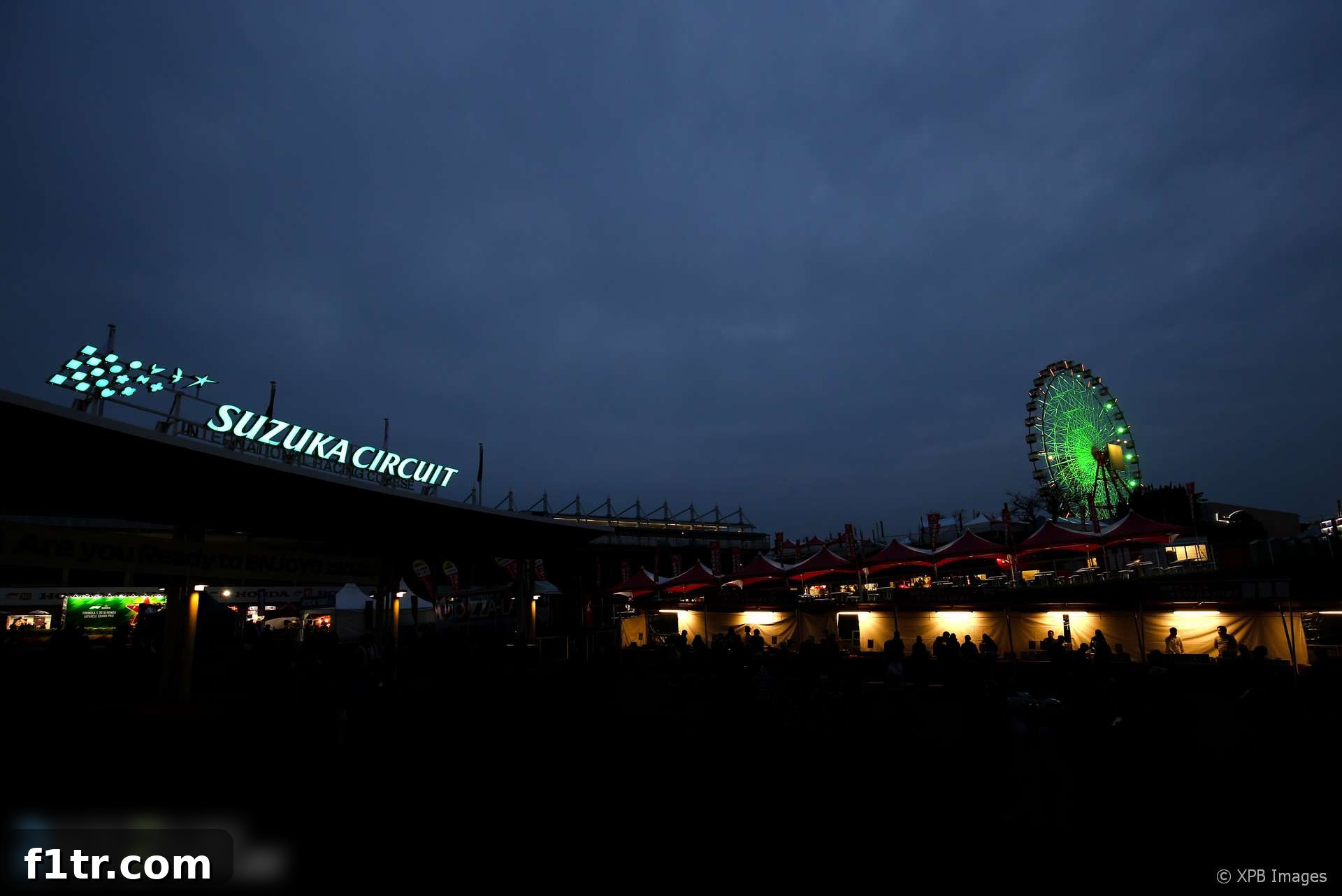
Paddock Diary: Unpacking the Japanese Grand Prix Experience at Suzuka
The Formula 1 calendar brings yet another demanding back-to-back race weekend, this time presenting a formidable challenge with a severe time zone shift. Join motorsport journalist @DieterRencken as he delivers the latest insights and anecdotes directly from the vibrant F1 paddock at the iconic Suzuka Circuit. This diary offers a candid glimpse into the relentless pace and unique experiences that define a Grand Prix weekend, particularly when transitioning from one continent to another with little respite.
The Journey Begins: Battling Jetlag and Time Zones
5 AM, Nagoya: A Rude Awakening to the Reality of F1 Travel
Advert | Become a Supporter & go ad-free
The dawn breaks not with gentle light, but with an acute sense of dehydration that jolts me awake. My initial instinct is to reach for a glass of water, reflecting on the arduous journey that led to this parched state: a staggering 26 hours spent in the unforgiving, arid embrace of air-conditioned environments. Eighteen of those hours were confined within aircraft cabins, five more navigating the sterile, yet bustling, airport lounges of Brussels and Dubai, and a final two-plus hours traversing Japan’s efficient railway network.
For a Formula 1 journalist, the Grand Prix weekend often commences long before the first official practice session. In this instance, my journey to the Japanese Grand Prix began at noon CET on Tuesday, when I departed my home. It wasn’t until 11 PM on Wednesday that I finally checked into my hotel in Japan. This meant being actively ‘on the go’ in some capacity for over 24 hours, managing a mere four hours of fragmented sleep – snatched during the Emirates flight from Dubai to Osaka. Such is the demanding reality of covering a truly global sport that spans continents and defies conventional timekeeping.
Following my arrival in Osaka, two subsequent train journeys seamlessly transported me to downtown Nagoya, depositing me a mere fifteen minutes from my hotel. The meticulous efficiency of Japan’s public transport system, a stark contrast to some other travel experiences, was truly impressive. En route, I found amusement in the detailed toilet usage instructions adorning the train carriages, a small cultural quirk that brought a smile to my face. This prompted a memory of Japan’s omnipresent sanitary ware manufacturer, Toto, whose products are as ubiquitous as they are thoughtfully designed, even down to the instructional labels.
My hotel room in Nagoya, while functional, epitomizes the typical compact efficiency expected by seasoned travellers in Japan. Measuring approximately 12 square yards, it efficiently houses a comfortable three-quarter bed, a small desk, and a single, pre-moulded plastic bathroom unit that cleverly integrates a splash bath/shower, a basin, and a toilet. The television offers strictly Japanese programming, and the single window provides an uninspiring view of a solid wall just a few meters away. All this, for the modest sum of £80 per night, a standard rate for convenient urban accommodation in this part of the world. After a few revitalizing gulps of water, I gratefully surrendered to the lure of dreamland, hoping for a deeper rest before the intense days ahead.
8 AM: Fueling Up for a Day at Suzuka
Awakened and refreshed, I commenced the day’s preparations before heading down for breakfast. My choice remained steadfast: a reliable assortment of fruit salad, scrambled eggs served on toast the size of a pocket wallet, a glass of invigorating orange juice, and a much-needed cup of coffee. While the hotel offered a range of local delicacies, my palate, still adjusting to the brutal time zone change, was not yet ready for the adventurous tastes of purple potato-flavored milk or savory sesame soup. Sticking to the tried and tested familiar fare felt like a safe and sensible decision to fuel the day ahead.
Following breakfast, the meticulous process of repacking began. My goal was to carry only the absolute essentials for the day’s journey to the circuit. The commute involved a brisk walk to the local train station, followed by a 45-minute train ride to Shiroko station, which serves as the closest transport hub to the legendary Suzuka Circuit. From Shiroko, a dedicated 20-minute shuttle trip completes the final leg to the circuit gates. In theory, this entire process should take approximately three hours, and true to Japan’s renowned efficiency, it proceeded without a hitch, a testament to the country’s logistical prowess. The anticipation of reaching the historic F1 venue grew with every passing kilometer.
Inside the Suzuka Paddock: Alliances, Journeys, and Accommodation Realities
11 AM, Suzuka: Paddock Encounters and Global Connections
As I step into the vibrant Suzuka paddock, my attention is immediately drawn to a peculiar sight: among the prominent Honda and other trackside hoardings, an unexpected billboard for Spa-Francorchamps stands out. A quick inquiry reveals a fascinating development: various traditional circuits, including iconic venues like Spa, Suzuka, and Silverstone – along with other legendary tracks whose names don’t necessarily begin with ‘S’ – have forged a strategic alliance. This cooperative initiative aims to address common issues facing Grand Prix venues today. It immediately sparks speculation: could this alliance extend to negotiating better terms for hosting fees with Formula 1’s commercial rights holder, Liberty Media, or perhaps collaborate on infrastructure development and fan engagement strategies? The implications for the future of classic Grand Prix circuits are significant, highlighting the increasing need for unity in a rapidly evolving motorsport landscape.
Settling into my designated media desk, I quickly reconnect with numerous colleagues, many of whom recount their own tortuous and often epic journeys to Japan following the preceding Russian Grand Prix. Some, like myself, opted for a brief overnight return home to reset, while others faced the daunting prospect of continuous travel, flying from Moscow onwards with various stopovers including Dubai, Abu Dhabi, Seoul, Tokyo, and Istanbul. To further complicate matters, the aftermath of a recent typhoon over Tokyo had severely disrupted air travel for many, creating additional delays and rerouted flights. The forecast of yet another potential twister later in the week added a layer of apprehension to an already demanding schedule, underscoring the unpredictable challenges faced by the F1 circus as it traverses the globe.
The choices for accommodation in and around Suzuka are as diverse as the international media contingent itself. Many, like me, opt to stay in the larger city of Nagoya, which offers a broader range of amenities and dining options. Others choose the nearby towns of Yokkaichi or Tsu, strategically located on opposite sides of Shiroko station, providing varying degrees of convenience and local experience. Then there are those who brave the media hotel in Shiroko itself – an option I’ve explored in previous years. While undeniably close to the circuit, these rooms are often even more compact than my Nagoya lodgings, yet come with a price tag that can be double. Each accommodation option presents its own set of pros and cons, from travel hassles to amenities and cost. Despite the daily commute, I consistently find myself gravitating towards the Nagoya option, preferring the comfort and wider selection of facilities it offers, even if it means sacrificing a little extra sleep for the privilege.
Paddock Insights: From Prize Money to Driver Psychology
12:15 PM: Unveiling Team Strategies and Philosophies
The interview trail officially commences, and first on my schedule is Guenther Steiner, the outspoken team principal of Haas F1. Our conversation quickly turns to the protracted prize money conundrum facing Force India, a topic that has generated considerable debate within the F1 paddock. Steiner confirms that significant progress has been made in resolving this complex financial issue, which has cast a shadow over the team’s future. However, ever the pragmatist, he politely declines to divulge specific details, stating only that a crucial meeting with Liberty Media is scheduled for the upcoming weekend. This ongoing situation underscores the delicate financial ecosystem of Formula 1, where equitable distribution of revenue is vital for the survival and competitiveness of smaller teams, impacting everything from development budgets to staff morale.
My next interaction is with Tomasso di Giovanni, the Director of Global Communications for Philip Morris, Ferrari’s long-standing primary sponsor. Our discussion centers around the recent unveiling of Ferrari’s striking new livery and the intriguing rationale behind their “Mission Winnow” campaign. Tomasso eloquently clarifies that the phrase is not to be misconstrued as “win-now,” but rather represents a profound philosophy. He explains that “winnow” is an ancient term, traditionally referring to the process of separating wheat from chaff – or, more broadly, discerning the essential from the inconsequential. In the context of Formula 1, this philosophy encourages constant innovation, pushing boundaries, and distilling core strengths to achieve excellence. It’s a compelling narrative for a sport that thrives on precision, refinement, and the relentless pursuit of marginal gains.
As a parting gesture, Tomasso graciously presents me with a small book containing some of Kimi Räikkönen’s unique philosophical musings. This gift feels particularly fitting, as if there is one individual in the high-stakes world of Formula 1 who embodies the art of “winnowing” – cutting through the noise to focus solely on what matters – it is undoubtedly the enigmatic Finn. This unexpected literary acquisition marks the second Kimi-themed book to cross my path within a single week, as I had already begun delving into a preview copy of his eagerly anticipated autobiography during my transatlantic flight. The latter, currently under embargo, promises to offer even deeper insights into the mind of F1’s most laconic yet beloved champion, and our review is eagerly awaited for publication later this month.
1:30 PM: A Driver’s Candid Confession and Paddock Banter
Following a satisfying lunch of a chicken cutlet bento box – a staple of the Japanese Grand Prix experience – it’s time for a more relaxed, sit-down conversation with Romain Grosjean. The Haas driver begins by revealing that he underwent a significant “mindset reset” after the Silverstone race, a period where his performance had been notably inconsistent. Initially, he hesitates to furnish specific details, perhaps guarding a vulnerability. To encourage him to open up, I employ a touch of journalistic prodding, combined with a familiar dose of paddock camaraderie. “Unless you tell us, Romain,” I begin, with a knowing smile, “we’ll think the worst – particularly with your reputation for dramatic moments…”
Cornered by the gentle provocation, and after a brief pause for dramatic effect, Grosjean responds with a half-grin, letting slip a playful yet emphatic, “Fuck off.” The ice is broken. He then proceeds to spill the beans, candidly relating how a heated start-line incident with his teammate Kevin Magnussen during a previous race served as a pivotal wake-up call. This moment of tension, he explains, forced him to re-evaluate his approach and mental state, ultimately leading to the much-needed reset. It’s a stark reminder of the intense pressures F1 drivers face, not just from competitors, but sometimes from within their own teams, and the constant battle to maintain psychological equilibrium.
Later in the day, I spot Romain again in the bustling paddock, deep in conversation with various team members. Seizing the opportunity, I approach him and, with a matching grin, playfully declare, “I’m here to fuck off.” He smiles, a flicker of recognition in his eyes, before admitting, “I’ve forgotten why I said it to you.” I promptly remind him of our earlier, candid exchange, and we share another hearty laugh. These moments of genuine, light-hearted banter are precious in a sport that can, all too often, succumb to an overwhelming sense of seriousness and high stakes. It’s these human interactions that truly animate the F1 paddock, revealing the personalities behind the helmets and the relentless competitive drive.
Advert | Become a RaceFans supporter andgo ad-free
Winding Down: The End of an Eventful F1 Thursday
7 PM: Sustenance and Solace in Nagoya
With the day’s interviews concluded and the crucial initial reporting filed, I embark on the reverse journey, heading for the shuttle back to Shiroko Station. From there, I catch the 8:01 PM train bound for Nagoya. The rhythm of the Japanese railway system is a comforting constant after the adrenaline of the paddock. En route, I make a quick stop at a local convenience store – a ubiquitous and incredibly well-stocked fixture of Japanese life – to pick up a simple yet satisfying bowl of tuna salad with sweet corn. It’s a no-frills meal, but after a day packed with travel, conversations, and mental exertion, it serves its purpose perfectly, providing the necessary sustenance without any fuss. Sometimes, simplicity is the greatest luxury.
11 PM: The Relentless Cycle of an F1 Season
After a quick dinner and meticulously sorting through my notes to compile this edition of the paddock diary, it’s finally time to embrace sleep. The physical and mental exhaustion of the day, coupled with the cumulative fatigue of back-to-back Grand Prix travel, weighs heavily. My biggest concern, as always during these demanding periods, is whether jetlag will permit me a peaceful night’s rest. My body clock, stubbornly clinging to European time, believes it’s only 4 PM, threatening to keep me wide awake while the rest of Japan slumbers. Such is the relentless, fascinating, and often sleep-deprived reality of life on the Formula 1 trail, a constant battle against time and distance for the love of the sport.
Advert | Become a RaceFans supporter andgo ad-free
Explore More from the 2018 Japanese Grand Prix
- 2018 Japanese Grand Prix team radio highlights
- 2018 Japanese Grand Prix Star Performers
- Mercedes take first back-to-back one-twos since 2016
- Top ten pictures from the 2018 Japanese Grand Prix
- Hamilton on cusp of fifth title as Vettel throws in the towel
Browse all 2018 Japanese Grand Prix articles