Formula E Embraces the Full Monaco Circuit: A Defining Moment for Electric Motorsport
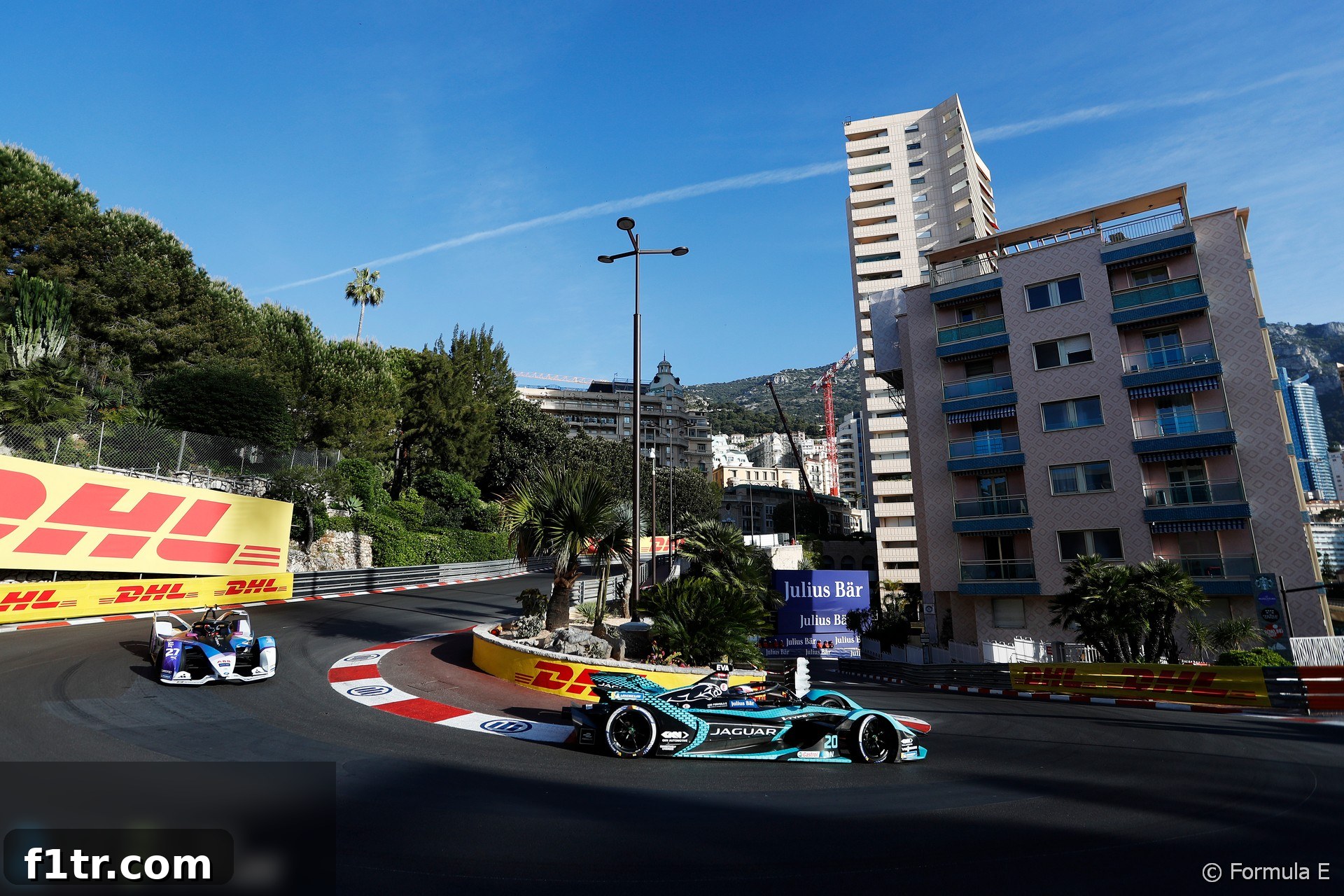
The streets of Monte Carlo are once again buzzing with the unique sound of electric racing, as Formula E returns to Monaco for its fourth championship appearance. However, this weekend marks a truly historic milestone: for the very first time, the pioneering electric single-seaters will unleash their full potential on the complete, legendary length of the Monte Carlo street circuit. This development signifies a major step forward for the series, shedding its past constraints and fully embracing one of motorsport’s most hallowed grounds.
Navigating the Iconic Streets: Subtle Adjustments for Electric Power
While Formula 1 cars have traditionally dominated the twisting tarmac of Monaco, Formula E’s arrival on the full circuit necessitated a few strategic modifications. Due to the significantly lower downforce levels generated by Formula E cars compared to their F1 counterparts, certain corners have been subtly re-profiled. Additionally, barriers have been adjusted in key areas to ensure optimal safety and racing lines for the electric machines. These careful tweaks ensure that while the layout remains largely familiar to fans of the sport, it is perfectly tailored to the unique characteristics of Formula E’s Gen2 cars. Drivers will now navigate every iconic section, including the challenging uphill climb to Casino Square, the famous Mirabeau hairpin, and of course, the electrifying rush through the tunnel section – a moment that underscores the magnitude of this event for the championship.
The Ultimate Comparison: F1 vs. Formula E at Monaco
Naturally, the move to the full Monte Carlo circuit invites inevitable comparisons with Formula 1. No one expects Formula E to match the outright pace of Formula 1 around this legendary track. Over a single qualifying lap, F1’s superior aerodynamic downforce, combined with its immensely powerful internal combustion engines, will always dictate faster lap times. Previously, the apprehension of such direct comparisons, along with the inherent limitations of the series’ first-generation cars, often confined Formula E to an abbreviated version of this revered circuit. This cautious approach aimed to protect the championship’s burgeoning identity.
However, early practice sessions have already offered compelling insights. Initial data suggests that Formula E cars, running at full power in qualifying trim, are likely to be around 12 seconds behind the F1 record. When one considers the substantial weight difference and the significant power deficit – with Formula E cars producing around 250kW (approximately 335hp) compared to F1’s hybrid power units exceeding 1000hp – this gap is remarkably modest. In fact, many within the motorsport community view Monaco as potentially the most flattering circuit for Formula E to make such a direct performance comparison to traditional grand prix cars. The tight, technical nature of the track, where driver skill and precise car placement often outweigh sheer horsepower, plays perfectly into Formula E’s strengths, highlighting the efficiency and agility of its electric powertrains.
Enhanced Racing Dynamics: A Wider Canvas for Formula E
Beyond lap times, Formula E’s unique characteristics promise a different, potentially more engaging racing spectacle at Monaco compared to its F1 counterpart. The lower average speeds of Formula E cars, combined with their distinctive dimensions, are expected to facilitate more successful and competitive racing. The current second-generation Formula E cars are notably shorter and narrower than modern F1 machines. While Monaco’s famously tight confines are often described as constricting for Formula 1 cars, leading to processionary races with limited overtaking, these very same streets suddenly appear generously wide for Formula E. This newfound space is particularly evident when comparing Monaco to other notoriously narrow street circuits on the Formula E calendar, such as Paris or Hong Kong.
The increased track width relative to the cars creates greater opportunities for drivers to explore different lines, attempt overtakes, and engage in the close-quarters, wheel-to-wheel battles that define Formula E. This could lead to a strategic chess match where energy management, Attack Mode activations, and daring maneuvers are even more critical, promising a truly dynamic race. The ability to push harder and utilize the full width of the track could revolutionize the perception of racing in Monaco, demonstrating that speed isn’t the only metric for excitement.
A Legacy Unleashed: Former F1 Drivers and Monaco’s Allure
Formula E has a notable history with Monaco, having previously held rounds every other season. This biennial presence alternated with the prestigious Historic Grand Prix, a tradition that continued until the unprecedented global events of 2020. Over the three races held on the shorter layout, victory has been exclusively claimed by former Formula 1 drivers, underscoring the high caliber of talent attracted to the electric series. Sébastien Buemi, a seasoned veteran of both F1 and Formula E, boasts an impressive two wins on the Monaco streets, while Jean-Éric Vergne, another ex-F1 competitor, secured one triumph.
Vergne’s 2019 victory was particularly significant, as he passionately insisted that Formula E should graduate to the full circuit. His conviction reflected a growing confidence within the series. However, yesterday, he admitted a touch of disbelief, confessing that he never truly expected to race on the full layout again after leaving Formula 1 in 2014. This sentiment perfectly encapsulates the journey of Formula E – from a nascent championship cautiously exploring its identity to a mature series boldly challenging motorsport norms on one of the sport’s grandest stages. For these drivers, many of whom have raced on the full Monaco circuit in other categories, this return represents a full circle, a chance to etch their names into the illustrious history of electric racing at a truly legendary venue.
Driver Perspectives: Excitement and Anticipation
The move to the full Monaco circuit has been met with universal acclaim from the drivers, many of whom have a deep connection with the principality’s famed track. Mercedes Formula E driver and F1 reserve Stoffel Vandoorne, who famously won the GP2 feature race in Monaco in 2015, expressed his delight at the decision. “It’s really good that we’re moving to do the big circuit,” he stated. “The short track would have been really too small, I think, for 24 cars.” Vandoorne’s comments highlight a critical point: as Formula E has grown in competitiveness and the cars have evolved, the shorter layout simply became too restrictive for the large grid, leading to congested racing and often unavoidable contact. The full circuit provides a much-needed breathing room, allowing for more strategic and less incident-prone racing.
Vandoorne elaborated on his hopes for the race, anticipating a marked improvement in racing quality. “Two years ago I think everyone had contact overtaking – it was impossible to overtake without having contact. I hope this track will provide more opportunities, we’ll still wait and see how much energy saving there will be, exactly but it’ll definitely be better for the show.” His words emphasize the potential for reduced contact, which in turn elevates the quality of racing and the overall entertainment value for spectators. The balance between outright speed and crucial energy management remains a core strategic challenge in Formula E, and how it plays out on the longer, more demanding Monaco circuit will be fascinating to observe. “There’ll be more opportunities and the track is more suited for these cars now as well. So really looking forward to actually being back on track here,” Vandoorne concluded, reflecting the palpable excitement shared by many.
Oliver Rowland, another driver with a strong Monaco pedigree, echoed Vandoorne’s sentiments. Rowland, who secured a victory in the 2017 F2 feature race in Monaco and achieved a podium finish in the 2019 E-Prix, expressed his satisfaction with Formula E’s progression to the full circuit. “I think we’d already outgrown the track so it was the sensible decision,” he commented, highlighting the series’ rapid evolution and the increasing capabilities of the cars. His personal success on the streets of Monaco also fuels his optimism for the weekend. “After finishing second here last time it bodes well. I’ve always done well here, I won in F2 so hopefully we can continue that trend and have a good weekend and then kick start our season.” Rowland’s confidence underscores the mental edge many drivers gain from past triumphs at such a demanding venue.
Monaco’s Unique Challenge: A Polished Street Circuit
Compared to some of the more rugged and improvised street tracks that Formula E has encountered around the globe, Monaco stands out for its remarkably smooth and polished surface. This characteristic was noted by Oliver Rowland, who drew a clear distinction between Monaco and other circuits on the calendar. “I would say it’s a good level and it’s probably not like Rome where you get of jumps, undulations, lots to go wrong,” said Rowland. “It’s more like a clean street circuit, I would call it, so I don’t expect too many surprises.”
This “clean” nature of the Monaco track means drivers can push the cars harder, closer to their limits, without the added variable of unpredictable bumps and challenging surfaces. While this might lead to fewer dramatic moments caused by track imperfections, it amplifies the importance of precision, driver skill, and strategic execution. The historic circuit, with its seamless blend of permanent infrastructure and temporary barriers, presents a unique challenge that tests every aspect of a Formula E team’s preparation and a driver’s mettle, promising a spectacle of pure, unadulterated racing.
The Future of Formula E at Iconic Venues
The decision to embrace the full Monaco circuit is more than just an event; it’s a powerful statement about Formula E’s maturity and ambition. It showcases the series’ confidence in its technology, its drivers, and its ability to deliver compelling motorsport on the world’s most iconic stages. By successfully tackling Monte Carlo, Formula E not only solidifies its place in the global motorsport landscape but also opens the door for future endeavors at other legendary circuits, further blurring the lines between traditional racing and the electric revolution. This weekend’s race in Monaco is not just about who wins; it’s about Formula E proving its mettle and charting a thrilling course for the future of electric motorsport.
More from Formula E
- McLaren to quit Formula E at end of season
- Wehrlein beats Jaguar pair to title in dramatic Formula E finale
- Wehrlein’s London win sets up thrilling three-way title showdown in finale
- Da Costa takes hat-trick of wins in chaotic second Portland race
- Da Costa inherits Portland win from Evans after Cassidy spins lead away
Browse all Formula E articles