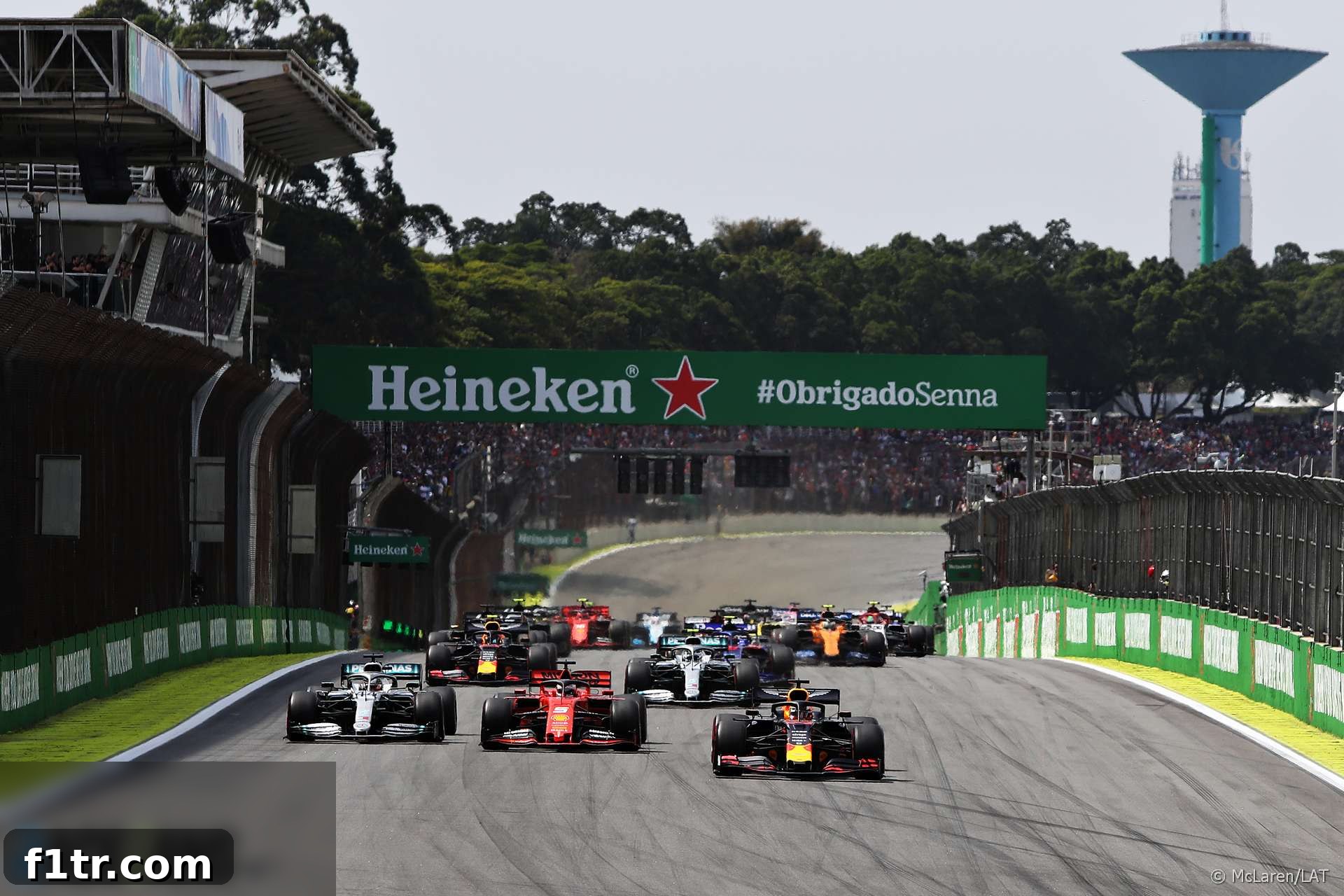
Brazilian Grand Prix Secures Future at Iconic Interlagos with New Five-Year Deal
The roar of Formula 1 engines is set to reverberate around the hallowed grounds of Autódromo José Carlos Pace, affectionately known as Interlagos, for at least another five years. This landmark agreement ensures the legendary circuit in São Paulo will continue to host the Brazilian Grand Prix, solidifying its place as a cornerstone of the F1 calendar and a beloved destination for motorsport enthusiasts worldwide. The news brings immense relief and excitement to fans and stakeholders alike, following a period of uncertainty and a fierce bidding war.
For decades, Interlagos has been synonymous with the Brazilian Grand Prix, hosting the prestigious event almost continuously since 1973. Its rich history, challenging layout, and passionate atmosphere have etched it into the annals of Formula 1 folklore. This new five-year contract, reportedly under advanced discussion and nearing finalisation, will see the São Paulo circuit continue its legacy, fending off a significant challenge from a proposed new venue in Rio de Janeiro.
Advert | Become a Supporter & go ad-free
The Enduring Appeal of Interlagos and its New Lease on Life
The confirmation of Interlagos as the long-term home for the Brazilian Grand Prix is a testament to its unique character and the unwavering support it enjoys from local authorities and a fervent fanbase. The circuit, nestled within the city of São Paulo, offers a compact, undulating layout that consistently delivers thrilling races. Its anti-clockwise direction, challenging corners like the “S do Senna,” and demanding uphill section before the finish line make it a favourite among drivers and spectators alike. The passion of the Brazilian crowd, who fill the grandstands with a sea of yellow and green, creates an electric atmosphere unmatched by many other venues on the calendar.
This five-year extension signals a renewed commitment from Formula 1 to its South American stronghold. The race is expected to operate under a new promoter, a common practice in modern F1 where commercial rights and operational responsibilities are often managed by entities distinct from the circuit owners. This shift is anticipated to bring fresh investment and innovative approaches to the event’s organisation, enhancing the fan experience and ensuring the Grand Prix remains a top-tier sporting spectacle.
Economically, the Brazilian Grand Prix is a significant boost for São Paulo. It attracts thousands of international visitors, fills hotels, and generates substantial revenue for local businesses. The long-term security provided by this new contract allows the city to plan further infrastructure improvements and leverage the global exposure that Formula 1 brings. For the sport itself, maintaining a presence in Brazil is crucial for its global reach and for connecting with one of its most dedicated audiences.
Defeating the Rio de Janeiro Challenge: Environmental Concerns Prevail
The path to this new agreement for Interlagos was not without its hurdles. For several years, a rival bid from Rio de Janeiro had been vigorously pursued, aiming to construct an entirely new circuit in the Deodoro region. This project had garnered significant political backing, including from Brazil’s President, Jair Bolsonaro, who openly supported the move of the Grand Prix to Rio.
However, Rio’s ambitious proposal ultimately faced insurmountable opposition. The planned construction site for the new circuit was located within an environmentally sensitive area, requiring extensive deforestation and disruption to local ecosystems. This aspect of the bid triggered widespread condemnation from environmental groups, local communities, and international bodies, leading to significant political and public backlash. The complexities of obtaining environmental licenses and the rising chorus of opposition proved to be a major stumbling block, effectively derailing the Deodoro project.
The failure of the Rio bid underscores a growing trend in global sports, where environmental sustainability and local impact are increasingly scrutinised. Major sporting events, including Formula 1, are under pressure to demonstrate their commitment to ecological responsibility. The Interlagos victory can be seen as a win for environmental conservation and a signal that such concerns can indeed influence high-stakes commercial decisions in international motorsport.
A Storied Past: The Brazilian Grand Prix Through the Years
The history of the Brazilian Grand Prix is as rich and dramatic as the races it has produced. The first World Championship Brazilian Grand Prix was held at Interlagos in 1973, won by the legendary Emerson Fittipaldi. The circuit quickly established itself as a challenging and popular venue, known for its demanding layout and the passionate home support for national heroes like Fittipaldi, Nelson Piquet, and Ayrton Senna.
In the 1980s, the race temporarily relocated to the Jacarepagua circuit in Rio de Janeiro, which was later renamed the Autódromo Internacional Nelson Piquet. During this period, Jacarepagua hosted many memorable races and became a stronghold for Brazilian F1 talent. However, the Grand Prix eventually returned to its spiritual home in São Paulo in 1990, where it has remained ever since. The Jacarepagua track, after hosting numerous F1 and IndyCar events, was ultimately demolished in 2016 to make way for facilities required for the Rio Olympic Games, leaving Interlagos as the sole historical F1 circuit in Brazil.
Interlagos has been the scene of countless championship deciders and iconic moments, including many memorable battles and emotional victories. Its unpredictable weather, often featuring sudden downpours, has added another layer of drama, making it one of the most exciting and anticipated races on the F1 calendar. Drivers often praise its flow and the feeling of driving through a track with so much history, making it a truly unique experience.
Advert | Become a RaceFans supporter andgo ad-free
Navigating the Complexities of the Modern F1 Calendar
The agreement to keep the race at Interlagos follows a challenging period for global sports. The 2020 Brazilian Grand Prix, like many other events worldwide, was cancelled due to the COVID-19 pandemic, disrupting contracts and casting uncertainty over the future of several races. The confirmation of the Brazilian Grand Prix on the 2021 F1 calendar earlier this week, albeit listed as “subject to agreement of a new contract,” highlighted the critical stage of negotiations.
Formula 1’s calendar is a meticulously planned and highly complex logistical operation. Securing long-term contracts with host venues is paramount for stability and forward planning. These agreements involve intricate financial negotiations, marketing commitments, and often require significant infrastructure investments from the host city or country. The typical response from a Formula 1 spokesperson regarding contract discussions – “We never comment on contract discussions” – underscores the sensitive and confidential nature of these high-stakes negotiations.
For cities and nations, hosting a Formula 1 Grand Prix is a dual-edged sword. While it offers unparalleled global exposure and significant economic benefits, it also demands substantial financial investment and logistical expertise. A five-year deal provides the necessary long-term vision for both Formula 1 and São Paulo, allowing for strategic planning, investment in facilities, and consistent marketing efforts to ensure the race’s continued success and profitability.
The Future of F1 in Brazil: A Foundation of Stability
With the new five-year deal for Interlagos, the future of Formula 1 in Brazil appears stable and promising. This stability is vital for nurturing new Brazilian talent, maintaining local interest in motorsport, and securing the economic benefits that the Grand Prix brings to São Paulo. It ensures that one of F1’s most iconic and atmospheric races will remain a fixture, continuing to deliver the drama, excitement, and passion that fans have come to expect.
The decision reaffirms Interlagos’s status as a classic circuit, valued not just for its historical significance but also for its ability to produce exciting racing in the modern era. While potential upgrades and enhancements to the circuit facilities might be part of the new agreement, the core essence of Interlagos – its unique layout and vibrant atmosphere – is expected to be preserved, ensuring that future generations of fans can experience its magic.
The Brazilian Grand Prix at Interlagos is more than just a race; it’s a celebration of Brazilian culture, speed, and an enduring love affair with Formula 1. The new contract secures this legacy, promising many more years of unforgettable moments on this legendary track.