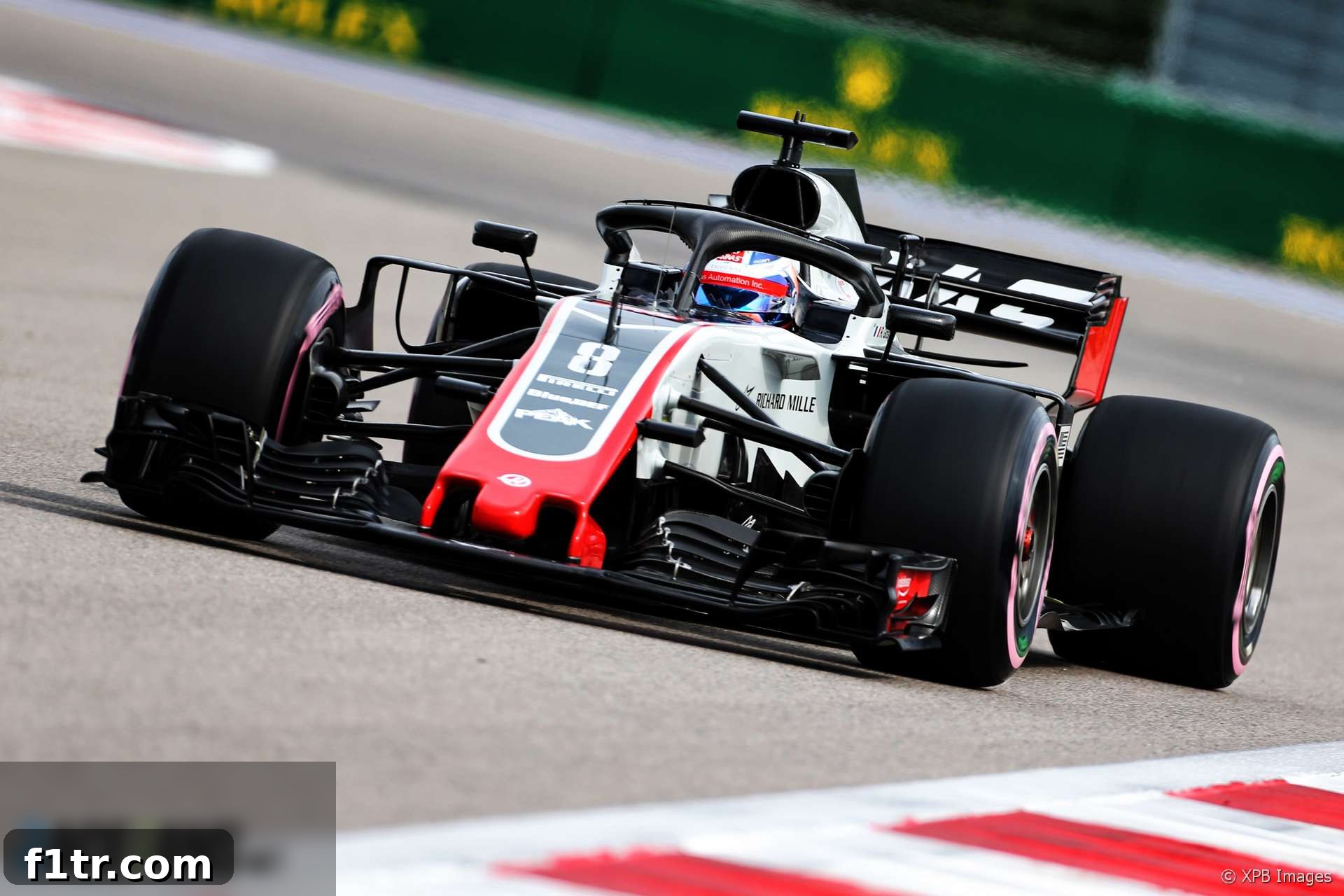
In the high-octane world of Formula 1, where milliseconds define victory and defeat, strategy is as crucial as raw pace. Every decision, from car setup to tyre compound choice, is meticulously calculated to gain an edge. Yet, there are moments when the very rules designed to enhance competition inadvertently create perplexing dilemmas, forcing drivers and teams to consider counter-intuitive strategies. One such paradox emerged during the 2018 Formula 1 season, centered around Pirelli’s ultra-soft ‘hyper-soft’ tyre and the qualifying regulations. This period saw drivers openly contemplate the unthinkable: deliberately avoiding the coveted Q3 session, not out of a lack of pace, but as a strategic maneuver to secure a more favorable race start.
The core of this strategic conundrum lay in the rapid degradation characteristics of the hyper-soft compound, combined with a specific sporting regulation. Under the rules, any driver reaching the final qualifying session (Q3) must start the race on the set of tyres with which they set their fastest time in Q2. While this rule is typically intended to reward strong qualifying performances, it became a significant Achilles’ heel for many midfield teams when paired with the notoriously short lifespan of the hyper-softs. For the top-tier teams, who often possess superior car performance and better tyre management capabilities, starting on hyper-softs might be a manageable challenge. However, for the fiercely competitive midfield, locked in battles for every single point, it often proved to be a “massive disadvantage,” as expressed by drivers at the time.
Romain Grosjean, then driving for Haas, vividly articulated the frustration stemming from this situation. Reflecting on a particular race where he plummeted from an eighth-place grid slot to 15th by the chequered flag, he described starting on hyper-softs as being in a “rubbish situation.” His experience was a prime example of how a seemingly strong qualifying performance could backfire dramatically once the lights went out. The rapid deterioration of the hyper-softs meant that an early pit stop was often unavoidable, pushing drivers into traffic and compromising their entire race strategy. “It’s a bit sad knowing P13 had an advantage on P7 on the grid,” Grosjean lamented, highlighting the absurdity of a scenario where starting further down the grid offered a strategic benefit.
Grosjean’s race narrative painted a grim picture of extreme tyre conservation: “I took it very, very slowly in the race, drove like a grandma trying to take care of the tyres.” Despite his best efforts, attempting to eke out the life of the fragile hyper-softs, their performance cliff was steep and sudden. “Five laps after the Safety Car or so they just went. So we had to pit and then eventually ended up in traffic.” This forced, early pit stop not only cost him track position but also forced him onto a sub-optimal strategy for the remainder of the race, effectively ruining his chances of scoring points. His sentiments underscored a fundamental flaw in the interplay between tyre design and sporting regulations, particularly when the hyper-soft compound was nominated for consecutive race weekends.
The prospect of facing the same dilemma led Grosjean to openly ponder a truly radical strategy: “If here’s the same situation we’re not going to try to make it to Q3.” This statement, coming from a competitive Formula 1 driver, sent ripples through the paddock and among fans. The very idea of intentionally underperforming in qualifying – the ultimate test of speed – to gain a strategic advantage on Sunday went against the core ethos of motorsport. “I don’t think that’s great for F1, the show or for ourselves either,” he added, recognizing the broader implications for the sport’s integrity and appeal. “Just thinking ‘oh I don’t want to make it to Q3’ it’s really a big disadvantage, what’s the point of making qualifying then?” His rhetorical question perfectly encapsulated the awkward position drivers found themselves in, challenging the fundamental purpose of qualifying itself.
Romain Grosjean was not alone in his assessment. Nico Hulkenberg, driving for Renault, also found himself in a similar predicament and shared similar frustrations. While Hulkenberg was the only driver starting between seventh and tenth on the hyper-softs to finish in the points in a particular race, even his performance came with significant caveats. He was notably overtaken by three drivers who had failed to reach Q3 and, as a result, had the freedom to start on a fresher, more durable tyre compound. This observation further cemented the notion that the hyper-soft was a poisoned chalice for many midfield contenders, particularly when starting inside the top ten.
“I think it’s pretty clear and easy to see that starting on the hyper-soft strategy was definitely not the good strategy unless you’re in one of the top six cars,” Hulkenberg stated. His analysis pointed directly to the disparity between top teams and the rest of the grid. Teams with a significant performance advantage could absorb the hyper-soft’s drawbacks, perhaps through sheer pace or superior car balance. However, for those fighting tooth and nail for every position, the tyre choice proved to be an insurmountable hurdle. “It just made life very hard: a very short first stint and then you had a massive second stint where you just had to do so much tyre saving and tyre management that it meant you had an overall much slower race.” This detailed explanation highlighted the ripple effect of a poor tyre choice – not just an early pit stop, but an entire race compromised by defensive driving and extreme conservation, ultimately leading to a slower overall pace and loss of positions.
The 2018 hyper-soft dilemma brought into sharp focus the intricate balance F1 strives to achieve between technological prowess, driver skill, and strategic complexity. While Pirelli’s intention with softer compounds is to foster more unpredictable races and increase pit stop action, the unintended consequence of the hyper-soft in 2018 was to penalize strong qualifying performances for a significant portion of the grid. The midfield battle, always a highlight of F1 racing, became even more distorted, with drivers potentially undermining their own efforts in qualifying to secure a more robust race strategy.
This situation sparked important debates within the F1 community regarding the nature of sporting regulations and their impact on competition. Should qualifying always be about pure speed, regardless of race day implications? Or should rules be flexible enough to prevent such counter-intuitive strategies from becoming viable? The “anti-Q3” strategy, while controversial, served as a potent reminder of how small regulatory details can have profound effects on the sporting spectacle. Ultimately, the lessons learned from the 2018 hyper-soft experience have contributed to ongoing discussions about tyre compounds, qualifying formats, and race strategies, continually shaping the future direction of Formula 1 to ensure that competition remains fair, exciting, and, above all, a true test of speed and skill.
2018 F1 season
- F1 feared “death knell” for Drive to Survive after Ferrari and Mercedes snub
- McLaren staff told us we were “totally crazy” to take Honda engines in 2018 – Tost
- ‘It doesn’t matter if we start last’: How Red Bull’s junior team aided Honda’s leap forward
- Honda’s jet division helped F1 engineers solve power unit problem
- McLaren Racing losses rise after Honda split
Browse all 2018 F1 season articles