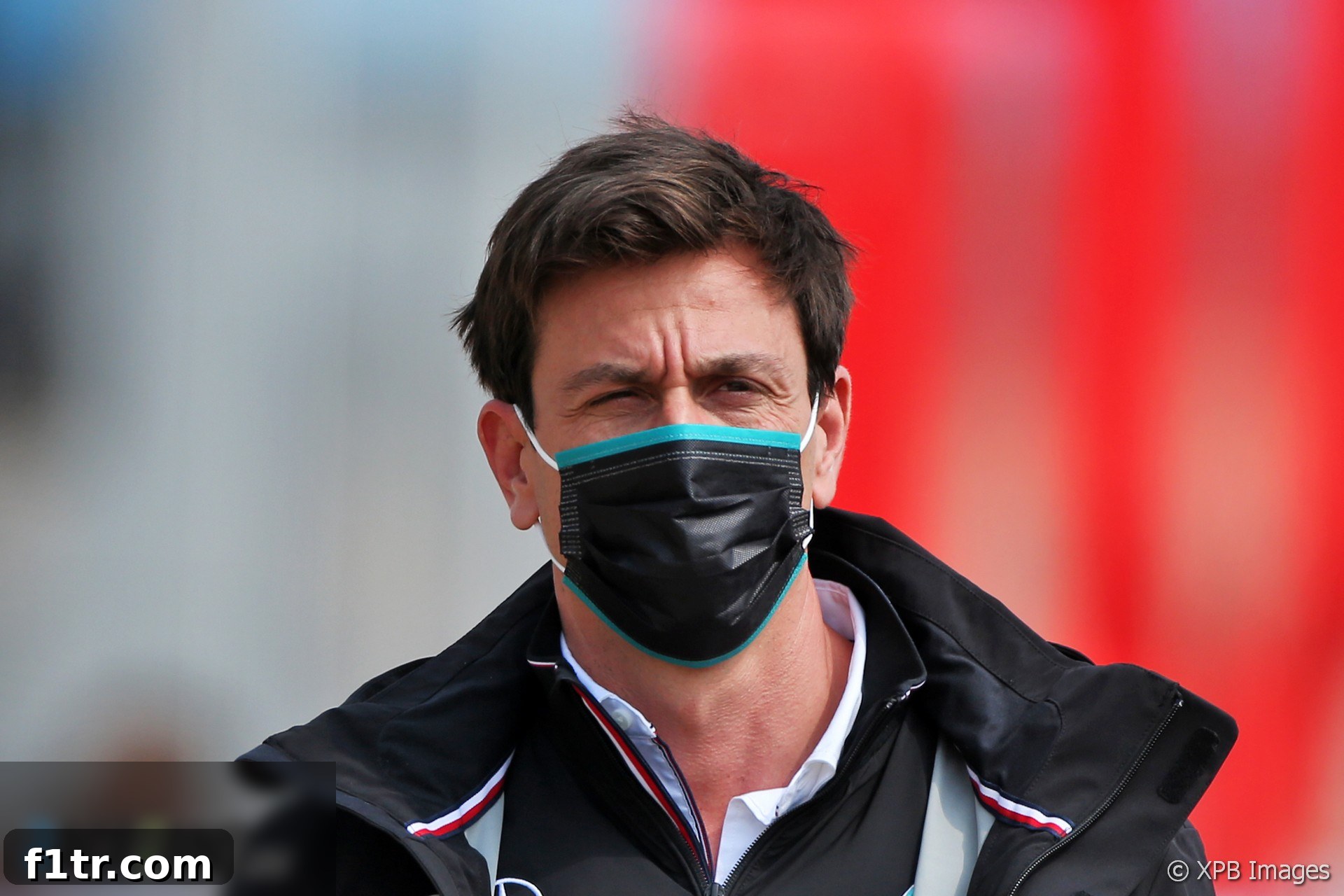
Toto Wolff Confirms Covid-19 Diagnosis: Formula 1’s Persistent Challenge with the Pandemic
In a development that underscores the relentless impact of the global health crisis, Toto Wolff, the highly influential Team Principal and CEO of the Mercedes-AMG Petronas Formula 1 Team, has announced he tested positive for Covid-19. Wolff, 49, conveyed the news to Austrian broadcaster ORF, confirming he had contracted the virus. He clarified that he experienced “the mildest of symptoms” and has already successfully completed his required quarantine period, signaling a swift recovery and his return to full health.
Wolff’s positive test adds another prominent name to the expanding list of notable figures within the Formula 1 paddock who have navigated a Covid-19 infection. His case serves as a crucial reminder of the continuous vigilance demanded by the sport, even as it meticulously prepares for the highly anticipated 2021 season. Despite the stringent measures and dedicated efforts by teams and organizers, the virus remains an ever-present and unpredictable factor in the high-stakes world of elite motorsport.
The Pervasive Influence of Covid-19 Across the Formula 1 Paddock
The Formula 1 community has, unfortunately, become intimately acquainted with the disruptions and health concerns instigated by the Covid-19 pandemic. From championship-winning drivers to essential garage mechanics and senior management figures, the virus has touched virtually every segment of the sport. Toto Wolff’s diagnosis is particularly significant given his leadership role at the helm of Mercedes, a team that has historically dominated the Constructors’ Championship for seven consecutive seasons, embodying the pinnacle of motorsport engineering and strategy.
His experience reflects that of numerous other critical individuals who have battled the illness. While news of a team principal contracting the virus might initially spark concern, Wolff’s immediate isolation and subsequent recovery, coupled with the reported mildness of his symptoms, attest to the effectiveness of early detection systems and the inherent health resilience observed within the F1 community. This latest incident, however, compels a deeper examination of the pandemic’s broader implications for the sport’s operational integrity and the unwavering commitment required towards maintaining health and safety across all tiers.
High-Profile Cases: Drivers and Key Personnel Navigating Covid-19
The roll call of individuals affected by Covid-19 within Formula 1 extends significantly beyond Toto Wolff. A total of five drivers have, at various junctures, tested positive for the virus, each instance presenting unique operational and competitive challenges for their respective teams and the overarching championship narrative. Arguably the most high-impact driver case was that of Mercedes’ reigning champion, Lewis Hamilton. His diagnosis in December 2020 forced him to sit out the Sakhir Grand Prix, a rare absence for the seven-time world champion that famously saw George Russell step into his car and deliver a sensational, near-victory performance.
Earlier in the 2021 pre-season, McLaren’s dynamic young driver, Lando Norris, also contracted the virus during his off-season training regime in Dubai. Thankfully, Norris’s recovery was swift, and he was soon declared symptom-free, a testament to his robust physical fitness and the typically mild course of the infection among healthy athletes. Similarly, Ferrari’s talented Charles Leclerc tested positive in January 2021 but was quickly cleared to resume pre-season preparations, including crucial testing sessions at Fiorano, further highlighting the rapid recovery timelines often seen in professional sports figures.
Beyond the elite drivers, a considerable number of team personnel have also contended with the virus. The Mercedes team itself experienced a notable cluster of six positive cases among its staff members prior to the Eifel Grand Prix at the Nürburgring in October 2020. This incident vividly illustrated the potential for widespread team disruption and necessitated immediate, rigorous isolation protocols to prevent further transmission within the typically confined paddock environment. Racing Point, in particular, faced significant challenges during the 2020 season, with driver Lance Stroll missing the Eifel Grand Prix due to illness and team owner Lawrence Stroll also confirming a positive test. Furthermore, several team members across other prominent outfits, including McLaren, Renault, Williams, Red Bull, and Pirelli, underwent periods of mandatory isolation following positive tests, consistently showcasing the pervasive threat to operational continuity and competitive readiness.
Formula 1’s Rigorous Safety Protocols: A Blueprint for Navigating a Global Pandemic
The remarkable continuation of the Formula 1 World Championship through the unprecedented trials of the Covid-19 pandemic stands as a monumental achievement, primarily attributable to the rapid development and stringent enforcement of comprehensive health and safety protocols. Following an initial global lockdown that forced the postponement of the 2020 season’s commencement, Formula 1, in close collaboration with the FIA (Fédération Internationale de l’Automobile), meticulously engineered a bio-secure “bubble” strategy designed to safeguard the entire paddock and facilitate racing.
These pioneering protocols encompassed mandatory and frequent PCR testing for every individual granted access to and operating within the paddock. Teams were strategically segregated into smaller, self-contained working groups to minimize inter-team contact, while strict social distancing guidelines were rigorously enforced at all times. The ubiquitous use of personal protective equipment (PPE), most notably face masks, became a defining characteristic of the new F1 environment. Furthermore, “travel bubbles” were established, severely limiting interaction with local populations at race venues, and movement within circuits was meticulously controlled and tracked. These exhaustive measures, while undoubtedly demanding and requiring significant adaptation, proved indispensable in enabling the sport to successfully complete a substantial 17-race calendar in 2020 and establish a resilient operational framework for the subsequent 2021 season.
While the success of these protocols has been substantial, it has not been absolute, as evidenced by the recurring instances of positive cases, including Toto Wolff’s recent diagnosis. However, the critical fact that these cases were identified promptly through systematic testing, isolated effectively, and crucially, did not escalate into widespread outbreaks or necessitate the cancellation of entire race weekends, profoundly demonstrates the overall efficacy and robustness of the implemented system. The rapid response mechanisms, coupled with meticulous contact tracing efforts, have been paramount in mitigating broader risks, preventing potential super-spreader events, and ultimately ensuring that the spectacle of Formula 1 could continue unabated for its global audience.
The Road Ahead: The 2021 F1 Season and Sustained Vigilance
As Formula 1 intensifies its preparations for the eagerly anticipated 2021 season, scheduled to kick off with pre-season testing and the opening Bahrain Grand Prix, the continued prevalence of Covid-19 cases within its operational ecosystem emphatically underscores the critical need for unwavering vigilance. The experiences gleaned from the tumultuous 2020 season have provided invaluable lessons, directly shaping and refining a more sophisticated and adaptive approach to health and safety management. While the ongoing global vaccine rollout offers a promising beacon of hope for a gradual transition towards greater normalcy, until widespread immunity is achieved, the established, rigorous protocols will undeniably remain the foundational backbone of F1’s operational strategy.
The challenges confronting the 2021 season are set to be substantial, featuring a more ambitious and geographically diverse calendar that reinstates traditional races and potentially introduces new venues. Every positive case, whether it involves a star driver, a pivotal team principal, or an indispensable mechanic, serves to reinforce the delicate equilibrium between fiercely competitive racing and profound public health responsibility. The sport’s inherent capacity for rapid adaptation, its spirit of innovation, and its steadfast commitment to prioritizing the well-being of all participants will be continuously tested throughout what promises to be another gripping championship battle.
Notable Confirmed Covid-19 Cases in the Formula 1 Paddock (Chronological Overview)
The following comprehensive table provides a chronological overview of some of the most prominent Covid-19 diagnoses within the Formula 1 world, vividly illustrating the broad spectrum of individuals affected and the ongoing challenges faced:
| Date | Individual/s | Team/Role | Notes |
|---|---|---|---|
| 18/03/2020 | One team member | McLaren | Pre-season detection, leading to McLaren’s proactive withdrawal from the Australian GP, initiating a domino effect across the paddock. |
| 30/07/2020 | Sergio Perez | Racing Point Driver | Missed both the British and 70th Anniversary Grands Prix, creating a significant competitive void. |
| 08/10/2020 | Six team members | Mercedes | Identified ahead of the Eifel Grand Prix, necessitating rapid response and isolation protocols. |
| 13/10/2020 | Two team members | Renault | Detected prior to a crucial filming day involving Fernando Alonso, highlighting broader risk. |
| 21/10/2020 | Lawrence Stroll | Racing Point Owner | Team principal and owner, highlighting high-level executive exposure within the sport. |
| 21/10/2020 | Lance Stroll | Racing Point Driver | Missed the Eifel Grand Prix due to illness, impacting his championship campaign. |
| 30/10/2020 | Four team members | Racing Point | Further cases reported within the team, indicating a localized cluster. |
| 11/11/2020 | Simon Roberts | Williams Acting Team Principal | Affected a key leadership figure in the Williams team. |
| 16/11/2020 | Mario Isola | Pirelli Head of F1 & Car Racing | Involved a crucial figure from F1’s official tyre supplier. |
| 26/11/2020 | Jonathan Wheatley | Red Bull Sporting Director | A vital operational leader for a top contending team. |
| 1/12/2020 | Lewis Hamilton | Mercedes Driver | Missed the Sakhir Grand Prix, a rare absence for the multiple world champion. |
| 5/1/2021 | Lando Norris | McLaren Driver | Tested positive during his off-season, impacting pre-season preparations. |
| 13/1/2021 | Charles Leclerc | Ferrari Driver | Confirmed positive ahead of critical pre-season activities, underscoring ongoing risks. |
| 25/1/2021 | Toto Wolff | Mercedes Team Principal | Experienced mild symptoms and successfully completed quarantine, a high-profile case for Mercedes leadership. |
This continually evolving list highlights the indiscriminate nature of the virus and the extensive, dynamic measures teams and the sport as a whole have had to undertake to protect their invaluable personnel and ensure the continuity of competitive racing.
Leadership Amidst Adversity: Mercedes-AMG Petronas F1 Team and Toto Wolff
Under the astute and strategic leadership of Toto Wolff, the Mercedes-AMG Petronas F1 Team has forged an unprecedented legacy of success, firmly establishing itself as the benchmark for performance, innovation, and operational excellence in modern Formula 1. His recent personal experience with Covid-19, despite being characterized by mild symptoms and a swift recovery, offers a direct, first-hand perspective on the profound challenges faced by countless individuals within his formidable organization and the broader F1 community. It serves as a poignant reminder of the pervasive human element that exists beneath the glittering facade of Formula 1, underscoring that even the most influential and resilient figures are susceptible to the global health crisis.
Wolff’s distinctive management philosophy, which is often distinguished by incisive strategic foresight, unwavering determination, and a profound emphasis on fostering team cohesion and personnel well-being, will undoubtedly continue to guide Mercedes through these inherently uncertain and challenging times. His prompt recovery and seamless return to duties not only signify his personal resilience but also stand as a testament to the effectiveness and robustness of the team’s meticulously implemented internal health monitoring, support, and rapid response systems. For Mercedes, safeguarding the health and vitality of its entire workforce remains an absolute paramount priority, particularly as they embark on the arduous task of defending their coveted titles in the highly anticipated and fiercely competitive 2021 season.
Beyond the Headlines: The Future of Formula 1 in a Post-Pandemic World
While the immediate and pressing focus for Formula 1 undoubtedly remains on meticulously navigating the complexities of the 2021 season with paramount safety, the long-term implications and transformative lessons learned from the Covid-19 pandemic are poised to indelibly shape the sport for many years to come. The heightened and unwavering emphasis on health and safety protocols, the demonstrated efficiency and scalability of remote operational capabilities, and the extraordinary adaptability showcased by both individual teams and the overarching organizational bodies have collectively established unprecedented new benchmarks. This transformative experience has undeniably forged a more resilient, agile, and strategically prepared sport, significantly better equipped to effectively handle unforeseen global challenges and disruptions.
The arduous journey through the pandemic has served as an enduring testament to Formula 1’s profound determination and unyielding commitment to continue delivering exhilarating, world-class motorsport action to its vast and passionate global fanbase. From the initial, dramatic confirmed case that necessitated the unprecedented cancellation of the Australian Grand Prix in early 2020, to Toto Wolff’s very recent diagnosis, each individual incident has incrementally contributed to a more profound and nuanced understanding of the virus, consequently leading to the continuous refinement and enhancement of operational protocols. The collective and collaborative efforts to meticulously mitigate risks, ensure rapid and widespread testing capabilities, and facilitate swift recovery remain squarely at the core of Formula 1’s evolving strategic approach as it steadfastly looks towards a future where optimal health and peak performance are inextricably linked and mutually reinforcing objectives.
As the 2021 season unfolds across various international circuits, every single race weekend will serve as a compelling testament to this remarkable resilience and adaptability. The gradual and cautiously managed return of fans to select venues offers a hopeful and symbolic progression towards greater normalcy. However, the persistent and discernible presence of Covid-19, as powerfully underscored by the experiences of high-profile figures such as Toto Wolff, unequivocally dictates that unwavering vigilance, continuous adaptation, and a collective sense of responsibility will continue to constitute the fundamental cornerstones of Formula 1’s complex and dynamic operations for the foreseeable future, ensuring both the safety of its community and the thrill of the sport.
Related Articles: Exploring More from the 2021 F1 Season
Stay informed and deepen your understanding with the latest news and insightful analyses concerning the thrilling 2021 Formula 1 season:
- Masi ‘basically gifted the championship’ to Verstappen says 2021 FIA steward Sullivan
- Las Vegas race backers looking to extend F1 deal beyond 2025
- Why Mercedes put ‘a reminder of joy and pain’ on display in their factory lobby
- Verdict on error in GT race suggests Mercedes would have lost 2021 Abu Dhabi GP appeal
- Title ‘stolen’ from Mercedes made us ‘underdogs people cheer for’ – Wolff
Browse all 2021 F1 season articles